
The Art of a Digital Detox: A Practical Guide
In our hyper-connected world, screens dominate every aspect of life—from smartphones buzzing with notifications to laptops keeping us tethered to work emails. The average person spends over 7 hours a day on digital devices, leading to burnout, anxiety, and diminished focus. Enter the digital detox: a deliberate break from technology to reclaim mental clarity, boost productivity, and rediscover real-world joys. This practical guide explores the art of a digital detox, offering actionable steps for beginners and seasoned tech users alike. Whether you’re planning a weekend unplug or a month-long challenge, mastering this practice can transform your well-being.
Understanding Digital Overload and Why Detox Matters
Feature Video
Digital overload, often called “tech fatigue,” stems from constant stimulation. Social media algorithms designed to hook users trigger dopamine hits, creating addictive loops. Studies from the American Psychological Association link excessive screen time to increased stress, sleep disturbances, and even depression. A 2023 survey by Deloitte found that 60% of people feel overwhelmed by notifications, yet struggle to disconnect.
The art of a digital detox isn’t about shunning technology forever but resetting your relationship with it. Think of it as a spa day for your brain. By stepping away, you allow neural pathways to recover, fostering creativity and emotional resilience. Research from the University of Pennsylvania shows that limiting social media to 30 minutes daily reduces loneliness and improves mood. This guide demystifies the process, making your first digital detox seamless and sustainable.
The Proven Benefits of a Digital Detox
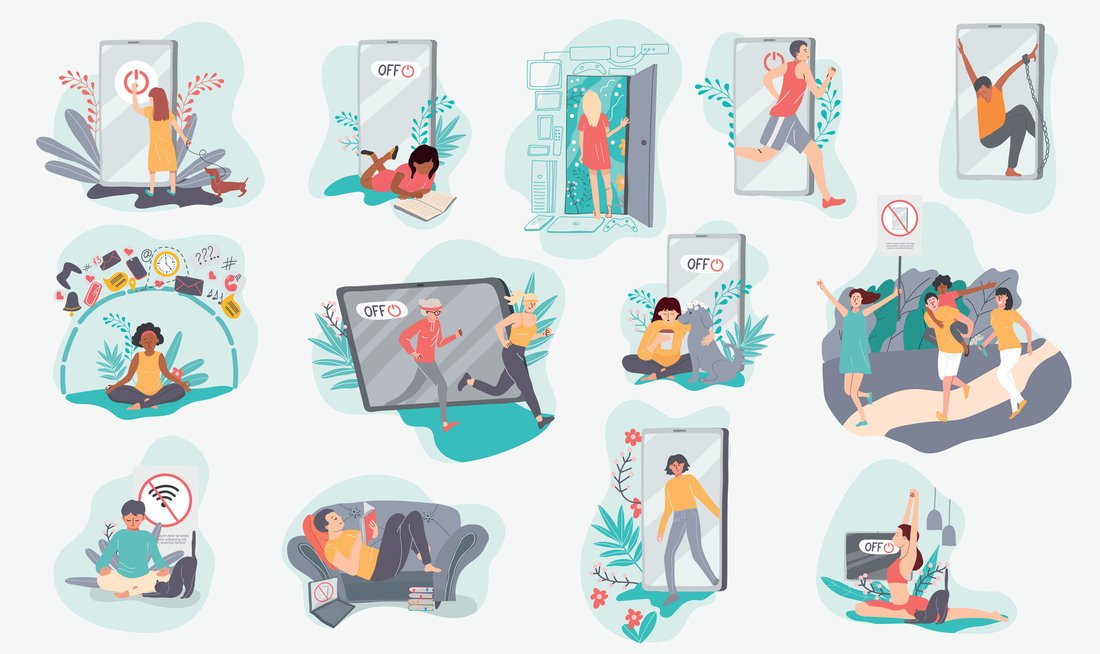
Embarking on a digital detox yields multifaceted rewards. Mentally, it sharpens focus—without pings interrupting, you enter “deep work” states, as coined by Cal Newport. A study in the Journal of Experimental Psychology revealed that digital breaks enhance cognitive performance by 20%.
Physically, less screen time means better sleep. Blue light from devices suppresses melatonin; detoxing promotes restorative rest. Relationships flourish too—face-to-face interactions replace likes and shares, deepening bonds. One participant in a Digital Detox Retreat reported feeling “more present” with family after just 48 hours offline.
Productivity skyrockets as multitasking myths crumble. Harvard Business Review notes that context-switching via notifications costs 40% of productive time. Creatively, unplugging sparks innovation; many artists and writers swear by tech-free zones. Environmentally, reduced device usage lowers energy consumption, aligning with sustainable living. These benefits make digital detox a cornerstone of modern self-care.
Preparing for Your Digital Detox: Set the Stage

Success starts with preparation. Choose a detox duration: beginners try 24 hours; intermediates aim for a week. Inform loved ones and colleagues via email or notes—set an out-of-office reply like, “I’m on a digital detox for mental recharge; responses post-[date].”
Audit your tech habits using apps like Screen Time (iOS) or Digital Wellbeing (Android) for a baseline. Identify triggers: doom-scrolling Instagram? Workaholic emailing? Create a “detox kit”: alarm clock (not phone), notebooks, books, and outdoor gear. Designate a “no-tech zone” like your bedroom. Backup essential data and download offline maps or audiobooks. Mentally prepare by journaling expectations—what do you hope to gain? This groundwork turns apprehension into excitement.
A Step-by-Step Guide to Executing Your Digital Detox
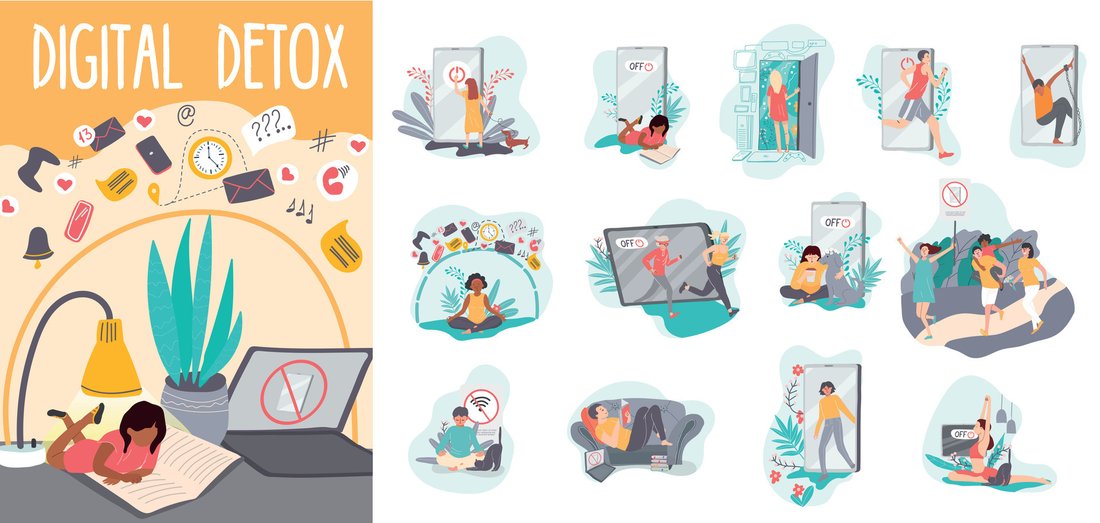
Day zero: Power down. Airplane mode all devices, store phones in a drawer or another room. Replace charging habits with rituals like brewing tea.
Morning routine: Wake naturally, hydrate, and journal. No screens until noon—or never that day. Breakfast mindfully, savoring flavors without Instagram snaps.
Midday: Tackle analog tasks. Clean, garden, or cook from scratch. Walks in nature amplify detox effects; forest bathing reduces cortisol by 12%, per Japanese studies.
Afternoon: Pursue hobbies—painting, puzzles, or playing instruments. Connect offline: call friends (landline if possible) or visit neighbors.
Evening: Wind down early. Read physical books, meditate, or stargaze. Track progress in a detox journal: note mood shifts, urges, and wins. Gradually reintroduce tech on detox end, starting with essentials only.
For workplace detox, batch-check emails twice daily. Use tools like Freedom app pre-detox to block sites, easing transition.
Engaging Activities to Fill Your Digital-Free Time
Avoid boredom traps by curating activities. Outdoor pursuits top the list: hiking, cycling, or beachcombing reconnect you with senses. Urban dwellers? Explore parks, markets, or libraries.
Creative outlets shine: sketch, write letters, bake bread. Board games or puzzles foster social bonds without screens. Mindfulness practices—yoga, tai chi, breathwork—anchor presence. Volunteer: soup kitchens or animal shelters provide purpose.
Cultural dives: visit museums, attend live theater, or concerts. Cooking classes or dance lessons add skill-building fun. Reading marathons with classics like “Walden” by Thoreau, who championed simplicity, inspire. These fill voids productively, proving life thrives sans screens.
Overcoming Common Challenges in Digital Detox

FOMO (fear of missing out) hits hardest initially. Counter with affirmations: “I’m choosing presence over pixels.” Withdrawal mimics addiction; combat with herbal teas, exercise, or Epsom baths.
Emergencies? Designate a trusted “tech proxy” for urgent checks. Boredom? Schedule loosely but embrace serendipity. Social pressure? Share your journey pre-detox, inspiring others.
Post-detox slip-ups are normal. Audit weekly: delete unused apps, set screen limits. Apps like Forest gamify focus. Consistency builds resilience; many report sustained happiness after multiple detoxes.
Building Long-Term Habits Beyond the Detox

Detox is a launchpad for mindful tech use. Implement “tech curfews”: no devices post-8 PM. Create phone-free meals and walks. Prioritize human-first interactions.
Monday resets or monthly unplug days maintain momentum. Track metrics: sleep quality, joy levels. Integrate slow living: analog planners, vinyl records. Workplace boundaries—dedicated focus hours—boost careers.
Community helps: join digital detox challenges on platforms like Reddit (ironically, pre-detox). Books like “Digital Minimalism” by Cal Newport offer blueprints. Ultimately, the art lies in balance—tech as tool, not tyrant.
Conclusion: Embrace the Art of Unplugging

The art of a digital detox is a profound return to self. This practical guide equips you to navigate overload, harvest benefits, and sustain change. Start small, stay consistent, and watch clarity emerge. In a world of endless scrolls, your offline life awaits—richer, calmer, truly alive. Ready to detox? Your future self thanks you.
(Word count: 1,248)