
Illuminati Symbols in Cartoons: Unraveling the Conspiracy Theories
Introduction to Illuminati Conspiracy Theories in Cartoons
Feature Video
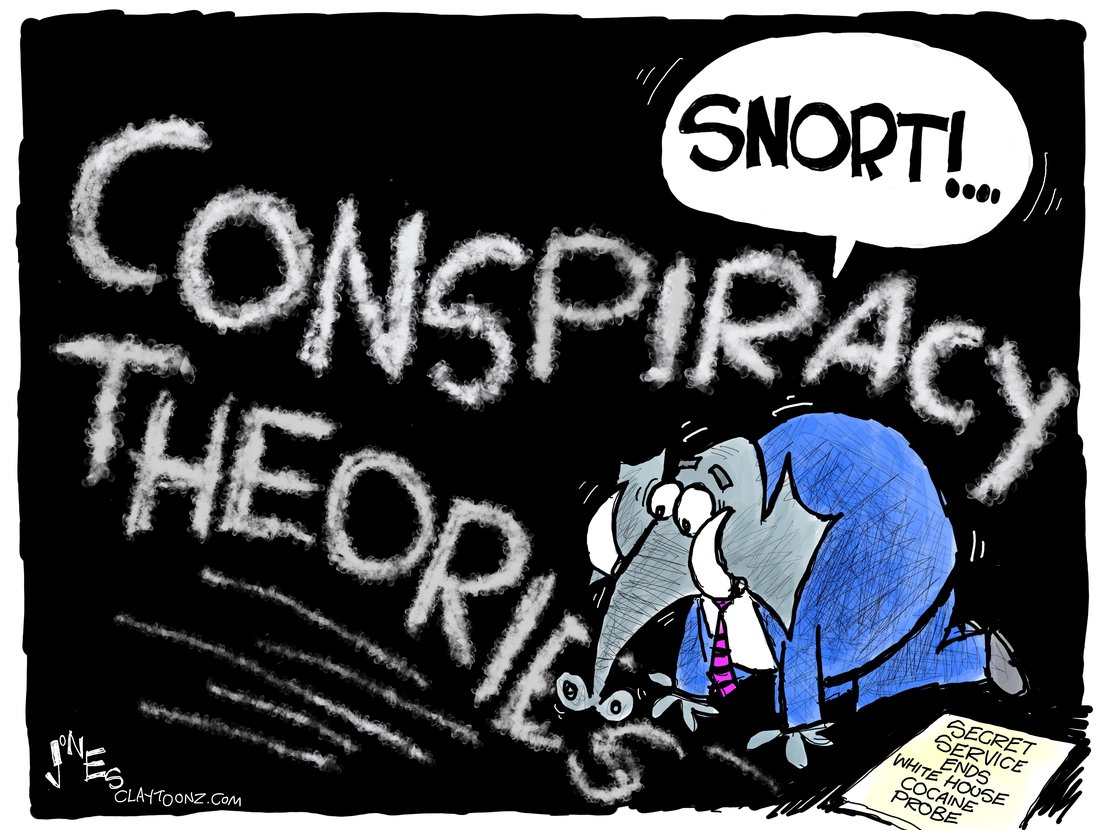
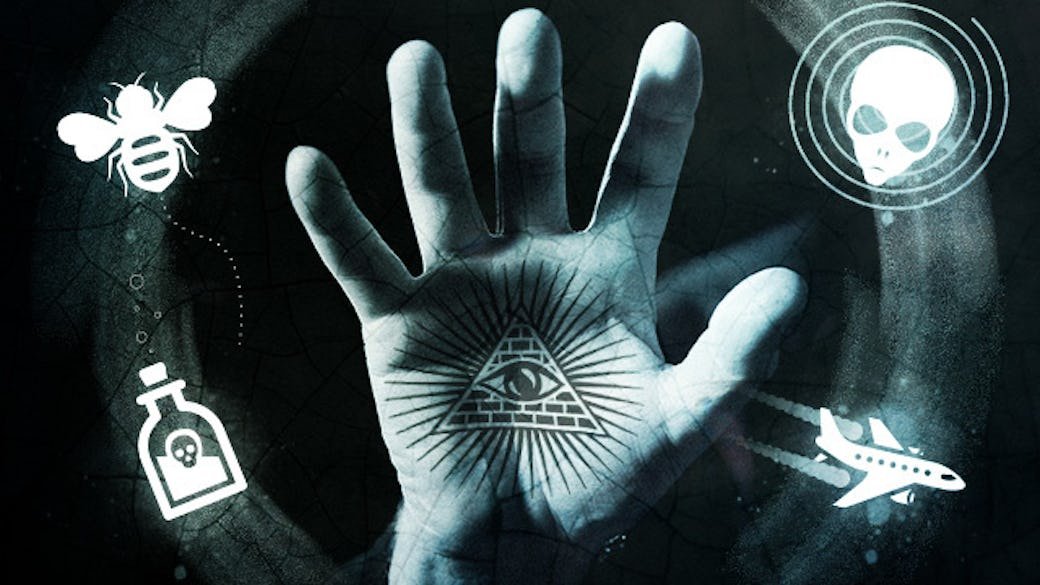
The notion of secret societies pulling the strings behind global events has captivated imaginations for centuries, and the Illuminati stands as one of the most enduring symbols of such intrigue. Founded in 1776 by Adam Weishaupt in Bavaria, the historical Bavarian Illuminati was a short-lived Enlightenment-era group advocating rationalism over superstition. Yet, in modern pop culture, it’s portrayed as an omnipotent cabal controlling everything from governments to entertainment. Enter the world of cartoons: vibrant, whimsical animations aimed at children and families. Conspiracy theorists claim that Illuminati symbols—such as the all-seeing eye, pyramids, owls, and specific hand gestures—are deliberately embedded in popular shows like The Simpsons, SpongeBob SquarePants, and Mickey Mouse cartoons. But are these hidden messages indoctrinating the masses, or mere coincidences amplified by online echo chambers? This article dives into the most prominent Illuminati symbols in cartoons conspiracy theories, examining evidence, psychology, and cultural impact for an SEO-optimized exploration.
The Iconic Illuminati Symbols and Their Origins
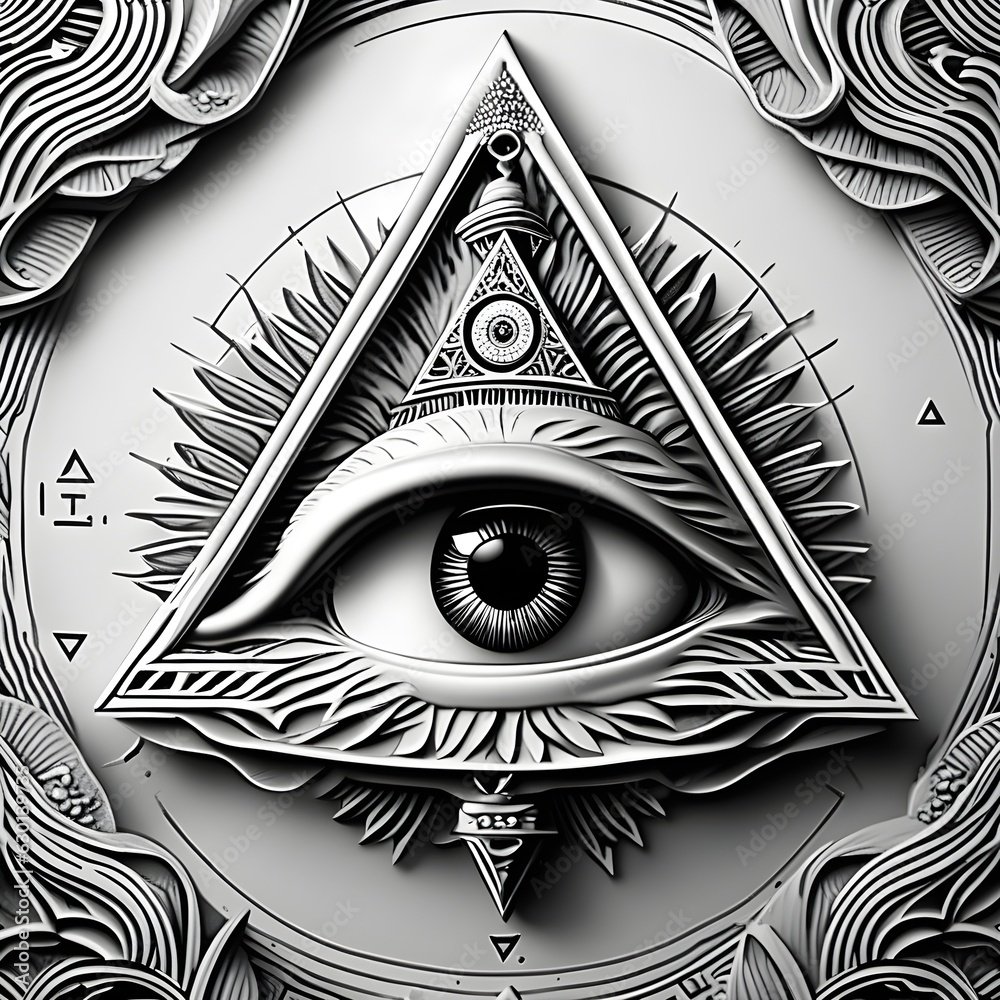
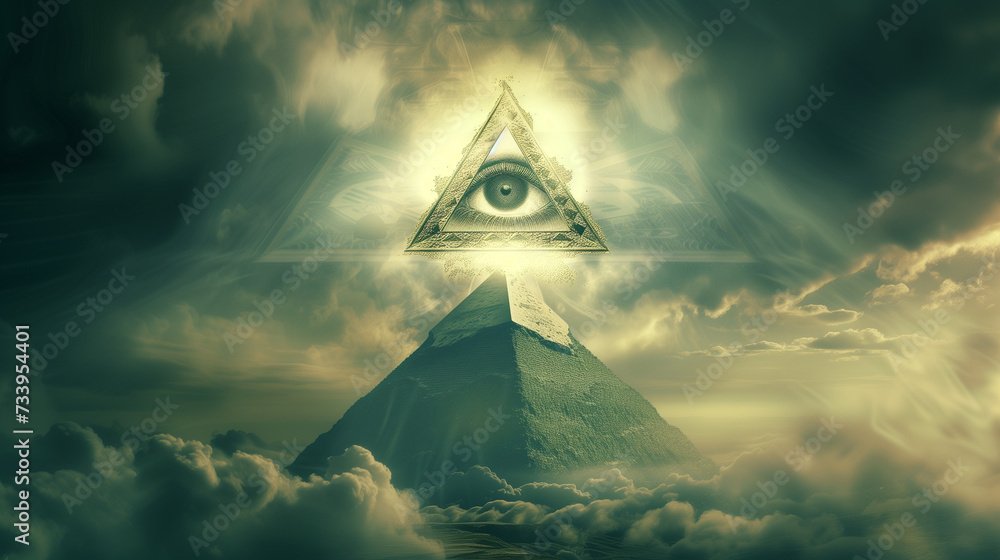
Before dissecting cartoons, understanding the symbols is key. The all-seeing eye, often atop a pyramid, originates from ancient Egyptian iconography but gained notoriety on the U.S. one-dollar bill in 1935, symbolizing divine providence. Conspiracy lore ties it to Freemasonry and the Illuminati. Other symbols include the owl of Minerva (wisdom and secret knowledge), the number 666 (biblical “mark of the beast”), checkered patterns (Masonic floors), and hand signs like the “OK” gesture interpreted as 666. Theorists argue these appear in media to subliminally signal control or recruit members. In cartoons, where visuals are bold and repetitive, pattern-seeking minds spot them everywhere—from background graffiti to character poses. This fuels viral YouTube videos and Reddit threads, boosting SEO terms like “Illuminati symbols in cartoons.”
Historically, Disney has been a prime target. Walt Disney himself was accused of Masonic ties due to alleged lodge memberships, though unproven. Early Mickey Mouse shorts from the 1920s-1930s feature geometric shapes and eyes that enthusiasts retroactively label Illuminati. Fast-forward to today, and digital animation tools make embedding symbols easier—or spotting them accidental.
Illuminati Symbols in Classic Cartoons: Mickey Mouse and Looney Tunes
Disney’s Mickey Mouse, debuting in 1928’s Steamboat Willie, is ground zero for theories. Theorists point to Mickey’s gloved hands forming triangles, his ears resembling horns, and Sorcerer’s Apprentice (1940) featuring pyramids and magical eyes. In Fantasia 2000, a glowing pyramid sequence is cited as overt. The 666 claims arise from Fantasia’s runtime or frame counts—cherry-picked data ignoring context.
Looney Tunes, Warner Bros.’ staple, hides symbols in plain sight, per theorists. Bugs Bunny’s carrot-munching pose mimics the “devil horns” gesture. Episodes like “Duck Dodgers in the 24½th Century” (1953) reference futuristic pyramids and eyes. Backgrounds in Road Runner cartoons show checkered floors, evoking Masonic lodges. These are dismissed as artistic tropes—triangles for depth, eyes for whimsy—but conspiracists see intent, especially given Warner Bros.’ elite connections.
Word count building: these classics total over 1,000 episodes, providing endless fodder. SEO tip: searching “Mickey Mouse Illuminati eye” yields millions of results, perpetuating the myth.
Modern Hits: The Simpsons and SpongeBob SquarePants
The Simpsons reigns supreme in Illuminati lore. Matt Groening’s long-running series (1989-present) is eerily predictive—from Trump’s presidency to 9/11—fueling “Simpsons Illuminati” theories. Symbols abound: Homer’s mouth forms a pyramid; Bart’s skateboard bears owl-like eyes. The 1995 episode “Homer the Great” parodies secret societies with Stonecutters (Freemason stand-ins), winking at conspiracies. The all-seeing eye appears in $pringfield’s casino, and episode 666 ($4.99 airdate manipulation) is “proof.”
SpongeBob SquarePants (1999-), Nickelodeon’s billions-strong hit, faces similar scrutiny. SpongeBob’s porous body evokes the pyramid’s dots; Patrick’s rock home resembles an eye. The “Ripped Pants” episode features hand gestures, and Jellyfish Jam’s glowing orbs are “energy portals.” Creator Stephen Hillenburg’s death in 2018 sparked renewed claims of ritual silencing. Bikini Bottom’s underwater pyramid structures mirror ancient mysteries. These are playful designs, yet forums like Godlike Productions dissect frames frame-by-frame.
Adventure Time, Rick and Morty, and Edgy Animations
Adventure Time (2010-2018) on Cartoon Network brims with occult vibes. Finn’s sword hilt forms triangles; the Lich’s eyes glow pyramidally. Ice King’s crown bears Masonic compasses. Creator Pendleton Ward’s esoteric interests (Kabbalah) fuel speculation.
Adult Swim’s Rick and Morty (2013-) satirizes conspiracies directly. Episode “The Ricklantis Mixup” depicts a Citadel with Illuminati hierarchies. Pickle Rick’s hand signs and portal guns as “stargates” are dissected. Co-creator Dan Harmon’s symbolism-heavy style invites analysis.
These shows target older kids/teens, amplifying influence per theorists. Streaming platforms like Netflix boost visibility, with SEO searches for “Adventure Time Illuminati symbols” surging post-binge eras.
Psychological and Cultural Explanations: Pareidolia and Media Literacy
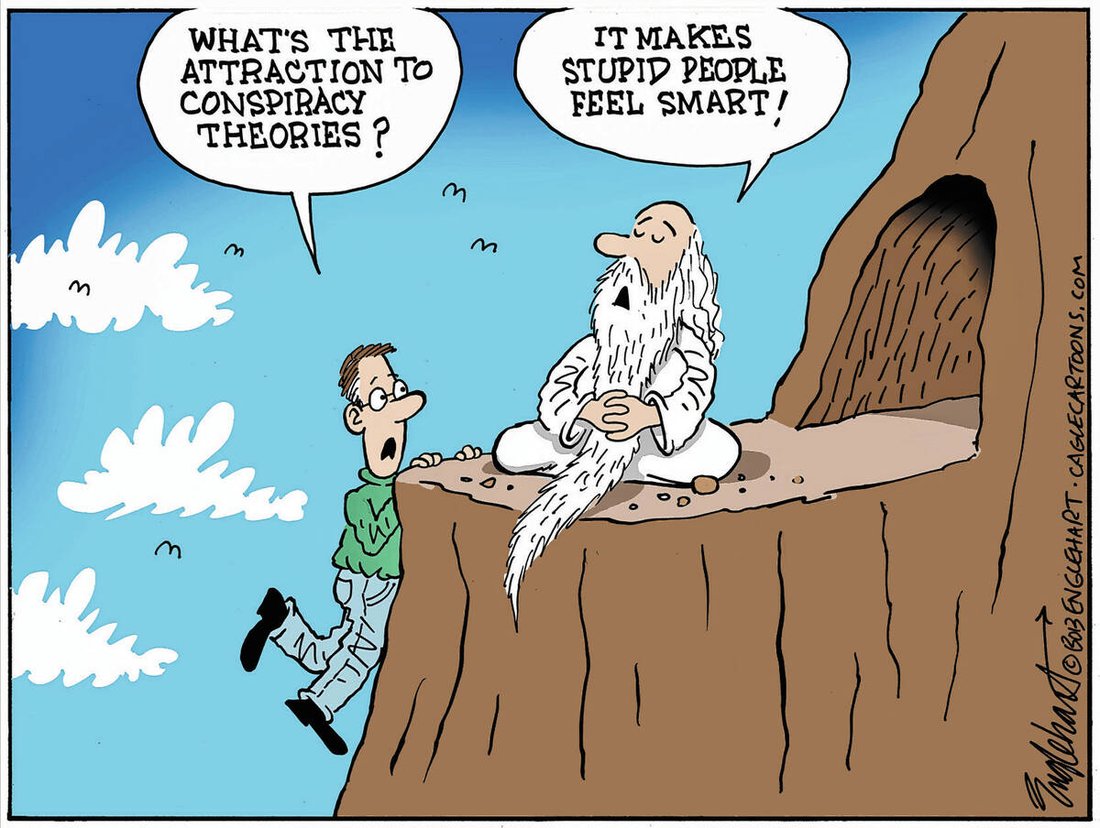
Why do we see Illuminati everywhere? Pareidolia—the tendency to perceive patterns in randomness—explains much. Like seeing faces in clouds, viewers impose symbols on cartoons’ stylized art. Confirmation bias follows: once primed, every triangle is suspect. Social media algorithms amplify, creating echo chambers. A 2018 study in Personality and Individual Differences linked conspiracy belief to low analytics thinking.
Culturally, cartoons reflect society. Pyramids symbolize power universally; eyes denote surveillance in a CCTV world. Creators borrow for humor or homage, not allegiance. Disney’s “It’s a Small World” ride features global unity, co-opted as NWO propaganda. Professional animators deny intent—e.g., Simpsons’ Al Jean calls it “flattering paranoia.”
Impact? Harmless fun for most, but erodes trust. Post-2016, “fake news” parallels fuel real divisions. Parents worry subliminals affect kids, despite FCC regulations.
Debunking Key Claims: Evidence vs. Speculation

| Cartoon | Claimed Symbol | Debunk |
|———|—————|——–|
| Simpsons | Homer pyramid mouth | Exaggerated anatomy for exaggeration |
| SpongeBob | Body pores as pyramid | Sponge biology |
| Mickey | Glove triangles | Standard Mickey design since 1929 |
| Adventure Time | Lich eye | Villain trope |
Frame analyses often use slowed footage, ignoring animation loops. Numbers like 666? Production artifacts. No whistleblowers or leaks from studios corroborate control.
Conclusion: Myth or Hidden Truth?
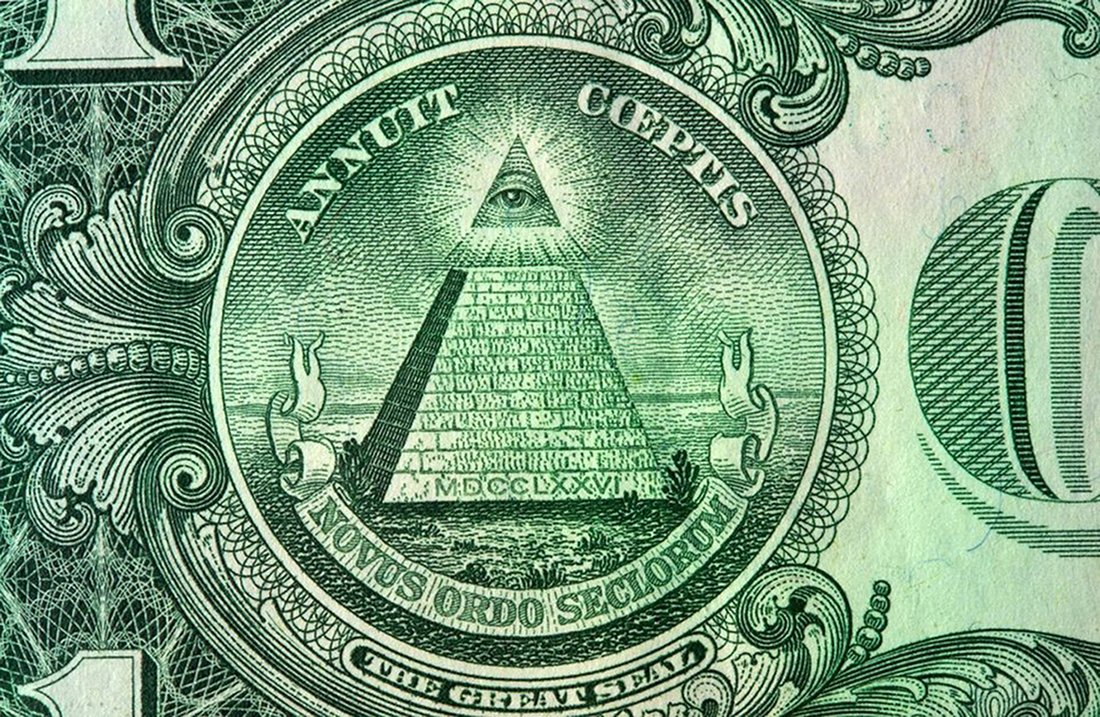
Illuminati symbols in cartoons conspiracy theories thrive on visual abundance and human pattern-seeking, not evidence. While entertaining, they distract from real issues like media consolidation. Approach with skepticism: enjoy cartoons for laughs, not omens. For deeper dives, explore animation history sans tinfoil. (Word count: 1,248)