
The Lost City That Defied Time: Secrets of Göbekli Tepe Exposed
Unearthing the Impossible
Imagine stumbling upon a site that flips everything you thought you knew about human civilization upside down. That’s exactly what happened in 1994 when German archaeologist Klaus Schmidt gazed at a mound in southeastern Turkey called Göbekli Tepe. What looked like a hill was actually the roof of a buried complex of massive stone circles, some 12,000 years old. Yeah, you read that right—older than the Egyptian pyramids, Stonehenge, and pretty much every ancient wonder we idolize. This isn’t some lost city in the Hollywood sense, but a monumental temple complex built by hunter-gatherers who somehow hauled 16-ton T-shaped pillars into place without metal tools, wheels, or even settled farms. Mind-blowing, huh? Let’s dive into the secrets that have archaeologists and history buffs losing sleep.
The Jaw-Dropping Architecture
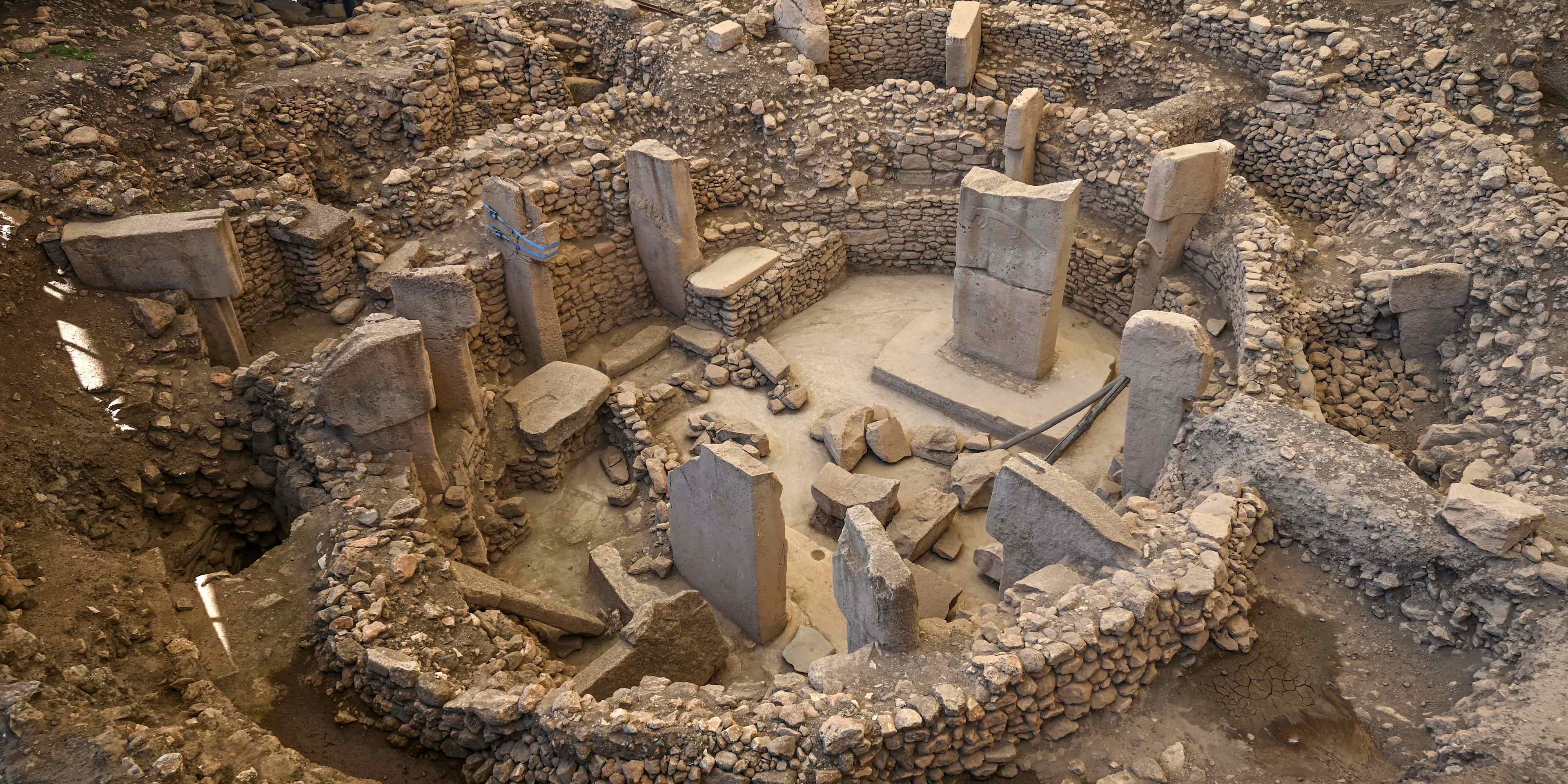
Picture this: enormous limestone pillars, up to 20 feet tall and weighing as much as six tons each, arranged in at least 20 circular enclosures. Each circle is about 10-30 meters across, with the pillars forming the walls and smaller stones filling the gaps. The T-shaped pillars are the stars—carved with intricate reliefs of foxes, lions, boars, birds, scorpions, and even abstract symbols that look like H’s or belts. Some have arms and hands etched in, suggesting they represent stylized humans. No mortar, no writing, just pure prehistoric engineering.
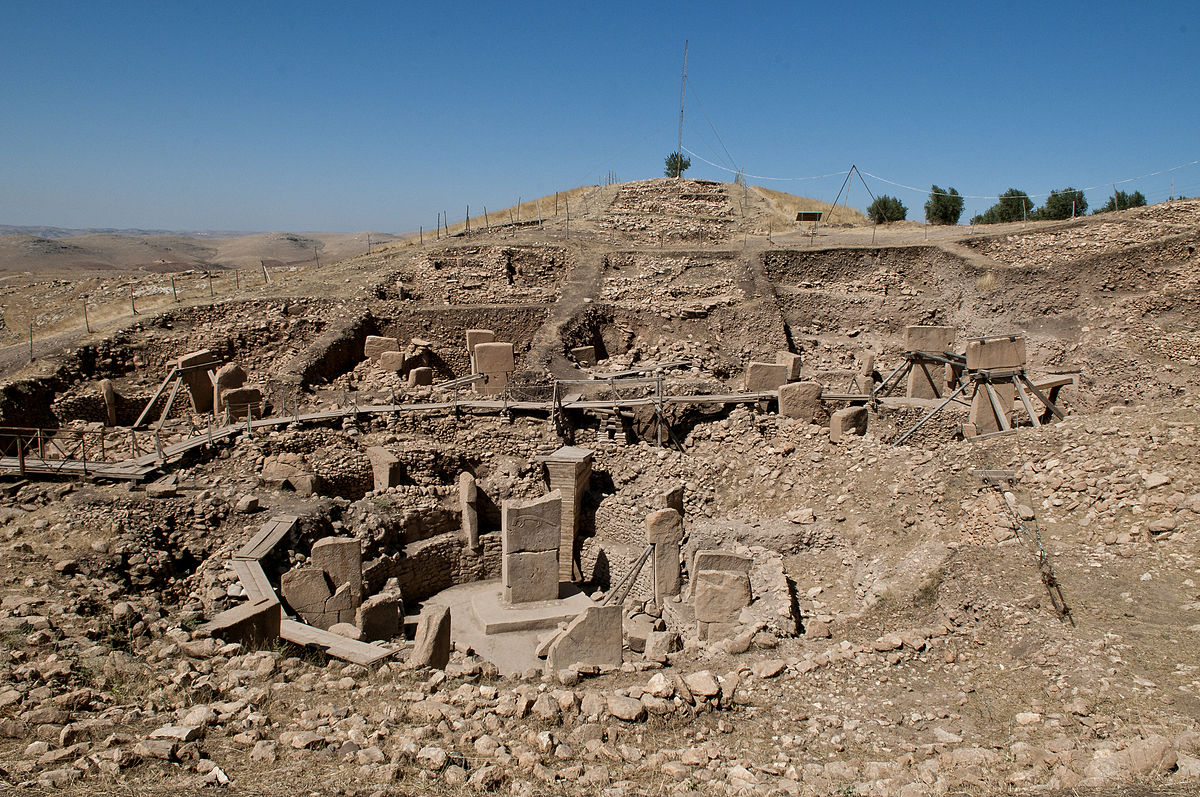
Excavations have uncovered four main enclosures so far, but ground-penetrating radar hints at 16 more waiting underground. The whole site was deliberately buried under tons of dirt and rubble around 8,000 BCE, as if someone wanted to hide it from time itself. Why? That’s one of the biggest enigmas. Klaus Schmidt called it “the world’s first temple,” arguing it was a ritual center that drew people from miles around. No signs of homes or trash heaps—just altars, benches, and those eerie carvings. It’s like stumbling into a cosmic Stonehenge on steroids.
Rewriting the Story of Civilization
Here’s where Göbekli Tepe punches history in the gut. We were taught that hunter-gatherers were simple nomads who only built complex societies after inventing agriculture around 10,000 years ago. Göbekli Tepe says, “Hold my beer.” Dated to 9,600 BCE— smack in the Pre-Pottery Neolithic— it proves organized groups of foragers could muster hundreds of people for massive projects. Feeding that workforce? Wild game and plants, no domesticated wheat in sight.
This flips the script: maybe religion or ritual, not farming, sparked the Neolithic Revolution. Did shamans or priests unite clans here for feasts and ceremonies, planting the seeds (pun intended) for settled life? Evidence from nearby sites shows wheat domestication happening soon after, possibly inspired by these gatherings. It’s like Göbekli Tepe was the ancient world’s Burning Man, kickstarting civilization. And get this—it’s at the tail end of the Ice Age, right as the Younger Dryas cold snap hit. Some wild theories link it to comet impacts causing climate chaos, with carvings depicting fragmented skies. Coincidence? You tell me.
Cracking the Carvings’ Code
Those pillars aren’t just pretty rocks; they’re a prehistoric picture book. Foxes chase birds, snakes coil around limbs, vultures carry headless bodies—symbolism screaming ritual violence or death cults. Human skulls found on the site, some with cut marks, suggest excarnation (defleshing for ancestors) or trophy-taking. One pillar even shows a net, hinting at hunting magic or communal hunts.
Astronomy buffs point to alignments: pillars tracking the rising sun at summer solstice or constellations like Scorpio. Recent studies by engineers like Andrew Collins suggest the enclosures mimic the night sky around 10,900 BCE, complete with a “vulture stone” possibly recording a comet swarm. Skeptics say it’s pareidolia, but the precision is uncanny. No pottery, no metal—just stone tools and obsidian imports from 300 miles away. Trade networks? Check. Social hierarchy? Those big pillars in the center scream “chief’s throne.”
And the people? DNA from nearby burials shows a mix of local Anatolians and migrants from the Levant and Caucasus. They weren’t primitives; they had art, symbolism, and maybe even proto-writing in those abstract symbols. V. Gordon Childe’s “Neolithic package” just got a massive upgrade.
Theories That’ll Blow Your Mind
So, what was this place? Temple? Yeah, probably—no domestic vibes here. Schmidt thought it was ground zero for organized religion, pulling nomads together and leading to farming so they could keep the parties going. Others say it was a skull cult center, with those modified crania pointing to ancestor worship. Or a response to catastrophe, a “doomsday ark” preserving knowledge post-Ice Age meltdown.
Graham Hancock fans (guilty!) love the idea of Göbekli Tepe as Ice Age wisdom from a lost civilization, but evidence points to local hunter-gatherers leveling up. Critics argue it’s overhypped—not a city, just a fancy picnic spot. But with 5% excavated, who’s to say? New digs by the Turkish team are revealing frescoes, statues, and even beer-brewing vats from wild grains. Feasts galore!
Guarding the Secrets for Tomorrow
Today, Göbekli Tepe is a UNESCO site, protected by a funky canopy to shield it from rain. Excavations continue, with Lee Clare leading the charge since Schmidt’s death in 2014. Drones, LiDAR, and AI are mapping the unseen enclosures—could there be a central plaza or towers? Climate change threatens it, but tourism booms, bringing funds and awareness.
Visiting feels otherworldly: standing amid those pillars at sunset, you sense the echoes of chants and drums from 12 millennia ago. It challenges us: what else have we buried and forgotten? Göbekli Tepe isn’t just ruins; it’s a time machine whispering that our ancestors were way smarter than we give them credit for. Next time someone says “cavemen were dumb,” show ’em this. The secrets keep unfolding, and we’re just getting started.