
10 Cybersecurity Hacks That Will Shock Even Experts
Hey there, cyber warriors and curious minds! If you’re knee-deep in firewalls, encryption, and threat hunting like I am, you probably think you’ve seen it all. But trust me, even the pros get blindsided. Today, I’m diving into 10 cybersecurity hacks so sneaky and brilliant, they’ll make your jaw drop. These aren’t your grandma’s phishing scams—these are next-level moves that exploit human psychology, forgotten tech, and cutting-edge tricks. Let’s jump in and arm ourselves before the bad guys do.
1. The Clipboard Crypto Heist
Picture this: You’re about to send Bitcoin to a friend. You copy their wallet address—bam, malware swaps it out with the attacker’s in milliseconds. No keystrokes, no pop-ups, just silent clipboard hijacking. Tools like CryptoShuffler have been doing this since 2017, nabbing millions. Experts shock: Even air-gapped machines fall if you paste from a compromised USB. Pro tip: Always verify the first and last characters manually. Mind blown yet?
2. Evil Twin WiFi on Steroids
Free airport WiFi? It’s probably an “evil twin”—a rogue access point mimicking the real one. But hackers amp it up with Karma attacks, where devices auto-connect to any open network named like your fave coffee shop. Once hooked, they ARP spoof and snoop all traffic. Shocker for experts: Modern WPA3? Still vulnerable to downgrade attacks forcing older protocols. I’ve seen enterprise networks pwned this way. Scan SSIDs religiously, folks!
3. SIM Swap Shenanigans
Your phone’s your second brain—2FA, banking, emails. Hackers sweet-talk carriers into porting your number to their SIM. Boom, they reset every password. In 2023, celebs like Michael Saylor lost fortunes. Expert twist: Social engineering scripts use leaked data from breaches to impersonate you perfectly. Carriers are wising up with PINs, but guess what? Many don’t enforce them. Lock it down with a carrier PIN yesterday.
4. The $5 Wrench Attack
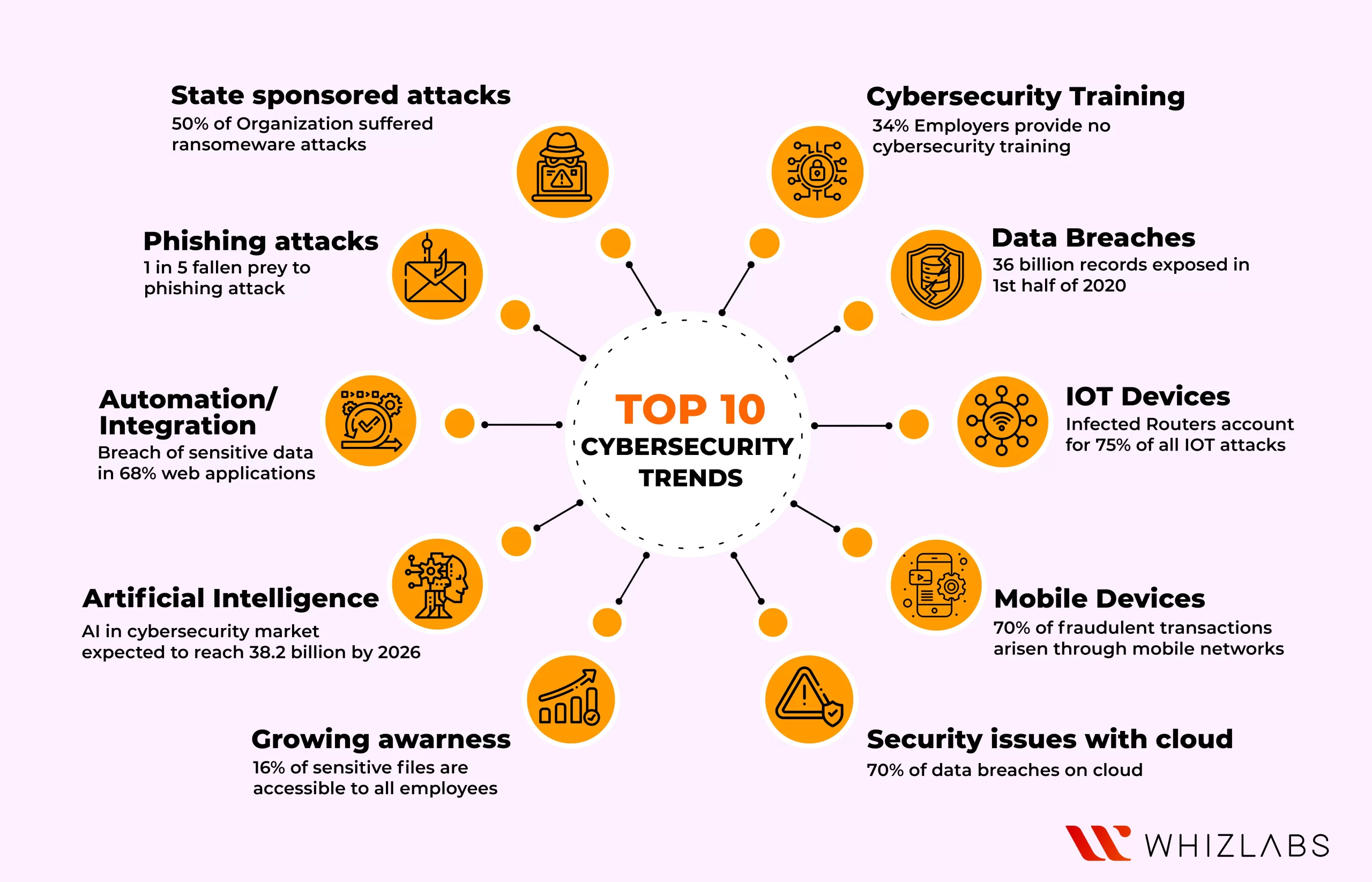
Forget cracking AES-256; hand the attacker a wrench and five bucks. “Rubber-hose cryptanalysis” means beating the key out of you. Bruce Schneier coined it, but real-world? North Korea’s Lazarus group allegedly does this. Shocking stat: 95% of breaches involve human error or access. Experts know: Multi-factor helps, but physical security trumps all. Secure your hardware like Fort Knox.
5. Quishing: QR Code Phishing
QR codes are everywhere—menus, ads, payments. Scan one? It could lead to a fake site stealing creds. Quishing exploded post-pandemic, with 20x growth in 2022. Hack twist: Embedded payloads in images bypass email filters. Pros gasp: Mobile AV lags here; Android’s worse. Always long-press QR codes to preview URLs. Sneaky, right?
6. Fake Update Nightmares
Browser says “Update now!” You click—malware city. Drive-by downloads via malvertising hit Chrome and Firefox extensions. Expert shocker: Zero-days in auto-updaters let attackers push payloads signed with stolen certs. Remember the 2020 Chrome extension scam stealing 4.6 million logins? Disable auto-updates? Nah, that’s riskier. Vet sources like a hawk.
7. Shadow IT Shadows
Employees love Dropbox, Slack alternatives—boom, shadow IT. 80% of orgs have it, per Gartner. Hackers scan for these rogue clouds, phish insiders, exfil data. Twist for vets: These bypass DLP, and SaaS misconfigs leak buckets (think Capital One breach). Tools like Shodan find them easy. Audit your network; enforce CASB now.
8. Adversarial AI Foolery
AI security cams? Feed ’em perturbed images—stickers on stop signs fool Tesla Autopilot. Hackers craft “adversarial examples” evading ML detectors. Shocker: Even top antivirus like CrowdStrike falters against AI-generated malware. 2024 saw polymorphic viruses mutating in real-time. Future-proof: Hybrid AI-human oversight. Wild west incoming!
9. Supply Chain Sneak Attacks
SolarWinds 2020: Russians hid in legit updates, hitting 18k orgs including nukes. NotPetya via Ukrainian accounting software? $10B damage. Expert jaw-drop: Third-party deps in npm, PyPI riddled with typosquats—fake packages with backdoors. Sonatype blocks millions yearly. Vet vendors ruthlessly; SBOMs are your friend.
10. Legacy Protocol Ghosts
Still running SMBv1? EternalBlue (WannaCry) laughs. But shocker: IoT boom means millions of devices on Telnet (no encryption!). Shodan shows 500k+ exposed. Hack: Botnets like Mirai pwn them for DDoS. Experts forget: Printers, VoIP—patch or air-gap. Run Nmap audits; kill the ghosts.
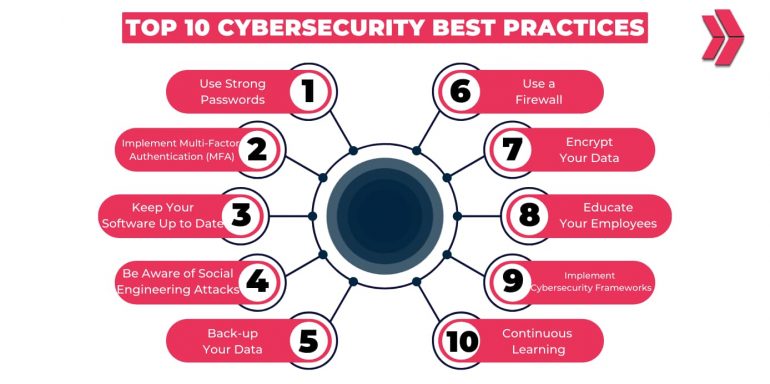
Whew, there you have it—10 hacks that keep even CISSPs up at night. Cybersecurity’s an arms race; stay vigilant, update obsessively, and train your humans. Share your wildest breach stories below—what shocked you most? Drop a comment, hit like, and subscribe for more. Stay safe out there!