
10 Classic Books That Predicted Our World’s Chaos – And How They Guide Us Today
In an era marked by political polarization, technological overreach, environmental crises, and social unrest, it’s striking how many classic books foresaw these turbulences decades or even centuries ago. These prophetic works not only mirrored the anxieties of their time but also offer timeless wisdom for navigating today’s chaos. By examining 10 such books, we uncover their eerily accurate predictions and the practical guidance they provide for modern life, from safeguarding truth to fostering resilience.

1. Nineteen Eighty-Four by George Orwell: Surveillance and the Erosion of Truth
Published in 1949, George Orwell’s Nineteen Eighty-Four depicted a totalitarian regime wielding constant surveillance through telescreens and rewriting history via “doublethink.” Today, this resonates with widespread data tracking by governments and corporations, alongside the spread of misinformation on social media. The novel guides us by emphasizing vigilance against propaganda—critical thinking and fact-checking are essential tools to preserve personal freedom and collective truth in our hyper-connected world.
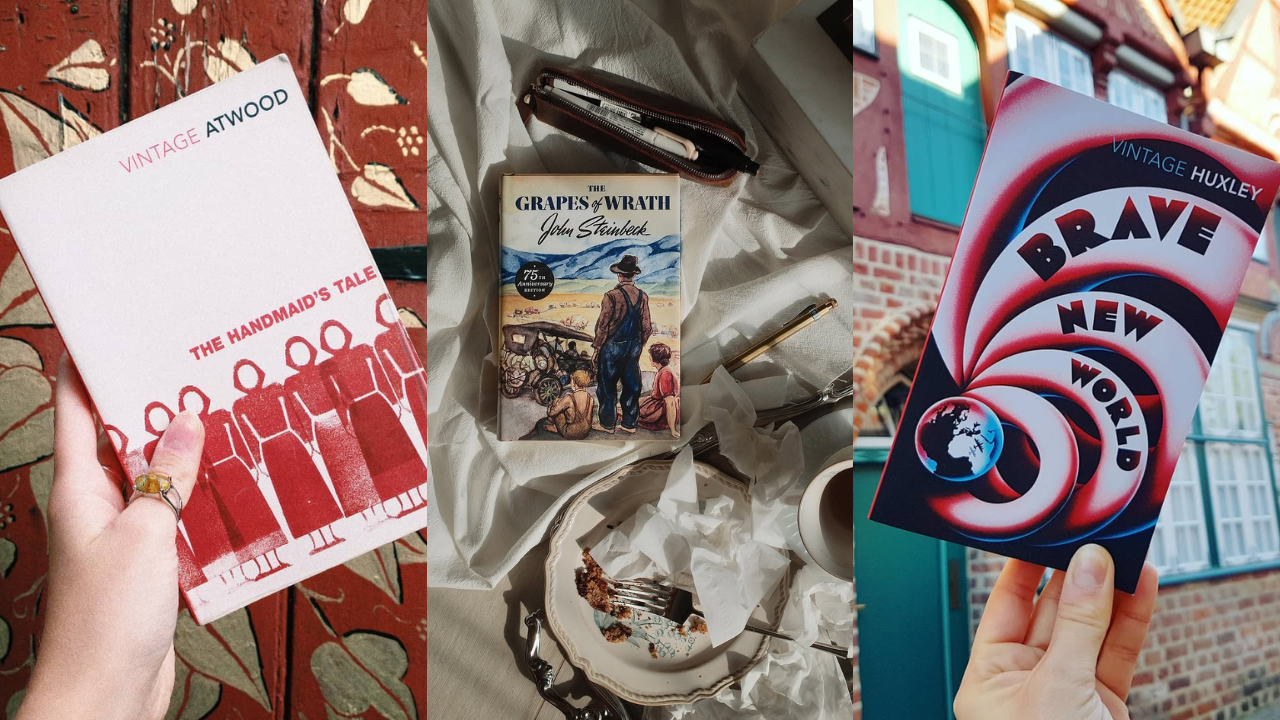
2. Brave New World by Aldous Huxley: Consumerism and Loss of Individuality
Aldous Huxley’s 1932 dystopia portrayed a society pacified by endless entertainment, genetic engineering, and material excess, where deep emotions and independent thought are obsolete. Echoing our streaming binges, influencer culture, and algorithmic personalization, it predicts the numbing effect of constant distraction. Huxley’s lesson? Cultivate meaningful relationships and pursue intellectual depth to reclaim authenticity amid superficial digital lives.

3. Fahrenheit 451 by Ray Bradbury: Censorship in the Age of Information Overload
Ray Bradbury’s 1953 novel envisions firemen burning books to suppress dissent, with citizens addicted to interactive wallscreens. This mirrors modern debates over content moderation, cancel culture, and the decline in deep reading amid short-form videos. Bradbury urges us to protect free expression and literacy—regular reading builds empathy and resistance against shallow media consumption.
4. Animal Farm by George Orwell: The Rise of Corrupt Leadership
Orwell’s 1945 allegory of farm animals overthrowing humans only to face pig-led tyranny satirizes revolutions gone awry. It eerily predicts populist leaders exploiting power, much like recent political scandals and institutional distrust. The guidance is clear: stay engaged in civic duties, question authority, and uphold egalitarian principles to prevent history’s repetitive cycles.
5. Lord of the Flies by William Golding: Societal Breakdown and Human Nature
William Golding’s 1954 tale of shipwrecked boys descending into savagery reveals civilization’s fragility. Paralleling riots, online mob behavior, and post-disaster lawlessness, it highlights innate impulses unchecked by structure. Golding teaches the value of moral education, cooperation, and leadership to rebuild order—vital for communities facing division today.
6. The Trial by Franz Kafka: Bureaucratic Absurdity and Injustice
Franz Kafka’s 1925 novel follows Josef K., arrested without explanation in a labyrinthine legal system. This foreshadows endless red tape, opaque algorithms in justice tech, and arbitrary state actions. Kafka’s insight guides us to demand transparency, advocate for due process, and empathize with the powerless navigating systemic chaos.
7. Catch-22 by Joseph Heller: The Absurdity of Bureaucracy in Crisis
Joseph Heller’s 1961 satire on World War II pilots trapped by paradoxical rules captures endless loops of inefficiency. It predicts corporate red tape, pandemic policy flip-flops, and regulatory gridlock. Heller advises humor as coping mechanism, bold rule-breaking when ethical, and streamlined decision-making for progress in turbulent times.
8. It Can’t Happen Here by Sinclair Lewis: The Slide into Authoritarianism
Sinclair Lewis’s 1935 novel depicts a fascist takeover of America via charismatic demagogues. With echoes in rising nationalism and election interference, it warns of democracy’s vulnerabilities. Lewis’s counsel: active voting, media literacy, and cross-partisan dialogue to fortify institutions against internal threats.
9. We by Yevgeny Zamyatin: Totalitarian Control Through Technology
The 1920 Russian novel, a dystopian precursor, shows a glass-walled society under the Benefactor’s rule, with lives mathematized. It anticipates smart cities, AI surveillance, and quantified self-tracking. Zamyatin inspires resistance through creativity and privacy advocacy, reminding us technology serves humanity, not vice versa.
10. Silent Spring by Rachel Carson: Environmental Warnings Ignored
Rachel Carson’s 1962 non-fiction exposé on pesticides ravaging ecosystems predicted biodiversity loss and climate inaction. Today’s wildfires, species extinction, and pollution crises validate her foresight. Carson guides sustainable living—support eco-policies, reduce waste, and educate others to heal our planet before tipping points.
These 10 classics, spanning dystopias to cautionary tales, didn’t just predict chaos; they equipped us with antidotes: critical thinking, community, ethical tech use, and environmental stewardship. Rereading them today isn’t escapism—it’s preparation. In a world of uncertainty, their enduring lessons empower us to shape a more stable future. Dive into one this week and discover its relevance anew.