
Why Electric Cars Will Bankrupt Gas Stations by 2030: 9 Unstoppable Trends
The transition from internal combustion engine vehicles to electric cars (EVs) is accelerating faster than ever, poised to reshape the automotive landscape. By 2030, projections from BloombergNEF suggest EVs could claim over 50% of new car sales globally. This shift threatens the very existence of traditional gas stations, as charging networks expand and fuel demand plummets. Here are nine unstoppable trends driving this revolution.
1. Explosive Growth in EV Sales
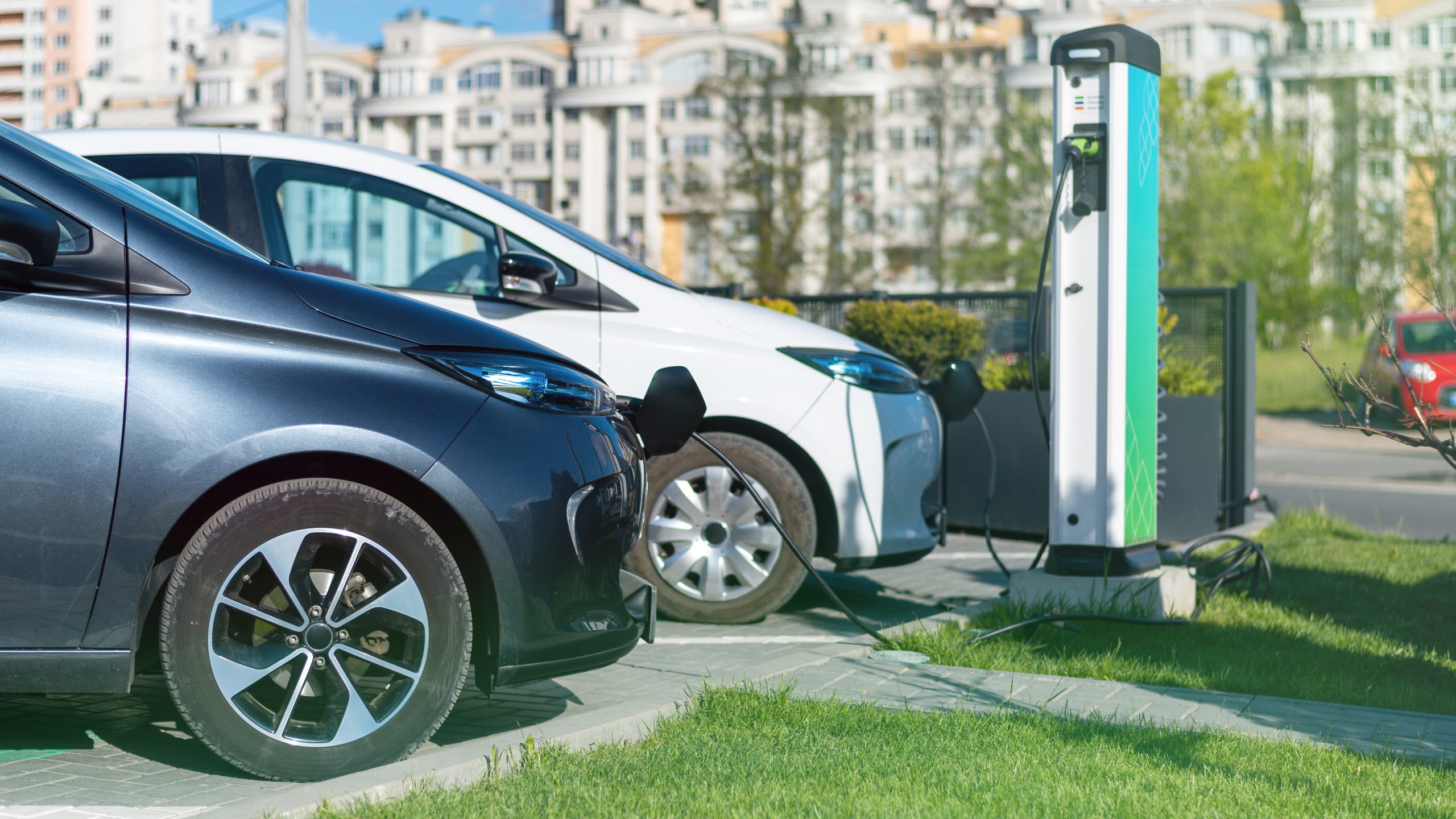
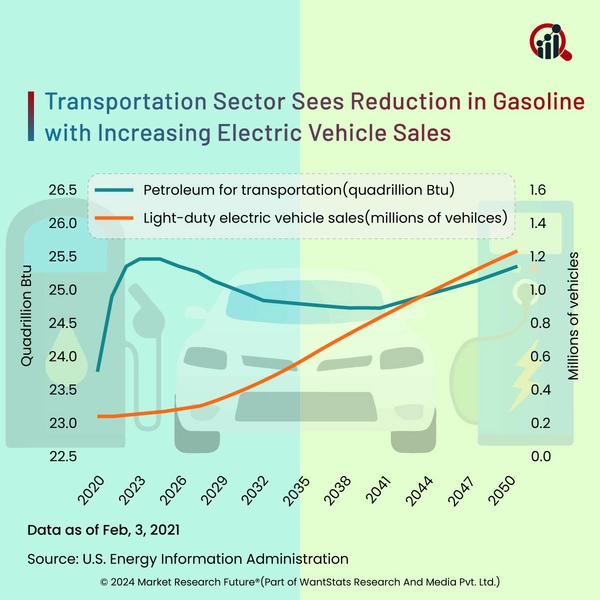
EV sales have surged, with global figures reaching 14 million units in 2023, up 35% from the previous year according to the International Energy Agency (IEA). Tesla alone delivered over 1.8 million vehicles in 2023. By 2030, McKinsey forecasts EVs will dominate 60% of passenger vehicle sales in Europe and China. As affordability improves, mass-market adoption will slash gasoline demand, leaving gas stations with idle pumps and mounting losses.
2. Plummeting Battery Costs
Battery prices have dropped 89% since 2010, now averaging $132 per kWh per BloombergNEF data. Economies of scale from gigafactories by Tesla, CATL, and Panasonic will push costs below $100/kWh by 2025. Cheaper batteries mean EVs priced competitively with gas cars, eroding the economic case for fuel-dependent vehicles. Gas stations, reliant on slim per-gallon margins, face revenue evaporation as fewer drivers pull in for fill-ups.
3. Government Mandates and Incentives
Nations worldwide are enforcing EV transitions. The EU aims for 100% zero-emission new car sales by 2035, while California’s ban on new gas car sales starts in 2035. U.S. federal tax credits up to $7,500, plus state rebates, make EVs irresistible. China’s subsidies propelled it to 60% EV market share in 2023. These policies will flood roads with EVs, starving gas stations of their core business by 2030.
4. Rapid Expansion of Charging Infrastructure
Charging stations are proliferating: Electrify America plans 800+ sites in the U.S., while Europe’s IONITY network grows apace. By 2030, the IEA predicts 40 million public chargers globally, outpacing gas stations in key urban areas. Home and workplace charging further reduces reliance on fuel stops. Gas stations scrambling to add chargers face high retrofit costs and competition from dedicated networks like Tesla Superchargers.
5. Breakthroughs in Battery Technology
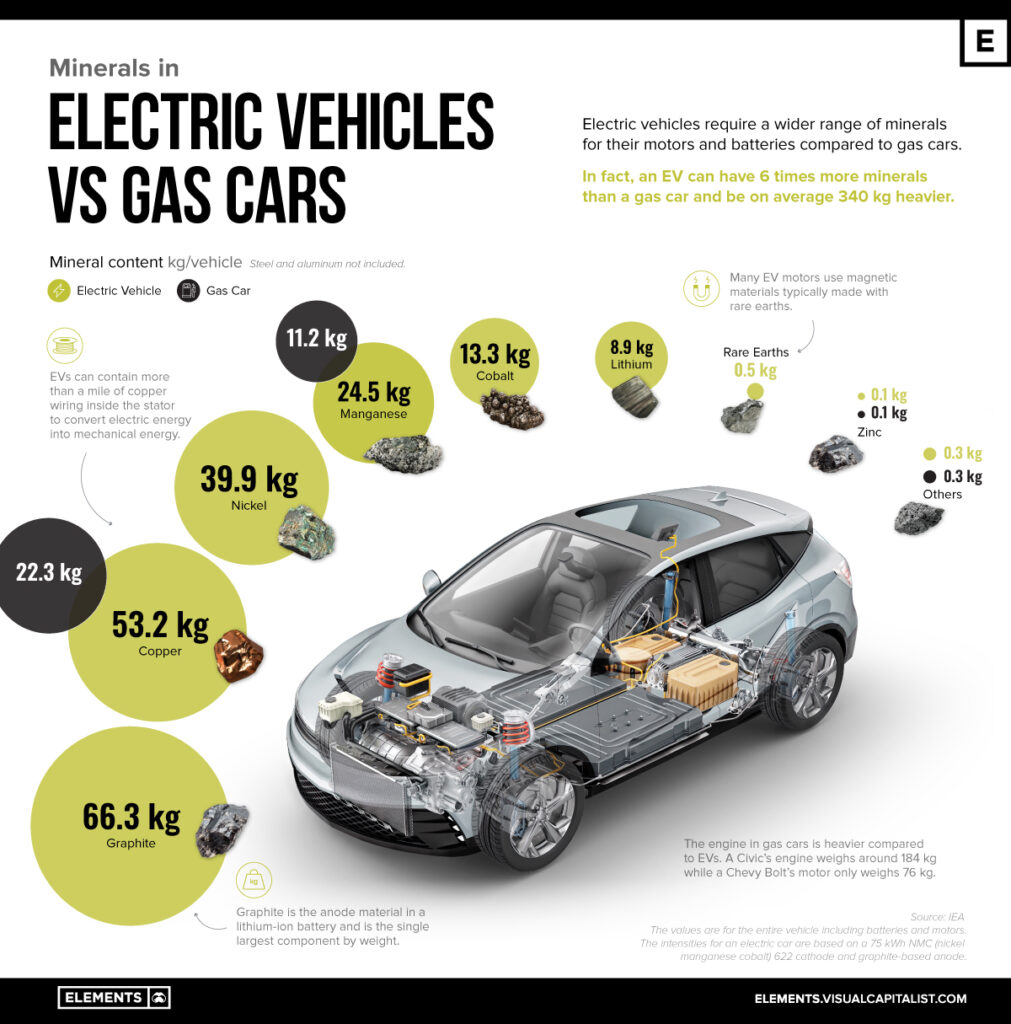
Solid-state batteries from Toyota and QuantumScape promise 1,000+ km range and 10-minute charges by late 2020s. Sodium-ion batteries, cheaper and resource-abundant, are entering production by BYD. These innovations eliminate range limitations, making EVs superior for long trips. Gas stations, optimized for quick 5-minute refuels, become obsolete as EV charging times shrink, with drivers opting for faster, ubiquitous alternatives.
6. Vanishing Range Anxiety
Once a barrier, range anxiety fades with models like the Lucid Air (836 km range) and Mercedes EQS (770 km). Real-world data from Geotab shows average EV daily mileage at 50 km, easily covered by overnight home charging. Apps like PlugShare and ABRP provide precise route planning. By 2030, with ranges exceeding 800 km standard, EVs will render gas station visits unnecessary for 95% of trips.
7. Corporate and Fleet Electrification
Fleets represent 40% of U.S. vehicles; companies like Amazon, UPS, and FedEx are electrifying thousands of vans. Walmart aims for 100% EV fleets by 2040, while Hertz rented 100,000 Teslas in 2021. Ride-hailing giants Uber and Lyft target zero-emission by 2030. Commercial EV adoption will crater urban fuel demand, hitting gas stations hardest where high-volume fleet refueling once sustained profits.
8. Integration of Autonomous Driving
Autonomous EVs from Waymo and Cruise are scaling robotaxi fleets, with Tesla’s Full Self-Driving poised for widespread use. Shared autonomous EVs reduce total vehicle numbers by 80%, per ARK Invest, minimizing parking and fueling needs. Robotaxis charge at depots, bypassing retail gas stations entirely. This trend accelerates EV dominance, projecting gas demand to fall 70% by 2030 in major markets.
9. Economic Superiority and Consumer Shift
EVs cost $0.04 per km to operate versus $0.12 for gas cars (U.S. DOE data), with maintenance savings of 50%. Total ownership costs for EVs already undercut gas vehicles after five years. Younger demographics prioritize sustainability; 70% of Gen Z prefer EVs per Deloitte surveys. Insurance and resale values favor EVs too. This financial and cultural pivot ensures gas stations’ customer base dwindles to relic status by 2030.
In summary, these trends—fueled by technology, policy, and economics—signal the end for gas stations as we know them. Many will pivot to charging hubs, convenience stores, or close entirely. Investors and stakeholders must adapt now to the EV era, where electric mobility reigns supreme.