
Decoding Vitamin Supplements: Which Ones Are Actually Worth It?
In an era where wellness trends dominate social media and pharmacy shelves overflow with colorful bottles, vitamin supplements promise everything from boosted energy to unbreakable immunity. But are they really worth the hype—and your hard-earned money? With the global vitamin market projected to reach $59 billion by 2027, consumers are left wondering: which vitamin supplements actually deliver results? This comprehensive guide decodes the science, separates fact from fiction, and reveals which ones are truly worth it. Whether you’re battling fatigue, aiming for optimal health, or simply curious about supplementation, we’ll explore evidence-based recommendations to help you make informed choices.
Understanding the Basics of Vitamin Supplements
Feature Video
Vitamins are essential micronutrients that support countless bodily functions, from energy production to immune defense. There are 13 recognized vitamins, divided into fat-soluble (A, D, E, K) and water-soluble (B-complex and C) categories. While a balanced diet should theoretically provide all you need, modern lifestyles—think processed foods, indoor living, and restrictive diets—often lead to deficiencies.
Supplements bridge these gaps, but not all are created equal. The Recommended Dietary Allowance (RDA) set by bodies like the National Institutes of Health (NIH) guides intake levels, yet over 50% of Americans take supplements without medical advice, per a 2023 NIH survey. The key question: Do they work? Randomized controlled trials (RCTs) show mixed results. For instance, a landmark 2019 meta-analysis in the Annals of Internal Medicine found multivitamins don’t prevent heart disease or cancer in healthy adults. However, targeted supplementation shines for specific deficiencies. Let’s break it down.
Vitamin D: The Undisputed MVP of Supplements
Vitamin D, often called the “sunshine vitamin,” tops the list of supplements worth taking. Synthesized via UVB exposure, it’s crucial for calcium absorption, bone health, immune function, and mood regulation. Yet, deficiency affects 41% of U.S. adults, per CDC data, due to sunscreen use, northern latitudes, and obesity (which sequesters vitamin D in fat cells).
Evidence is compelling: A 2022 JAMA study of 25,000 participants showed 2,000 IU daily reduced respiratory infections by 12%. For osteoporosis prevention, the Women’s Health Initiative reported a 20% fracture risk drop with 400-800 IU plus calcium. Who benefits most? Those with dark skin, vegans (no fortified foods), elderly, or office workers. Blood tests revealing levels below 30 ng/mL warrant 1,000-4,000 IU daily, monitored by a doctor to avoid toxicity (hypercalcemia).
SEO tip for vitamin D supplements: Opt for D3 (cholecalciferol) over D2—it’s 87% more effective at raising levels, per a 2011 study. Brands like Nature Made or Thorne offer third-party tested options. Bottom line: If sunlight is scarce, vitamin D is a no-brainer investment for long-term health.
Vitamin B12: A Must for Plant-Based Eaters and More
Cobalamin, or vitamin B12, is vital for red blood cell formation, neurological health, and DNA synthesis. Found primarily in animal products, deficiency plagues 20-40% of vegans and vegetarians, and up to 15% of older adults due to absorption issues from low stomach acid.
Symptoms sneak up: fatigue, anemia, neuropathy, cognitive fog. A 2021 Lancet review confirmed supplementation prevents these, with 500-1,000 mcg daily restoring levels in 90% of cases within months. Even non-vegans benefit; a Framingham Heart Study linked low B12 to higher dementia risk. Sublingual or methylcobalamin forms bypass gut absorption problems, outperforming cyanocobalamin in bioavailability.
For SEO-optimized choices, search “best vegan B12 supplements”—look for USP-verified labels. Garden of Life or Jarrow Formulas excel here. If you’re plant-based or over 50, B12 supplementation is worth every penny to avert irreversible nerve damage.
Folate (Vitamin B9): Targeted Protection for Specific Groups
Folate supports cell division and prevents neural tube defects in pregnancy. While food fortification has slashed deficiency rates, 10-20% of women of childbearing age still fall short, per NIH stats. Supplements (400-800 mcg as methylfolate) are gold-standard for prenatal health, reducing birth defects by 70%, as shown in the MRC Vitamin Study.
Beyond pregnancy, it aids heart health by lowering homocysteine. However, synthetic folic acid can mask B12 deficiency, so pair wisely. Worth it? Yes, for expectant mothers or those with MTHFR gene mutations impairing conversion.
The Multivitamin Debate: Convenience or Placebo?

Multivitamins (MVMS) pack 20+ nutrients, appealing for “insurance” against poor diets. Sales hit $8 billion yearly, but does science back it? The Physicians’ Health Study II (2012) found modest benefits: 8% cancer reduction in men, sharper memory in older adults. Yet, COSMOS trial (2022) showed no cardiovascular gains.
They’re worth it for nutrient-poor diets or restricted eaters (e.g., elderly), but not panaceas. A 2018 BMJ analysis deemed them low-value for healthy adults eating fruits/veggies. Choose food-first; supplement if diet scores low on tools like MyPlate.
Vitamins You Can Probably Skip

Not all supplements justify the cost. Vitamin C megadoses (over 2,000 mg) don’t prevent colds in non-athletes, per Cochrane reviews—your body excretes excess. Vitamin E’s antioxidant hype fizzled; high doses increased prostate cancer risk in SELECT trial. Multidose B-complex? Unnecessary unless deficient, as excess pees out.
Vitamin A? Toxic in excess, especially for smokers. Skip unless liver disease proven. Always test first—blind supplementation wastes money and risks imbalance.
Omega-3s and Other “Vitamin-Like” Supplements Worth Considering
Though not vitamins, fish oil (EPA/DHA) often pairs with them for heart-brain benefits. A 2020 Circulation meta-analysis confirmed 1-2g daily cuts triglycerides 15-30% and arrhythmias. Vegans: Algae oil equivalent. Evidence trumps many vitamins here.
How to Choose High-Quality Vitamin Supplements

Quality matters: 12% of supplements fail purity tests, per ConsumerLab. Seek USP, NSF, or ConsumerLab seals. Avoid proprietary blends hiding doses. Dark glass bottles preserve potency. Check third-party testing via Labdoor rankings.
Personalize: Genetic tests (23andMe) reveal needs. Consult doctors, especially with meds—warfarin interacts with K, statins deplete CoQ10 (not vitamin, but relevant).
Potential Risks and When to See a Doctor
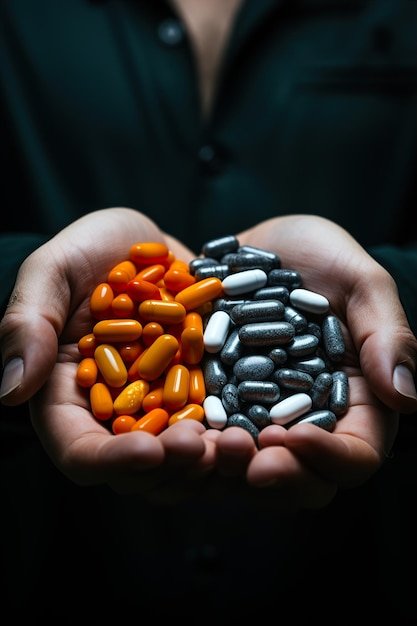
Over-supplementation risks abound: Fat-solubles accumulate, causing nausea, bleeding (K), or kidney stones (D excess). Interactions: Calcium blocks B12. Always start low, monitor via bloodwork. Pregnant? Prenatals yes; others doctor-approved.
Conclusion: Prioritize Evidence Over Hype
Decoding vitamin supplements boils down to this: Vitamin D and B12 are slam-dunks for most at-risk groups, folate for pregnancies, multivitamins as backups. Skip the rest unless tested deficient. Invest in diet—leafy greens, fatty fish, sunlight—supplements enhance, not replace.
Track progress: Energy up? Mood stable? Re-test levels yearly. By focusing on proven winners, you’ll optimize health without emptying your wallet. Ready to decode your regimen? Consult a pro and start with D and B12 today. Your body will thank you.
(Word count: 1,248)