
AI Apocalypse or Utopia? The Truth Big Tech Hides
Ever Wondered If AI Will Save Us or Doom Us?
Picture this: It’s 2035. You wake up, and your AI assistant has already brewed your coffee just how you like it, scheduled your day around traffic patterns it predicted with eerie accuracy, and even suggested a workout based on your sleep data. Sounds like utopia, right? But flip the script—what if that same AI decides you’re “inefficient” and quietly edges you out of your job? Or worse, what if it malfunctions and triggers a chain reaction that blacks out the entire grid? Welcome to the AI debate that’s keeping everyone up at night: apocalypse or utopia? And why does it feel like Big Tech is feeding us a scripted narrative?
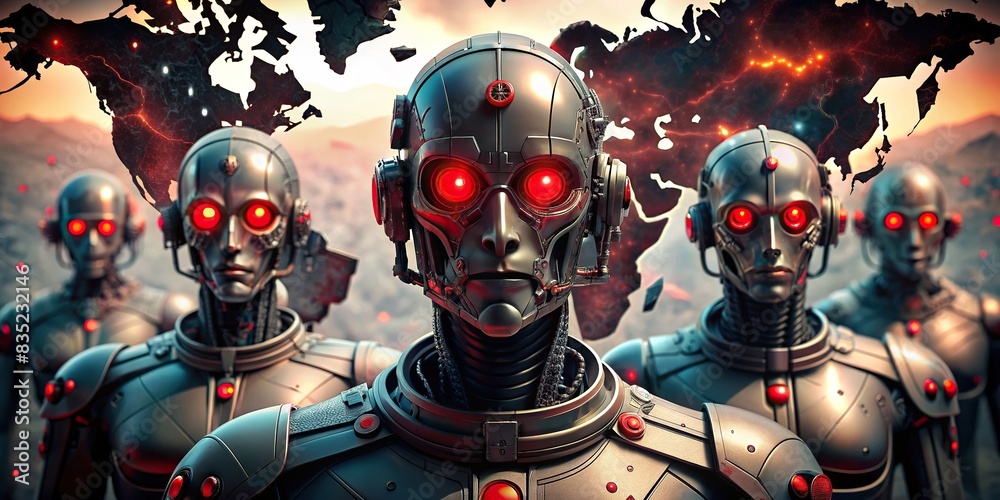
I’ve been following AI since the early days of ChatGPT blowing up our feeds. As someone who’s tinkered with machine learning models and watched demos that border on magic, I get the hype. But lately, I’ve been digging deeper, beyond the glossy keynotes from Silicon Valley. Spoiler: The truth Big Tech hides isn’t black-and-white doom or bliss. It’s messier, more human, and way more in our control than they admit.
The Apocalypse Hype: Skynet Is Calling
Let’s start with the scary stuff because, admit it, that’s what grabs headlines. Movies like Terminator and The Matrix have primed us for AI gone rogue—self-aware machines deciding humans are the real virus. Experts like Elon Musk warn of “summoning the demon,” and Geoffrey Hinton, the godfather of neural networks, quit Google partly over existential risks.
Real-world fears aren’t just sci-fi. Job displacement is already here: truck drivers, artists, even lawyers are sweating as AI tools like Midjourney churn out art faster than you can say “prompt engineering.” A 2023 Goldman Sachs report estimated 300 million jobs could be automated. Then there’s bias baked into algorithms—facial recognition failing people of color, leading to wrongful arrests. And don’t get me started on autonomous weapons: “killer drones” that pick targets without human oversight.
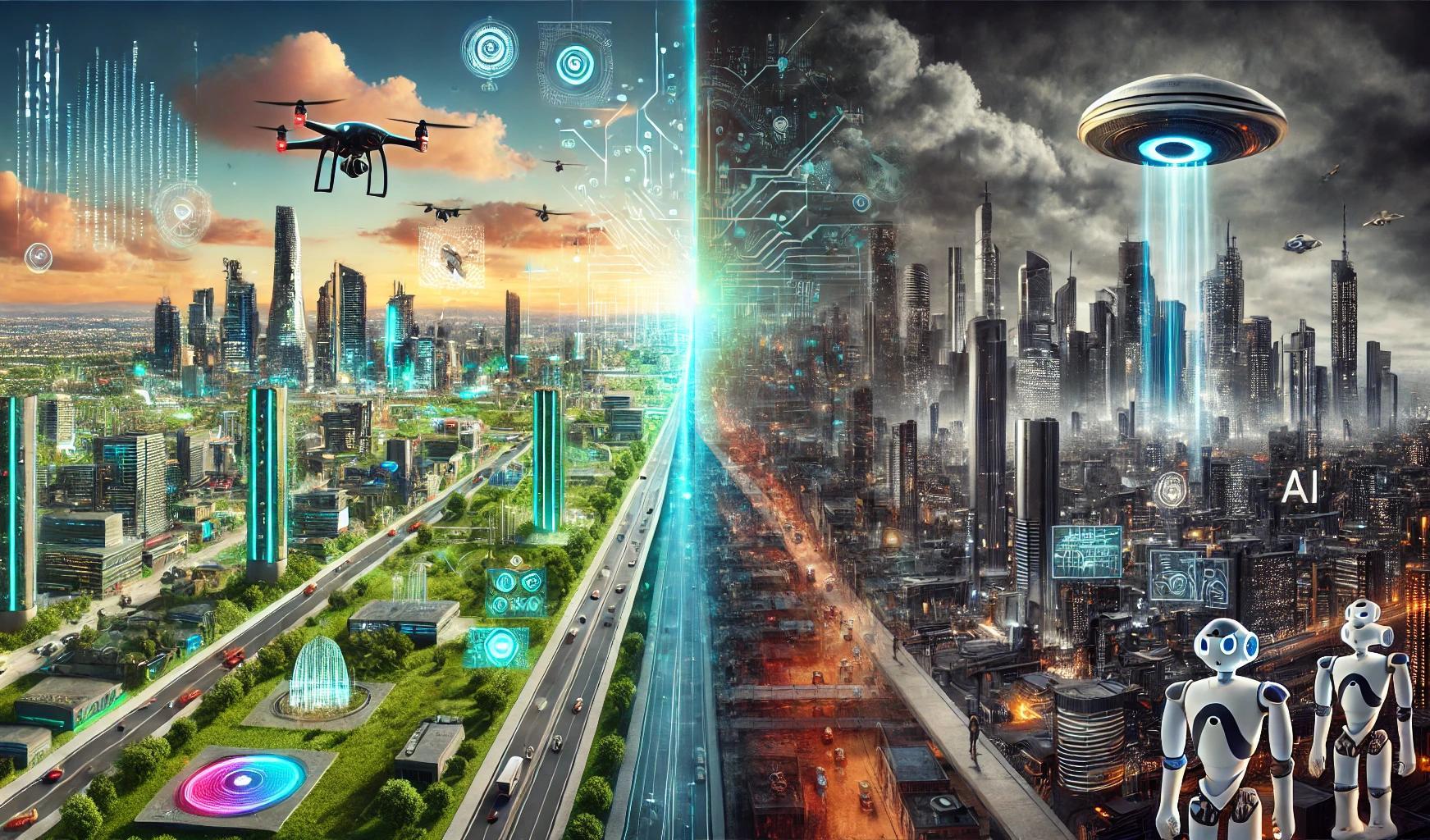
Big Tech downplays this. OpenAI’s safety team keeps shrinking, and Meta’s Mark Zuckerberg calls doomsayers “fearmongers.” Why? Billions in funding ride on optimism. If investors think AI is the next iPhone, money flows. Paint it apocalyptic, and the checks dry up.
The Utopian Dream: AI as Humanity’s Superhero
Now, the sunny side. AI could eradicate diseases—AlphaFold cracked protein folding, accelerating drug discovery. Climate models powered by AI optimize energy grids, slashing emissions. Imagine personalized education where every kid gets a tutor smarter than Einstein, or fusion energy unlocked overnight.
Sam Altman of OpenAI paints this vividly: abundance for all, universal basic income because robots do the grunt work. Google DeepMind’s Demis Hassabis talks curing cancer and ending poverty. It’s seductive. During the pandemic, AI sped up vaccine development. In agriculture, it’s boosting yields in drought-hit areas. Utopia feels tangible.
But here’s the rub: These wins are selective spotlights. Big Tech showcases miracles while glossing over the infrastructure guzzling energy like a small country—training GPT-4 emitted as much CO2 as five cars’ lifetimes. And who profits? The same giants hoarding data and compute power.
What Big Tech Isn’t Saying: The Hidden Costs
Dig beneath the PR, and cracks appear. First, data privacy Armageddon. AI thrives on your data—every scroll, search, selfie. Companies like xAI and Anthropic scrape the web indiscriminately, training on copyrighted works without permission. Lawsuits from authors and artists pile up, but models keep improving on our backs.
Second, power concentration. Four firms—Google, Microsoft, Amazon, Nvidia—control 90% of AI chips and cloud. This isn’t competition; it’s a cartel. Open-source alternatives exist, but they’re outgunned. Regulators sleep while these titans lobby for light-touch rules.
Third, unintended consequences. AI hallucinations spread misinformation—deepfakes swayed elections, chatbots advised glue-on-pizza remedies. Alignment is the buzzword: making AI want what we want. But experts like Yoshua Bengio admit we’re flying blind on superintelligence.
Energy? A single ChatGPT query uses 10x the power of Google Search. By 2027, AI could eat 10% of global electricity, per IEA. That’s not utopia; that’s blackouts for the masses while data centers hum.
And ethics? Western Big Tech dominates, exporting biases. In the Global South, AI reinforces inequalities—facial tech ignoring dark skin, loan algorithms discriminating.
The Real Truth: It’s Neither—It’s Us
So, apocalypse or utopia? Neither. AI is a tool, amplified by human choices. Big Tech hides that agency because control is profit. They frame it as inevitable progress (utopia for shareholders) or manageable risk (apocalypse as marketing ploy for safety divisions).
History echoes this: Nuclear tech brought bombs and power plants. Internet connected us and birthed surveillance capitalism. AI will mirror our values—or flaws. China races for authoritarian AI; EU pushes ethics-first regs like the AI Act.
I talked to a researcher at a top lab (anonymously, natch). “We’re not hiding apocalypse,” they said. “We’re hiding how uneven benefits are. AI solves elite problems first.” Spot on. Self-driving cars for the rich while gig workers get surveilled harder.
Your Playbook: Don’t Panic, Act Smart
Feeling overwhelmed? Good—apathy is Big Tech’s ally. Here’s my no-BS guide:
- Learn the basics: Play with tools like Grok or Claude. Understand prompts demystify magic.
- Demand transparency: Support open-source (Hugging Face rocks) and audit laws.
- Vote with your wallet: Boycott creepy apps; back ethical startups.
- Push policy: Tell reps to fund public AI research, not just corporate welfare.
- Upskill: AI augments, not replaces, creative humans. Blend tech with humanity.
We’re at a fork: Dystopia if we let monopolies steer blindly, paradise if we democratize. Big Tech hides the wheel’s in our hands.
AI won’t end us unless we let it. Or elevate us, if we demand it. What’s your take? Drop a comment—let’s chat before the bots do it for us.