
7 Cybersecurity Nightmares That Will Haunt Your Dreams (And How to Wake Up Safe)
Picture this: it’s 2 a.m., your phone buzzes, and suddenly your bank account is drained. Sweat-inducing stuff, right? In today’s digital jungle, cybersecurity nightmares are real—and they’re closer than you think. But don’t hit the panic button yet. I’m walking you through seven spine-chilling scenarios that could keep you up at night, plus dead-simple ways to snap out of them. Let’s dive in, grab your digital shield, and sleep soundly again.
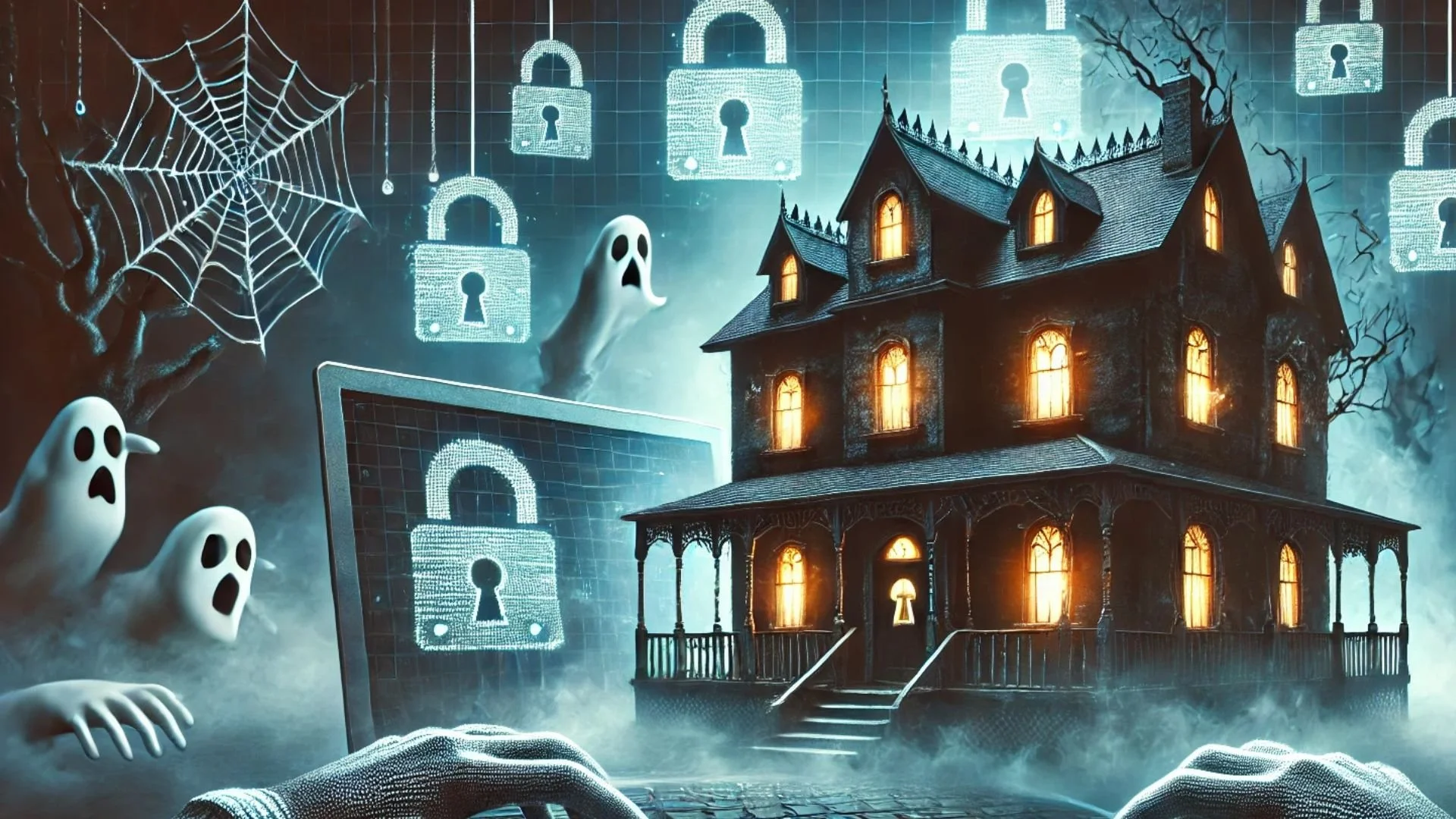
Nightmare #1: The Phishing Hook That Reels You In
You’re sipping coffee, an email pops up from “your bank.” It screams urgency: “Account suspended! Click here to verify.” Heart racing, you click. Boom—malware floods your device, stealing passwords, credit card details, everything. Hackers laugh as they empty your savings. This isn’t fiction; phishing snags millions yearly.
How to Wake Up Safe: Pause before clicking. Hover over links to check the real URL—does it match the sender? Use email filters and tools like Google’s phishing checker. Enable two-factor authentication (2FA) everywhere. Train your gut: if it feels off, it is. Pro tip: Browser extensions like uBlock Origin block shady sites automatically.
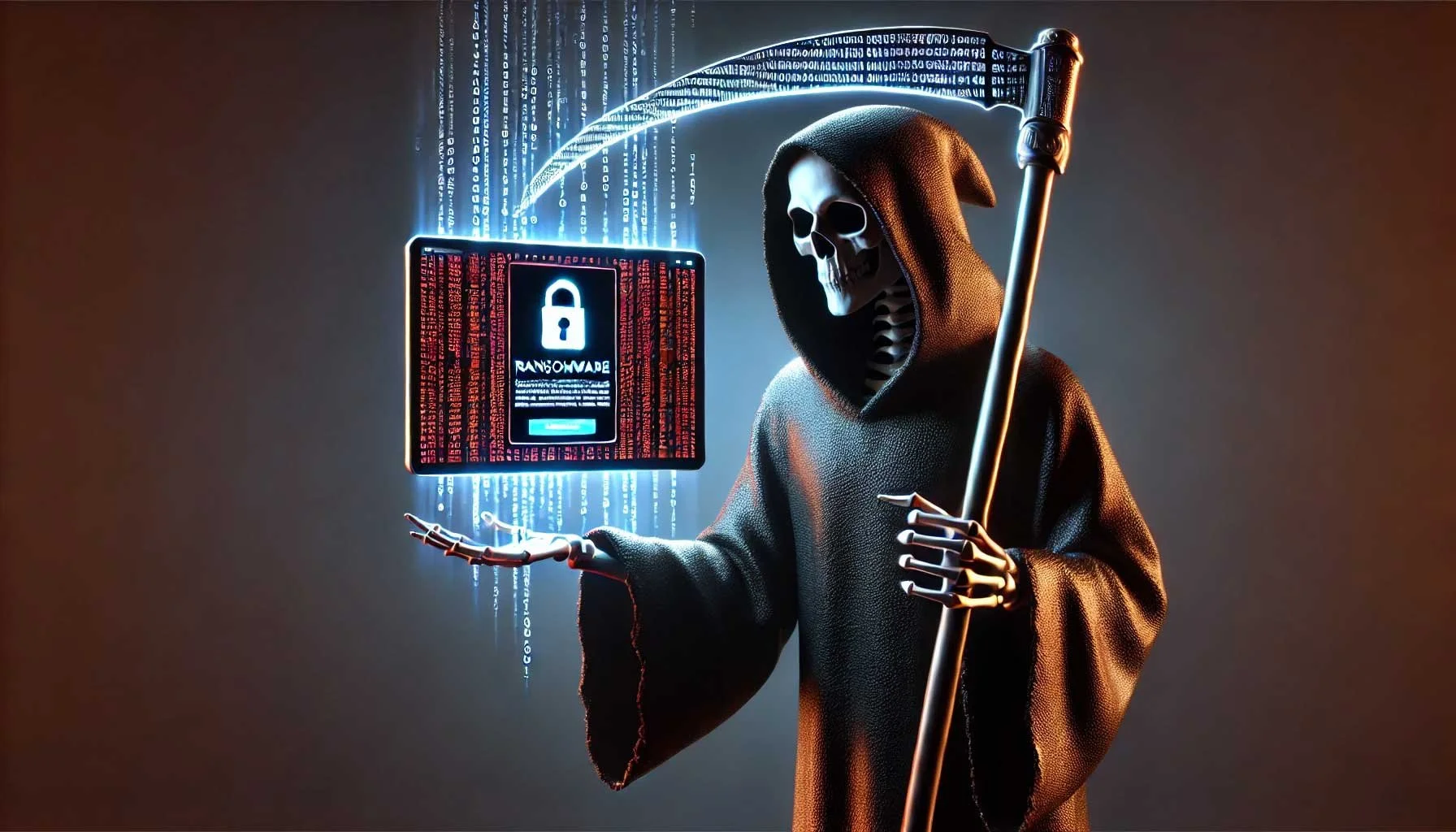
Nightmare #2: Ransomware Locks You Out Cold
One wrong download from a sketchy torrent, and wham—your files vanish behind a skull-and-crossbones screen. “Pay $5,000 in Bitcoin or lose your family photos forever.” Your work docs? Gone. Wedding videos? Toast. Real companies like hospitals have crumbled under this.
How to Wake Up Safe: Back up religiously—3-2-1 rule: three copies, two media types, one offsite (think external drive + cloud). Use reputable antivirus like Bitdefender or Malwarebytes. Avoid pirated software; pay for legit stuff. If hit, don’t pay—it funds more attacks. Restore from backups and laugh it off.
Nightmare #3: The Data Breach Tsunami
Your favorite site gets hacked—Equifax-style. Suddenly, your email, SSN, and address are on the dark web. Spam floods in, loans get approved in your name, creepy stalkers know your doorstep. You’re exposed, vulnerable, paranoid about every login.
How to Wake Up Safe: Freeze your credit with Equifax, Experian, TransUnion. Monitor with Have I Been Pwned? Change passwords post-breach—use a manager like LastPass or Bitwarden. Enable breach alerts from Firefox Monitor. Shred physical mail with personal info. You’re not powerless; vigilance is your raft.
Nightmare #4: Identity Theft Doppelganger
Wake up to IRS letters about “your” unpaid taxes. New credit cards you didn’t apply for maxed out. Someone’s living your life—buying houses, racking debts. Fixing it? Years of paperwork, frozen assets, endless calls. It’s your nightmare twin running wild.
How to Wake Up Safe: Unique, strong passwords per account (password manager magic). Credit monitoring via Credit Karma (free). File IRS Identity Theft Affidavit if hit. Use virtual credit cards for online shopping. Shred docs, go paperless securely. Own your identity—lock it down tight.
Nightmare #5: Malware Infection Creeping In
Your PC slows to a crawl. Pop-ups scream “Virus alert! Download our fix!” You do—and now keyloggers watch every keystroke. Webcam hijacked? Hackers spy on you showering. Bank logins captured, sent straight to crooks. Pure invasion horror.
How to Wake Up Safe: Full scans weekly with ESET or Windows Defender. Never download “fixes” from pop-ups—close and scan. Keep OS updated (patches fix holes). Use ad-blockers and avoid public Wi-Fi for sensitive stuff—VPN like ExpressVPN shields you. Clean install if desperate; prevention beats cure.
Nightmare #6: The Wi-Fi Vampire Sucking You Dry
At a cafe, you hop on free Wi-Fi. Invisible hackers “sniff” your traffic—grabbing unencrypted logins, emails, even Netflix passwords. They pivot to your home network, owning your smart fridge, door cam, everything IoT. Your castle? Their playground.
How to Wake Up Safe: VPN always on public nets (NordVPN’s a beast). Forget auto-connect; manually join trusted ones. Change default router passwords—use WPA3 encryption. Segment IoT devices on guest networks. Update firmware. No more vampire bites; you’re garlic-clad.
Nightmare #7: Deepfake Deception Nightmare
A video call: “Mom, I’m in jail—send Bitcoin now!” It’s your face, your voice, but fake. AI deepfakes fool banks, family, bosses. You wire thousands to scammers. Or worse, fake porn with your likeness ruins your rep. Reality unravels.
How to Wake Up Safe: Verify surprises—call back on known numbers. Use code words for family emergencies. Tools like Deepware Scanner detect fakes. Limit shared photos/videos. Promote media literacy: check eyes, lighting inconsistencies. AI evolves, but skepticism wins.
These nightmares aren’t inevitable—they’re wake-up calls. Layer defenses: strong unique passwords, 2FA, backups, updates, antivirus, VPNs, awareness. Tools like these cost pennies (or free) but save fortunes. Quiz yourself: ready for a cyber-storm? Start today—secure one habit at a time. Sweet dreams; you’ve got this.