
How to Keep Leafy Greens Fresh in the Refrigerator for Twice as Long
Introduction to Extending the Life of Leafy Greens
Feature Video
Leafy greens like spinach, kale, lettuce, and Swiss chard are nutritional powerhouses packed with vitamins, minerals, and fiber. However, they have a notorious reputation for wilting and spoiling quickly in the refrigerator, leading to food waste and frustration for home cooks. According to the USDA, American households throw away about 30% of their fresh vegetables, with leafy greens being major culprits. The good news? With the right techniques, you can keep leafy greens fresh in the refrigerator for twice as long—extending their shelf life from a few days to up to two weeks or more. This article dives into proven methods, backed by food science, to minimize spoilage and maximize freshness. Whether you’re meal prepping salads or stocking up on farmers’ market bounty, these tips will transform your fridge storage game.
Why Leafy Greens Spoil So Quickly
Understanding the science behind spoilage is the first step to combating it. Leafy greens are alive even after harvest, continuing to respire and produce ethylene gas, a natural ripening hormone that accelerates decay. Excess moisture promotes bacterial growth and rot, while temperature fluctuations cause condensation and wilting. Improper storage exposes them to these elements, leading to slime, yellowing, and mushiness within days. Crisp greens thrive in high humidity (around 95%) and cool temperatures (32-40°F or 0-4°C), mimicking their ideal post-harvest environment. By controlling these factors—humidity, airflow, ethylene exposure, and cleanliness—you can dramatically slow deterioration and keep leafy greens fresh longer.
Preparation Steps Before Refrigeration
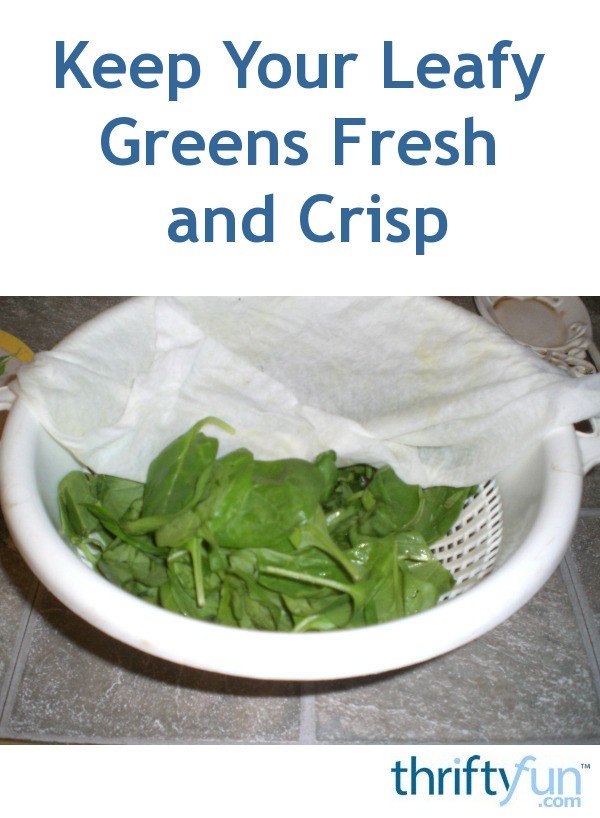
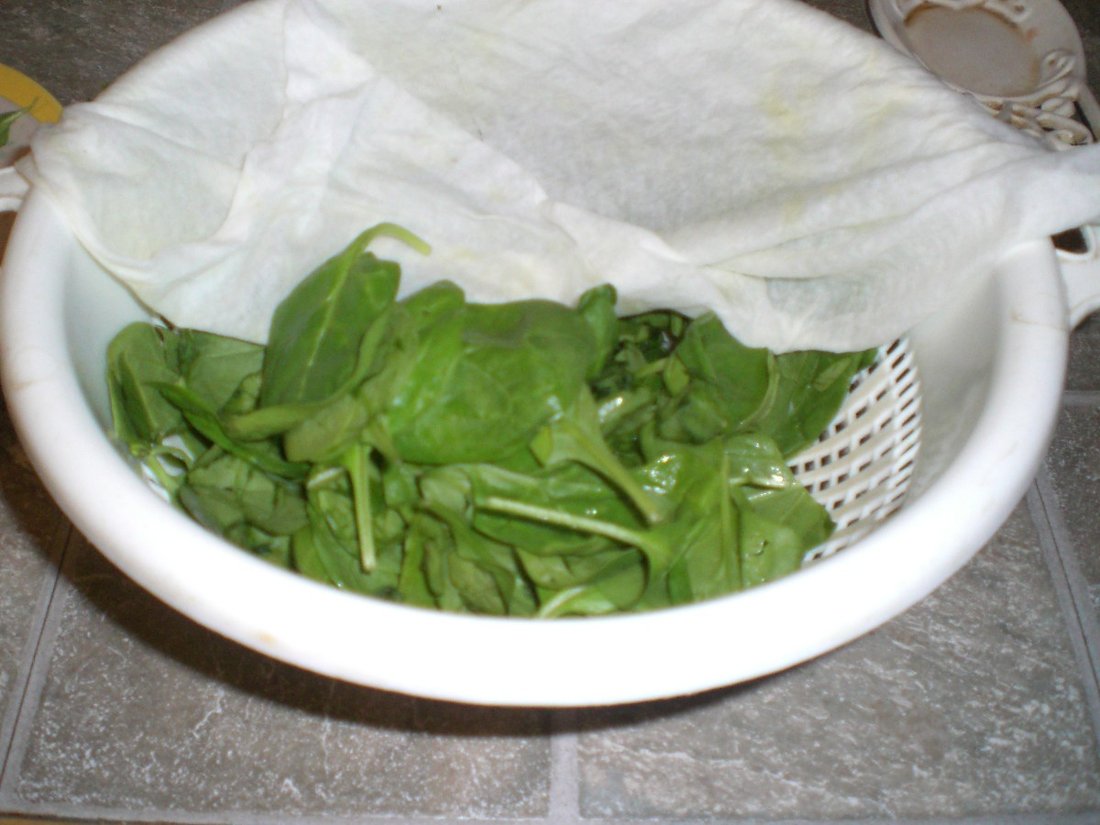
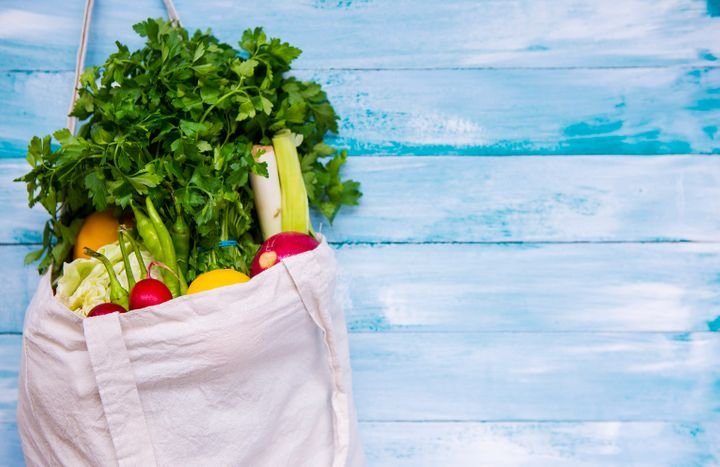
Proper prep is crucial for long-lasting freshness. Start by purchasing greens that are vibrant, crisp, and free of slime or brown spots. At home, resist the urge to wash them immediately—water droplets accelerate decay. Instead, gently shake off any dirt and pat dry with a clean towel if needed. Remove any damaged or yellowing outer leaves, as they harbor bacteria and ethylene. For heads of lettuce or bunches, loosely wrap in a clean kitchen towel or paper towels to absorb excess moisture. This simple step alone can double the fridge life of romaine lettuce from 5-7 days to 10-14 days. Separate herbs like parsley or cilantro from denser greens, as they have different needs. Store produce away from ethylene producers like apples, bananas, and tomatoes to prevent premature aging.
The Paper Towel Method: A Simple, Effective Hack
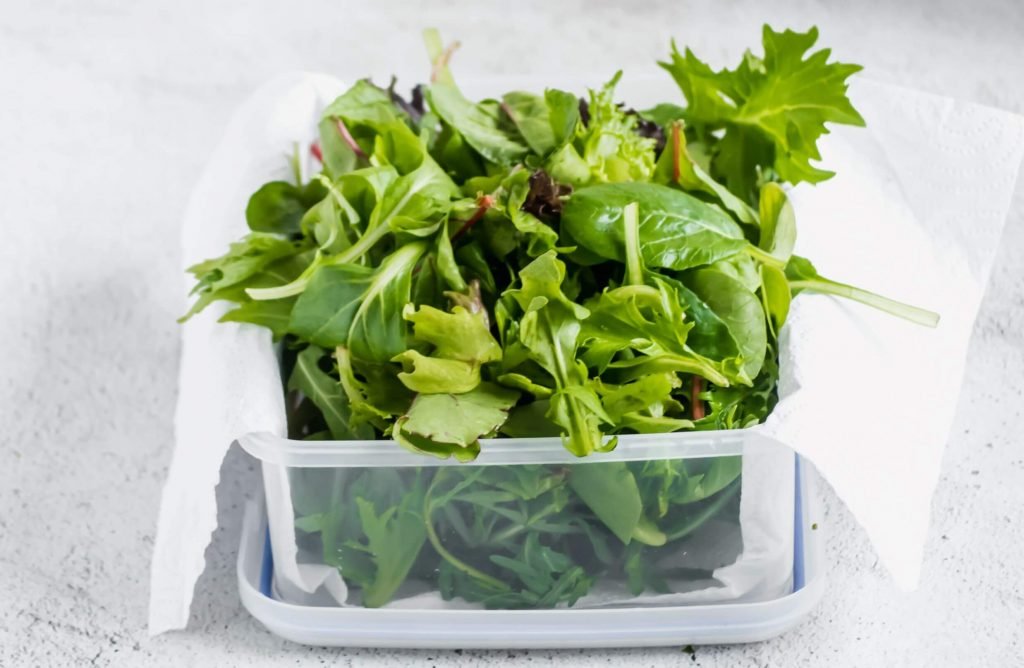
One of the easiest and most accessible ways to keep leafy greens fresh in the refrigerator is the paper towel method. Line a large airtight container or resealable plastic bag with several sheets of paper towels. Place a single layer of dry greens inside, top with more paper towels, and add another layer if space allows. Seal tightly, squeezing out excess air. The towels wick away moisture, preventing sogginess while maintaining humidity. Replace towels every 3-4 days or when damp. Tests by food experts, including those from Serious Eats, show this extends spinach freshness from 4 days to 10-12 days. For bagged salads, remove from original packaging immediately to avoid plastic-induced sweating. This method works wonders for arugula, baby spinach, and mixed greens, keeping them crisp and salad-ready.
Using Containers and Jars for Optimal Storage
Airtight containers outperform loose storage by controlling humidity and airflow. Opt for clear plastic produce savers with adjustable vents—these mimic commercial packaging used by supermarkets. For DIY enthusiasts, mason jars are ideal for hearty greens like kale or collards. Chop or tear leaves to fit, roll loosely like cigars, and stand upright in a quart-sized jar lined with a paper towel. Seal and refrigerate; the upright position minimizes crushing and maximizes air circulation. Studies from the Journal of Food Science indicate jar storage can preserve lettuce quality up to 21 days versus 7-10 in bags. For delicate herbs, snip stems and place in a jar with a damp paper towel around the base, like a bouquet, then loosely cover with a plastic bag. This hydro-cooling technique keeps basil and mint vibrant for weeks.
Mastering Fridge Temperature and Humidity

Your refrigerator’s crisper drawer is designed for produce, with higher humidity vents. Use the high-humidity setting (often marked with fruits/veggies icons) for leafy greens to prevent drying out. Maintain overall fridge temp at 37°F (3°C) using a thermometer—warmer spots near the door speed spoilage. Avoid overloading drawers, as poor airflow leads to warm pockets. Position greens in the back of the fridge, the coldest area, away from the fan. If your fridge lacks humidity controls, the paper towel layer compensates effectively. Pro tip: Pre-chill containers in the fridge for 30 minutes before adding greens to drop their temperature instantly, shocking bacteria into dormancy.
Tailored Tips for Popular Leafy Greens

Not all greens are equal—customize storage for best results. Loose spinach: Layer in a container with paper towels; lasts 10-14 days. Romaine hearts: Keep intact in original wrap, then towel-bag; up to 3 weeks. Kale: Massage lightly to tenderize, then jar-store; holds 2-3 weeks. Swiss chard: Separate stems (store like celery in foil) from leaves. Herbs like cilantro: Jar method with water; treat as cut flowers, changing water weekly. Cabbage and bok choy, being sturdier, wrap whole heads in plastic and store loose. Experimenting with these specifics can keep leafy greens fresh in the refrigerator far beyond standard expectations, reducing waste by half.
Advanced Hacks and Tools for Pro-Level Freshness
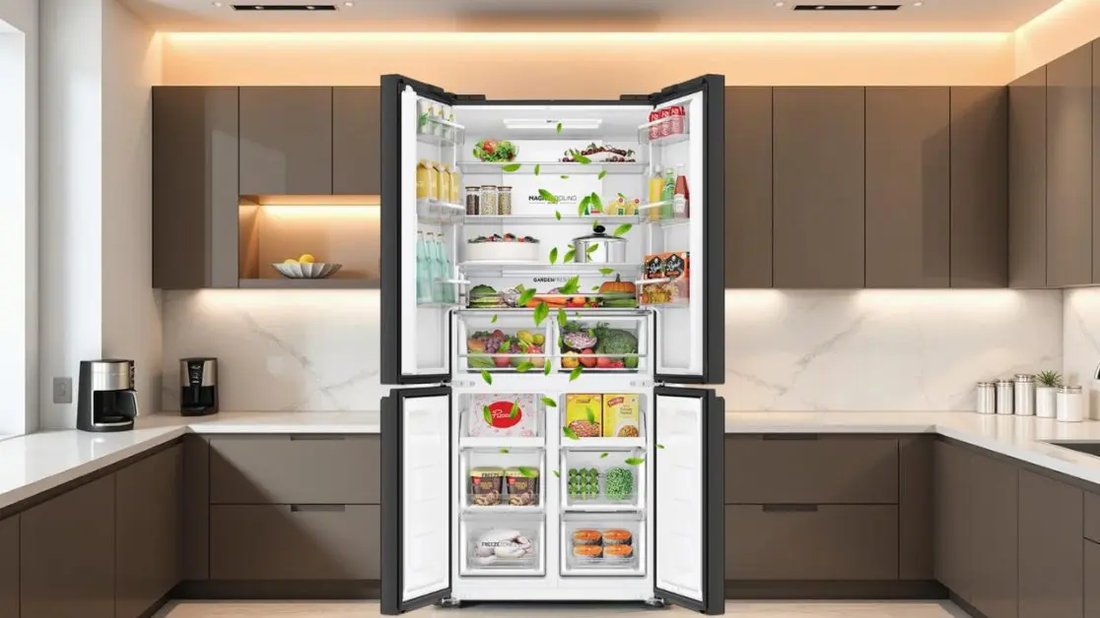
Elevate your game with innovative tools. Ethylene absorbers (like Bluapple pods) neutralize gases, extending life by 2-3 times—place one per crisper. Oxygen absorbers from canning supplies create modified atmosphere storage, mimicking industrial packs. For tech-savvy users, smart fridge produce keepers with built-in humidity sensors monitor conditions via apps. DIY hacks include sprinkling greens with a diluted vinegar solution (1:10 ratio) before drying—its antimicrobial properties inhibit mold without altering taste. Freezing is a backup: Blanch hardy greens like kale, portion into ice cube trays with water or oil for smoothies, preserving nutrients for months. These methods collectively can make your leafy greens last twice as long or more.
Common Mistakes That Shorten Shelf Life
Avoid pitfalls that sabotage efforts. Washing before storage introduces moisture—rinse only portions as needed. Storing near fruits emits ethylene, wilting greens overnight. Cramming drawers restricts airflow, creating anaerobic conditions for rot. Forgetting to check weekly allows one bad leaf to spoil the bunch. Reusing wilted bags traps odors and bacteria. Overlooking fridge cleanliness—wipe drawers monthly with vinegar to kill residues. Ignoring sell-by dates on pre-washed bags, which often contain preservatives masking true freshness. By sidestepping these, you’ll reliably keep leafy greens fresh in the refrigerator for extended periods.
Conclusion: Sustainable, Fresh Eating Made Easy
Implementing these strategies—prep, paper towels, proper containers, fridge optimization, and tailored tips—will keep leafy greens fresh in the refrigerator for twice as long, slashing waste and saving money. A $5 bunch of spinach now yields double the salads, smoothies, or sides. Track your results with a fridge log to refine techniques. Embrace these habits for healthier, greener kitchens. Your wallet, planet, and taste buds will thank you. For more kitchen hacks, explore related topics like vegetable freezing guides or zero-waste meal prep.