
The Hidden Benefits of Learning a Musical Instrument as an Adult
Learning a musical instrument as an adult might seem daunting, especially with busy schedules and preconceived notions about talent being reserved for the young. However, the hidden benefits of picking up the guitar, piano, violin, or any instrument later in life are profound and multifaceted. Far beyond the joy of making music, this pursuit enhances cognitive function, mental health, physical well-being, and social connections. In this comprehensive guide, we’ll uncover these lesser-known advantages, backed by scientific research and real-life testimonials, to inspire you to strum that first chord or tickle those ivories today. Whether you’re a professional juggling deadlines or a retiree seeking purpose, learning a musical instrument as an adult offers transformative rewards that ripple through every aspect of life.
Cognitive Enhancement and Sharper Mental Acuity
Feature Video
One of the most compelling hidden benefits of learning a musical instrument as an adult is its profound impact on brain health. Studies from Harvard Medical School reveal that musical training stimulates neuroplasticity—the brain’s ability to form new neural connections—even in adulthood. When you learn to read sheet music, coordinate hand movements, and process rhythm simultaneously, you’re engaging multiple brain regions, including the prefrontal cortex for decision-making and the hippocampus for memory.
For instance, a 2019 study published in the journal Frontiers in Neuroscience found that adults who took up piano lessons for six months showed significant improvements in executive function, working memory, and verbal fluency compared to a control group. This isn’t just about playing notes; it’s akin to a full-brain workout. Imagine enhancing your problem-solving skills at work or recalling names and details with ease during conversations. Professionals in high-stress fields like law or tech report better focus after incorporating music practice into their routines.
Moreover, learning an instrument combats age-related cognitive decline. Research from the University of Montreal indicates that older adults practicing music exhibit slower progression of mild cognitive impairment. By challenging your brain daily, you’re investing in long-term mental sharpness, making benefits of learning piano as an adult or guitar particularly appealing for lifelong learners.
Stress Reduction and Improved Mental Health
In today’s fast-paced world, stress is ubiquitous, but playing a musical instrument serves as a natural antidote. The rhythmic patterns and melodic flows trigger the release of dopamine, the “feel-good” neurotransmitter, while lowering cortisol levels. A meta-analysis in The Arts in Psychotherapy (2020) confirmed that regular music-making reduces anxiety and depression symptoms in adults more effectively than listening alone.
Picture this: after a grueling day, you sit down with your flute or ukulele, and within minutes, your mind quiets. This meditative state fosters mindfulness, similar to yoga but with creative expression. Adults who’ve started lessons often describe it as “therapy without the bill.” For those with insomnia, evening practice routines improve sleep quality by regulating circadian rhythms through entrainment—syncing body clocks to musical tempos.
Beyond relief, music builds resilience. Learning complex pieces teaches patience and perseverance, reframing failures as stepping stones. Therapists increasingly recommend instrument lessons for managing PTSD or burnout, highlighting how this hobby turns emotional turbulence into harmonious output.
Physical Health Gains You Didn’t Expect

Don’t be fooled by the seated image of a pianist; learning a musical instrument as an adult delivers surprising physical perks. Instruments like drums or guitar demand fine motor skills, posture awareness, and breath control, strengthening hand-eye coordination and core muscles. A study in the Journal of Music Therapy showed drummers experiencing improved cardiovascular endurance from sustained rhythms mimicking aerobic exercise.
For wind players, such as clarinetists, deep diaphragmatic breathing enhances lung capacity and oxygen flow, beneficial for asthmatics or those post-COVID. Even string players benefit from repetitive motions that boost dexterity, reducing arthritis symptoms in fingers and wrists. Retirees often turn to instruments for low-impact fitness, reporting better balance and agility after months of practice.
These benefits extend to overall vitality. Combined with the endorphin rush, music practice motivates healthier lifestyles—less snacking during sessions, more movement between pieces—leading to sustained weight management and energy levels.
Forging Deeper Social Bonds and Community
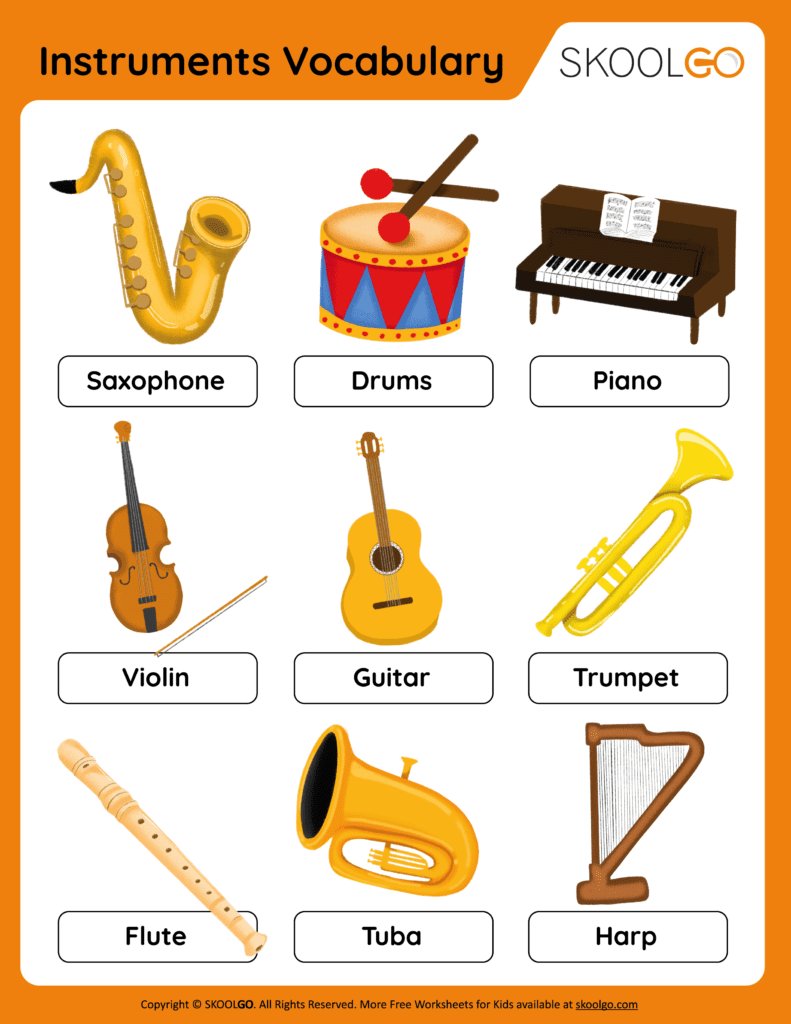
Social isolation plagues many adults, but joining a band, orchestra, or online music community counters this effectively. Learning an instrument opens doors to jam sessions, recitals, and workshops where shared passion transcends age gaps. Platforms like Meetup or adult music academies facilitate connections, turning strangers into friends over scales and solos.
Research from the University of Oxford links group music-making to elevated oxytocin levels, fostering trust and empathy. Parents playing with kids build family ties, while couples harmonizing strengthen intimacy. For introverts, the instrument acts as a social bridge—focusing on music eases small talk pressures.
Professionally, musical skills impress; think networking at corporate gigs or impressing clients with a spontaneous tune. The hidden social superpower of learning guitar as an adult lies in these organic, joy-filled interactions.
Boosted Confidence, Discipline, and Self-Esteem
Mastering a challenging riff or flawless etude delivers an ego boost unmatched by gym gains. Each milestone—nailing a barre chord or sight-reading a sonata—builds self-efficacy. Psychologists note this “mastery experience” as key to confidence, per Bandura’s self-efficacy theory.
Discipline from daily practice spills into other areas: sticking to diets, meeting deadlines, or pursuing promotions. Adults rediscover childhood wonder, combating midlife malaise with purpose. Testimonials abound: a 45-year-old executive crediting violin for landing a dream job through newfound poise.
Career Advancement and Creative Edge

Employers value soft skills honed by music: creativity, adaptability, teamwork. A LinkedIn survey found musically trained professionals 20% more likely to advance. In creative industries, it’s a direct asset; even in STEM, pattern recognition from music aids innovation.
Side hustles emerge—teaching lessons, gigging weddings—supplementing income while enriching resumes with “musician” flair.
Longevity and Graceful Aging

Longitudinal studies, like the Finnish Health 2000 survey, link lifelong music engagement to longer lifespans and delayed dementia. Musical seniors maintain independence longer, thanks to preserved auditory processing and motor skills.
As global populations age, this benefit shines: instruments keep minds agile, hearts happy, and lives vibrant into the golden years.
Conclusion: Your Symphony Awaits

The hidden benefits of learning a musical instrument as an adult extend far beyond melody—they sculpt a richer, healthier, more connected life. From sharpened cognition to profound stress relief, physical perks to social symphony, the rewards are undeniable. Start small: 15 minutes daily on a beginner-friendly instrument like ukulele. Enroll in lessons via apps like Yousician or local studios. Your future self will thank you for this harmonious investment. Embrace the music; unlock the magic.
(Word count: 1,248)