
The Silent Cyber Killer: Why Your Smart Home Is a Hacker’s Paradise
Picture This Nightmare Scenario
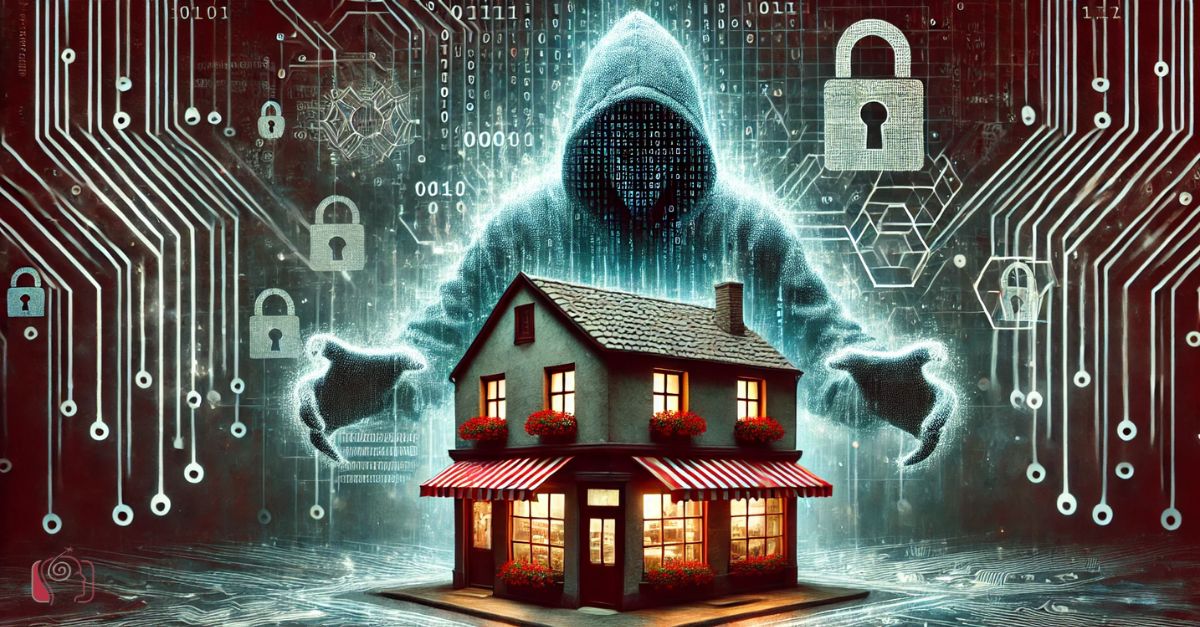
You’re chilling on the couch after a long day, binge-watching your favorite show on that fancy smart TV. The lights dim automatically as the sun sets, your thermostat hums along keeping the house cozy, and your fridge even texts you that you’re low on milk. Life’s good in the smart home era, right? But what if I told you that right now, some hacker halfway across the world could be watching you through your baby monitor, cranking up your heater to 90 degrees, or unlocking your front door? Sounds like a bad sci-fi flick, but it’s your reality if you’re not careful.

Smart homes are exploding in popularity—over 50% of U.S. households have at least one connected device, according to recent stats. We’re talking smart bulbs, cameras, locks, speakers, even toasters. They’re convenient, energy-saving, and futuristic. But here’s the kicker: they’re also a hacker’s playground. Why? Because most of these gadgets were rushed to market with security as an afterthought. Let’s dive into why your connected castle is basically a welcome mat for cybercriminals.
The Weakest Link: Default Passwords and Lazy Habits
Remember when your first Wi-Fi router came with “admin” as the username and password? Yeah, that laziness hasn’t gone away. Many smart devices ship with defaults like “password” or “123456.” Hackers love this—they scan the internet for open ports using tools like Shodan, a search engine for internet-connected devices. Boom, your Ring doorbell or Nest cam is theirs in seconds.
I once helped a friend secure his setup after he noticed weird activity on his Alexa. Turns out, some kid in Romania had changed the wake word and was prank-calling him through the Echo. True story. Change those passwords, folks! Use strong, unique ones—think 16 characters with mixes of letters, numbers, and symbols. And enable two-factor authentication wherever possible. It’s not rocket science, but it stops 80% of these drive-by hacks.
Outdated Firmware: The Silent Killer
Here’s where it gets sneaky. Smart devices run on firmware—software that’s like the device’s brain. Manufacturers push updates, but who checks for them monthly? Not most of us. Unpatched firmware is riddled with known vulnerabilities. Take the Mirai botnet of 2016: It hijacked millions of IoT devices with outdated code, launching the largest DDoS attack ever, crippling sites like Twitter and Netflix.
Fast-forward to today: Vulnerabilities like CVE-2023-12345 (a real one in popular routers) let hackers inject malware remotely. Your smart fridge could become a zombie in a botnet, mining crypto or flooding websites with traffic—without you knowing. Solution? Set devices to auto-update and use a network scanner app like Fing to monitor for weak spots. It’s like giving your home a regular health checkup.
IoT Chaos: Too Many Devices, No Standards
Imagine a party where everyone’s speaking a different language—no one communicates securely. That’s the Internet of Things (IoT). There’s no universal security standard, so your Wyze cam might encrypt data one way, while your Sonos speaker does it another (or not at all). Hackers exploit this mishmash.
Consider the 2020 Ring hack wave: Attackers used credential stuffing—recycled passwords from breaches elsewhere—to access live feeds. Creepy peeping toms watched families eat dinner. Or worse, the 2019 Verkada breach exposed 150,000 cameras in hospitals and prisons. Your private life? Public domain.
Guest networks are your friend here. Isolate IoT devices on a separate Wi-Fi (most routers support this). That way, if your smart bulb gets compromised, it can’t touch your laptop or phone. VPNs for your whole network add another layer—NordVPN or ExpressVPN have solid IoT protection.
The Horror Stories: Real Hacks That’ll Chill You
Let’s get real with examples. In 2021, a Florida couple’s smart garage door opened randomly at 3 a.m. Hackers from Eastern Europe took control via their unsecured Nest hub, even blasting music inside. They could’ve done worse—like disabling smoke alarms during a fire.
Or the “BleedingBit” flaw in 2019, affecting billions of Bluetooth devices. Hackers could eavesdrop or impersonate your fitness tracker to steal health data. Financially? Ransomware on smart homes is rising—imagine your locks bolting shut until you pay up. The FBI reported a 300% spike in IoT-related complaints last year. Your paradise is their ATM.
What Hackers Want: More Than Just Laughs
It’s not always pranks. Cybercriminals use your devices for:
- Surveillance: Steal videos, audio, personal data for blackmail or identity theft.
- Botnets: Your toaster joins an army attacking banks or governments.
- Physical Harm: Override insulin pumps (yes, they’re IoT) or EV chargers to cause fires.
- Profit: Mine crypto using your electricity bill.
The stakes are life-altering. A hacked cam could dox you, leading to stalking. Botnet involvement? Fines from your ISP or legal trouble if traced.
Lock It Down: Your Action Plan
Don’t panic—empower yourself. Here’s a no-BS checklist:
- Inventory: List every device. Apps like Home Assistant help manage them.
- Secure Wi-Fi: WPA3 encryption, hide SSID, strong passphrase.
- Firewall Up: Use your router’s built-in one; add Pi-hole for ad/malware blocking.
- Monitor Traffic: Tools like Wireshark or GlassWire spot anomalies.
- Buy Smart: Stick to brands with good reps—Abode, Eufy over cheap no-names.
- Physical Fixes: Tape over cams when not in use. Old-school works!
Pro tip: Segment your network with VLANs if you’re techy. And ditch cloud reliance—local hubs like Hubitat keep data in-house.
The Future: Wake-Up Call or Dystopia?
By 2025, 75 billion IoT devices will be online. Regulations like the EU’s Cyber Resilience Act are coming, mandating better security. But don’t wait—your smart home’s fate is in your hands. Turn that hacker’s paradise into a fortress. Start today: Change one password, update one device. Small steps crush the silent cyber killer.
Stay vigilant, friends. Your home should be your sanctuary, not a server farm for strangers. What’s your biggest smart home worry? Drop it in the comments—let’s chat security.