
Why Your Phone Overheats During Charging and the Risks You Are Ignoring
Introduction to Phone Overheating During Charging
Feature Video
Have you ever noticed your smartphone getting unusually hot while plugged in for a charge? This common issue, where your phone overheats during charging, affects millions of users worldwide. It’s not just uncomfortable—it’s a warning sign that something might be wrong. In this comprehensive guide, we’ll explore why your phone overheats during charging, the hidden risks you’re ignoring, and practical solutions to keep your device safe and performant.
Modern smartphones rely on lithium-ion batteries that generate heat during the charging process. While some warmth is normal, excessive overheating can indicate underlying problems. Factors like fast charging technology, faulty accessories, and heavy usage contribute to this phenomenon. Ignoring it could lead to battery degradation, reduced lifespan, or even safety hazards. Understanding the causes is the first step toward prevention. Keywords like “phone overheats during charging” are searched thousands of times monthly, highlighting the urgency of this topic for tech-savvy users.
According to battery experts, optimal charging temperatures range between 0°C to 45°C (32°F to 113°F). Anything beyond this can trigger thermal runaway, a dangerous chain reaction in lithium-ion cells. As we dive deeper, you’ll learn the science behind it and actionable tips to mitigate risks.
Common Reasons Why Your Phone Overheats During Charging
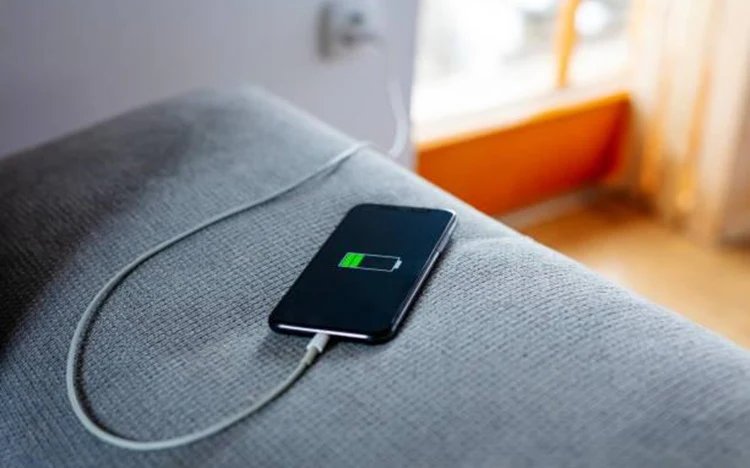
The primary culprit behind why your phone overheats during charging is the rapid energy transfer from charger to battery. Fast charging, a feature in devices like iPhones with MagSafe or Android flagships supporting 65W+, pushes high amperage, generating significant heat. Manufacturers design phones with heat dissipation systems, but these can be overwhelmed under certain conditions.
One major reason is using substandard or incompatible charging cables and adapters. Cheap third-party chargers often lack proper voltage regulation, leading to inefficient power delivery and excess heat buildup. Genuine cables from brands like Apple, Samsung, or Google ensure balanced charging currents, minimizing thermal stress. Always check for MFi (Made for iPhone) certification or USB-IF compliance to avoid this pitfall.
Background apps and processes exacerbate the issue. When your phone is charging, resource-intensive tasks like software updates, video streaming, or gaming force the CPU and GPU to work harder. This dual demand—charging and computing—creates a heat feedback loop. Resource hogs such as social media apps refreshing feeds or antivirus scans in the background can spike temperatures by 10-15°C. Closing unnecessary apps or enabling battery saver mode helps dissipate heat faster.
Environmental factors play a crucial role too. Charging in direct sunlight, hot cars, or stuffy pockets traps heat, preventing natural cooling via the phone’s metal frame and vents. Thick cases made of rubber or leather insulate heat, turning your device into a mini oven. Opt for perforated or metal-backed cases during charging sessions.
Battery age and health are often overlooked. Over time, lithium-ion batteries develop internal resistance, making charging less efficient and hotter. Tools like Samsung’s Device Care or iOS’s Battery Health settings reveal capacity loss—below 80% is a red flag. Software glitches, such as buggy iOS or Android updates, can also cause erratic charging behavior, leading to overheating.
In essence, a combination of hardware limitations, user habits, and external conditions explains why phones overheat during charging. Recognizing these triggers empowers you to intervene early.
The Hidden Risks of Ignoring Phone Overheating During Charging
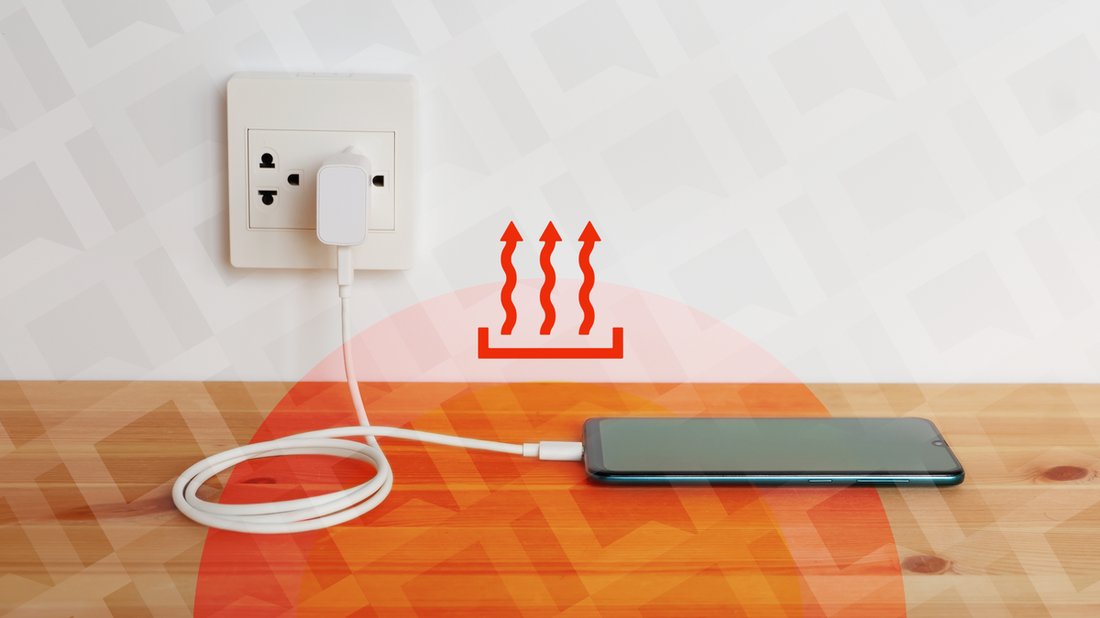
Overheating isn’t just a nuisance; it’s fraught with risks you’re likely ignoring. The most critical is battery degradation. High temperatures accelerate chemical reactions inside lithium-ion cells, causing lithium plating and electrolyte breakdown. Studies from Battery University show that every 10°C increase above 25°C halves battery lifespan. Your phone might lose 20% capacity annually if overheated regularly.
Safety hazards loom large. Extreme heat can trigger thermal runaway, where the battery enters an uncontrollable self-heating state, potentially leading to fires or explosions. Recalls of devices like the Samsung Galaxy Note 7 underscore this danger—over 2.5 million units were pulled due to battery fires linked to charging defects. Though rare, swollen batteries from chronic overheating pose rupture risks, damaging internals and voiding warranties.
Performance throttling is another overlooked risk. To prevent damage, smartphones like the Google Pixel or OnePlus models automatically reduce CPU speed when hot, causing lag, dropped frames in games, and slower app launches. Long-term exposure warps screens or delaminates adhesives, leading to costly repairs exceeding $200.
Health implications for users include skin burns from prolonged contact with hot devices. Worse, off-gassing from degrading batteries releases toxic fumes. Data integrity suffers too—overheating corrupts storage, risking photo or file loss. Insurance claims for overheating-related damages are rising, with carriers like Squaretrade reporting a 15% uptick in smartphone claims.
Environmentally, discarded overheated phones contribute to e-waste, as damaged batteries are hard to recycle. By ignoring these risks, you’re shortening your device’s life and inviting preventable dangers.
How to Prevent Your Phone from Overheating During Charging
Prevention is straightforward with these expert-backed strategies. First, invest in quality accessories: official chargers and cables reduce heat by up to 30%. Wireless charging pads, while convenient, run hotter—use them sparingly on cool surfaces.
Adopt smart habits: Charge in a cool, ventilated area away from sunlight. Remove cases during sessions for better airflow. Limit usage—avoid gaming or streaming while plugged in. Enable features like Optimized Battery Charging on iOS or Adaptive Charging on Android to cap at 80%, curbing heat.
Regular maintenance is key. Update software for thermal management fixes. Use built-in diagnostics: Android’s *#*#4636#*#* code or iPhone’s Analytics data logs reveal charging anomalies. Apps like AccuBattery monitor temperatures in real-time, alerting at 45°C.
For heavy users, schedule overnight charging when idle. Avoid fully draining batteries—aim for 20-80% cycles. These steps not only prevent overheating but extend battery life by 50% or more.
When to Seek Professional Help for Overheating Phones

If your phone consistently exceeds 50°C during charging, or shows swelling, unusual odors, or shutdowns, stop using it immediately. Visit authorized service centers—DIY fixes risk further damage. Diagnostics cost $0-50, far less than $300 battery replacements.
Conclusion: Stay Cool and Safe
Phone overheating during charging stems from fast tech, poor habits, and environmental factors, posing risks from degradation to fires. By understanding why it happens and acting proactively, you safeguard your device and data. Prioritize quality charging, mindful usage, and monitoring for a cooler, longer-lasting smartphone experience. Stay informed, charge smartly, and enjoy uninterrupted connectivity.
(Word count: 1215)