
AI’s Hidden Revolution: 10 Shocking Ways It’s Rewiring Jobs, Health, and Society
Artificial intelligence is quietly transforming the world in ways most people haven’t fully grasped. From reshaping entire industries to revolutionizing personal health management, AI’s influence is profound and far-reaching. This article uncovers 10 shocking ways AI is rewiring jobs, health, and society, backed by real-world examples and data. Understanding these shifts is crucial for navigating the future.
1. Automating Routine Jobs at Warp Speed
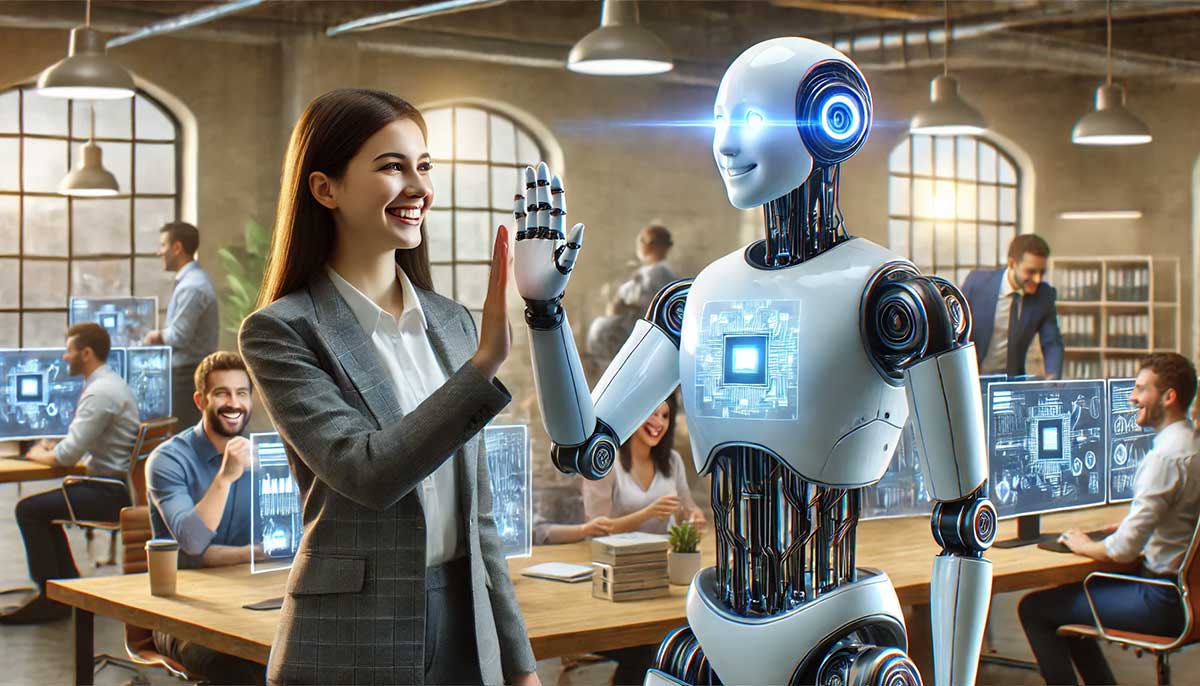
AI-powered robots and software are eliminating repetitive tasks faster than ever. In manufacturing, companies like Foxconn have deployed AI systems that assemble smartphones with precision humans can’t match, reducing workforce needs by up to 60% in some factories. A 2023 McKinsey report predicts 45% of work activities could be automated by 2030, displacing millions but boosting productivity. Workers in data entry and customer service are hit hardest, forcing a scramble for reskilling programs worldwide.
2. Creating Hyper-Specialized AI Jobs Overnight
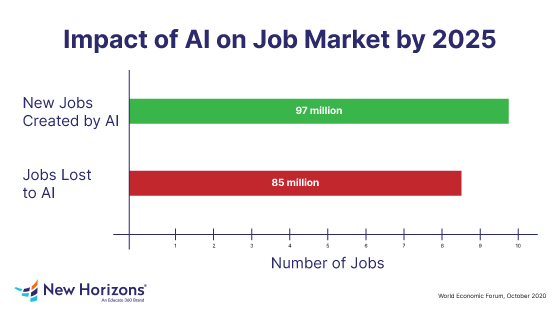
While AI kills jobs, it’s birthing new ones that didn’t exist a decade ago. Roles like prompt engineers—experts who craft inputs for AI models—and AI ethicists are surging. LinkedIn’s 2024 data shows AI-related job postings grew 74% year-over-year. These positions demand skills in machine learning and data ethics, paying premiums up to 40% higher than average tech salaries. The shock? Traditional careers in law and finance now require AI fluency to survive.
3. Revolutionizing Diagnostics with Superhuman Accuracy
In healthcare, AI algorithms outperform doctors in spotting diseases. Google’s DeepMind detected breast cancer in mammograms with 11.5% fewer false negatives than experts, per a 2020 Nature study. This hidden revolution means earlier interventions, potentially saving 100,000 lives annually in the U.S. alone. Hospitals like Mayo Clinic integrate AI for radiology, slashing diagnosis times from days to minutes and easing doctor burnout.
4. Accelerating Drug Discovery by Years
AI is slashing pharmaceutical development timelines dramatically. Insilico Medicine used AI to design a drug for lung fibrosis in just 46 days, compared to the usual 4-5 years. By analyzing vast datasets, AI predicts molecular interactions with 90% accuracy, per recent trials. This could cut drug costs by 50%, making treatments accessible sooner and transforming health outcomes for chronic diseases like Alzheimer’s.
5. Personalizing Mental Health Support 24/7
AI chatbots like Woebot provide cognitive behavioral therapy to millions, reducing depression symptoms by 20% in users, according to Stanford research. Unlike human therapists limited by availability, these tools offer instant, stigma-free support via apps. The societal shock: They’re handling 70% of initial mental health queries in some regions, freeing clinicians for complex cases and addressing global shortages where one psychiatrist serves 30,000 people.
6. Predicting Epidemics Before They Spread
BlueDot’s AI flagged COVID-19 nine days before the WHO, by scanning news and flight data. Such systems now monitor health globally, predicting outbreaks with 90% accuracy. In jobs, this creates demand for AI epidemiologists; in society, it enables proactive quarantines, potentially averting pandemics and saving trillions in economic losses as seen in 2020.
7. Gig Economy Optimization via Predictive Algorithms
Platforms like Uber use AI to predict demand and route drivers, increasing earnings by 20-30%. This rewires jobs for 1.5 billion gig workers worldwide, per World Bank stats. The hidden flip: Algorithms decide who gets prime shifts, raising equity concerns as low-rated workers face income dips, sparking debates on AI fairness in labor markets.
8. Transforming Education with Adaptive Learning
AI tutors like Duolingo’s adaptive engine personalize lessons, boosting retention by 3x over traditional methods. In under-resourced areas, tools from Khan Academy AI reach millions, closing learning gaps. Shocking stat: By 2025, UNESCO predicts AI will personalize education for 80% of students, reshaping teacher roles from lecturers to mentors and upending societal access to knowledge.
9. Enabling Autonomous Transportation Fleets
Waymo’s self-driving taxis have logged 20 million miles, reducing accidents by 85% versus human drivers. This disrupts 4 million U.S. trucking jobs, per Oxford Economics, but promises safer roads and lower logistics costs. Societally, it frees urban space from parking, fostering walkable cities and cutting emissions by 10-20% in trials.
10. Redefining Elderly Care with Companion AI
AI robots like ElliQ combat loneliness for seniors, reducing isolation by 40% in studies. They monitor vitals, remind about meds, and converse naturally. With 2 billion people over 60 by 2050 (UN data), this scales care affordably, easing family burdens and healthcare systems while creating jobs in AI companionship design.
In conclusion, AI’s hidden revolution is not dystopian but a double-edged sword—disrupting yet innovating across jobs, health, and society. From job automation to predictive health, these 10 ways demand proactive adaptation. Policymakers push reskilling initiatives, companies invest in ethical AI, and individuals learn AI basics. The future favors the prepared; embracing this rewiring unlocks unprecedented progress.