
A Practical Guide to Public Speaking for Anxious People
A Practical Guide to Public Speaking for Anxious People
Public speaking anxiety affects millions worldwide, with studies showing that up to 75% of people experience some level of glossophobia—the fear of public speaking. If you’re one of those anxious individuals who dreads standing in front of a crowd, you’re not alone. The good news? This practical guide to public speaking for anxious people offers actionable strategies to conquer your fears, build confidence, and deliver speeches that captivate audiences. Whether you’re preparing for a wedding toast, business presentation, or TED-style talk, these tips will transform your anxiety into empowerment. We’ll cover everything from mindset shifts to on-stage techniques, optimized for real-world application.
Understanding Public Speaking Anxiety
Feature Video
Public speaking anxiety stems from the brain’s fight-or-flight response, triggered by perceived threats like judgment or failure. Symptoms include rapid heartbeat, sweaty palms, trembling voice, and mental blanks. Recognizing this as a normal physiological reaction is the first step in overcoming it. Research from the National Institute of Mental Health indicates that anxiety peaks just before speaking but diminishes once you start. For anxious people, reframing the event helps: view it as a conversation rather than a performance. Journaling your fears beforehand can demystify them—write down worst-case scenarios and counter them with realistic outcomes. This cognitive behavioral technique reduces anticipatory anxiety by 30-50%, according to psychologists. Embrace imperfection; audiences are forgiving and often more focused on your message than your delivery flaws.
Preparation Strategies to Build Confidence
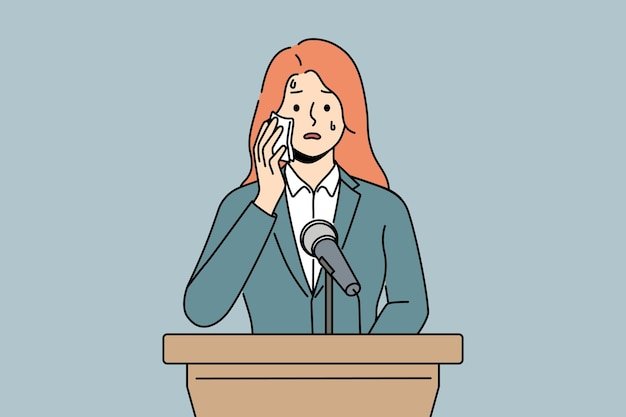
Thorough preparation is your anxiety antidote. Start by knowing your material inside out. Break your speech into three parts: opening hook, core content with stories or data, and memorable close. Use the rule of three for simplicity—limit main points to three. For SEO-savvy creators, research audience keywords: what problems do they face? Tailor content accordingly. Write a script first, then convert to bullet points to avoid reading verbatim, which stifles connection. Time yourself multiple times, aiming for 10-20% under your slot to allow pauses. Visualize success: spend 5 minutes daily imagining a flawless delivery, engaging the audience. This mental rehearsal, backed by neuroscience, strengthens neural pathways for confidence. Customize slides minimally—use large fonts, visuals over text—to prevent tech anxiety. Practice in low-stakes environments like mirror sessions or video recordings to desensitize nerves.
Breathing and Relaxation Techniques for Immediate Calm
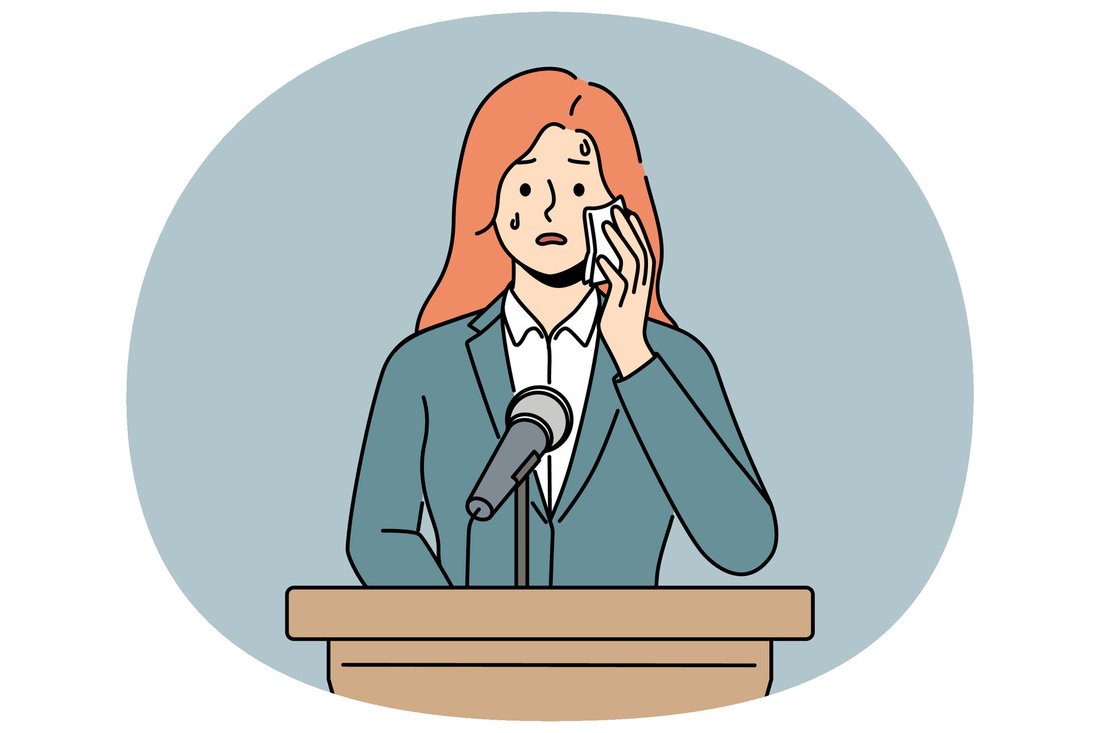
When anxiety surges, controlled breathing is a game-changer. Try the 4-7-8 method: inhale for 4 seconds, hold for 7, exhale for 8. This activates the parasympathetic nervous system, lowering heart rate within seconds. Pair it with progressive muscle relaxation—tense and release muscle groups from toes to head. Before speaking, use power posing: stand tall with hands on hips for 2 minutes to boost testosterone and reduce cortisol, per Amy Cuddy’s TED research. Grounding exercises help too: name five things you see, four you touch, three you hear. These anchor you in the present, interrupting panic loops. For ongoing practice, apps like Calm offer guided sessions tailored for public speaking anxiety. Integrate these into daily routines; over time, they become automatic responses, making you a poised speaker even under pressure.
Effective Practice Methods to Overcome Fear
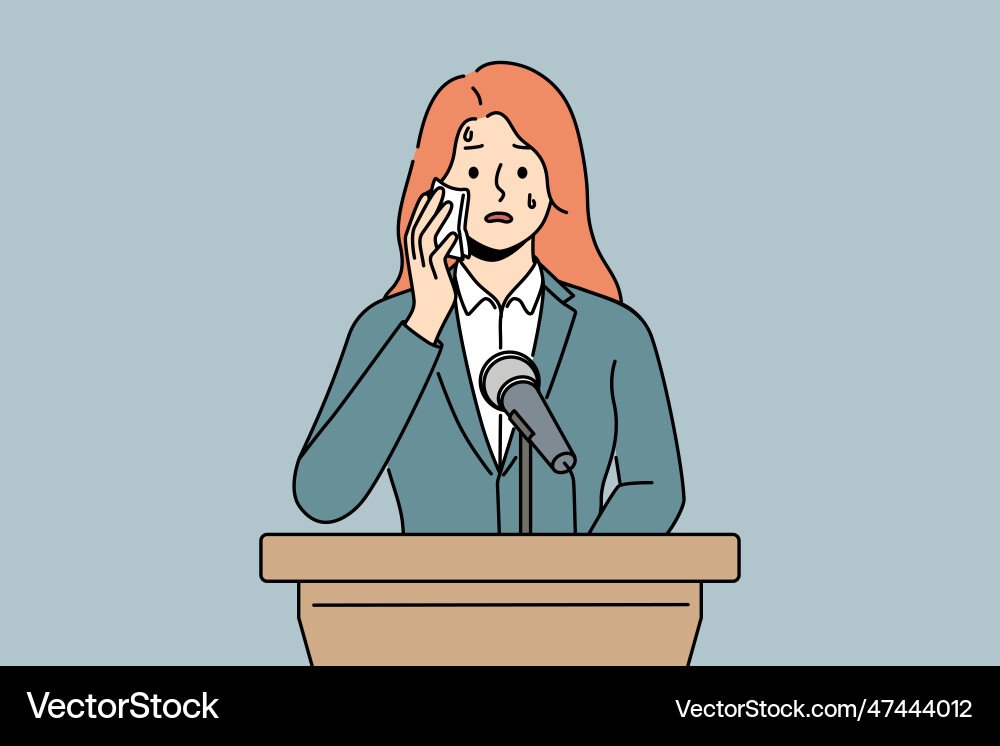
Practice isn’t just repetition—it’s deliberate exposure. Join Toastmasters or local groups for supportive feedback. Record speeches on your phone, reviewing for improvements without self-criticism; focus on one strength per watch. Simulate the real event: stand in your living room with friends as audience, or use virtual reality apps like VirtualSpeech for immersive scenarios. Gradually escalate: start solo, then small groups, building to larger crowds. The spacing effect works wonders—practice over days, not cramming. Rehearse Q&A by anticipating tough questions. Track progress in a log: note anxiety levels pre/post (1-10 scale) to see improvements. Aim for 10 hours total practice; experts say this mastery threshold turns anxiety into excitement. For anxious people, this builds resilience, proving you can handle the spotlight.
Managing Nerves During the Speech

The moment arrives—heart pounding, but you’ve prepared. Pause before starting; a 3-second silence grabs attention and steadies you. Begin with a question or story to engage immediately, shifting focus outward. If mind blanks, glance at notes subtly—it’s not failure, it’s smart. Slow your pace: anxious speakers rush, so aim for 120 words per minute. Use filler pauses instead of “um”—they feel eternal to you but natural to listeners. Scan the room inclusively, making eye contact in a Z-pattern. Anchor to friendly faces for reassurance. If voice shakes, own it: “I’m a bit nervous, but excited to share this.” Authenticity endears you. Mid-speech, recenter with a quick breath. End strong: repeat key takeaway, thank audience. Post-speech, adrenaline crashes—celebrate with a reward to reinforce positivity.
Mastering Body Language and Vocal Delivery
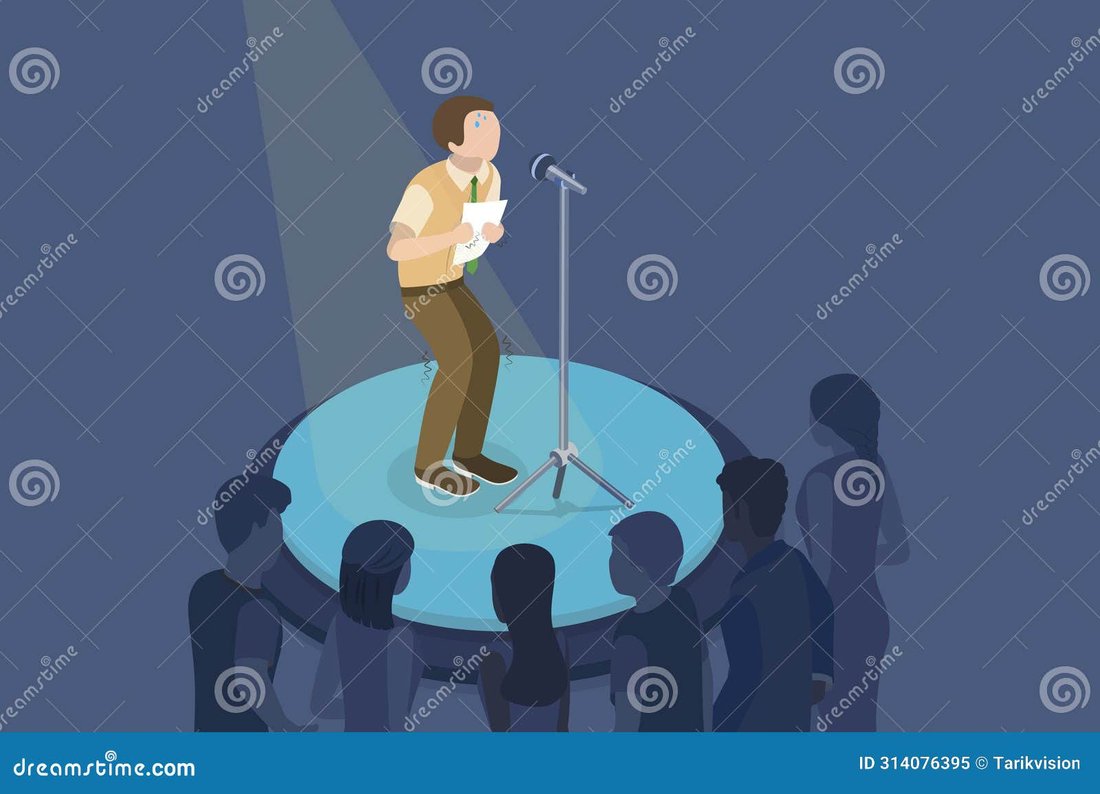
Nonverbals speak louder than words. Stand with feet shoulder-width, hands open at sides—avoid pockets or crossing arms, which signal defensiveness. Gesture purposefully to emphasize points, keeping hands above waist. Smile genuinely; it releases endorphins, easing your anxiety. Vary tone: monotone bores, enthusiasm inspires. Practice vocal warm-ups: hum, tongue twisters, read aloud dramatically. Project from diaphragm for authority—chest breathing causes shallow, shaky voices. Mirror practice refines these. For virtual speaking, frame shoulders in shot, use stable webcam. Record full run-throughs to sync body, voice, message. Audiences trust congruent speakers; alignment banishes doubt. Over time, these habits make public speaking feel natural, even enjoyable.
Long-Term Strategies for Lasting Confidence
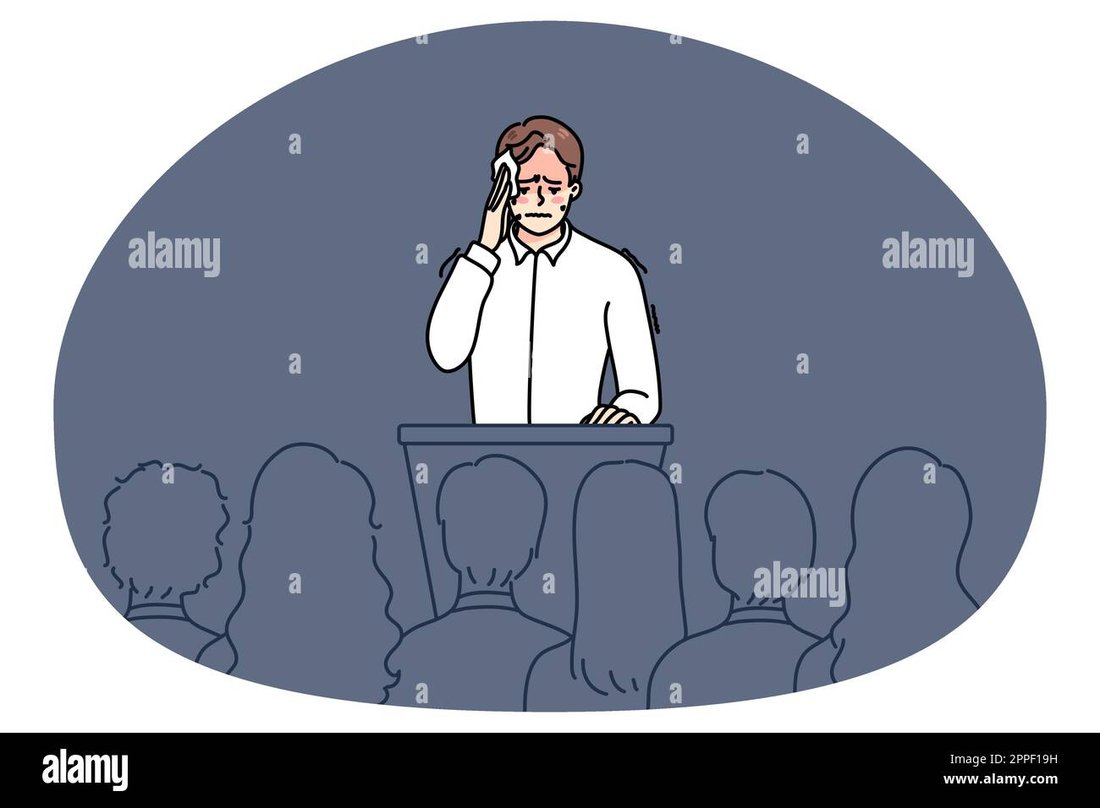
Conquering one speech isn’t enough—build lifelong skills. Challenge limiting beliefs via affirmations: “I am capable and prepared.” Seek therapy like CBT if anxiety persists. Consume inspiring content: watch Simon Sinek or Brené Brown for relatable styles. Volunteer for low-risk talks to accumulate wins. Track a “speaking portfolio” of successes. Surround yourself with encouragers, avoiding naysayers. Physical health matters: exercise, sleep, nutrition reduce baseline anxiety. Mindfulness meditation daily rewires stress responses. Set progressive goals: from 5-minute talks to keynotes. Celebrate milestones. For anxious people, consistency compounds; in months, public speaking becomes a strength, opening career and social doors.
Conclusion: Your Journey to Confident Speaking Starts Now
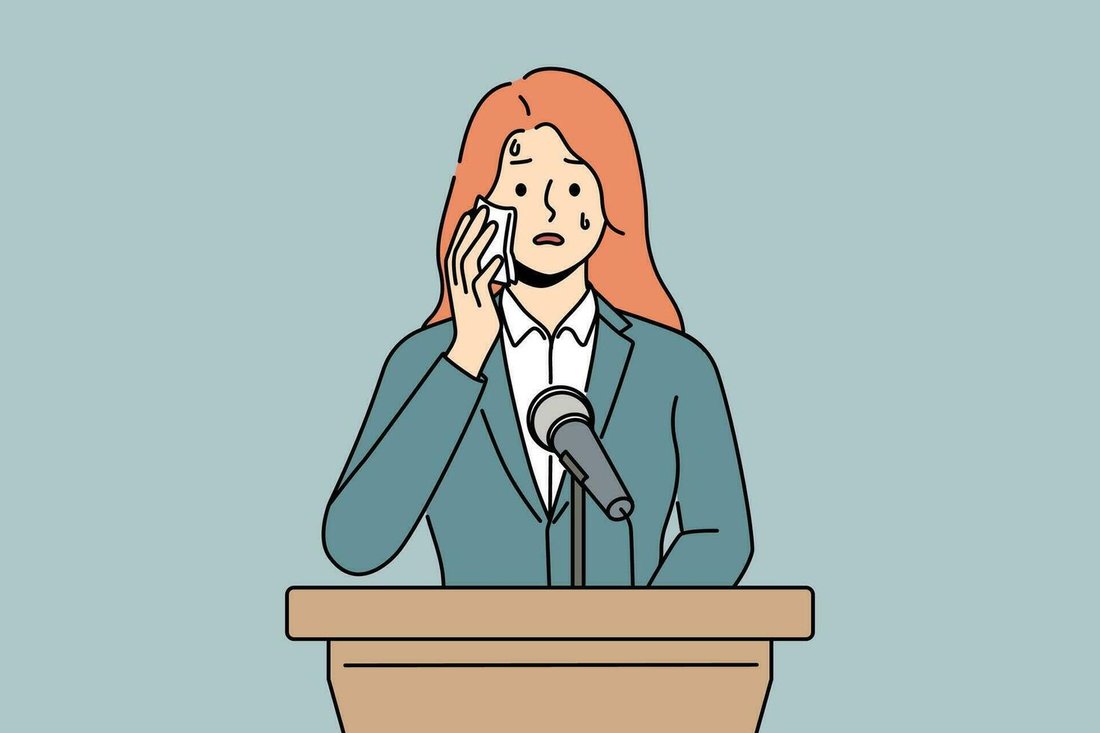
Public speaking for anxious people doesn’t have to be daunting. By understanding anxiety, preparing meticulously, using breathing techniques, practicing deliberately, managing in-the-moment nerves, refining body language, and adopting long-term habits, you’ll transform fear into fulfillment. Start small today—perhaps a toast at dinner. Each step builds momentum. Remember, the world needs your voice. Embrace this practical guide, apply it consistently, and watch your confidence soar. Ready to speak boldly? Your audience awaits.
(Word count: 1,248)