
How to Spot a Fake Crypto Project Before Investing Your Life Savings
Introduction: The Rising Threat of Crypto Scams
Feature Video
The cryptocurrency market has exploded in popularity, promising life-changing returns for savvy investors. With Bitcoin, Ethereum, and thousands of altcoins captivating the imagination of millions, it’s no wonder people are tempted to invest their life savings. However, this gold rush has a dark side: fake crypto projects designed to scam unsuspecting investors. In 2023 alone, crypto scams resulted in over $4 billion in losses, according to the FBI’s Internet Crime Complaint Center (IC3). Rug pulls, Ponzi schemes, and outright frauds are rampant, often leaving victims penniless.
Spotting a fake crypto project before investing requires diligence, research, and a healthy dose of skepticism. This guide will walk you through essential steps to identify red flags, verify legitimacy, and protect your hard-earned money. By mastering these techniques, you can navigate the volatile crypto space with confidence and avoid becoming another statistic in the scam epidemic.
Step 1: Scrutinize the Team Behind the Project

The foundation of any legitimate crypto project is its team. Fake projects often feature anonymous developers or fabricated profiles. Start by checking the official website’s “Team” or “About Us” page. Look for real names, LinkedIn profiles, and verifiable professional histories. Use tools like LinkedIn, Twitter (now X), and GitHub to cross-reference their claims.
For instance, if team members claim experience at top firms like Google or Coinbase but their profiles are newly created or lack endorsements, it’s a major red flag. Legitimate teams are transparent; scammers hide behind pseudonyms like “CryptoKing” or stock photos. Tools like Reverse Image Search on Google can reveal if profile pictures are stolen from elsewhere. Remember the Squid Game token scam in 2021? The anonymous team vanished after a $3.3 million rug pull, leaving investors devastated.
Pro tip: Demand doxxing (public identity reveal) for high-risk investments. If the team dodges this or uses vague bios, walk away. Always verify past projects—have they delivered on promises before?
Step 2: Analyze the Whitepaper for Substance

A project’s whitepaper is its blueprint. Genuine ones outline a clear problem, innovative solution, technical details, roadmap, and token utility. Fake crypto projects often have whitepapers that are plagiarized, vague, or filled with hype without substance. Download the PDF from the official site and run it through plagiarism checkers like SmallSEOTools or Copyleaks.
Key red flags include: promises of “guaranteed 1000x returns,” lack of technical specs, copied sections from other projects (use Ctrl+F for repeated phrases), or grammatical errors suggesting non-native rushed writing. Compare it to established whitepapers like Ethereum’s—yours should match that level of professionalism.
Beyond content, check the publication date and updates. A whitepaper from 2024 promising to “revolutionize DeFi” without code commits on GitHub? Suspicious. Legit projects evolve their docs; scams don’t.
Step 3: Decode the Tokenomics
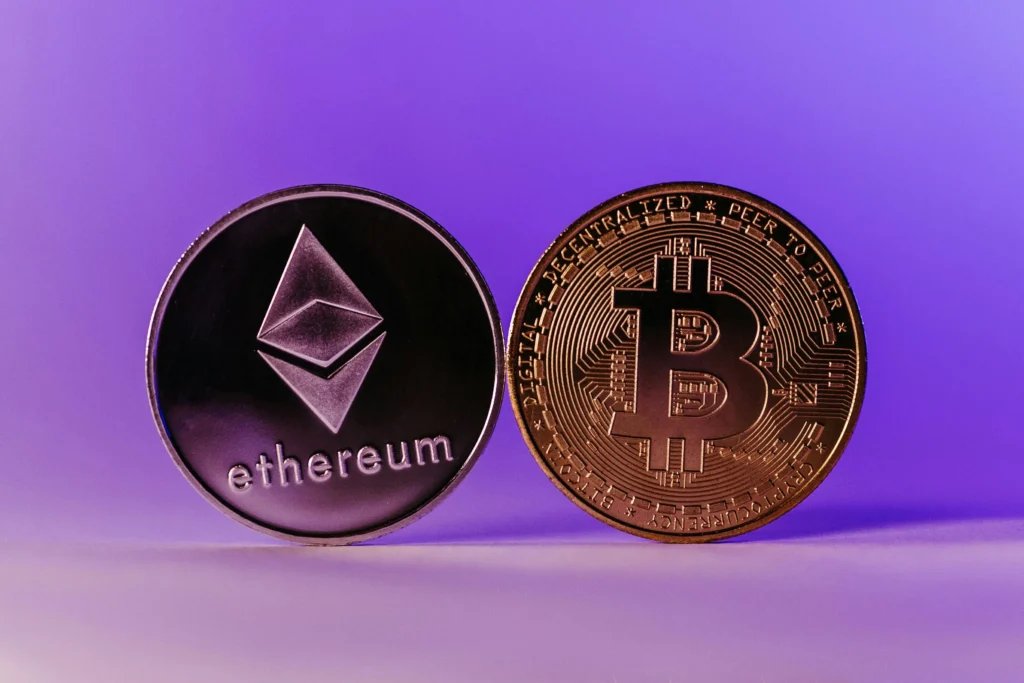
Tokenomics—token economics—reveals allocation, supply, vesting, and distribution. Fake projects manipulate these to favor insiders. Use explorers like Etherscan or BscScan to inspect the smart contract. Look for: excessive team allocation (over 20-30% is risky), unlocked liquidity pools, or high initial supply dumps.
Healthy tokenomics feature locked liquidity (via Unicrypt or Team Finance), gradual vesting for teams/advisors, and fair launches without presales favoring whales. Tools like DexTools or TokenSniffer score contracts for honeypots (traps preventing sells) or rug-pull risks. The AnubisDAO scam in 2021 had 95% of tokens controlled by the deployer—classic insider dump setup.
Calculate fully diluted valuation (FDV): Market Cap x Total Supply. Sky-high FDV with low liquidity screams overvaluation and exit scam potential.
Step 4: Gauge Community Authenticity and Social Media Presence

A thriving, organic community is a hallmark of real projects. Fake ones rely on paid shills, bots, and fake engagement. Audit socials: Twitter followers-to-engagement ratio (real projects have genuine interactions), Telegram/Discord member quality (bots inflate numbers—use Telegram Bot Checkers).
Search for shill farms: Sudden follower spikes or repetitive hype comments. Legit communities discuss tech, not just “to the moon.” Check Reddit, Bitcointalk, and CoinMarketCap comments for complaints. The SafeMoon saga showed how manipulated socials hid liquidity issues until the crash.
Engage directly: Ask tough questions in AMAs. Evasive answers? Red flag.
Step 5: Verify Security Audits and Smart Contract Safety

No audit, no investment. Reputable firms like Certik, PeckShield, or Hacken provide public reports. Fake projects skip audits or use fake ones (verify on auditor sites). Even audited contracts can have exploits—check for multiple audits and bug bounties.
Use RugDoc, BSCheck, or GoPlus for instant contract scans. Look for renounce ownership (prevents rug pulls) and paused functions (scammer control). The Ronin Network hack ($625M) underscored audit importance, but fake projects ignore it entirely.
Step 6: Investigate Partnerships, Backers, and Listings

Boasted partnerships with Binance or Tesla? Verify on partners’ official sites. Fake logos are common. Check backers: Real VCs like a16z list portfolios; unverified “top investors” are lies.
Exchange listings matter—decentralized (Uniswap) ok for newbies, but centralized (Binance) signal vetting. Beware unlisted tokens hyped as “next big thing.”
Step 7: Monitor Market Behavior and Hype Cycles
Pump-and-dump schemes spike prices via FOMO, then crash. Watch charts on TradingView: Unrealistic pumps without volume, or whale dumps. Use Nansen or Arkham for wallet tracking—dev wallets selling early?
Hype via influencers? Cross-check paid promotions (many disclose via #ad). Sustainable growth beats viral moonshots.
Tools and Resources for Due Diligence
Arm yourself: CoinGecko/CoinMarketCap for data, DeFiLlama for TVL, GitHub for code activity, Messari for research. Communities like Crypto Twitter sleuths (e.g., @zachxbt) expose scams. Set alerts on DexScreener for new launches.
Practice on simulators like CryptoZombies before real money. Diversify—never all-in one project.
Conclusion: Invest Smart, Stay Safe
Spotting fake crypto projects demands time but saves fortunes. By vetting teams, whitepapers, tokenomics, communities, audits, partnerships, and market signals, you’ll sidestep 99% of scams. The crypto space rewards the prepared—DYOR (Do Your Own Research) isn’t jargon; it’s survival.
Start small, use hardware wallets, enable 2FA, and never invest more than you can lose. With vigilance, you can chase real opportunities like Bitcoin ETFs or layer-2 scaling without fear. Stay informed, stay skeptical, and build wealth sustainably.