
NASA’s Hidden Gem: The Moon Base That Could Change Humanity Forever
Picture This: Your New Home on the Moon
Hey there, space dreamers! Have you ever stared up at the full moon and wondered what it’d be like to actually live there? Not just a quick pit stop like Apollo, but a full-blown base buzzing with scientists, engineers, and maybe even tourists. Well, buckle up because NASA’s got this “hidden gem” project that’s flying way under the radar, and it could flip humanity’s future upside down. We’re talking about the Lunar Surface Habitat – a permanent Moon base that’s not just sci-fi anymore, but a legit blueprint for our multi-planetary destiny.
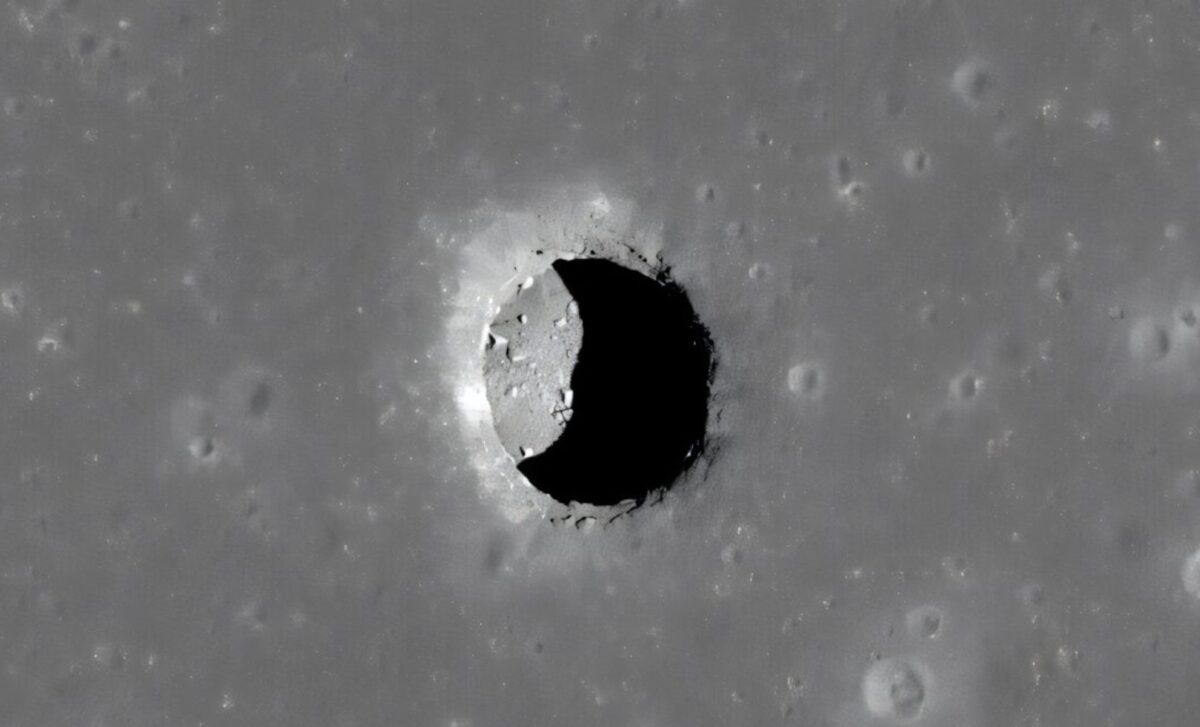
I mean, come on, we’ve been obsessed with Mars (thanks, Elon), but the Moon? It’s right next door – just a three-day hop – and NASA’s quietly cooking up something revolutionary. This isn’t your grandma’s space station; it’s a self-sustaining fortress that could mine resources, grow food, and launch us deeper into the cosmos. Let’s dive in and unpack why this lunar gem deserves all the hype.
The Backstory: From Apollo Dreams to Artemis Reality
Flashback to 1969: Neil Armstrong’s “one small step.” Epic, right? But after six landings, we ghosted the Moon for decades. Why? Cold War ended, budgets shrunk, priorities shifted. Fast-forward to today, and NASA’s Artemis program is reigniting that fire. The star of the show? The Lunar Base Camp, part of the Artemis Base Camp concept announced in 2020 but still overshadowed by flashy Mars talk.
Picture a base nestled in the lunar south pole’s Shackleton Crater – shadowed craters loaded with water ice. That’s the goldmine. NASA picked this spot because it’s got near-constant sunlight for solar power and ice for drinking water, oxygen, and rocket fuel. It’s like the Moon’s version of a five-star resort with endless amenities. And get this: it’s designed for long-term stays, not weekend getaways. Astronauts could rotate in for months, building infrastructure that lasts generations.
The Tech That Makes It Mind-Blowing
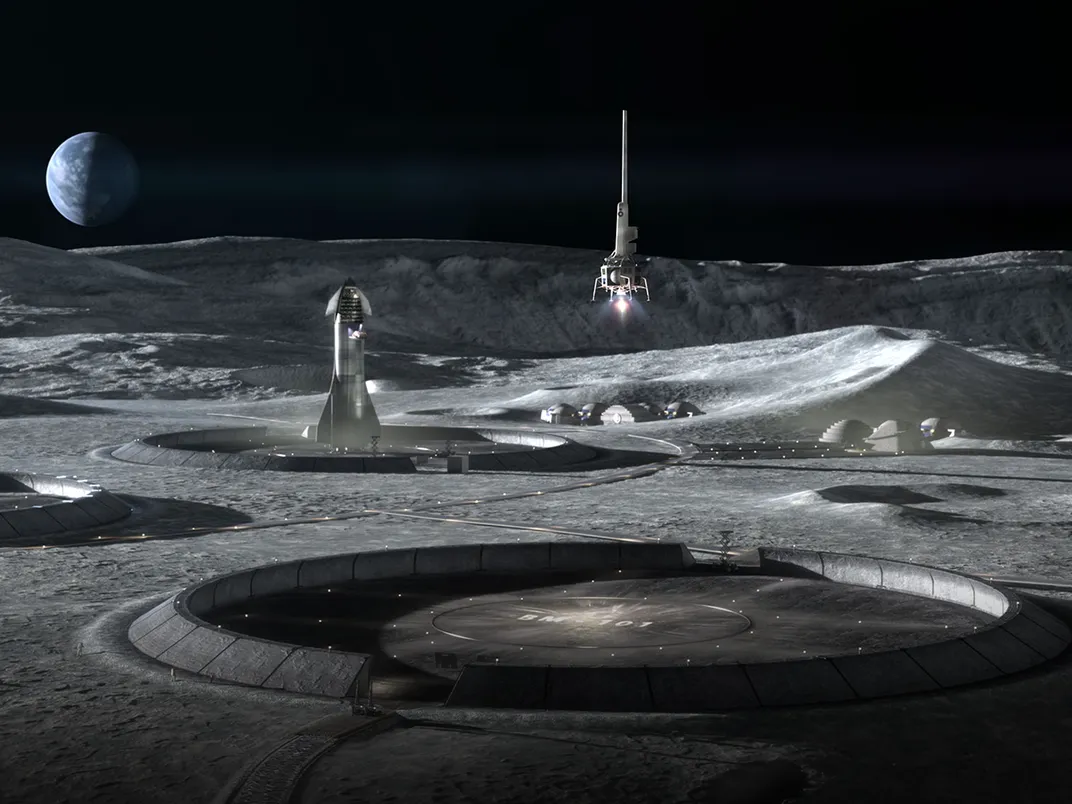
Okay, let’s geek out on the gadgets. This base isn’t some tin can; it’s a high-tech habitat using inflatable modules – think Bigelow Aerospace vibes, but NASA-fied. These modules expand like magic once in space, creating massive living space without lugging bulky parts from Earth. Inside? 3D-printed walls from moon regolith (that dusty soil), radiation shielding thicker than your bunker dreams, and life support systems recycling 98% of water and air.
Food? Hydroponic farms growing lettuce, potatoes, and strawberries under LED lights. Power? Kilopower nuclear reactors buried underground for reliable juice, no matter the 14-day lunar night. And mobility? Moon rovers with AI that drive themselves, pressurized suits letting you roam for eight hours straight. NASA’s even testing robots that 3D-print entire structures from lunar dirt – no humans needed for the grunt work.
But the real game-changer? In-situ resource utilization (ISRU). They extract hydrogen and oxygen from ice to make fuel. That means refueling depots for Mars missions. Launch from the Moon, escape velocity is way lower – cheaper, safer, faster. It’s like turning the Moon into our solar system’s gas station.
Why This Changes Everything for Humanity
Hold onto your hats, because this base isn’t just a cool outpost; it’s humanity’s insurance policy. Earth faces asteroids, climate chaos, pandemics – you name it. A Moon base? That’s Plan B. It diversifies our species, ensuring we don’t go extinct if things go south here.
Science bonanza too. Telescopes on the Moon’s far side? Zero interference from Earth’s radio babble. We’d peer deeper into the universe, hunting exoplanets and black holes like never before. Mining helium-3 for fusion power? Could solve Earth’s energy crisis. And economically? Space tourism, manufacturing in microgravity, asteroid mining hubs – trillions in the making.
Imagine kids today growing up knowing humans live off-world. It shifts our mindset from “Earthlings” to “Solar System Citizens.” Inspirational? Absolutely. NASA’s betting this base ignites a new space race, pulling in private players like SpaceX and Blue Origin to foot the bill.
The Tough Road Ahead: Challenges We Can’t Ignore
It’s not all moonbeams and rainbows. Radiation’s brutal – cosmic rays that’d fry you in days without shielding. Dust? Lunar regolith is like razor-sharp glitter, gumming up suits and machinery. Gravity’s one-sixth Earth’s, so muscles atrophy, bones weaken – long-term health risks galore.
Cost? Eye-watering. Early estimates peg the base at $90 billion over a decade, but partnerships could slash that. Politics too – Artemis is international, with ESA, JAXA, CSA on board, but tensions (ahem, Russia/China) could derail it. And psychologically? Isolation on a barren rock? NASA’s simulating with HI-SEAS missions in Hawaii, but the real deal’s uncharted.
Yet, NASA’s crushing milestones: Artemis I flew uncrewed in 2022, II’s crewed lunar orbit in 2025-ish, III’s landing by 2026. Base elements deploy by 2028, full habitat by 2030. It’s happening, folks – faster than you think.
The Big Picture: Our Leap to the Stars
So, why’s this NASA’s hidden gem? It’s overshadowed by Mars mania, but strategically, it’s genius. The Moon base is the stepping stone – test beds for Mars habitats, human physiology in space, closed-loop systems. Nail this, and Mars is next. Then asteroids, Jupiter moons, who knows?
This isn’t just engineering; it’s evolution. Humanity’s always pushed boundaries – oceans, mountains, skies. Now, the Moon. It could spark innovations trickling back to Earth: better recycling, advanced robotics, sustainable ag. And culturally? Stories, art, music born from lunar life.
Next time you gaze at the Moon, remember: it’s not empty anymore in our plans. NASA’s Lunar Base Camp is poised to etch humanity’s footprint forever. Are you ready for liftoff? Because this gem’s about to shine brighter than the stars. Stay tuned – the future’s lunar, and it’s awesome.