
Why Electric Vehicles Are Secretly Crushing Gas Cars in 2024
The Total Cost of Ownership That’s Quietly Killing Gas Cars
Okay, let’s kick this off with the big one that nobody’s shouting from the rooftops yet: total cost of ownership. You hear all this noise about EV sticker prices being high, but dig a little deeper, and it’s like EVs are pulling off a stealth takedown. In 2024, the average gas car is guzzling fuel at prices that fluctuate like a bad stock tip—$3.50 a gallon here, spiking to $5 there. EVs? Electricity is steady, often half the cost per mile. We’re talking 3-4 cents per mile versus 12-15 for gas hogs.
But wait, there’s more. Maintenance on EVs is ridiculously low. No oil changes every 5,000 miles, no timing belts snapping, no endless brake replacements because regenerative braking does most of the work. AAA data shows EVs cost about 50% less to maintain over five years. Factor in incentives—up to $7,500 federal tax credit on models like the Chevy Equinox EV—and suddenly that “expensive” Tesla Model 3 is cheaper over time than a comparable Camry. BloombergNEF crunched the numbers: lifetime ownership costs for EVs dropped below gas cars in most U.S. states by mid-2024. Secretly crushing? You bet. Your wallet knows it before your brain does.
Performance That Feels Like Cheating
Remember when sports cars were all about horsepower wars? EVs said, “Hold my charge.” Instant torque means 0-60 in under 3 seconds on everyday models like the Hyundai Ioniq 5 N—faster than a Hellcat without the drama. Gas cars rev up like they’re auditioning for a symphony; EVs just go. No gear shifts, no turbo lag, just pure, silent acceleration that pins you to the seat.
In 2024, track times tell the tale. The Porsche Taycan crushed laps at Nürburgring faster than V8 supercars, and it’s street-legal luxury. Daily driving? EVs handle like go-karts with low center of gravity from the battery pack. Gas cars feel floaty by comparison. And range? Forget 300-mile anxiety; Rivian R1T hits 400+ miles, Lucid Air pushes 500. Real-world tests from InsideEVs show EVs outpacing gas in highway efficiency too, thanks to smarts like preconditioning. It’s not just fast—it’s smart fast. Gas fans are still revving engines while you’re already at the horizon.
The Charging Network Explosion You’re Not Noticing
Range anxiety? That’s so 2022. By 2024, Tesla’s Supercharger network hit 60,000 stalls worldwide, and now it’s open to everyone—Ford, Rivian, you name it. Electrify America and others added 10,000+ plugs, with 350kW speeds that juice a Kia EV6 to 80% in 18 minutes. Gas stations? Still lines at the pump during rush hour.
Home charging is the real ninja move. Overnight at 240V, wake up to a full “tank” for pennies. Apps like PlugShare make public chargers a breeze—faster than finding parking at Costco. CCS and NACS standards unified, so no more adapter hell. Data from the DOE shows average charge time dropping 40% year-over-year. Meanwhile, gas cars idle in traffic, burning cash. EVs are sipping electrons while you’re Netflixing. Infrastructure spend hit $7.5B in federal funds, turning highways into EV superhighways. It’s happening under the radar, and gas cars are stuck at the old pump.
Tech Overload That Makes Gas Dashboards Look Stone Age
Slide into a 2024 EV, and it’s like warping to the future. Giant touchscreens, over-the-air updates that add features monthly—no dealer visit needed. Tesla’s FSD beta parks itself in tight spots; GM’s Super Cruise handles highways hands-free across 750,000 miles of roads. Gas cars? You’re fiddling with knobs and hoping for CarPlay that doesn’t glitch.
Voice assistants understand natural speech: “Hey Rivian, find the nearest In-N-Out.” AR heads-up displays project turns on the windshield. Bidirectional charging lets your EV power your house during outages—Ford F-150 Lightning saved the day in Maui fires. Infotainment? Spotify, gaming, even Sentry Mode turning your car into a security cam. J.D. Power surveys rank EVs tops in owner satisfaction for tech. Gas cars feel like flip phones next to this. It’s not just driving; it’s an experience upgrade.
Environmental Edge Without the Preachy Vibes
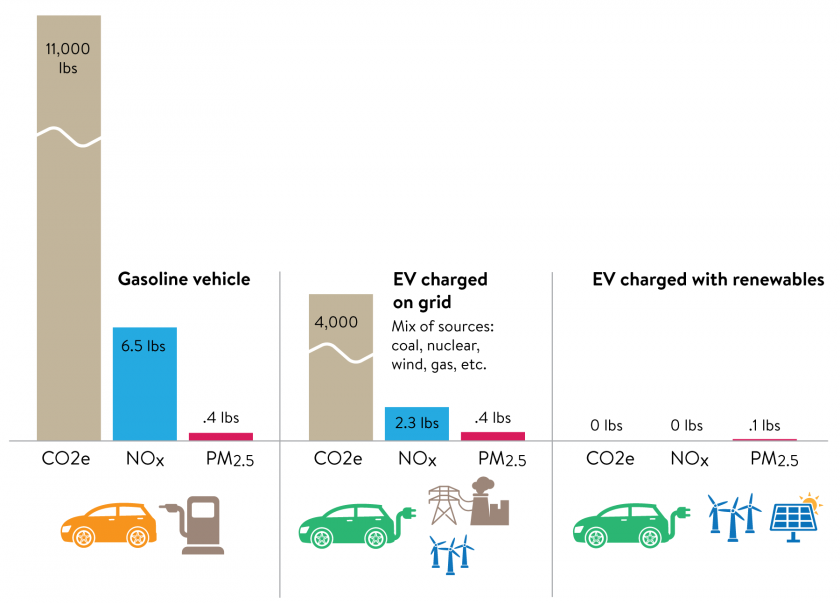
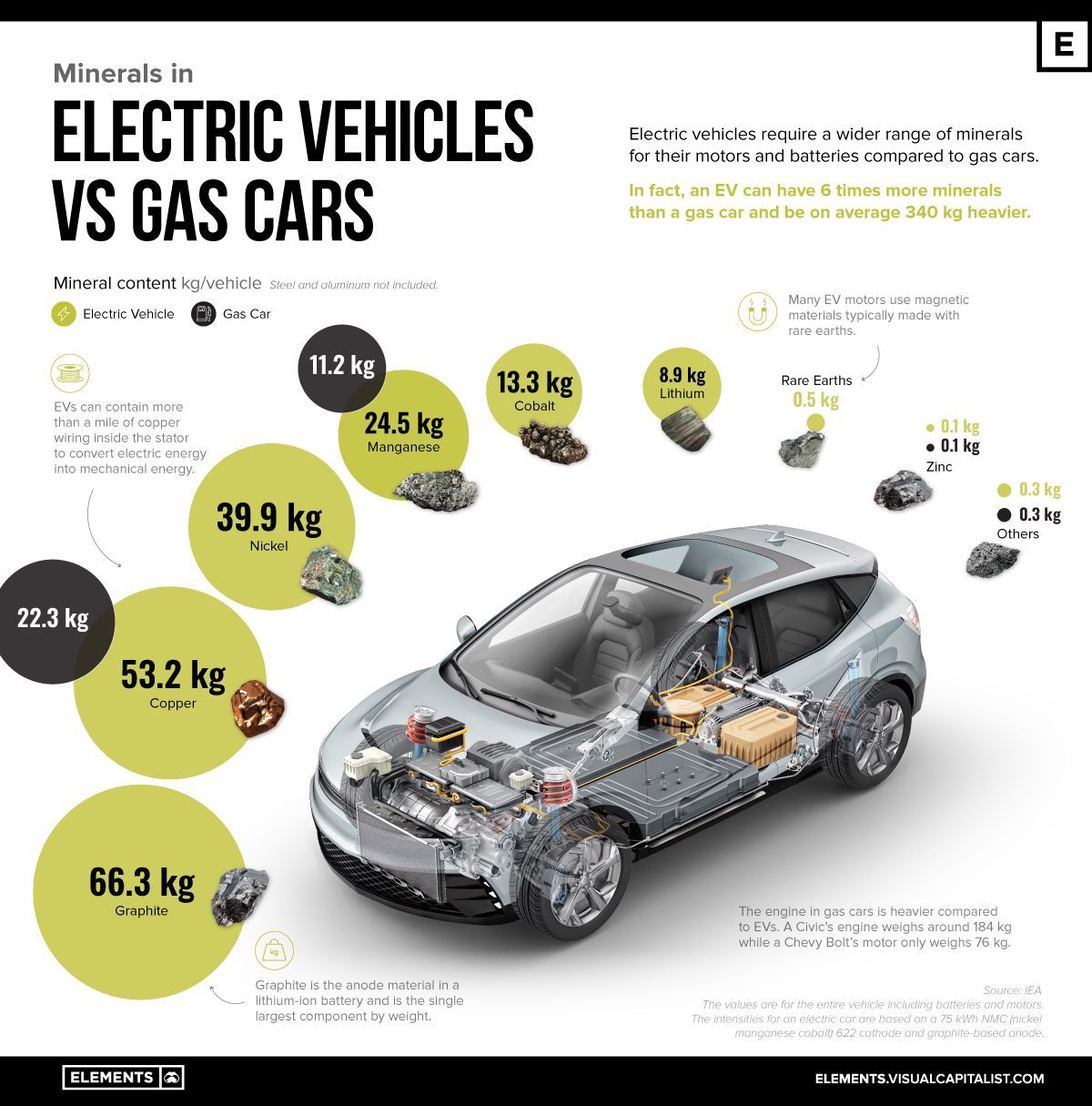
EVs aren’t just greenwashing—they’re lifecycle winners. 2024 EPA data: Tailpipe zero emissions mean cleaner air now, and with renewables at 20% U.S. grid (up 5% YoY), grid carbon drops. Mining concerns? Battery recycling hit 95% efficiency at Redwood Materials, and sodium-ion batteries sidestep lithium drama.
Total lifecycle CO2 for a Tesla Model 3 is 30% less than a Prius after 50,000 miles, per ICCT. Gas cars leak oil, emit forever. EVs pay back manufacturing energy in 1-2 years. Cities like LA report 20% less smog since EV adoption spiked. No sacrifice—same fun, less planet hurt. Insurance companies love it too: EVs in fewer accidents due to safety tech.
Resale Rocket and Insurance Wins
Here’s the shocker: EVs hold value like gold. Kelley Blue Book 2024 report—Model 3 depreciates 20% slower than sedans. Demand outstrips supply; used EVs fetch premiums. Hertz dumped gas fleet for Tesla—big mistake on paper, but resale flipped it.
Insurance? EVs 15-20% cheaper per Progressive stats—fewer fires (ironically), better crash scores. Maintenance savings compound. Over 10 years, you’re pocketing thousands. Wall Street Journal calls it the “hidden EV profit.”
2024: The Tipping Point No One Saw Coming
Sales hit 1.2M in U.S. first half—18% market share. Legacy makers panic-launching 50+ EV models. China dominates exports, flooding markets. Gas cars? Stagnant, with hybrids as a band-aid. EVs aren’t replacing overnight; they’re infiltrating, winning hearts (and garages) quietly.
Next time you fill up, think: that EV down the street is grinning silently. 2024 proves it—EVs are crushing gas cars, one mile, one update, one dollar at a time. Ready to switch? The future’s charged and waiting.