
Attack on Titan Manga Ending Explained: Controversies, Themes, and Fan Backlash
Attack on Titan, the groundbreaking manga by Hajime Isayama, concluded its epic run in April 2021 after 139 chapters, leaving fans worldwide in a whirlwind of emotions. From its 2009 debut, the series exploded into a global phenomenon, blending intense action, political intrigue, and philosophical depth. The finale, however, sparked massive controversy, with debates raging over Eren Yeager’s motivations, the resolution of the Rumbling, and themes of freedom versus morality. This 1200-word guide dives deep into the Attack on Titan manga ending explained, unpacking key plot points, hidden meanings, and why it divided the fandom. Spoiler warning: Proceed only if you’ve read chapters 138-139 or don’t mind major reveals.
The Journey to the End: A Quick Recap
Feature Video
Attack on Titan (Shingeki no Kyojin) begins in a world walled off from Titans—giant, human-eating monsters. Eren Yeager, Mikasa Ackerman, and Armin Arlert uncover horrifying truths: Humanity outside the walls is real, Eldians are descendants of Ymir Fritz who can transform into Titans, and Marley uses them as weapons. The story evolves from survival horror to geopolitical thriller, revealing the Founding Titan’s power over Paths—a metaphysical realm connecting all Subjects of Ymir.
By the final arc, Eren inherits the Founding Titan, launching the Rumbling: Colossal Titans flattening the world to “protect” Paradis Island. His friends—Survey Corps members turned global terrorists—must stop him. This sets up the manga’s climactic chapters, where alliances fracture, betrayals unfold, and the cycle of hatred is confronted. Isayama masterfully builds tension, forcing readers to question if Eren is hero, villain, or both. The ending resolves these threads but in ways that polarized fans, fueling endless AoT ending explained discussions on Reddit, Twitter, and forums.
Chapter 139 Breakdown: Eren’s True Plan Revealed
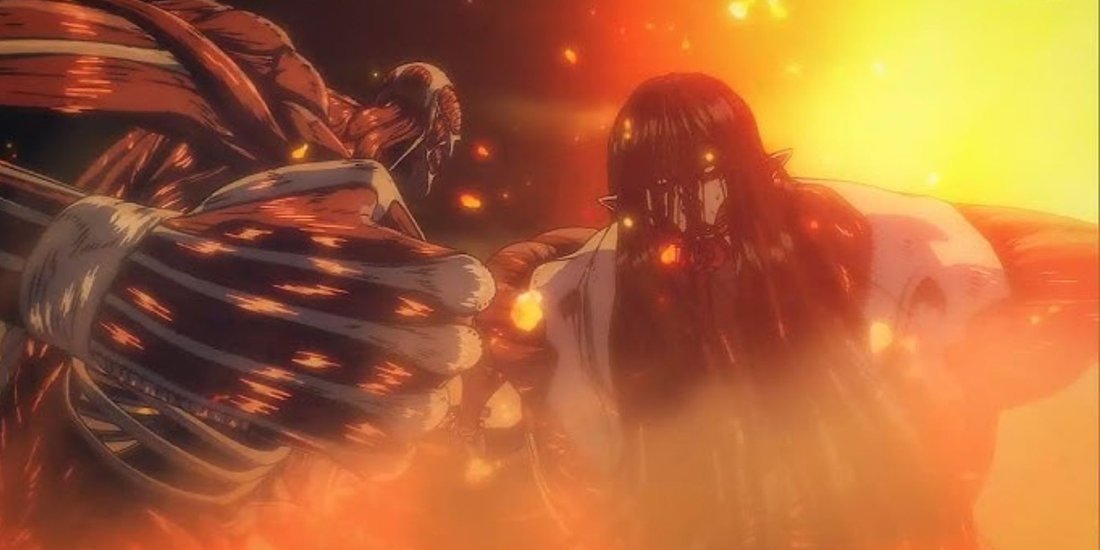
The finale, “Toward the Tree on That Hill,” opens with Eren in Paths confessing to Armin. His Rumbling kills 80% of humanity, but he intentionally holds back, allowing Mikasa, Armin, and others to catch up. Eren admits manipulating events from the start—killing his father Grisha to inherit the Attack Titan, pushing friends toward the ocean, even orchestrating the Yeagerist uprising. Why? To make his comrades heroes who stop him, ensuring Paradis’ future.
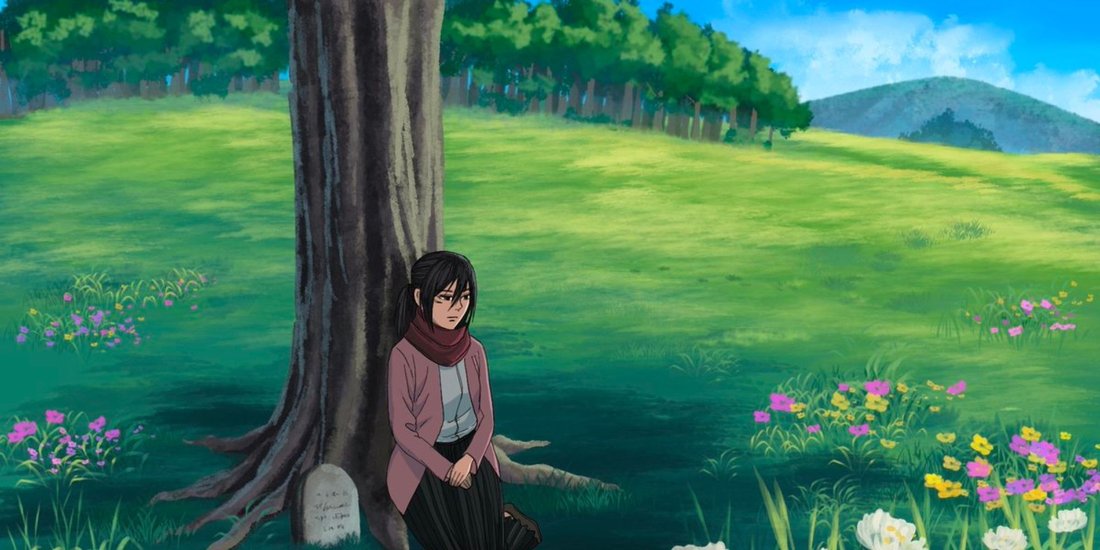
Mikasa’s pivotal role shines: She kills Eren, severing Ymir Fritz’s love-fueled curse after 2,000 years. Ymir, the original Titan, watches from Paths, finally freed. Eren’s death triggers the Titan powers’ extinction; all Eldians lose transformation abilities. Birds symbolize freedom— one frees Eren’s head from the nape, another perches on Mikasa’s scarf. Flash-forwards show a peaceful Paradis, but with ominous hints: A boy discovers Eren’s buried head under a tree resembling Ymir’s origin, implying the cycle might repeat.
Isayama layers symbolism richly. Eren’s “See you later” to Armin echoes their childhood promise, blending nostalgia with tragedy. The ending rejects Eren’s genocidal freedom, affirming bonds over isolation. Yet, loose ends—like Historia’s pregnancy, the Yeagerists’ rule, and global threats—leave room for interpretation, boosting SEO searches for Attack on Titan manga ending explained.
Key Themes: Freedom, Determinism, and Moral Ambiguity
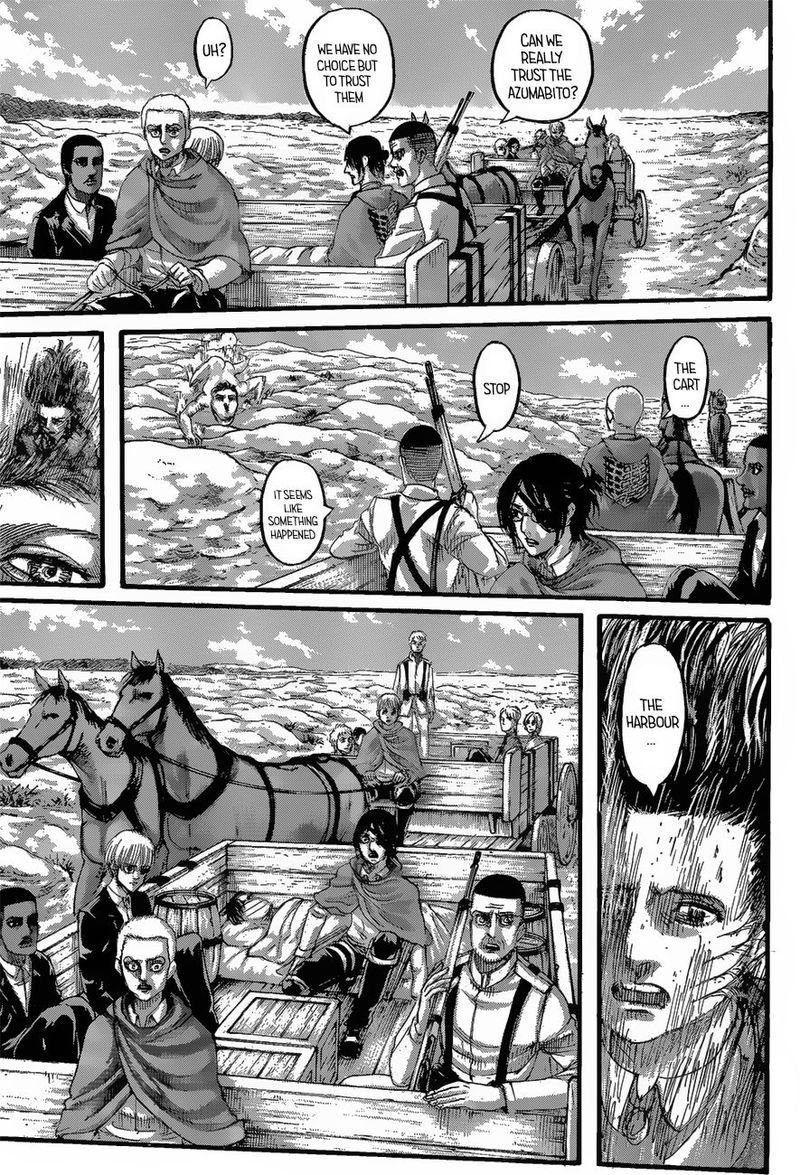
At its core, Attack on Titan grapples with freedom. Eren’s mantra, “Tatake” (fight), evolves into radical extremism. Future visions via Attack Titan show his path was predetermined, yet he chooses it, sparking debates on free will. The ending posits true freedom in accepting connections—Mikasa’s love breaks the cycle, not Eren’s bird-like escape.
Moral grayness defines the finale. Eren commits genocide but saves his island; Marley oppressed Eldians, yet Rumbling mirrors their atrocities. Armin’s alliance with Isayama (the alliance leader) embodies compromise, negotiating peace post-Rumbling. This nuance frustrates fans craving clear victories, amplifying controversy.
The Controversies: Why Fans Are Divided
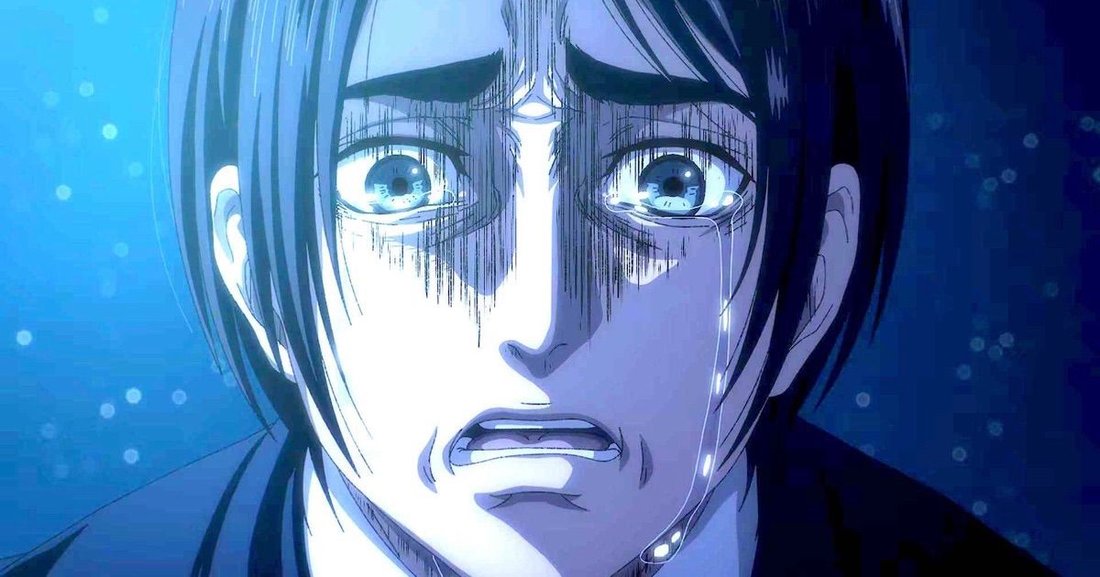
No Attack on Titan ending controversy discussion skips the backlash. Chapter 139 faced accusations of rushed pacing—Eren’s exposition dump via Paths feels info-heavy. Early leaks suggested darker tones; final edits added hopeful epilogues, like Eren smiling at Mikasa’s choice, alienating those expecting unrepentant villainy.
Eren’s arc drew ire: From rage-fueled protagonist to mass murderer puppet-master? Some call it character assassination; others praise the tragic fall. Mikasa killing Eren split shippers—Eremika fans rejoiced at her “moving on,” while critics saw it as forced romance closure. The “bird is Eren” theory gained traction, symbolizing his spirit’s freedom, but Isayama debunked overt romance.
Political readings fueled fire. Eren’s Rumbling echoed real-world extremism, drawing Nazi comparisons (Armband aesthetics, isolationism). Isayama denied intent, but themes of nationalism and cycles of revenge resonated uncomfortably amid global tensions. Pacing issues peaked in Chapter 138’s “lightning spear” fights, criticized as fanservice over plot. Petitions for redraws hit 100,000 signatures, though Isayama stood firm.
Anime adaptations amplify debate. MAPPA’s Part 4 finale (2023) tweaked visuals—extended Eren-Mikasa scene, clearer Paths—for clarity, softening some complaints. Still, manga purists decry changes like added dialogue.
Fan Reactions and Isayama’s Defense
Fandom fractured: Twitter trended #ThankYouEren and #BadEnding simultaneously. Western fans leaned critical (Change.org petitions), Japanese polls showed 60% satisfaction. Influencers like Mother’s Basement dissected timelines, proving Eren’s manipulations via micro-chapters.
Isayama addressed via interviews: In Bessatsu Shōnen Magazine, he cited influences like Muv-Luv Alternative’s bittersweet ends. He envisioned Eren’s death early, evolving themes from revenge to inheritance of will. A guidebook confirmed Ymir’s love for King Fritz as the curse’s root, validating Mikasa’s parallel.
Positive takes highlight maturity: Ending subverts shonen tropes—no power fantasy win, but flawed peace. Sales soared—over 110 million copies—proving controversy boosted visibility.
The Legacy of Attack on Titan’s Manga Finale
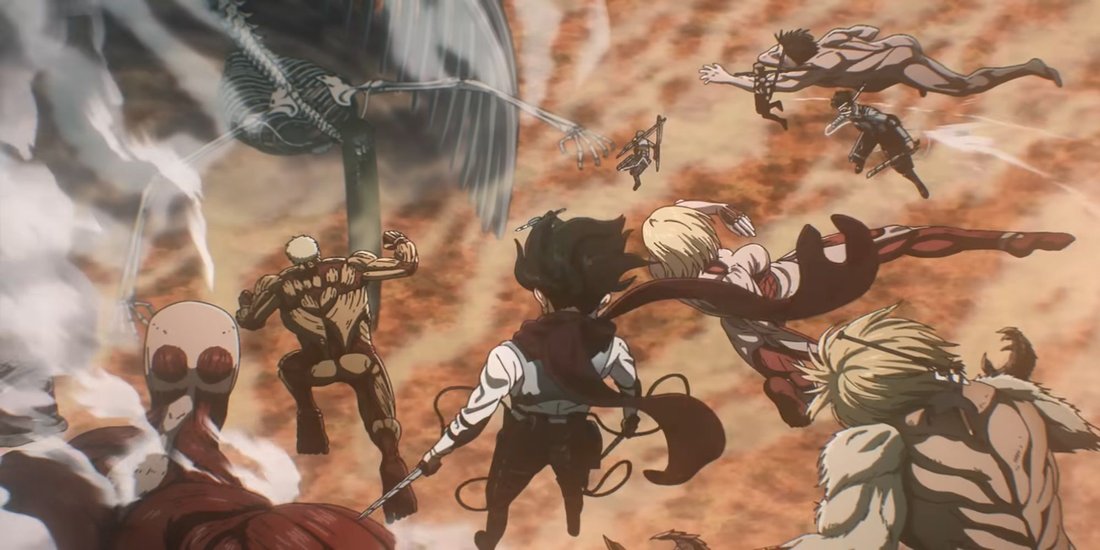
Despite backlash, the ending cements Attack on Titan as a masterpiece. It challenges readers: Is peace worth genocide’s shadow? Paradis’ future tree hints recurrence, underscoring endless struggle. Streaming spikes post-finale affirm enduring appeal.
For newcomers, the manga ending rewards rewrites—spotting breadcrumbs like Chapter 1’s bird. Debates sustain relevance, with spin-offs like “No Regrets” expanding lore. As anime concludes, AoT ending explained content thrives, ensuring Isayama’s vision endures.
In sum, Attack on Titan’s finale is polarizing genius: Imperfect, profound, unforgettable. Whether you see redemption or cop-out, it sparks vital conversations on humanity’s darkest impulses. What’s your take? Share below!
(Word count: 1217)