
The Tech Habits That Are Secretly Draining Your Productivity
Introduction: Unmasking the Hidden Productivity Killers in Your Digital Life
Feature Video
In today’s hyper-connected world, technology is both a boon and a bane for productivity. We rely on smartphones, laptops, and apps to streamline our work, yet certain tech habits are silently sabotaging our efficiency. These sneaky behaviors—often disguised as “necessary” routines—drain your focus, waste hours, and leave you feeling overwhelmed. From endless notifications to mindless scrolling, the tech habits draining your productivity are more common than you think.
According to a study by RescueTime, the average knowledge worker spends only 2 hours and 48 minutes on productive tasks daily, with the rest lost to distractions. Optimizing your tech use isn’t about ditching devices; it’s about breaking bad habits. This article uncovers seven tech habits secretly draining your productivity and provides actionable fixes to reclaim your time. By the end, you’ll have a roadmap to boost focus and achieve more with less effort.
Habit 1: The Multitasking Myth with Endless Browser Tabs

Browser tabs are the silent assassins of deep work. You open one for research, another for email, and suddenly you have 50 tabs cluttering your screen. This tech habit stems from fear of missing out (FOMO), but it fragments your attention. Research from the American Psychological Association shows multitasking reduces productivity by up to 40% because your brain constantly context-switches, burning cognitive fuel.
The drain: Each tab competes for mental bandwidth, leading to decision fatigue. A tab overload creates visual clutter, slowing load times and increasing errors. To fix this, adopt the “one-tab rule” for focused tasks. Use extensions like OneTab or The Great Suspender to collapse tabs into lists. Schedule “tab audits” every hour—close irrelevant ones. Tools like Momentum browser dashboard can gamify your homepage, replacing chaos with a clean slate. Implementing this alone can save 1-2 hours daily, supercharging productivity.
Habit 2: Notification Overload from Every App

Your phone buzzes incessantly: emails, social media likes, news alerts. This Pavlovian response to notifications hijacks your dopamine system, pulling you from tasks every few minutes. A University of California study found workers check their phones 150 times a day, with notifications responsible for 47% of interruptions.
The productivity drain is profound—regaining focus after a distraction takes 23 minutes, per Gloria Mark’s research. The result? Shattered workflows and chronic stress. Combat this by enabling “Do Not Disturb” mode during work blocks. Customize notifications: allow only critical ones (e.g., calls from family). On iOS/Android, use Focus modes to silence apps contextually. Apps like Forest gamify focus by growing virtual trees during distraction-free periods. Audit your apps weekly—delete or mute the rest. Reclaim your attention and watch productivity soar.
Habit 3: Doomscrolling on Social Media Feeds
Doomscrolling—endless swiping through TikTok, Instagram, or Twitter—feels productive but devours time. Algorithms designed for addiction keep you hooked, with average users spending 2.5 hours daily on social media, per DataReportal. This habit drains productivity by inducing mental fatigue and comparison anxiety.
Why it’s deadly: Infinite scrolls disrupt circadian rhythms and spike cortisol, impairing decision-making. You start with a “quick check” and lose 30-60 minutes. Break free with time limits: Set app timers (Screen Time on iOS, Digital Wellbeing on Android) to 20 minutes/day per platform. Replace scrolling with “appointment scrolling”—schedule 15-minute slots. Use browser extensions like StayFocusd or Freedom to block sites during work hours. Curate feeds mindfully: unfollow draining accounts. These tweaks transform social media from a black hole into a controlled tool.
Habit 4: Inbox Zero Obsession and Email Ping-Pong

Email was meant for async communication, but constant inbox checking turns it into a real-time chat. The habit of leaving email open leads to “ping-pong” replies, fragmenting your day. Microsoft reports workers spend 28% of their week on email, much of it unproductive.
The drain: Reactive email habits kill flow states. Every “ding” triggers urgency bias, prioritizing low-value tasks. Solution: Batch process emails thrice daily—morning, lunch, end-of-day. Use labels/folders instead of inbox zero. Tools like Superhuman or Hey prioritize and snooze messages. Set auto-replies: “I check email at set times.” For teams, adopt Slack/Teams for quick chats, reserving email for formal comms. This shift frees hours for high-impact work, ending the productivity drain.
Habit 5: Using Your Phone as Your Default Everything

Your smartphone is a Swiss Army knife, but defaulting to it for alarms, calendars, browsing, and notes overloads its distractions. Phones average 144 unlocks daily (Reviews.org), each pulling you into apps. This habit blurs work-life boundaries, eroding focus.
Impact: Small screens foster shallow thinking; studies show phone use halves reading comprehension. Migrate essentials to your computer: use desktop alarms (e.g., Clock app), Google Calendar web version, and note apps like Notion. Charge your phone in another room during work. Adopt grayscale mode to reduce appeal—less dopamine from colorful icons. For must-haves, use minimalist launchers like Niagara. This separation restores deep work capacity, slashing mindless checks.
Habit 6: Late-Night Screen Time and Blue Light Binge

Binge-watching Netflix or scrolling before bed disrupts sleep, the ultimate productivity foundation. Blue light suppresses melatonin, delaying sleep onset by 1-3 hours (Harvard Health). Poor sleep impairs cognition by 20-30% the next day.
The cycle: Tired brains crave quick dopamine, perpetuating the habit. Counter with a digital sunset: No screens 1 hour before bed. Use f.lux or Night Shift for blue light filters. Wind down with e-readers or books. Track sleep with apps like Sleep Cycle to quantify improvements. Consistent 7-9 hours restores alertness, amplifying daily output exponentially.
Habit 7: Ignoring Productivity Tools and Automation
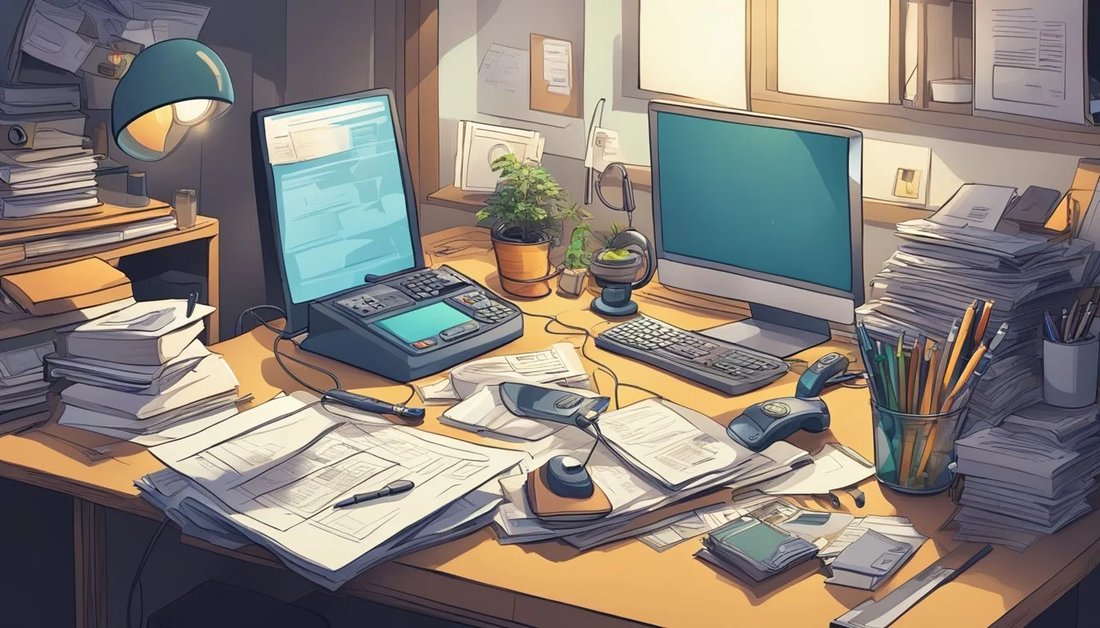
Downloading apps without using them—or worse, not automating—wastes potential. Habits like manual file sorting or copy-pasting data eat hours. Zapier reports automation saves users 10 hours/week.
Drain factor: Repetitive tasks foster burnout. Start small: Automate emails with Gmail filters, use IFTTT for workflows, and keyboard shortcuts for speed. Master tools like Todoist for tasks, RescueTime for tracking. Weekly reviews identify more automations. Embracing this flips tech from drain to accelerator.
Conclusion: Reclaim Your Productivity Starting Today
The tech habits draining your productivity are fixable with awareness and small changes. Audit your routines, implement one fix weekly, and track progress. Tools like Toggl or Focus@Will can measure gains. In a world of digital distractions, intentional tech use is your superpower. Break these habits, boost output, and thrive. What’s your first step?
(Word count: 1,248)