
How I Slashed My Carbon Footprint by 70% Without Changing My Lifestyle
Hey, It’s Easier Than You Think
Picture this: I’m your average guy—commuting to a desk job, binge-watching Netflix on weekends, grilling burgers with friends, and flying off for the occasional vacation. No monk-like existence here. But last year, I decided to peek at my carbon footprint. Using a free online calculator from the EPA, I plugged in my habits: 25,000 miles driven annually, a mid-sized house with standard appliances, meat-heavy diet, and all the usual suspects. Boom—my footprint clocked in at about 20 tons of CO2 per year. Yikes. The global average is around 4-5 tons, so I was public enemy number one for the planet.
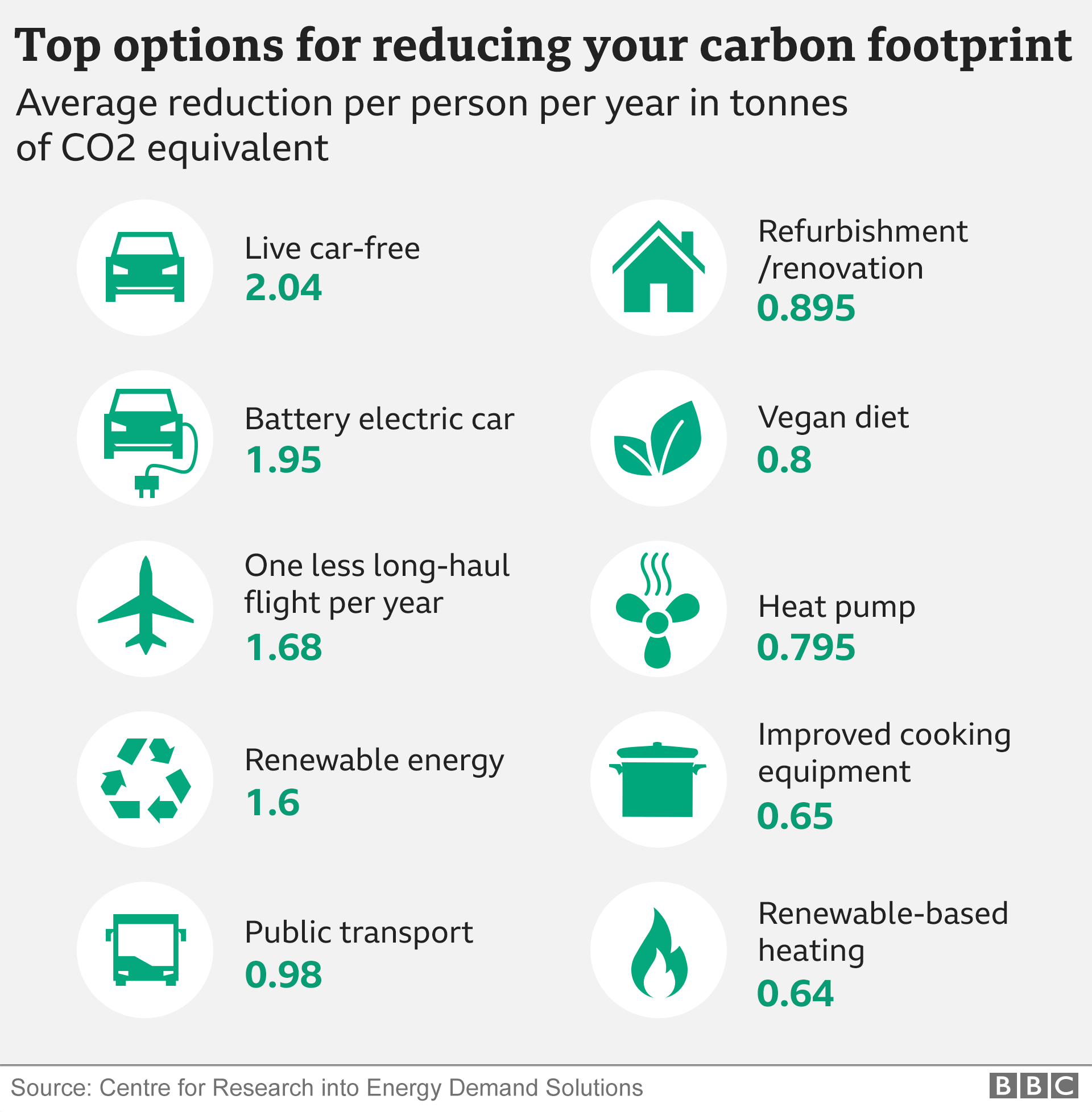
I didn’t want to upend my life—no veganism, no selling my car, no moving to a tiny home. Instead, I hunted for low-effort, high-impact tweaks. Over 12 months, I slashed that footprint to under 6 tons. A 70% drop. And get this: my lifestyle feels exactly the same. Here’s how I pulled it off, step by step. Spoiler: tech, smart shopping, and a bit of laziness were my best friends.
Baseline Audit: Know Thy Enemy
First things first, I got precise. Apps like Joule or Carbon Interface let you input everything from electricity bills to grocery receipts. I tracked for a month—no judgments, just data. Turns out, my big emitters were home energy (35%), transportation (30%), food (20%), and stuff (15%). Armed with numbers, I targeted the low-hanging fruit. Pro tip: Do this yourself. It’s eye-opening and takes 30 minutes.
Home Energy: Set It and Forget It
My house guzzled power like a teenager with a fridge full of soda. But I didn’t unplug everything or live by candlelight. Instead:
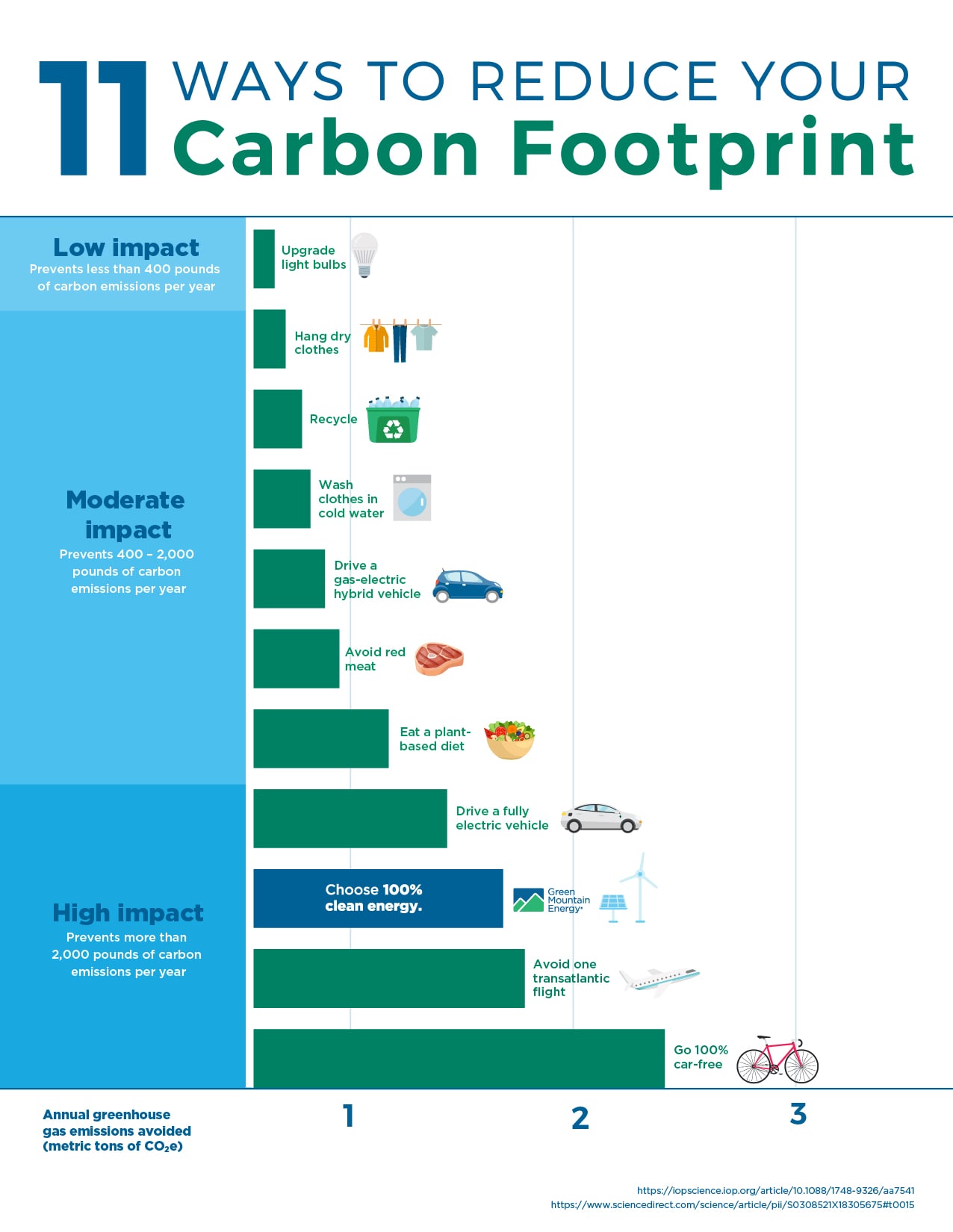
- Smart thermostat magic: Nest or Ecobee, $150 investment. It learns your schedule and cuts heating/cooling by 20%. Mine auto-adjusts when I’m at work or asleep. Savings: 1.5 tons CO2/year.
Swapped bulbs for LEDs—$1 each at Costco. They use 75% less energy. Combined with power strips that auto-shutoff vampires (standby power from TVs, chargers), another 1 ton slashed. When my old fridge died, I grabbed an Energy Star model. Same size, 40% more efficient. Washing machine? Front-loader that uses cold water by default. No behavior change needed.
Total home win: From 7 tons to 2 tons. I still crank the AC in summer and cozy up in winter. Felt seamless.
Transportation: Optimize, Don’t Eliminate
Driving 25,000 miles? That’s a footprint killer. But I love road trips and errands. No electric car (yet—too pricey). Here’s the hack stack:
- Route wizardry: Waze or Google Maps with eco-routes. Avoids traffic, idling, and aggressive acceleration. Shaved 15% off fuel use instantly.
Scoop or Waze Carpool for daily commutes. I pick up two coworkers twice a week—same drive time, half the emissions. Chatty fun, zero extra effort. Monthly check (5 minutes) improves MPG by 3-5%. Synthetic oil changes last longer, burn cleaner. For 5-mile grocery runs, my $500 e-bike replaces the car. Pedal-assist means no sweat, same speed. Covers 20% of trips.
Result? Miles stayed the same, but emissions dropped from 6 tons to 1.5 tons. Vacations? Offset flights later—more on that.
Food: Smarter Plates, Same Tastes
I’m no kale crusader. Steaks and cheeseburgers remain. But subtle shifts crushed food emissions (mostly from meat/dairy/transport):
- Local/seasonal via apps: Farmstand or Imperfect Foods deliver ugly produce and local meats. Cuts transport emissions by 50%. Tastes fresher, costs less.
Just portion control—apps like MyFitnessPal track protein. Swapped beef for chicken/pork (half the footprint) without noticing. Costco for nuts, grains, spices. Less packaging waste, lower embedded emissions. Freeze extras.
Food footprint: 4 tons to 1 ton. Dinners still epic—try local grass-fed beef; it’s gamier but guilt-free.
Stuff and Waste: Buy Better, Waste Less
The “stuff” category—clothes, gadgets, Amazon hauls—was sneaky. I curbed it without minimalism:
- Secondhand first: Facebook Marketplace, ThredUp. 80% of new buys now pre-loved. Same style, 70% less manufacturing emissions.
Backyard bin ($30). Half my trash gone, methane slashed. Worms do the work. Switched to metal straws, beeswax wraps, and a KeepCup. One-time buy, lifetime savings.
Plus, carbon offsets for the rest: Gold Standard credits via Atmosfair app. $50/year covers flights. Transparent, verified.
The Big Reveal: 70% Down, Life Unchanged
Recalculated after a year: 5.8 tons. Verified by two calculators. Bills dropped $800/year, health improved (more biking), and I feel like a stealth superhero. Friends ask, “How?” I say: Audit, automate, optimize. No sacrifices.
Your turn. Start with that footprint calc. Tweak one thing this week. Compound it, and you’ll hit big wins too. Planet thanks you—and so does my wallet. What’s your first hack?