
How to Start a Podcast: From Concept to First Episode
How to Start a Podcast: From Concept to First Episode
Starting a podcast has never been easier or more accessible, thanks to affordable technology and widespread distribution platforms. Whether you’re passionate about storytelling, expert advice, or niche hobbies, launching your own show can build an audience, boost your personal brand, and even generate income. In this comprehensive guide on how to start a podcast, we’ll walk you through every step from ideation to publishing your first episode. By the end, you’ll have a clear roadmap to hit record and go live.
Brainstorm Your Podcast Concept
Feature Video
The foundation of any successful podcast is a strong concept. Ask yourself: What unique value can I offer listeners? Start by listing your interests, expertise, and experiences. Are you a fitness enthusiast sharing workout tips? A history buff diving into forgotten events? Or a comedian riffing on daily life?
Refine your idea by researching existing podcasts. Tools like Apple Podcasts, Spotify, and Listen Notes help identify gaps in the market. Aim for a niche that’s specific yet broad enough to attract fans—think “vegan cooking for busy parents” instead of just “cooking.” Validate your concept by surveying potential listeners on social media or forums like Reddit’s r/podcasts.
Define your podcast’s goals: Is it for fun, education, monetization, or networking? This shapes everything from tone to episode length. Most successful podcasts run 20-60 minutes per episode, released weekly. Sketch a 10-episode arc to ensure sustainability.
Identify Your Target Audience
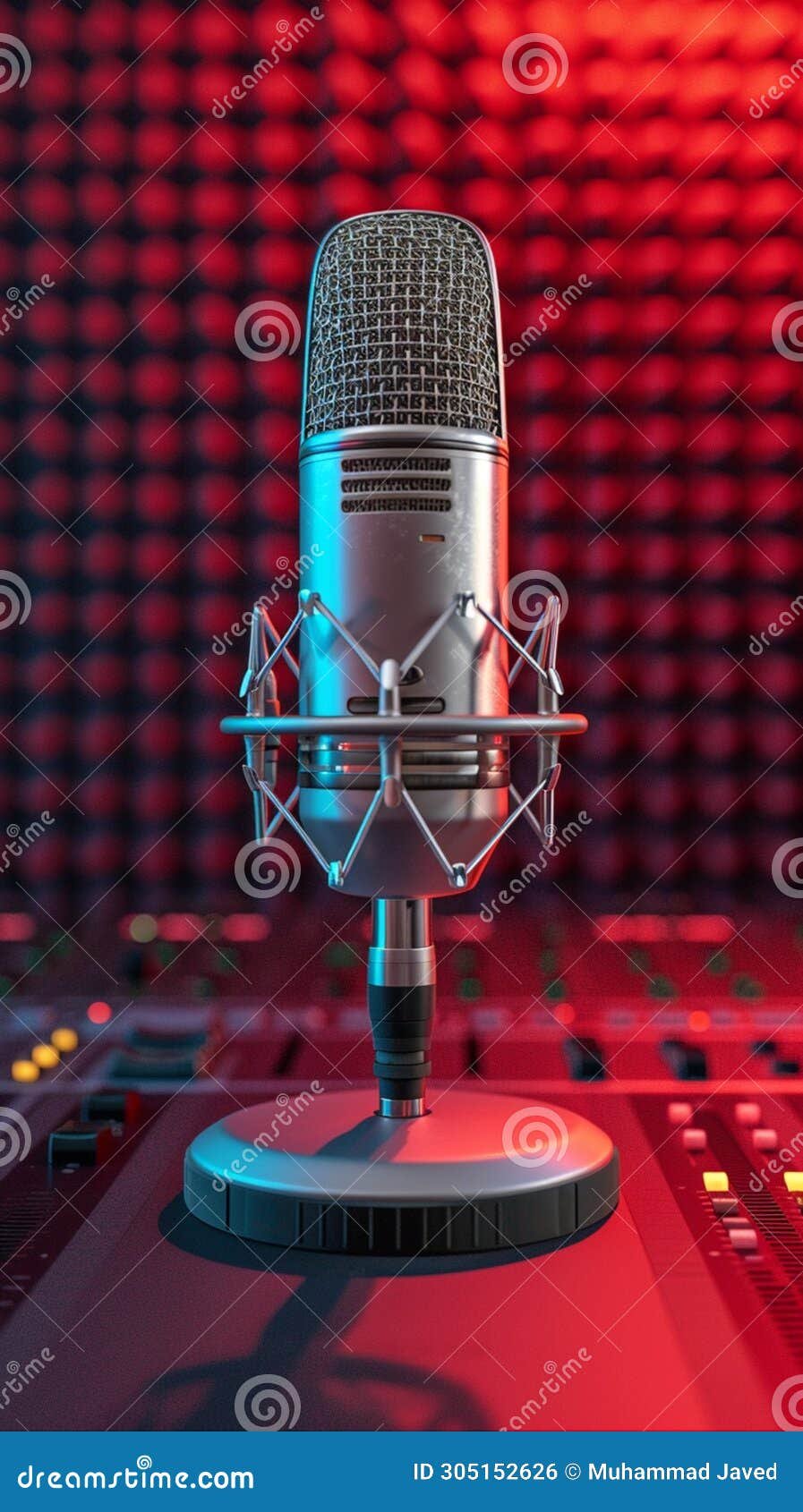
Knowing your audience is crucial for how to start a podcast that resonates. Create listener personas: age, gender, occupation, pain points, and preferred platforms. For example, tech-savvy millennials might prefer Spotify, while professionals favor Apple Podcasts.
Use free tools like Google Trends or AnswerThePublic to uncover search terms related to your niche. Engage early fans via Instagram polls or Twitter threads. Understanding demographics ensures your content solves their problems, fostering loyalty and shares.
Select Your Podcast Format and Style

Podcasts come in solo, interview, narrative, or co-hosted formats. Solo shows suit deep dives into personal topics; interviews leverage guest expertise for dynamic conversations. Narrative styles like true crime thrive on scripting and sound design.
Decide on tone—conversational, authoritative, or humorous—and production level. Beginners should start simple with a USB mic and free software, scaling up later. Consistency in format builds listener habits; announce it upfront in your trailer episode.
Plan Your Content Calendar
Outline episodes to avoid burnout. For your first season, plan 8-12 episodes with titles, descriptions, key points, and timestamps. Use tools like Google Docs, Trello, or Notion for scripting.
Batch content: Research multiple episodes at once. For interviews, create a guest outreach list with personalized emails highlighting mutual benefits. Include calls-to-action (CTAs) like subscribing or visiting a website in every outline.
SEO-optimize episode titles and descriptions with keywords like “best beginner podcast tips” to improve discoverability on podcast directories.
Gather Essential Podcast Equipment

Quality audio is non-negotiable. Start with a budget under $200:
- Microphone: Dynamic mics like Audio-Technica ATR2100x or Shure SM58 ($99) reject background noise.
- Headphones: Closed-back like Sony MDR7506 ($100) for monitoring.
- Interface/Pop Filter: Focusrite Scarlett Solo ($120) for better sound; add a pop filter ($10).
- Software: Free options like Audacity or GarageBand; upgrade to Adobe Audition later.
Record in a quiet space—closets work great for natural soundproofing. Test setups with sample recordings, aiming for -12dB peaks and minimal room echo.
Choose a Podcast Hosting Platform
Hosts store your audio files and generate an RSS feed for distribution. Top free/affordable options:
- Buzzsprout: User-friendly, free for 90 days, $12/month thereafter.
- Libsyn: Reliable for growth, starts at $5/month.
- Anchor (Spotify): Completely free with monetization tools.
Features to prioritize: analytics, unlimited bandwidth, easy submission to directories like Apple, Spotify, and Google Podcasts. Submit your RSS feed post-upload for verification.
Record Your First Episode

Prep your script: 80% outline, 20% ad-lib for natural flow. Warm up your voice, stay hydrated, and speak conversationally at 150 words per minute.
For interviews, use Riverside.fm or Zencastr for remote high-quality audio. Record in mono at 44.1kHz/16-bit WAV. Do a test run, then full take—edit out flubs later. End with a strong CTA and teaser for next episode.
Edit and Enhance Production Quality
Editing polishes your raw audio. In Audacity:
- Normalize levels and compress for even volume.
- Remove ums, long pauses, and noise (use Noise Reduction tool).
- Add intro/outro music—royalty-free from Epidemic Sound or Free Music Archive.
Export as MP3 at 128-192kbps. Aim for 30-45 minutes. Pro tip: Fade in/out music and use EQ to boost clarity (boost 2-5kHz for voice).
Optimize Metadata for SEO and Launch
Craft a compelling show description (400 characters) with keywords. Design cover art (1400x1400px, 300dpi) using Canva—bold text, your face/logo.
Record a 2-5 minute trailer introducing your podcast. Upload to host, submit to directories (takes 1-7 days for approval). Set up a simple website via Buzzsprout or WordPress with Libsyn integration.
Promote Your Podcast Launch
Build hype pre-launch: Tease on social media, email list, or TikTok clips. Cross-promote via guest spots on similar shows.
Post-launch, leverage SEO with transcripts on your site (boosts Google rankings). Engage on Reddit, Facebook groups, and Twitter. Track analytics for downloads and listener retention.
Monetization starts small: Affiliate links, Patreon, or sponsorships after 1,000 downloads/episode.
Common Pitfalls and Pro Tips
Avoid over-editing—authenticity wins. Batch-record to maintain schedule. Listen to feedback and iterate.
Legal notes: Use music with licenses; disclose sponsorships. Scale with video podcasts on YouTube for dual growth.
With persistence, your podcast can thrive. Many top shows started in bedrooms. Hit record today!
(Word count: 1,248)