
The Truth About Red Light Therapy and Its Effect on Aging
What is Red Light Therapy?
Feature Video
Red light therapy (RLT), also known as low-level laser therapy (LLLT) or photobiomodulation, has gained significant attention in recent years as a non-invasive treatment for various health and beauty concerns. This innovative therapy uses specific wavelengths of red and near-infrared light—typically between 630nm and 850nm—to penetrate the skin and stimulate cellular function. Unlike UV light, which can damage skin, red light therapy is gentle and safe, making it a popular choice for those seeking natural anti-aging solutions.
Originating from NASA research in the 1990s, where it was used to grow plants in space and heal wounds in astronauts, RLT has evolved into a mainstream wellness tool. Today, devices range from professional-grade panels in clinics to affordable at-home masks and handheld gadgets. But what does the science say about its claims, especially regarding aging? In this article, we’ll uncover the truth about red light therapy and its effect on aging, separating fact from hype with evidence-based insights.
How Does Red Light Therapy Work on a Cellular Level?
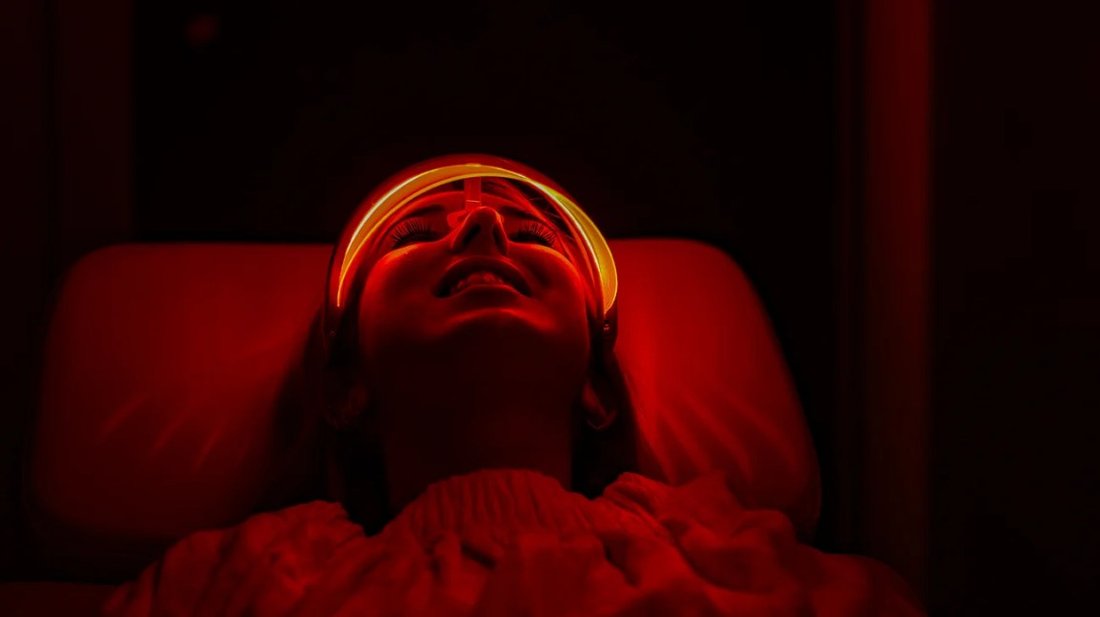
At its core, red light therapy works by interacting with mitochondria, the powerhouses of our cells. These organelles contain chromophores that absorb red and near-infrared light, boosting the production of adenosine triphosphate (ATP)—the energy currency of cells. Increased ATP leads to enhanced cellular repair, reduced inflammation, and improved collagen synthesis, all of which are crucial for combating aging.
When skin is exposed to RLT, photons are absorbed by cytochrome c oxidase in the mitochondria, improving electron transport and oxygen utilization. This process reduces oxidative stress, a key driver of aging caused by free radicals. Studies, such as one published in the Journal of Clinical and Aesthetic Dermatology, show that RLT increases fibroblast activity, leading to more collagen and elastin production. These proteins maintain skin’s firmness and elasticity, directly countering wrinkles and sagging.
For aging specifically, RLT’s wavelengths penetrate 5-10mm into the dermis, where most aging damage occurs. This deep penetration stimulates angiogenesis (new blood vessel formation), enhancing nutrient delivery and waste removal. Over time, consistent use can improve skin texture, reduce fine lines, and even fade age spots, making red light therapy a promising tool in the anti-aging arsenal.
The Science Behind Red Light Therapy and Anti-Aging
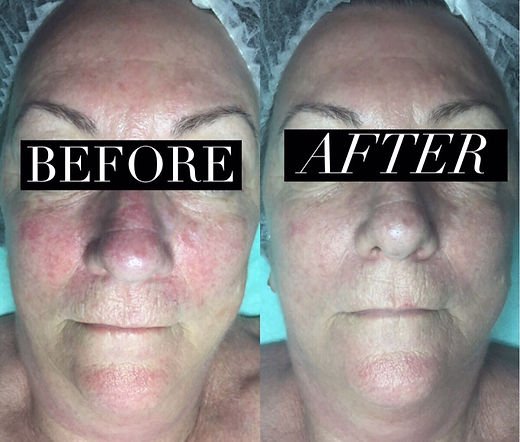
While anecdotal evidence abounds—celebrities like Kourtney Kardashian and Christie Brinkley swear by RLT—the real proof lies in clinical research. A 2014 randomized controlled trial in Photomedicine and Laser Surgery involving 136 participants found that after 30 sessions of RLT, skin complexion improved by 36%, roughness decreased by 23%, and collagen density increased significantly. Fine lines and wrinkles were visibly reduced, with effects lasting months post-treatment.
Another landmark study from the University of Sydney (2020) used RLT on participants over 40 and measured a 31% increase in collagen production after 12 weeks. Near-infrared light (830nm) was particularly effective for deeper wrinkles. Research in the Journal of Cosmetic and Laser Therapy also highlights RLT’s role in reducing photoaging from sun exposure, a primary aging accelerator. By modulating matrix metalloproteinases (MMPs)—enzymes that break down collagen—RLT preserves youthful skin structure.
Beyond skin, RLT influences systemic aging markers. A 2022 meta-analysis in Frontiers in Physiology reviewed 28 studies and concluded that photobiomodulation reduces markers of cellular senescence, like beta-galactosidase, effectively “rejuvenating” aging cells. It also combats telomere shortening indirectly through antioxidant effects, potentially extending cellular lifespan. However, while promising, many studies are small-scale; larger, long-term trials are needed for definitive proof.
Key Benefits of Red Light Therapy for Aging Skin
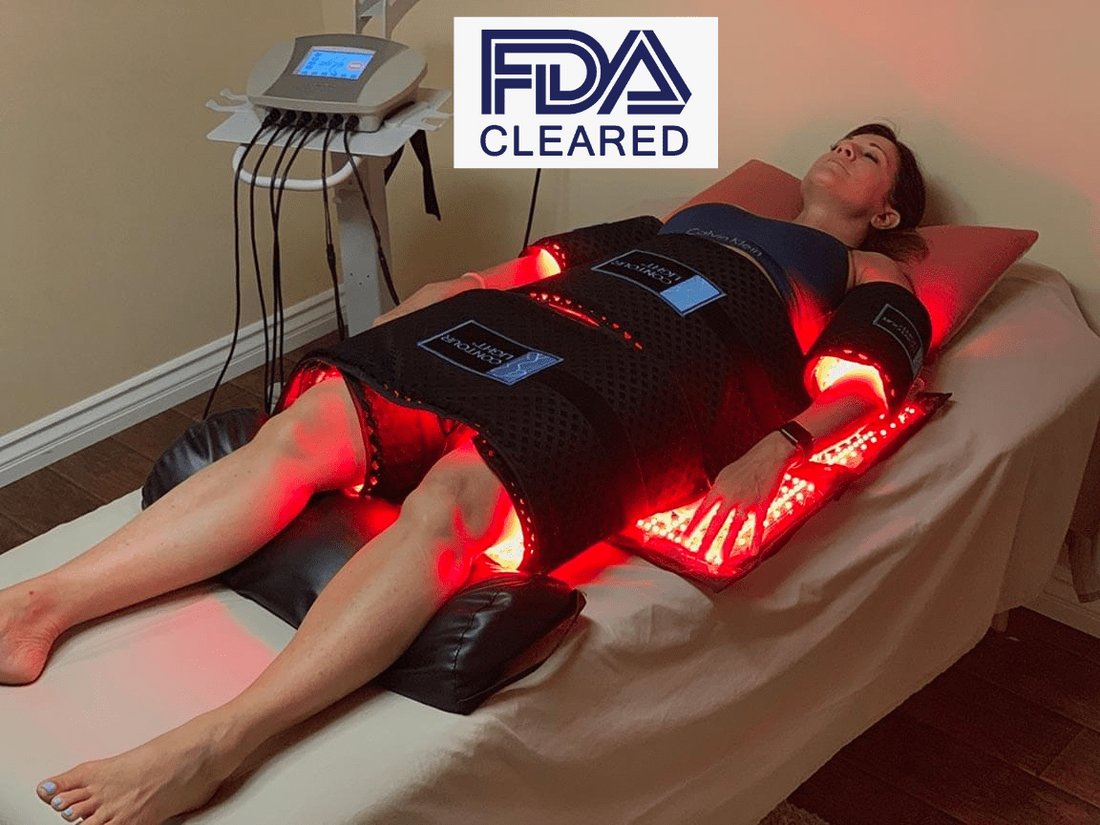
Red light therapy offers multifaceted benefits for aging, making it a holistic anti-aging strategy:
- Wrinkle Reduction: Stimulates collagen I, III, and IV, smoothing crow’s feet and forehead lines.
- Improved Elasticity: Enhances elastin fibers, reducing sagging jowls and neck bands.
- Hyperpigmentation Fade: Inhibits melanin overproduction, evening skin tone.
- Inflammation Control: Lowers cytokines, easing redness and rosacea linked to aging.
- Wound Healing Acceleration: Speeds recovery from cosmetic procedures, minimizing downtime.
For mature skin, RLT also boosts hyaluronic acid production, improving hydration and plumpness. Users report firmer, glowing skin after 4-8 weeks of use, 3-5 times weekly for 10-20 minutes. When combined with topicals like retinoids or vitamin C, results amplify, as light enhances penetration.
Myths and Misconceptions: The Truth About Red Light Therapy
Despite its rise, red light therapy faces skepticism. Myth #1: It’s a “miracle cure” for all aging. Truth: RLT excels at maintenance and mild-moderate aging but won’t reverse severe sun damage alone. Genetics, lifestyle, and UV exposure play larger roles.
Myth #2: All devices are equal. Truth: Effectiveness hinges on irradiance (mW/cm², ideally 20-100+), wavelength purity, and LED quality. Cheap knockoffs often underperform. Look for FDA-cleared devices with third-party testing.
Myth #3: It’s unsafe long-term. Truth: Side effects are rare—mild warmth or temporary redness. No increased cancer risk, as it doesn’t damage DNA like UV. Pregnant individuals or those with photosensitivity should consult doctors. Overuse won’t accelerate aging but may cause diminishing returns.
Critics point to industry bias in studies, but independent reviews, like those from the National Library of Medicine, affirm benefits outweigh risks for most.
How to Use Red Light Therapy Effectively for Anti-Aging
To maximize red light therapy’s effect on aging:
- Choose the Right Device: Panels for full-face coverage; masks for portability. Prioritize 660nm red + 850nm NIR combo.
- Optimal Protocol: 10-20 minutes, 3-5x/week, 6-12 inches from skin. Consistency trumps intensity.
- Prep Skin: Cleanse; apply serum post-session for synergy.
- Track Progress: Photos every 2 weeks; combine with diet, sleep, sunscreen.
- Professional vs. At-Home: Clinics offer higher power; at-home sustains results affordably ($200-2000 investment).
Brands like Joovv, Mito Red, and Omnilux lead with clinical backing. Start slow to build tolerance.
Red Light Therapy vs. Other Anti-Aging Treatments
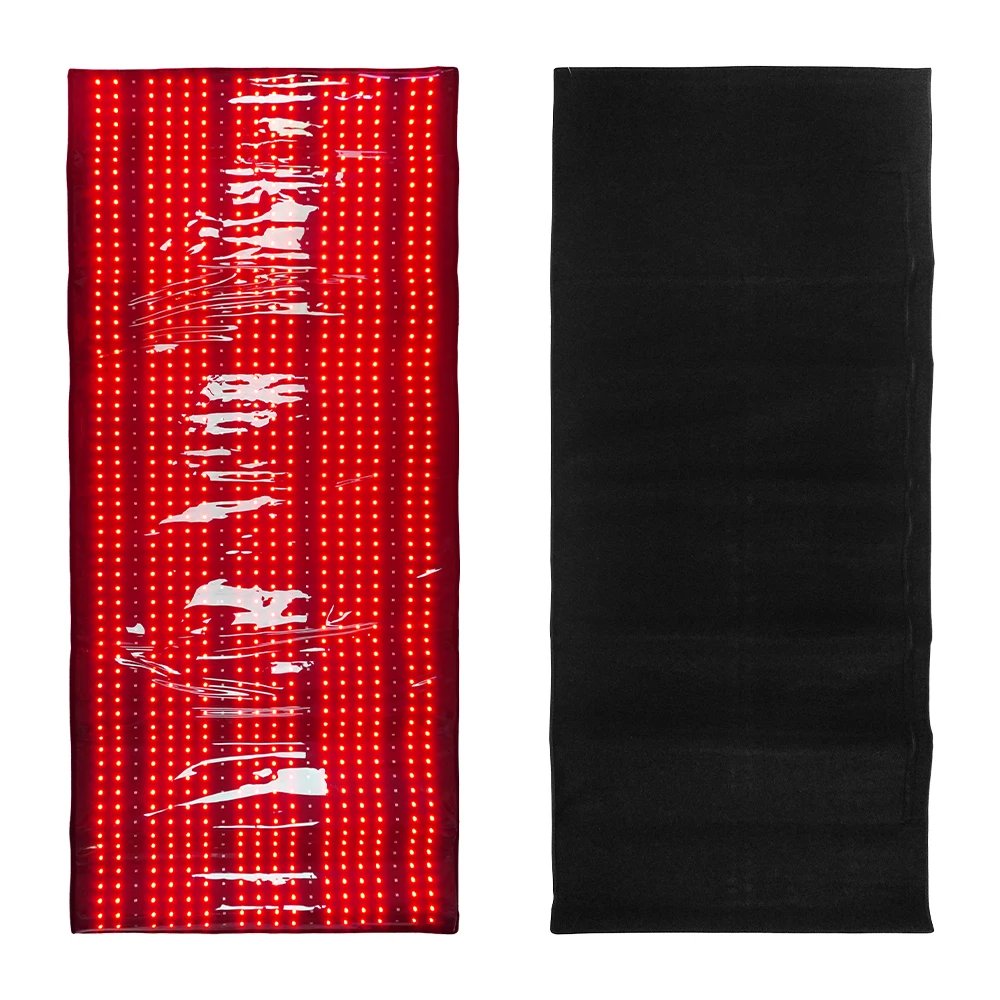
Compared to Botox (temporary paralysis), fillers (volume restoration), or lasers (ablative resurfacing), RLT is gentler, cumulative, and zero-downtime. It complements injectables by boosting healing. Unlike retinoids (irritating), it’s non-chemical. Cost-wise, at-home RLT pays off long-term versus repeated spa visits.
Future of Red Light Therapy in Anti-Aging
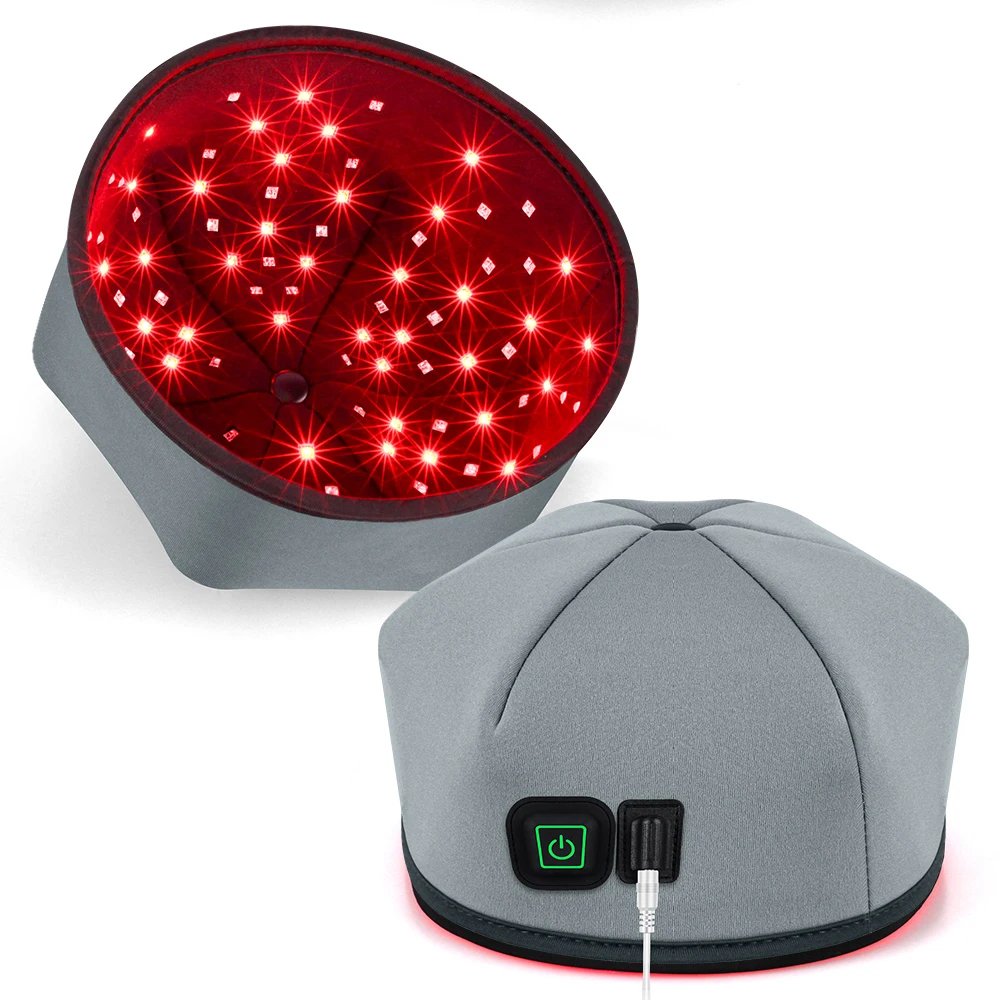
Emerging research explores RLT for hair regrowth, joint health, and neurodegeneration, hinting at broader longevity benefits. Portable, app-controlled devices and AI-optimized protocols signal mainstream adoption. As aging populations grow, RLT could democratize youthful skin.
Conclusion: Is Red Light Therapy Worth It for Aging?
The truth about red light therapy and its effect on aging? It’s not snake oil—solid science supports wrinkle reduction, collagen boost, and skin rejuvenation. While not a fountain of youth, consistent use yields visible, lasting results with minimal risk. For those tired of invasive procedures, RLT offers a science-backed, empowering path to graceful aging. Consult a dermatologist, invest wisely, and embrace the glow. Your future self will thank you.
(Word count: 1,248)