
How to Make Soft Flour Tortillas That Do Not Break or Crack
There’s nothing quite like wrapping your favorite fillings in a soft, pliable flour tortilla that bends without breaking. Store-bought versions often crack and tear, leaving you frustrated during taco night or burrito assembly. But with the right homemade recipe and techniques, you can master how to make soft flour tortillas that do not break or crack. This comprehensive guide will walk you through every step, from selecting the best ingredients to perfecting the cooking method. Whether you’re a beginner or a seasoned home cook, these tips ensure restaurant-quality results every time.
Homemade flour tortillas offer superior flavor, freshness, and texture compared to pre-packaged ones. The secret lies in high-quality ingredients, proper hydration, gentle handling, and resting time. By following this recipe, you’ll create tortillas that stay soft even after cooling, ideal for quesadillas, fajitas, enchiladas, or standalone enjoyment. Optimized for SEO with keywords like “soft flour tortillas recipe,” “non-cracking tortillas,” and “homemade tortillas tips,” this article is your go-to resource for foolproof success.
Why Homemade Flour Tortillas Crack and How to Prevent It
Feature Video
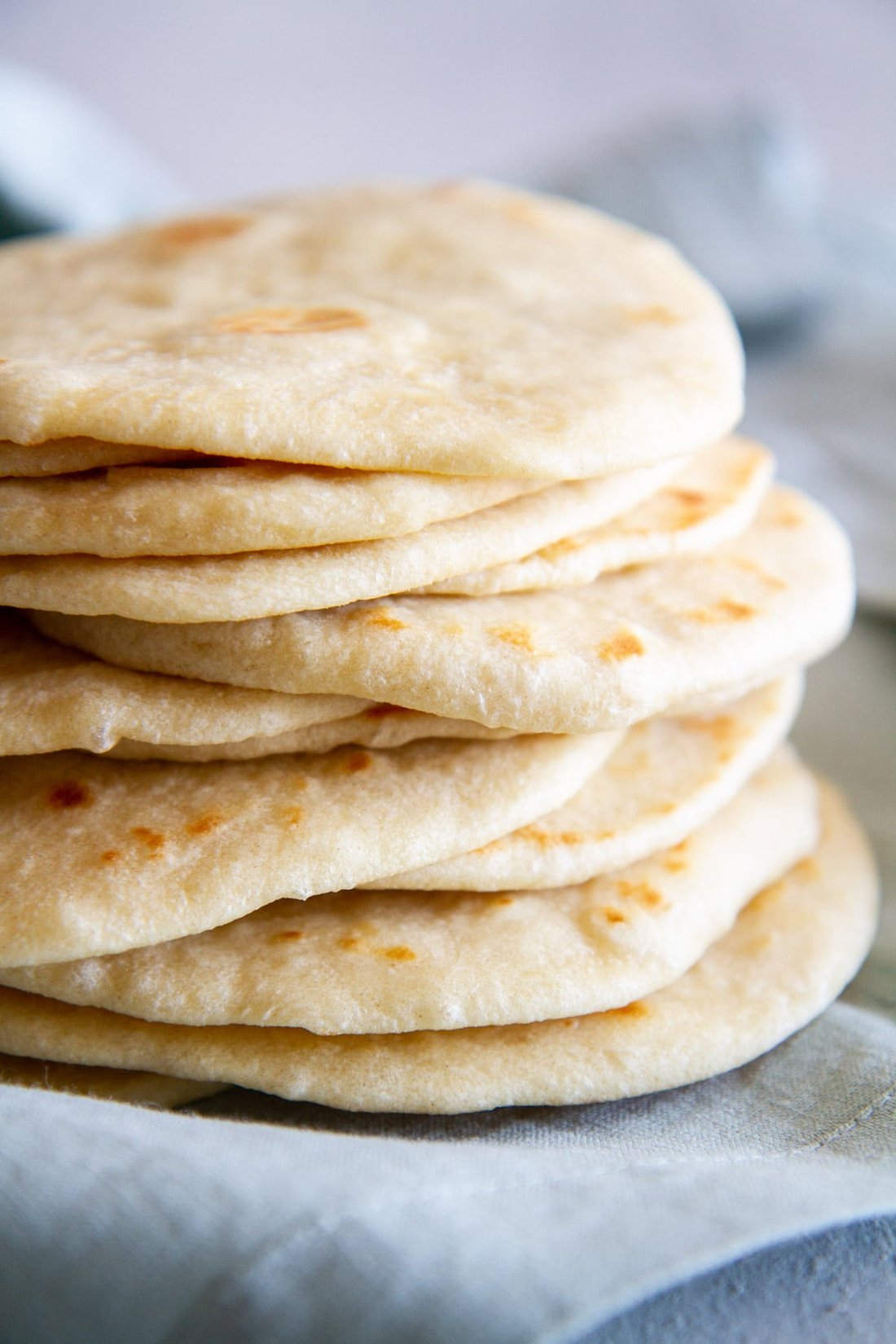
Cracking occurs due to several common pitfalls: insufficient fat, low hydration, over-flouring during rolling, or inadequate resting. Flour tortillas need enough moisture and fat to remain elastic. All-purpose flour with a moderate protein content (around 10-11%) works best, as bread flour makes them too tough and cake flour too fragile. Incorporating fats like lard, butter, or oil creates tenderness, while salt enhances flavor and structure.
Resting the dough is crucial—it allows gluten to relax, preventing spring-back and cracks. Overworking the dough develops excess gluten, leading to brittleness. Temperature control during cooking also matters; too high a heat causes rapid drying and cracking. With our recipe yielding 12 medium tortillas, you’ll avoid these issues entirely.
Ingredients for Soft, Non-Cracking Flour Tortillas
Gather these simple pantry staples for the perfect batch:
- 3 cups (360g) all-purpose flour, plus extra for dusting
- 1 teaspoon baking powder (for extra fluffiness and tenderness)
- 1 teaspoon salt
- 1/3 cup (80ml) neutral oil, such as vegetable or canola (or lard for authenticity)
- 1 cup (240ml) warm water (around 110°F/43°C for optimal hydration)
This combination ensures 45-50% hydration, the sweet spot for pliability. Baking powder acts as a tenderizer, mimicking traditional nixtamalized corn tortillas’ softness in flour versions. For vegan options, stick with oil; for richer taste, use lard or softened butter.
Step-by-Step Instructions: Making the Dough
Step 1: Mix the Dry Ingredients. In a large mixing bowl, whisk together the flour, baking powder, and salt. This even distribution prevents pockets of uneven leavening or seasoning.
Step 2: Add Fats and Water. Drizzle in the oil and warm water. Stir with a wooden spoon or your hands until a shaggy dough forms. The warmth activates the baking powder gently and helps fats incorporate fully.
Step 3: Knead the Dough. Turn the dough onto a lightly floured surface and knead for 3-5 minutes until smooth and soft, like playdough. Avoid over-kneading—stop when it no longer sticks but springs back slightly. Over-kneaded dough leads to tough, cracking tortillas.
Step 4: Rest the Dough. Form into a ball, cover with a damp kitchen towel or plastic wrap, and let rest at room temperature for 30-60 minutes. This hydration step is non-negotiable; it relaxes gluten strands, making rolling effortless and crack-free.
Shaping and Rolling Perfect Tortillas
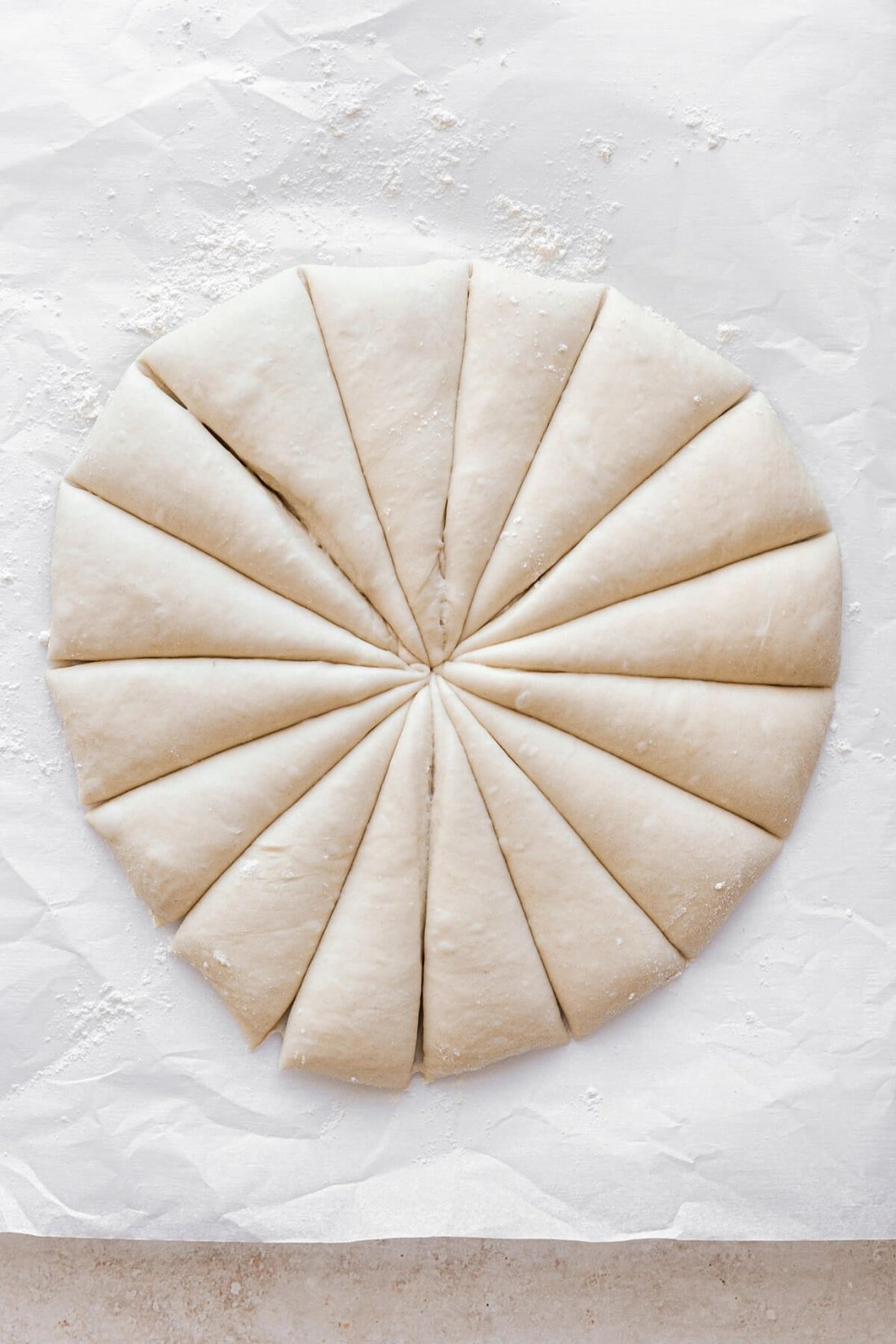
Step 5: Divide and Rest Again. After resting, divide the dough into 12 equal portions (about 60g each). Roll each into a tight ball, cover, and rest for another 15-20 minutes. Double resting maximizes elasticity.
Step 6: Roll Out Thinly. Heat a cast-iron skillet or comal over medium heat. On a lightly floured surface, use a rolling pin to flatten each ball into a 6-8 inch (15-20cm) circle, about 1/16-inch thick. Roll from center outward, rotating frequently. Dust minimally to avoid dryness—excess flour absorbs moisture, causing cracks.
Pro Tip: For uniform rounds, use a tortilla press lined with plastic wrap or a plate as a guide. If edges crack during rolling, the dough needs more rest or hydration.
Cooking Soft Flour Tortillas to Perfection
Step 7: Cook on the Skillet. Place a dough circle on the hot skillet (no oil needed). Cook for 30-45 seconds until bubbles form and light brown spots appear. Flip and cook the other side for 20-30 seconds. Press gently with a spatula to ensure even cooking.
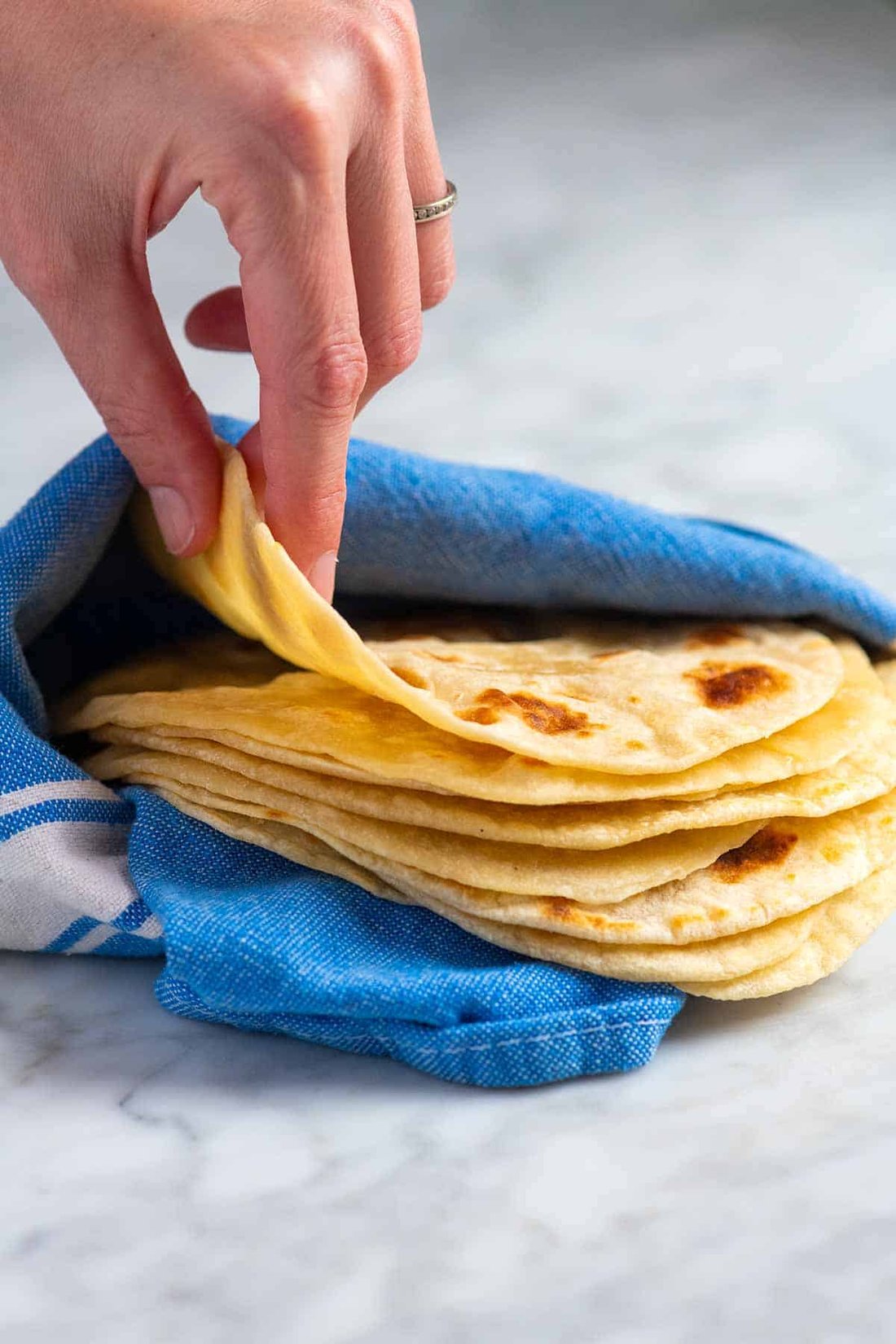
Step 8: Steam and Stack. Transfer to a clean kitchen towel-lined basket or tortilla warmer. Stack subsequent tortillas on top, wrapping the towel over them. This steaming keeps them soft and pliable as they cool, preventing drying and cracking.
Total cook time per tortilla: under 2 minutes. Cook in batches to maintain skillet temperature around 400°F (204°C)—use an infrared thermometer for precision if available.
Expert Tips for Tortillas That Stay Soft and Never Crack
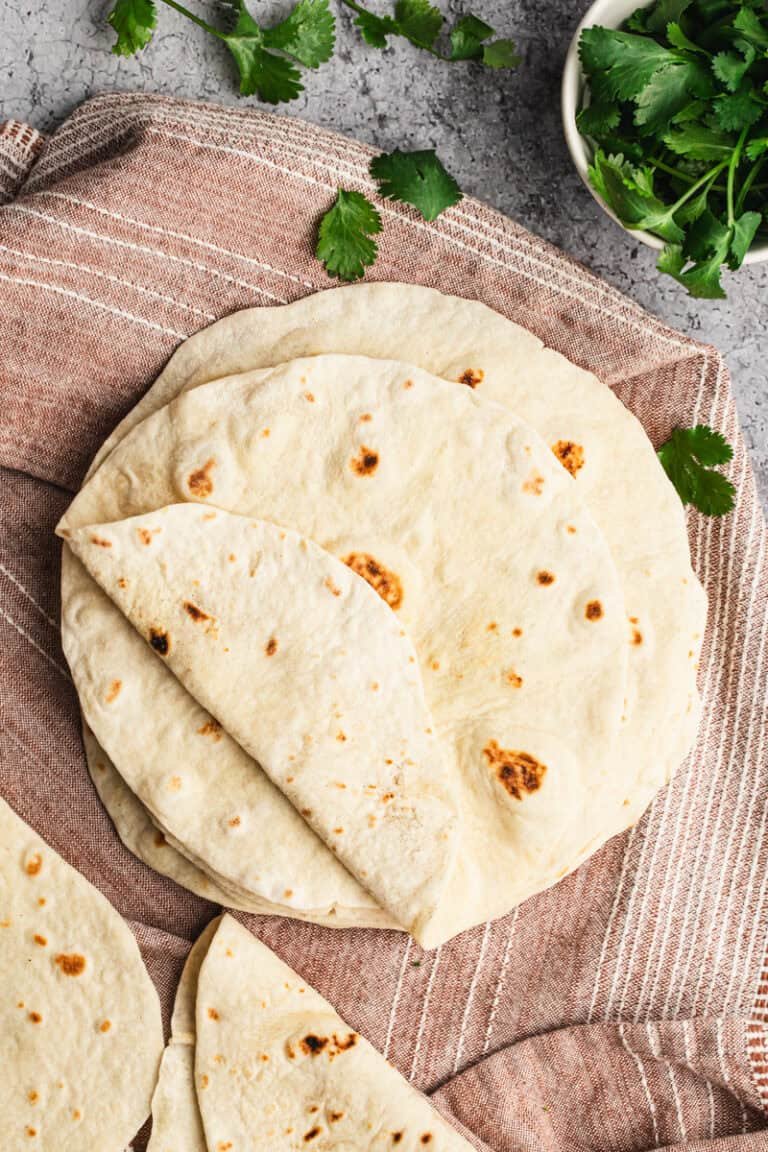
To elevate your game:
- Humidity Control: In dry climates, increase water by 1-2 tablespoons or mist the dough balls.
- Fat Variations: Lard yields the most authentic Mexican-style softness; butter adds flaky layers.
- Storage: Cool completely in the towel, then store in an airtight bag for up to 3 days. Refrigerate up to a week or freeze stacked with parchment between for 3 months. Reheat in a skillet or microwave with a damp towel.
- Troubleshooting: Cracks on edges? More resting. Dense texture? Check baking powder freshness. Pale color? Increase heat slightly.
- Scaling: Double ingredients for larger batches; maintain ratios precisely.
SEO Insight: Searching for “flour tortillas that don’t crack when folding”? Our high-hydration, rested dough delivers. Experiment with additions like 1 tablespoon masa harina for corn-like chewiness.
Common Mistakes to Avoid
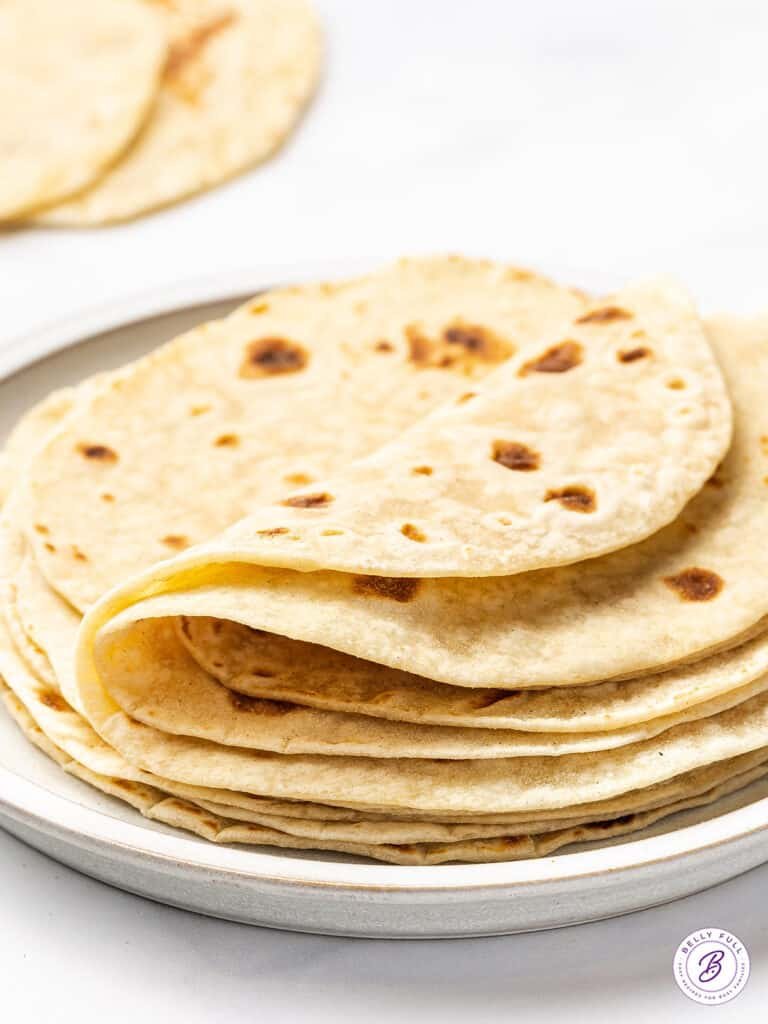
Avoid these pitfalls for flawless results:
- Using cold water—warmth ensures full fat emulsion.
- Skipping rests—gluten needs time to chill out.
- Over-rolling—thin is good, but paper-thin dries out.
- Not stacking warmly—exposed tortillas harden fast.
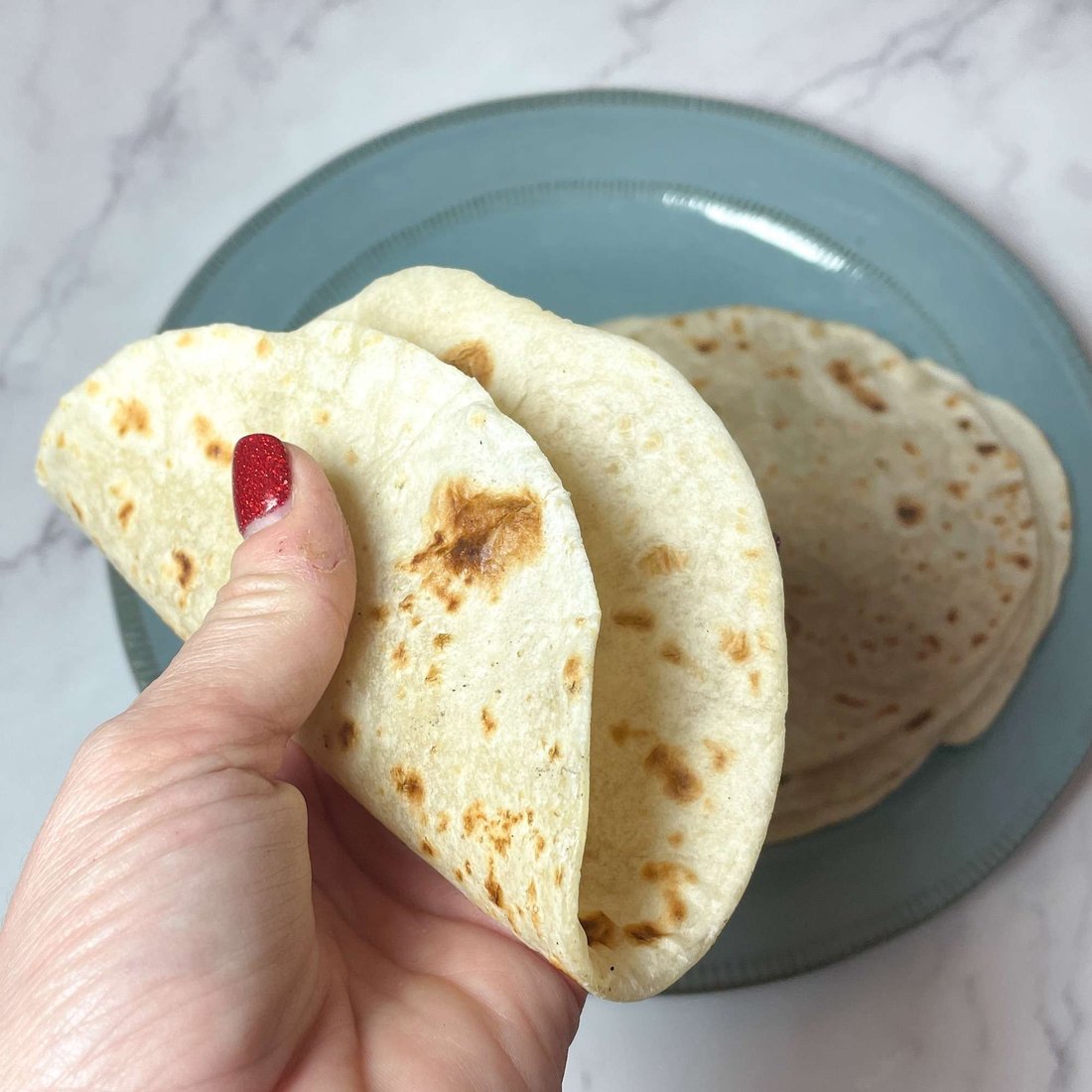
With practice, you’ll notice tortillas folding seamlessly around fillings without a single tear.
Recipe Variations and Serving Ideas
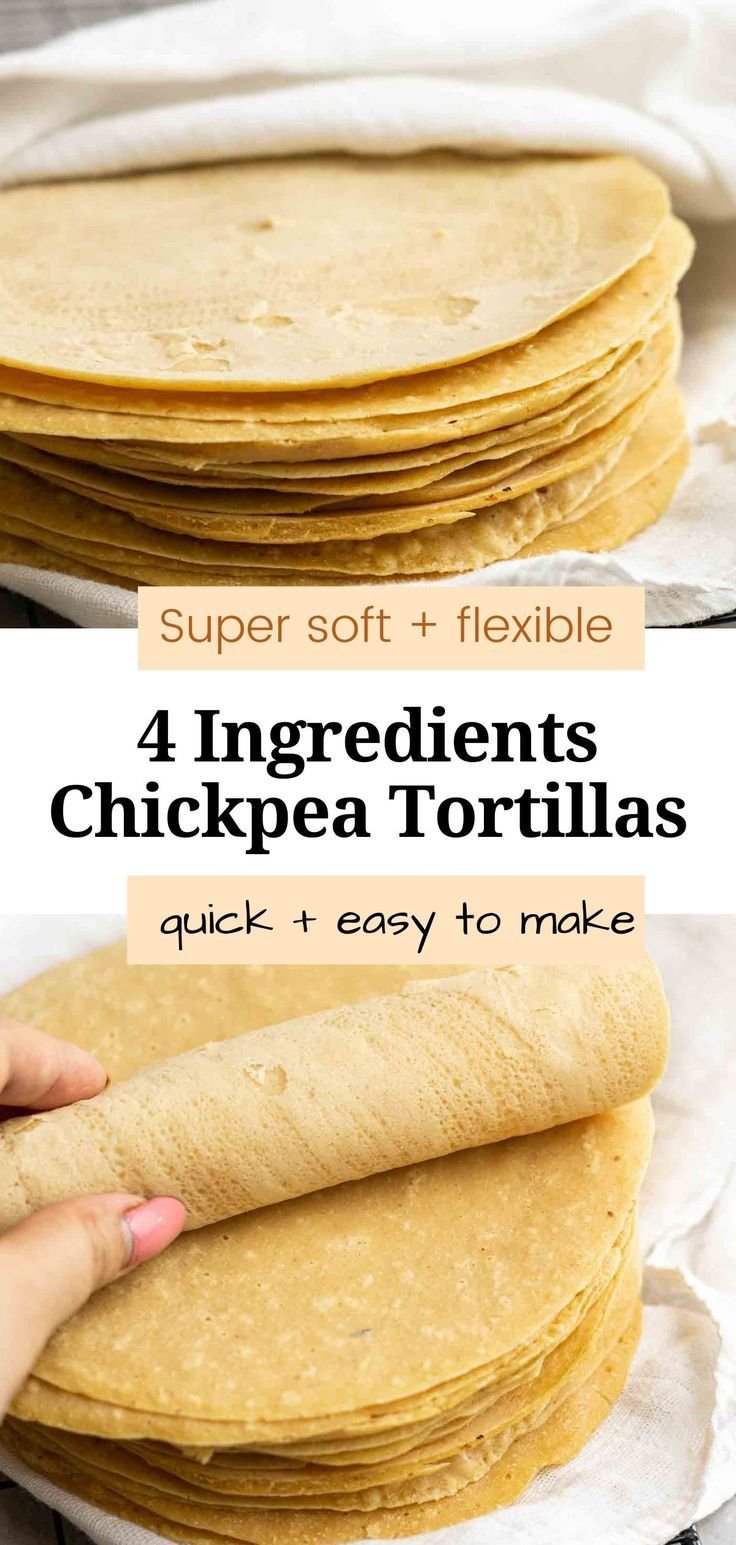
Customize your soft flour tortillas:
- Whole Wheat Version: Swap 1 cup flour for whole wheat for nutty flavor and nutrition; add extra water.
- Herb-Infused: Mix in chopped cilantro or garlic powder.
- Sweet Tortillas: Add 2 tablespoons sugar and cinnamon for dessert wraps.
Serve with carne asada, veggie fajitas, breakfast burritos, or as bases for pizza. Pair with guacamole, salsa, or queso fresco for an authentic feast. These tortillas shine in slow-cooker enchiladas, staying intact during baking.
Nutritional Information and Health Benefits
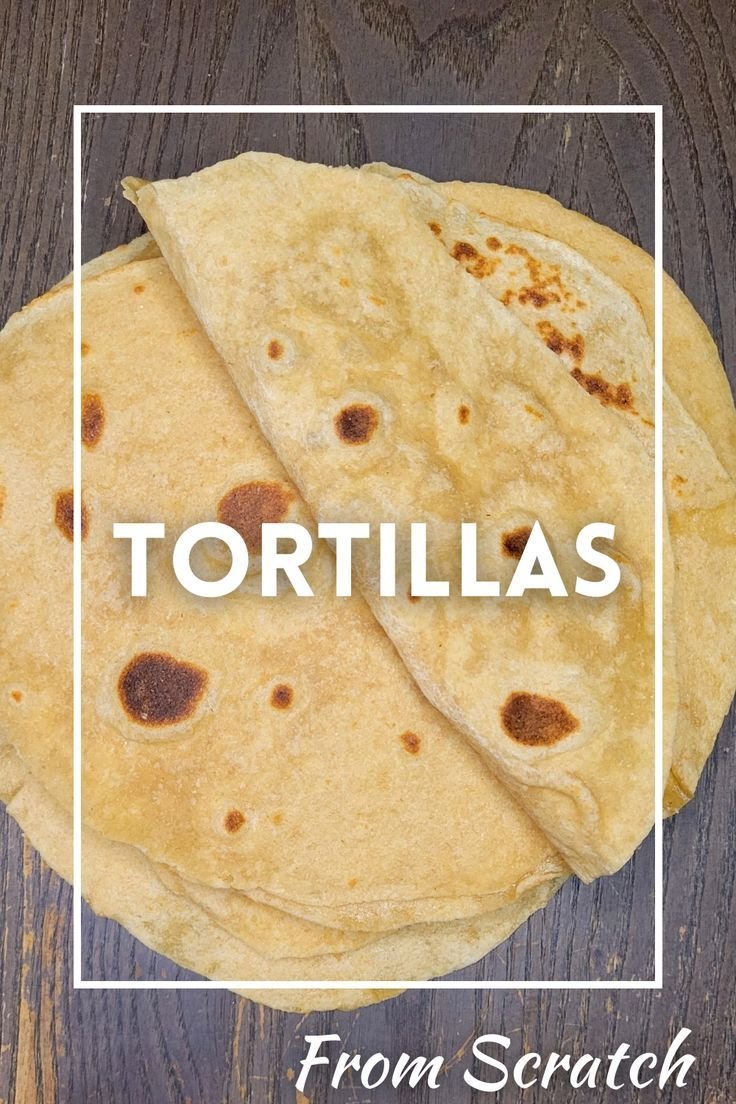
Per tortilla (1/12 recipe): ~150 calories, 5g fat, 22g carbs, 3g protein, 1g fiber. Homemade control means less preservatives and sodium than store-bought. Opt for olive oil to boost healthy fats.
FAQs: How to Make Soft Flour Tortillas
Q: Why do my tortillas crack when I roll them?
A: Insufficient resting or low hydration. Follow our 30+15 minute rests and warm water.
Q: Can I make them ahead?
A: Yes, dough refrigerates up to 24 hours; bring to room temp before rolling.
Q: What’s the best pan?
A: Cast-iron for even heat retention; nonstick works too.
Q: Are these gluten-free possible?
A: Adapt with a 1:1 gluten-free blend and xanthan gum, but texture varies.
Conclusion: Master Crack-Free Tortillas Today
Mastering how to make soft flour tortillas that do not break or crack transforms everyday meals into culinary delights. With quality ingredients, patient resting, and proper cooking, you’ll ditch brittle store versions forever. Print this recipe, gather supplies, and enjoy the satisfaction of homemade perfection. Share your results in comments—what’s your favorite filling? Happy cooking!
(Word count: 1217)