
Crypto’s Quantum Leap: How Post-Halving Tech Will Skyrocket Bitcoin to $500K by 2028
Bitcoin has long been the cornerstone of the cryptocurrency world, and with the recent 2024 halving event now in the rearview mirror, the stage is set for unprecedented growth. This halving reduced the block reward from 6.25 BTC to 3.125 BTC, tightening supply just as demand from institutional investors and technological innovations ramps up. Analysts predict Bitcoin could surge to $500,000 by 2028, driven by a perfect storm of post-halving technologies that enhance scalability, security, and usability. Let’s dive into how these developments will propel BTC to new heights.
Understanding Bitcoin Halving and Its Historical Impact
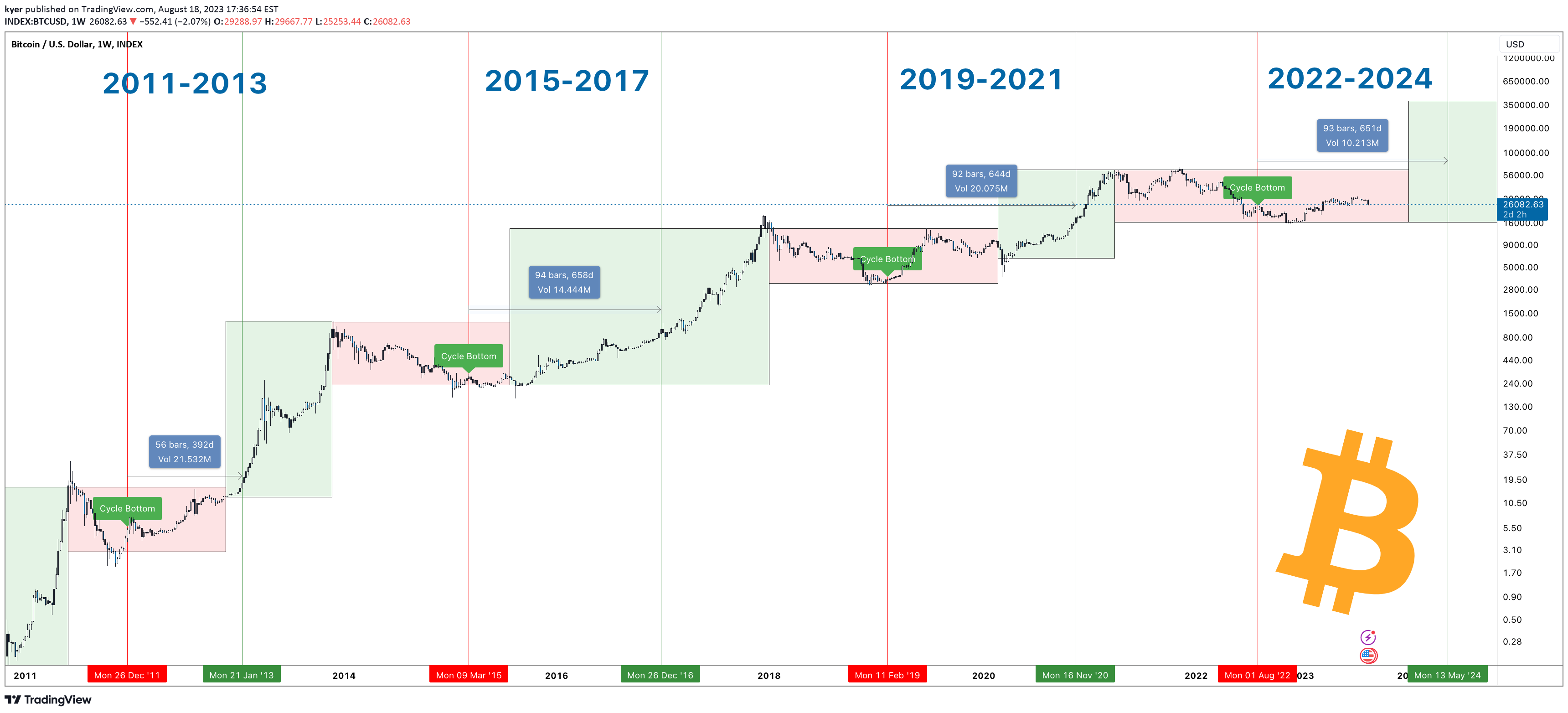
The Bitcoin halving is a programmed event occurring approximately every four years, or every 210,000 blocks, designed by Satoshi Nakamoto to control inflation and mimic gold’s scarcity. By halving the mining reward, it slows the rate of new Bitcoin issuance, creating a supply shock that has historically preceded massive price rallies.
Looking back, the 2012 halving saw Bitcoin rise from $12 to over $1,000 within a year. Post-2016, it climbed from $650 to nearly $20,000 by late 2017. The 2020 halving triggered a surge from $8,800 to $69,000 in 2021. Each cycle demonstrates a pattern: reduced supply meets growing demand, amplified by maturing infrastructure. With the 2024 halving complete, history suggests another bull run, but this time supercharged by cutting-edge tech.

Layer 2 Solutions: Scaling Bitcoin for Mass Adoption
Post-halving, Layer 2 (L2) technologies like the Lightning Network are exploding. Lightning enables near-instant, low-cost transactions off the main chain, settling back on Bitcoin’s blockchain for security. Transaction volumes on Lightning have surged over 500% in the past year, with capacity exceeding 5,000 BTC.
Ark and other protocols are emerging, allowing seamless asset transfers without liquidity locks. These innovations address Bitcoin’s scalability critiques, making it viable for everyday payments. As L2 matures, transaction fees drop below a penny, attracting merchants worldwide. This usability boost will drive retail adoption, funneling billions into BTC and pushing prices upward.

Furthermore, Stacks and other sidechains integrate smart contracts natively with Bitcoin, enabling DeFi applications secured by BTC collateral. Post-halving liquidity will flow into these ecosystems, creating network effects that solidify Bitcoin’s dominance.
Inscriptions, Ordinals, and Bitcoin’s NFT Evolution
The 2023 introduction of Ordinals and BRC-20 tokens via inscriptions has transformed Bitcoin into a programmable asset layer. These techs embed data directly on satoshis, birthing Bitcoin NFTs and fungible tokens without altering core protocol.
Post-2024 halving, activity has skyrocketed: over 50 million inscriptions minted, with Runes protocol enhancing token standards for efficiency. Trading volumes on Magic Eden and other marketplaces rival Ethereum’s, drawing in NFT enthusiasts. This expands Bitcoin’s utility beyond store-of-value, capturing Web3 market share valued at trillions.
Runes, launched post-halving, fixes BRC-20 inefficiencies, boosting throughput. As these gain traction, Bitcoin’s on-chain economy thrives, increasing holder conviction and demand pressure.
Institutional Adoption and ETF Inflows
Spot Bitcoin ETFs, approved in January 2024, have already amassed over $50 billion in assets. BlackRock’s IBIT alone holds more BTC than MicroStrategy. Post-halving supply constraints amplify ETF demand, with inflows projected at $100-200 billion by 2028.
Nations like El Salvador and Bhutan are stacking BTC reserves, while corporations follow suit for treasury diversification. Pension funds and sovereign wealth funds are allocating 1-5%, injecting institutional capital that dwarfs retail volumes. This “Wall Street embrace” reduces volatility, paving the way for $500K valuations.
Quantum-Resistant Upgrades: Securing Bitcoin’s Future
The “quantum leap” isn’t just metaphorical—quantum computing poses risks to elliptic curve cryptography. Post-halving, Bitcoin community is proactive with quantum-resistant signatures like Lamport or XMSS via soft forks.
Projects like Quantum Resistant Ledger integrate post-quantum tech, but Bitcoin’s roadmap eyes OP_CAT reactivation for covenants, enabling advanced security. Taproot upgrade already enhances privacy, setting groundwork. By 2028, full quantum resistance will future-proof BTC, attracting risk-averse investors and skyrocketing confidence.
The Supply Shock Equation: Path to $500K
With only 21 million BTC ever, post-2028 halving issuance drops to 0.78% annually—lower than gold’s. Combined with L2 scaling, ETF inflows, and halvings, models like Stock-to-Flow predict $500K conservatively. ARK Invest forecasts $1.5 million by 2030, citing network value growth.
Diminishing returns from prior cycles give way to absolute gains: from $30K pre-halving to $500K implies 16x, feasible with 20-30% CAGR fueled by tech. Metcalfe’s Law underscores value quadratically with users; 1 billion wallets by 2028 multiplies this.
Risks, Mitigations, and the Bull Case
No forecast ignores risks: regulation, macro downturns, or tech hiccups. Yet, pro-crypto policies under evolving U.S. leadership and global clarity mitigate these. Bitcoin’s 15-year resilience shines through halvings and bear markets.
In summary, post-halving tech—L2 scaling, Ordinals, ETFs, quantum upgrades—creates a quantum leap in utility and security. Supply scarcity meets explosive demand, positioning Bitcoin at $500K by 2028. Investors: HODL through the cycle; history and innovation favor the bold.