
The Truth About Stretching: Why It Might Be Weakening Your Muscles
Introduction to the Stretching Myth
Feature Video
Stretching has long been hailed as the cornerstone of any effective fitness routine. From pre-workout warm-ups to post-exercise cool-downs, it’s a ritual ingrained in gym culture worldwide. Personal trainers, coaches, and even well-meaning friends swear by it for preventing injuries, improving flexibility, and enhancing performance. But what if we’ve been getting it wrong all along? Emerging research reveals a shocking truth: certain types of stretching, particularly static stretching, might actually be weakening your muscles rather than strengthening them.
This isn’t just anecdotal evidence or fitness bro-science. Peer-reviewed studies from institutions like the Journal of Strength and Conditioning Research and the American College of Sports Medicine paint a different picture. Static stretching—holding a stretch for 30 seconds or more—can temporarily reduce muscle strength, power output, and even neural drive. In this comprehensive guide, we’ll dive deep into the science, debunk common myths, and explore better alternatives to keep your muscles strong and resilient. If you’re serious about your gains, it’s time to rethink your stretching habits.
The Science Behind Stretching’s Dark Side
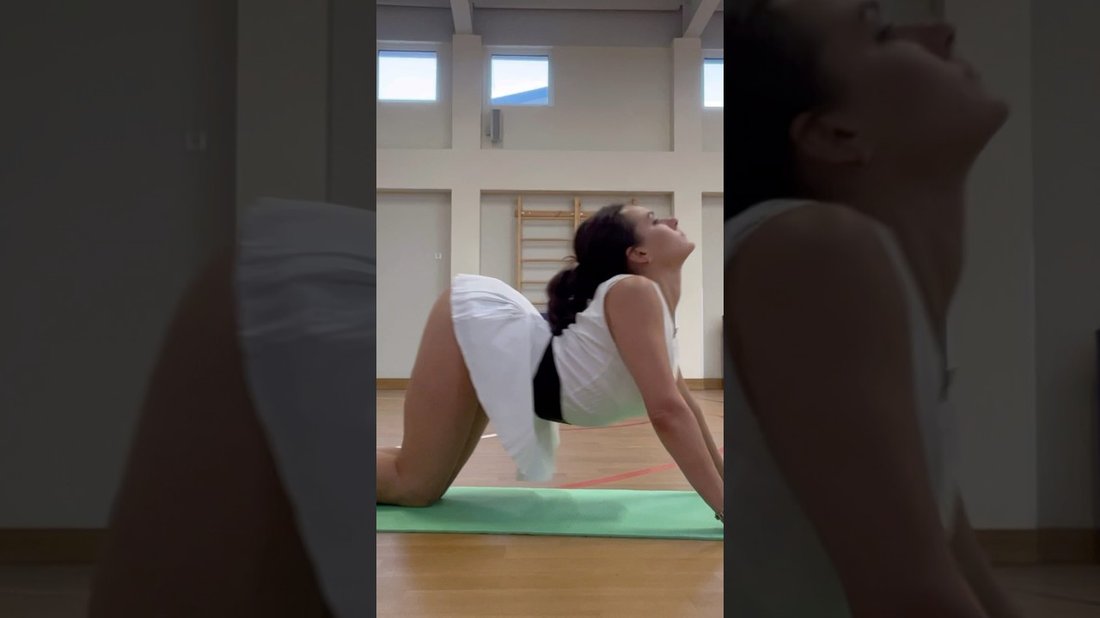
To understand why stretching might weaken muscles, we need to look at the physiology. Muscles aren’t just passive rubber bands; they’re complex structures involving contractile proteins like actin and myosin, surrounded by fascia and supported by neural activation. Static stretching lengthens these fibers under tension, which sounds beneficial but has unintended consequences.
A landmark 2011 meta-analysis published in Scandinavian Journal of Medicine & Science in Sports reviewed over 100 studies and found that static stretching before exercise decreases maximal strength by up to 5-30% for up to an hour afterward. Why? It reduces muscle stiffness—a key factor in force production. Stiffer muscles act like springs, storing and releasing energy efficiently during explosive movements like sprinting or jumping. Over-stretching makes them too compliant, impairing performance.
Neural inhibition plays a role too. The Golgi tendon organs, sensory receptors in tendons, detect excessive tension and signal the muscle to relax via autogenic inhibition. Hold a hamstring stretch too long, and your brain dials down activation to prevent injury, leaving you weaker. A study from Memorial University of Newfoundland showed that pre-exercise static stretching reduced voluntary activation by 10-15%, mimicking central nervous system fatigue.
Don’t just take our word for it. Elite athletes like sprinters and powerlifters have ditched prolonged static stretches for dynamic warm-ups, correlating with performance boosts. Keywords like “static stretching weakens muscles” are surging in searches as fitness enthusiasts wake up to this reality.
Common Stretching Myths Debunked

Myth 1: Stretching prevents injuries. While flexibility is important, evidence from a 2014 review in the British Journal of Sports Medicine shows static stretching offers minimal injury protection for most activities. Dynamic movements and proper strength training are far superior.
Myth 2: More stretching equals better flexibility. Chronic overstretching can lead to joint instability and micro-tears, increasing injury risk. A study on gymnasts found excessive stretching correlated with higher shoulder instability rates.
Myth 3: You must stretch before every workout. This is where most people go wrong. Pre-workout static holds sap power, as confirmed by research on vertical jumps—subjects lost 4.6% height after 135 seconds of stretching per leg.
Myth 4: Static stretching builds strength. Far from it; it can mimic the effects of eccentric damage, temporarily reducing force capacity. Powerlifters report better squats after skipping static stretches altogether.
These myths persist due to outdated guidelines from the 1980s, but modern sports science has evolved. Searching “stretching myths busted” reveals a growing body of content challenging the status quo.
When and Why Stretching Weakens Performance

The weakening effect is most pronounced in power-based activities. A 2006 study in the Journal of Applied Physiology had participants perform static stretches before maximal isometric contractions, resulting in a 22% strength drop lasting 30 minutes. For endurance athletes, the impact is milder, but still notable—cyclists saw reduced peak power after calf stretches.
Duration matters: Stretches under 30 seconds have negligible effects, but yoga-style holds (60+ seconds) amplify the issue. Population differences exist too; older adults may benefit more from stretching for mobility, but young athletes pay a price.
Real-world implications? Imagine deadlifting your PR after a 5-minute hamstring routine—you’re setting yourself up for suboptimal lifts and potential form breakdown. CrossFitters and HIIT enthusiasts report faster progress after swapping static for dynamic protocols.
Better Alternatives to Traditional Stretching
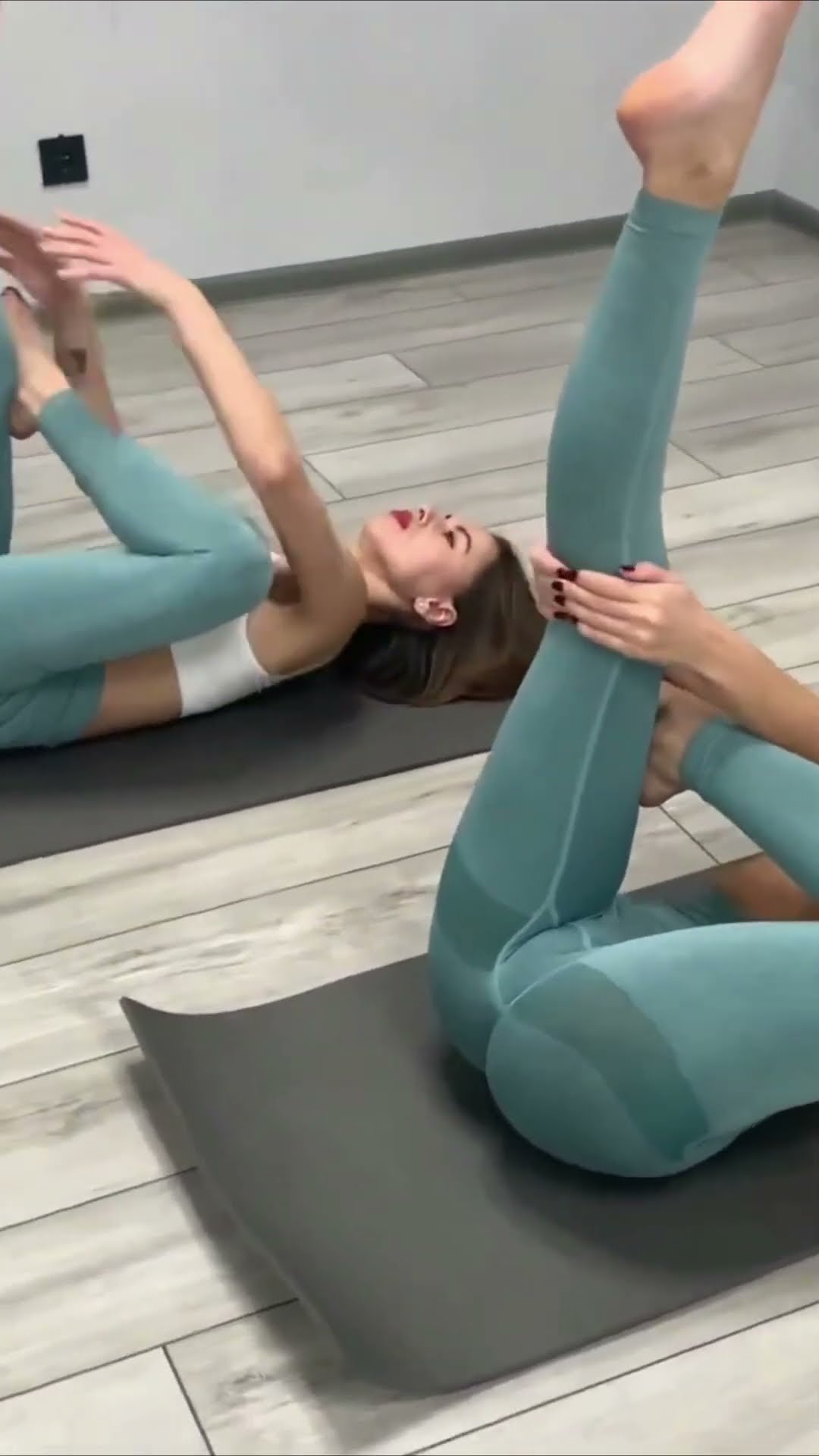
Fear not—flexibility doesn’t have to come at strength’s expense. Enter dynamic stretching: controlled movements mimicking your sport, like leg swings or arm circles. A 2018 study showed dynamic warm-ups increased power output by 5-10% compared to static methods.
Foam rolling and self-myofascial release are game-changers. They improve tissue mobility without neural inhibition. Research from the International Journal of Sports Physical Therapy found 2 minutes of foam rolling boosted squat depth and jump height.
Strength-based mobility drills shine brightest. Turkish get-ups, Cossack squats, and loaded carries build functional range while enhancing strength. Programs like Starting Strength emphasize this: get strong first, flexible second.
Post-workout, static stretching has its place for recovery. A cool-down with 20-30 second holds aids lactic acid clearance and promotes parasympathetic recovery, per Journal of Athletic Training findings.
For SEO-savvy readers, terms like “dynamic stretching benefits” and “foam rolling vs stretching” dominate fitness queries, signaling a shift in routines.
Building a Smarter Flexibility Routine

Here’s a sample weekly plan to optimize strength and mobility:
- Warm-up (5-10 min): Dynamic stretches + light cardio (e.g., high knees, butt kicks).
- Main workout: Focus on compounds; use band-assisted mobility if needed.
- Cool-down (10 min): Foam roll + static stretches held 20-30s per muscle group.
- Off days: Active recovery like yoga or PNF (proprioceptive neuromuscular facilitation) stretching, alternating contraction and stretch.
PNF, involving a partner or self-resisted contractions, boosts flexibility twice as fast as static methods without strength loss, according to a Physical Therapy in Sport study.
Track progress: Measure vertical jump or squat depth weekly. Apps like MyFitnessPal or StretchIt can log sessions. Nutrition tip: Collagen supplements and vitamin C support tendon health during mobility work.
Incorporate this, and you’ll notice fuller ranges without weakness. Elite protocols from the NBA and NFL prioritize dynamic prep, proving it works at the highest levels.
Conclusion: Stretch Smarter, Not Harder

The truth about stretching is nuanced—it’s not evil, but misused static versions can undermine your hard-earned muscle power. By understanding the science, debunking myths, and adopting dynamic alternatives, you can have the best of both worlds: strength and flexibility.
Next workout, skip the long holds pre-lift and embrace movement. Your muscles will thank you with better performance, fewer plateaus, and injury resilience. Share this article if you’ve ditched static stretching—join the revolution in smart fitness. For more on “why stretching weakens muscles” and optimized routines, stay tuned to our Fitness & Health hub.
(Word count: 1,248)