
The Rebel Engineer Who Defied Boeing to Build the Iconic 747 Jumbo Jet
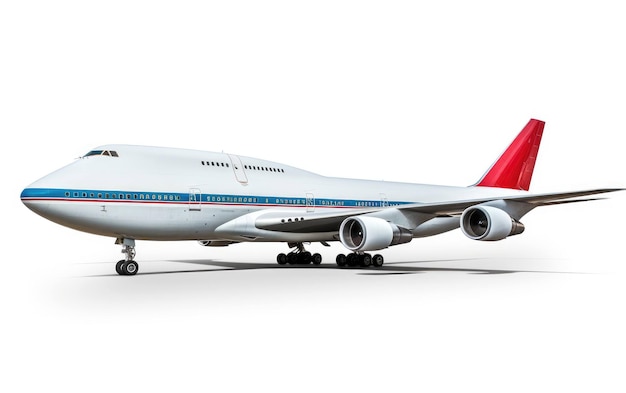
In the high-stakes world of commercial aviation during the 1960s, Boeing faced immense pressure to innovate or risk obsolescence. Enter Joe Sutter, the brilliant engineer whose unyielding vision and defiance of corporate caution birthed the Boeing 747, forever changing air travel. Known as the “Queen of the Skies,” the Jumbo Jet revolutionized long-haul flights, carrying millions and symbolizing engineering triumph.

Joe Sutter’s Early Career and Rise at Boeing
Joe Sutter joined Boeing in 1942 as a draftsman fresh out of high school. His talent for aerodynamics quickly propelled him through the ranks. By the 1950s, he contributed to the 707, Boeing’s first jet airliner, which dominated the market. Sutter’s hands-on approach and intuitive grasp of aircraft design earned him respect among peers.
In 1965, at age 44, Sutter was appointed chief engineer for a secretive new project. Boeing’s leadership, including CEO Bill Allen, had gambled the company’s future on building the world’s largest passenger plane for Pan Am’s Juan Trippe. The stakes were enormous: $1 billion in development costs, equivalent to billions today, with no guarantee of success.
The Turbulent Birth of the 747 Project
Boeing initially pursued the supersonic transport (SST) as its next big venture, but the 747 emerged from a desperate pivot. Pan Am demanded a massive aircraft to slash transatlantic flight times and costs. Sutter’s team faced a blank slate: no proven engines, no manufacturing precedents for a plane twice the size of the 707.
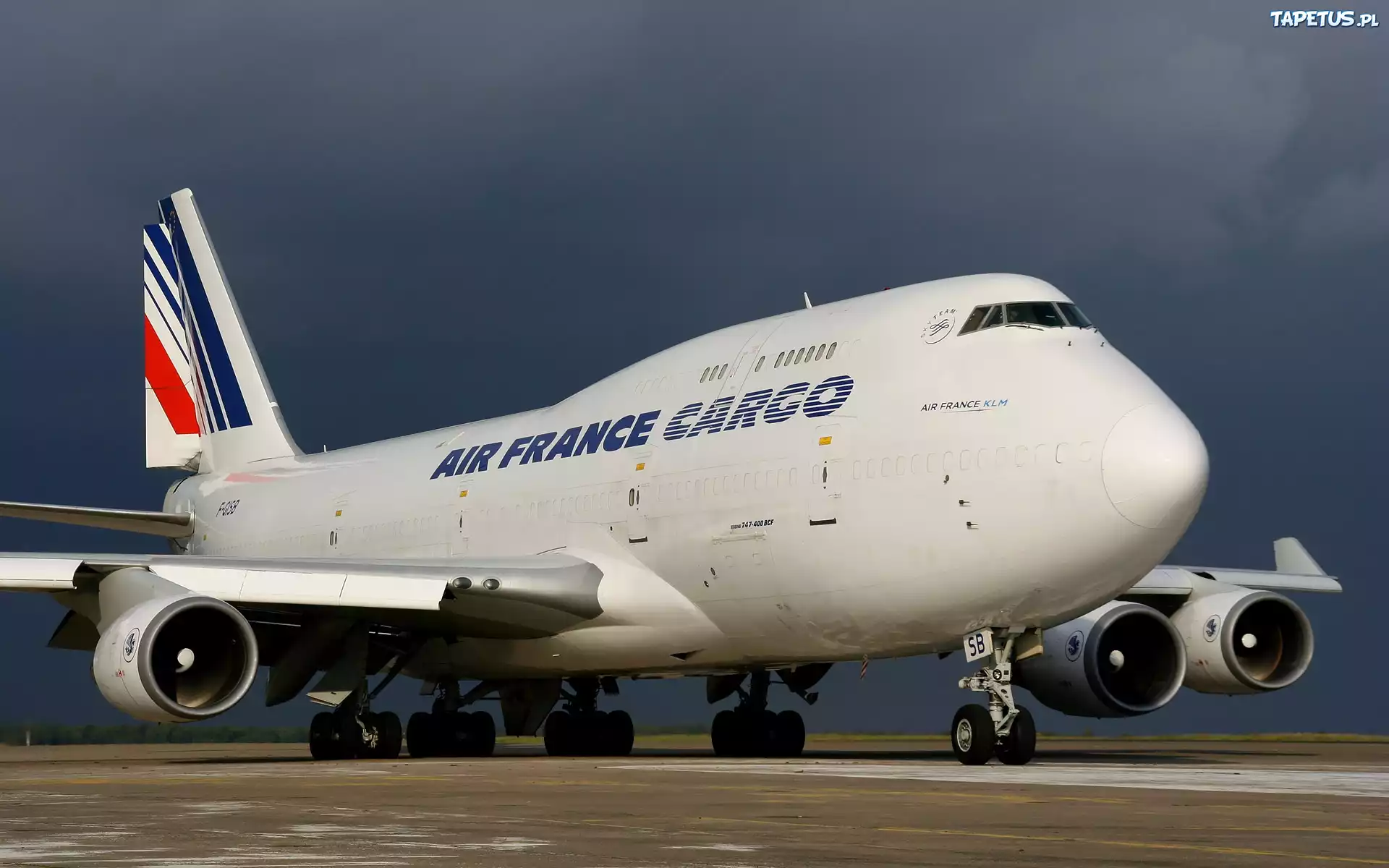
Corporate doubters abounded. Many executives favored a scaled-up 707 derivative, fearing the risks of an unprecedented wide-body design. Sutter, however, envisioned a radical departure—a high-wing, double-deck behemoth with a distinctive upper hump housing the cockpit. This “rebel” stance clashed with Boeing’s conservative engineers, who warned of structural failures and insurmountable weight issues.
Defying Doubts: The Iconic Hump Design
Sutter’s masterstroke was elevating the flight deck above the main fuselage. Initially conceived as a full double-decker freighter convertible to passenger use, the design evolved when high-bypass turbofan engines like the Pratt & Whitney JT9D promised efficiency but required enormous nacelles. Placing the cockpit high allowed uninterrupted cargo space below, perfect for future freighter conversions—a foresight that proved genius.
Despite resistance, Sutter prototyped relentlessly. He ignored naysayers, sketching late into nights and rallying his “747 team” of 4,500 engineers. “We were building the impossible,” Sutter later recalled in his memoir, 747: Creating the World’s First Jumbo Jet and Other Adventures from a Life in Aviation. His defiance paid off; wind tunnel tests validated the hump’s aerodynamics, reducing drag and enhancing stability.
Engineering Marvels That Defined the 747
The 747’s innovations were staggering. Its 225-foot wingspan, longer than a football field, incorporated high-lift devices for short-field performance. The fuselage stretched 231 feet, with a 20-foot diameter allowing two aisles and luxurious seating for 400+ passengers.
Sutter championed fail-safe structures: wings designed to withstand cracks without catastrophic failure, hydraulic systems with quadruple redundancy, and an advanced avionics suite foreshadowing fly-by-wire. The tail, the tallest of any commercial jet at 63 feet, demanded new hangar designs worldwide.
Engine integration was Herculean. The JT9D’s 43,000-pound thrust per engine necessitated reinforced pylons and noise-suppressing cowlings, setting standards for modern wide-bodies like the 777 and A380.
Overcoming Catastrophic Setbacks
Disaster struck in 1969 during ground tests. A test wing fractured under load, nearly derailing the program. Critics pounced, urging cancellation. Sutter refused, iterating designs with finite element analysis—cutting-edge for the era. He personally lobbied Bill Allen, arguing the 747’s market dominance would recoup investments.
Supply chain woes plagued progress: engines lagged, titanium shortages hit, and labor strikes halted assembly. Sutter’s leadership shone; he fostered a culture of innovation, even housing prototype parts in a rented warehouse dubbed the “Everett Hilton.” By late 1969, the first 747 rolled out of the Everett factory, the largest building by volume ever constructed.
The Historic First Flight and Commercial Debut
On February 9, 1969, test pilot Jack Waddell lifted RA001 skyward from Everett. Sutter watched anxiously as the 747 climbed gracefully, validating years of toil. Over 1,000 test flights followed, ironing out flutter issues and confirming 30,000-foot cruise efficiency.
Pan Am’s Clipper Victor christened service on January 22, 1970, from New York to London. Initially configured with piano lounges and upstairs bars, it offered unparalleled luxury. Fuel crises later prompted all-economy layouts, but the 747’s versatility endured—from Air Force One to NASA shuttles.
Joe Sutter’s Legacy and the 747’s Enduring Impact
Sutter retired in 1986 as Senior Vice President, but his influence lingers. Over 1,550 747s were built, logging billions of miles. Variants like the 747-400 and 747-8 extended its reign until the 2020s, when freighter demand sustains production.
The Jumbo Jet democratized global travel, enabling cheap fares and booming tourism. Economically, it generated trillions in value. Sutter’s defiance exemplified engineering ethos: challenge norms, prototype boldly, persevere.
Today, amid sustainable aviation pushes, the 747’s lessons resonate. Its ETOPS certification paved twin-engine long-haul paths, while composite experiments informed the 787 Dreamliner. Joe Sutter, the rebel who stared down Boeing’s giants, remains aviation’s ultimate iconoclast.
Word count: 1,028