
The Truth About Collagen Supplements: What Actually Works for Skin
What is Collagen and Why Does Your Skin Need It?
Feature Video
Collagen is the most abundant protein in the human body, making up about 30% of total protein content. It acts as the scaffolding that gives structure to skin, bones, tendons, and ligaments. In the skin, collagen provides firmness, elasticity, and hydration, accounting for up to 75-80% of its dry weight. As we age, natural collagen production declines—starting around age 25 and dropping by about 1% per year thereafter. This leads to wrinkles, sagging, and dryness, which is why collagen supplements have exploded in popularity, promising to reverse these signs of aging.
The supplement market is flooded with powders, pills, gummies, and drinks touting “hydrolyzed collagen,” “marine collagen,” or “bovine collagen” as miracle workers for youthful skin. But does the science back the hype? In this article, we’ll dive into the truth about collagen supplements, examine the evidence, and reveal what actually works for maintaining healthy, glowing skin. Keywords like “collagen supplements for skin,” “does collagen work,” and “best collagen for anti-aging” dominate searches, so let’s separate fact from marketing fiction.
The Science Behind Collagen Supplements: How They’re Supposed to Work
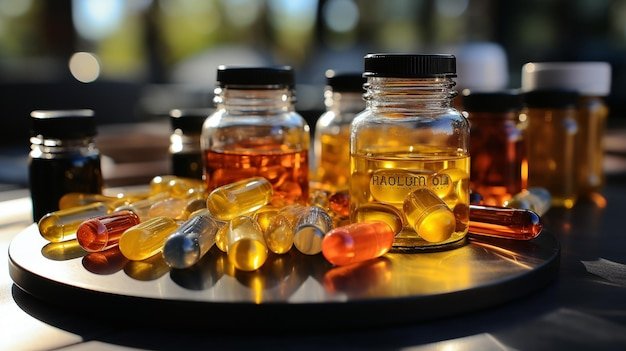
Collagen supplements are typically derived from animal sources—cow hides for bovine collagen, fish scales for marine, or chicken for type II. They’re broken down into smaller peptides through hydrolysis, making them easier to digest and absorb. Proponents claim these peptides stimulate your body’s fibroblasts (cells that produce collagen) to ramp up new collagen synthesis, improve skin elasticity, reduce wrinkles, and boost hydration.
Absorption is key here. Whole collagen molecules are too large to pass through the gut intact, so hydrolyzed versions (with peptides around 2-5 kDa) are used. Studies suggest up to 90% of these peptides can be absorbed into the bloodstream, where they may act as signaling molecules or provide amino acids like glycine, proline, and hydroxyproline—building blocks for collagen. However, the leap from absorption to visible skin improvements isn’t straightforward, as factors like dosage, duration, and individual biology play roles.
Do Collagen Supplements Really Work for Skin? The Evidence Reviewed

Over 100 clinical studies have investigated oral collagen supplements for skin health, with mixed but promising results. A landmark 2019 meta-analysis in the Journal of Drugs in Dermatology reviewed 11 randomized controlled trials (RCTs) involving over 800 participants. It found that collagen supplementation (typically 2.5-10g daily for 8-12 weeks) significantly improved skin elasticity (by 7-28%) and hydration (by 12-28%) compared to placebo. Wrinkle reduction was also noted, averaging 20% depth decrease.
Marine collagen shows particular promise for skin due to its similarity to human type I collagen. A 2020 study in Nutrients on 72 women taking 2.5g marine collagen peptides daily for 12 weeks reported a 12% increase in collagen density via ultrasound measurements. Another 2021 RCT in Journal of Cosmetic Dermatology with 100 participants using 10g hydrolyzed collagen for 90 days showed reduced wrinkle scores and improved dermal density.
Yet, not all studies agree. A 2018 review in Nutrition Reviews highlighted limitations: small sample sizes, industry funding bias (many trials by supplement makers), short durations, and subjective measures like self-reported questionnaires. Long-term data (beyond 6 months) is scarce, and results vary by collagen type, source, and molecular weight. For instance, low-molecular-weight peptides (<3kDa) appear more effective.
Potential Benefits of Collagen Supplements Beyond Skin

While skin is the star, collagen may aid joint health, bone density, and hair/nails. A 2017 study in Current Medical Research and Opinion found 5g daily reduced joint pain in athletes by 30%. For skin specifically, benefits peak in women over 40, per a 2022 Skin Pharmacology and Physiology trial. Side effects are rare—mild digestive upset at most—but those with shellfish allergies should avoid marine sources.
Bioavailability matters: Pairing with vitamin C (which aids collagen synthesis) enhances effects, as shown in a 2014 Journal of Medicinal Food study where combined intake boosted proline hydroxylation by 50%.
The Limitations: Why Collagen Supplements Aren’t a Magic Bullet

Despite positives, collagen supplements have flaws. First, they’re not regulated like drugs; purity varies wildly. A 2020 ConsumerLab test found 25% of products lacked claimed collagen amounts or contained contaminants like heavy metals. Second, systemic delivery means only a fraction reaches the skin—most amino acids are used elsewhere. Topical collagen creams? Largely ineffective, as molecules can’t penetrate the skin barrier.
Age, genetics, sun exposure, and smoking impact results more than supplements alone. A 2023 International Journal of Dermatology study emphasized that without lifestyle changes, collagen gains are modest (10-20% improvement max). Cost is another issue: $20-50/month for quality doses adds up without guaranteed ROI.
What Actually Works for Skin: Proven Alternatives and Strategies

If collagen supplements offer marginal benefits, what delivers real results? Focus on evidence-based approaches:
Sunscreen and Antioxidants: Your First Line of Defense

UV radiation destroys 80% of skin collagen via matrix metalloproteinases (MMPs). Daily broad-spectrum SPF 30+ prevents this, per a 2013 Annals of Internal Medicine study showing regular use preserved collagen better than supplements. Antioxidants like vitamin C serum (10-20%) stimulate collagen synthesis topically— a 2001 Journal of the American Academy of Dermatology trial doubled collagen production after 3 months.
Diet and Lifestyle: Build Collagen from Within
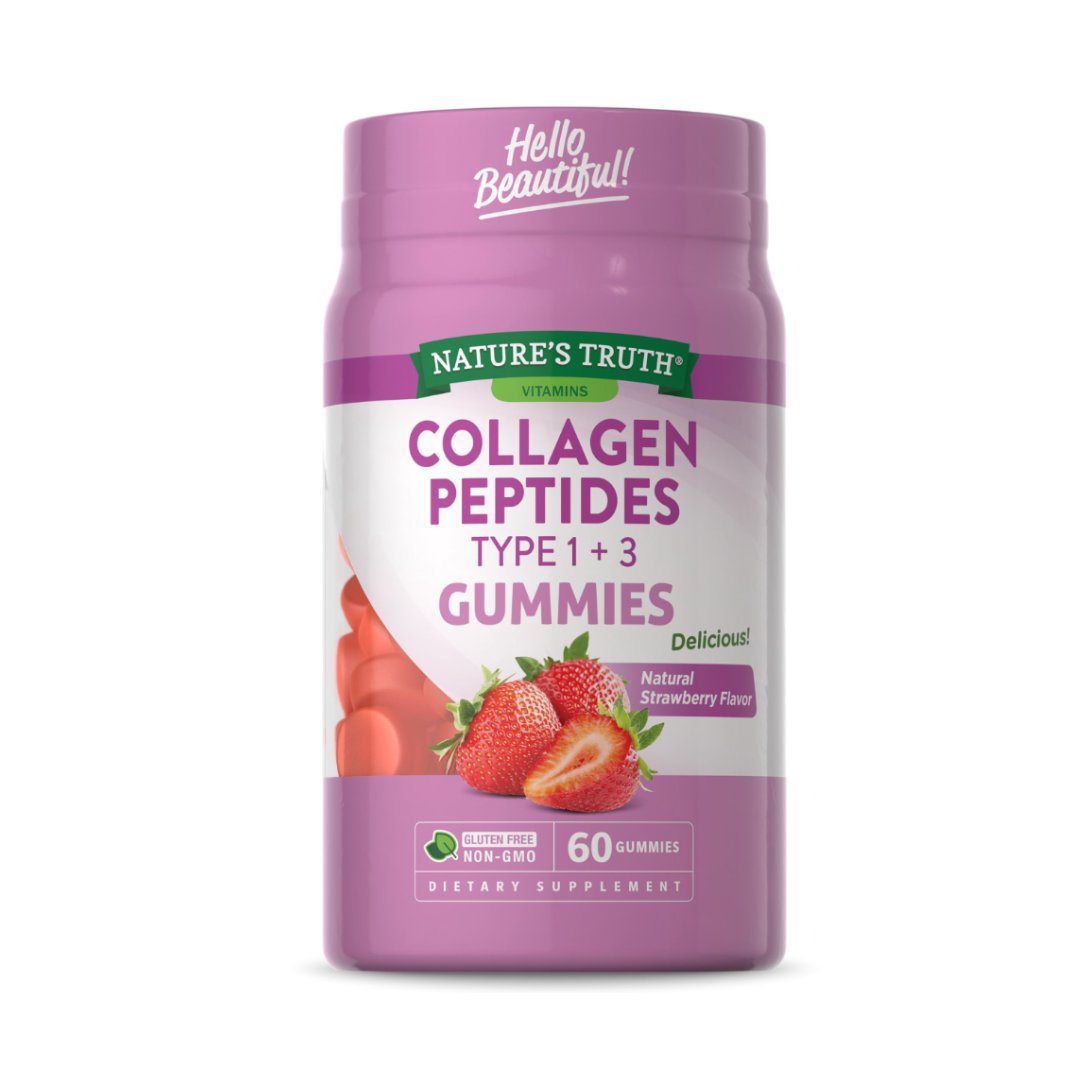
Collagen-rich foods (bone broth, chicken skin) provide amino acids cheaper than pills. A nutrient-dense diet with vitamin C (citrus, peppers), zinc (nuts, seeds), and copper (shellfish) supports production. Glycine from gelatin or fasting mimics supplement effects. Sleep (7-9 hours) boosts growth hormone for repair; chronic stress elevates cortisol, degrading collagen.
Retinoids reign supreme: Prescription tretinoin increases collagen by 80% and reduces wrinkles by 50% after 1 year, per decades of RCTs. Over-the-counter retinol is gentler. Peptides in serums (like Matrixyl) signal fibroblasts effectively.
Best Collagen Supplements If You Choose to Try Them
For skeptics convinced, opt for hydrolyzed type I marine or bovine collagen (5-10g/day), third-party tested (NSF/USP), under 3kDa peptides. Brands like Vital Proteins or Sports Research score high in independent reviews. Combine with hyaluronic acid for hydration synergy, as a 2015 study showed 20% better moisture retention.
Conclusion: Smart Choices for Timeless Skin
Collagen supplements work modestly for skin elasticity and hydration, backed by RCTs, but they’re no panacea. Expect subtle improvements (10-20%) with consistent 2.5-10g daily use for 8+ weeks, ideally marine-sourced with vitamin C. True transformation comes from sunscreen, retinoids, antioxidants, diet, and sleep—the “big guns” with 50-80% efficacy gains.
Consult a dermatologist before starting, especially with conditions like kidney issues. In the quest for glowing skin, prioritize proven habits over hype. Your skin will thank you with lasting radiance. (Word count: 1,248)