
Slenderman Exposed: The Chilling True Crime Stories Behind the Game That Sparked Real Murders!
The Birth of a Modern Monster: Slenderman’s Creepypasta Origins
Watch Related Video Coverage
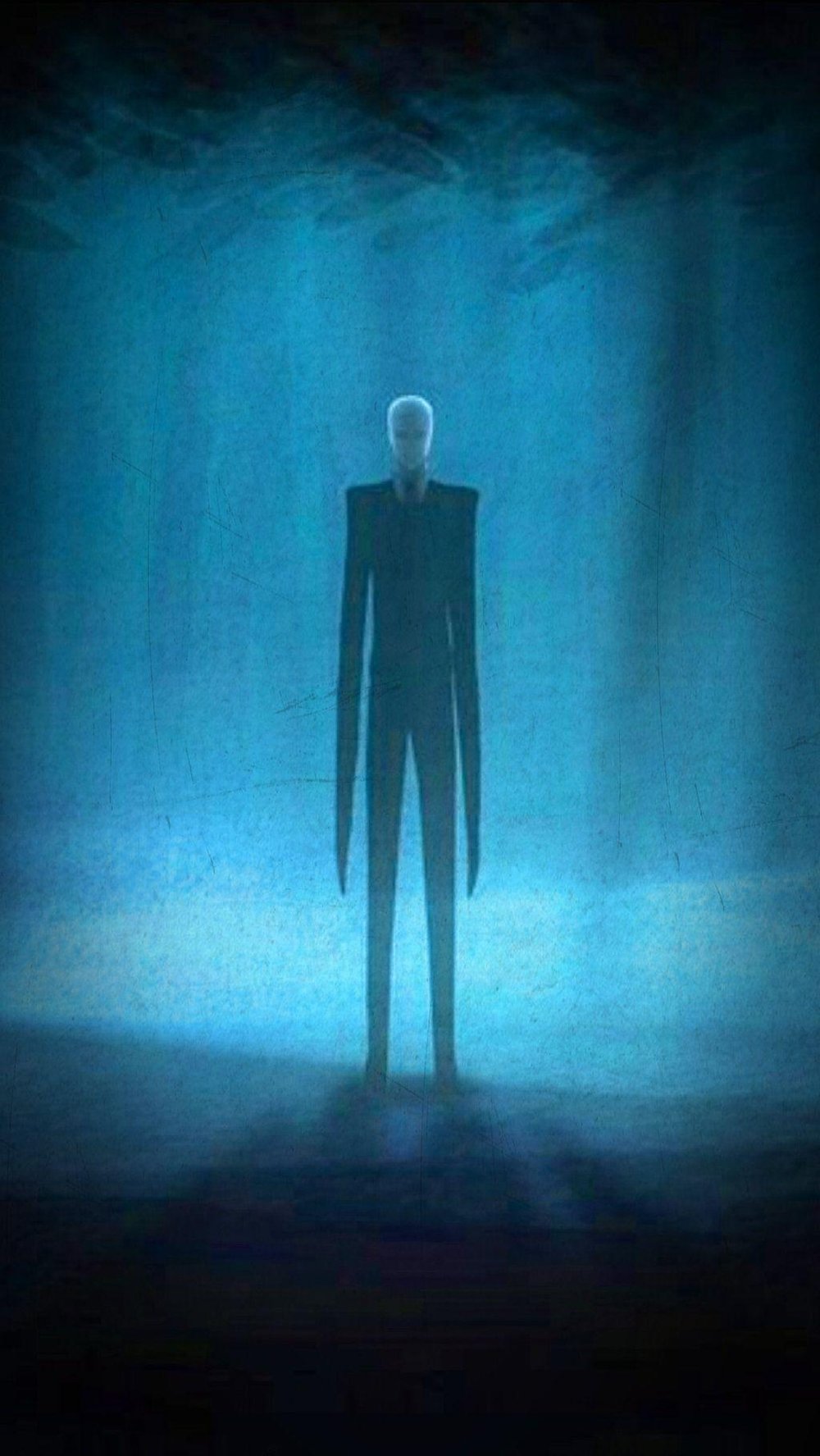
In the shadowy corners of the internet, where urban legends fester and mutate, Slenderman was born. It was May 2009 when Eric Knudsen, known online as Victor Surge, posted two eerie black-and-white photographs on the Something Awful forums. The images depicted groups of children at a park, but something was off—lurking in the foggy background was a tall, impossibly thin figure in a black suit, its featureless white face staring blankly. Surge’s accompanying captions spoke of disappearances and nightmares, planting the seed of what would become one of the most viral horror icons of the digital age.
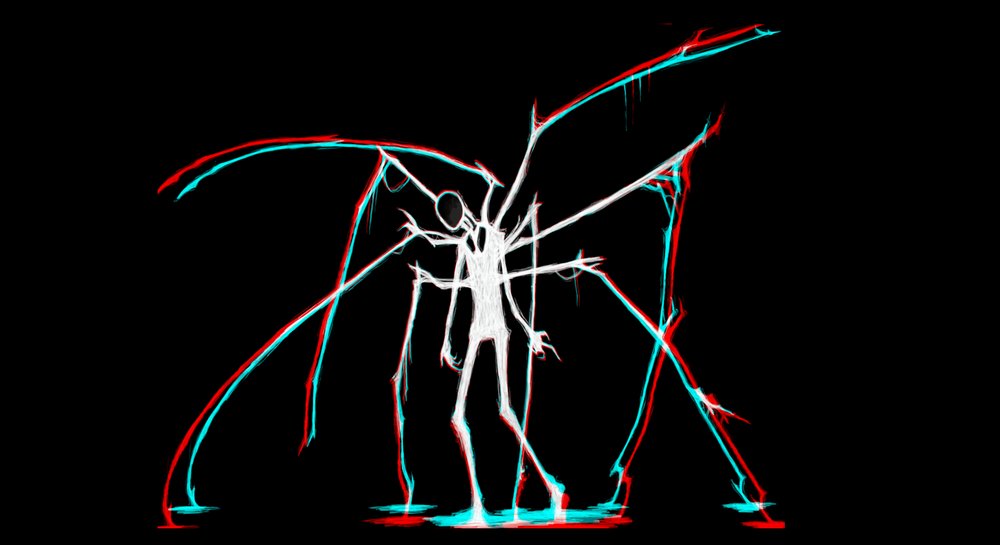
Slenderman, or “Slender Man,” quickly transcended his forum roots. He embodied the archetype of the faceless stalker: no mouth to scream with, no eyes to convey emotion, just an endless, spindly silhouette that abducted children. His mythos expanded through fan contributions—tentacles sprouting from his back in some tales, a hypnotic gaze in others. By 2010, Slenderman had infiltrated wikis, YouTube series like Marble Hornets (a found-footage masterpiece that popularized the “Slender Man Proxy” concept), and fan art galore. But it wasn’t until the game arrived that he clawed his way into mainstream terror.
Slender: The Eight Pages – The Game That Changed Horror Gaming Forever
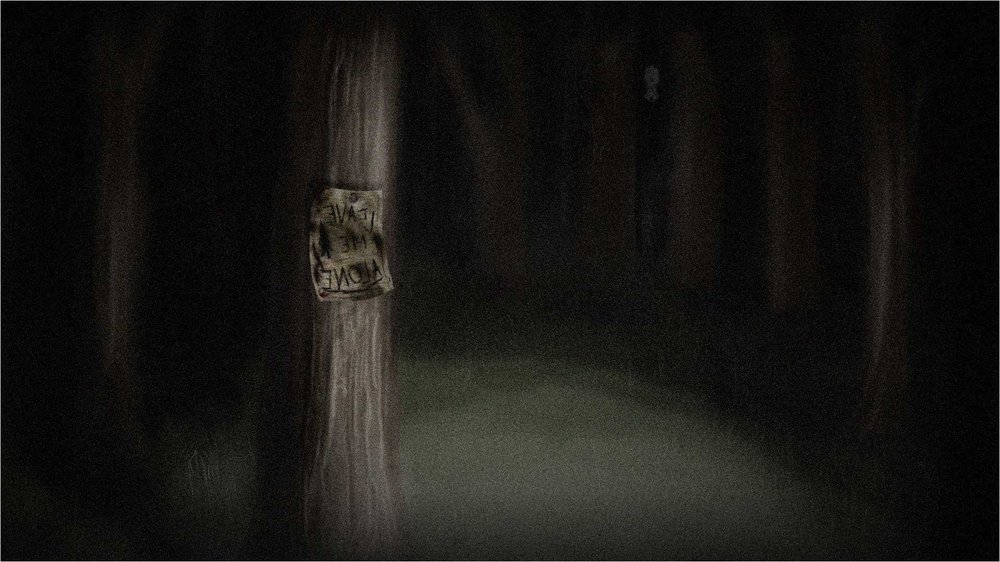
Enter Slender: The Eight Pages, released in June 2012 by independent developer Mark Hadley (under the Parsec Productions banner). This free indie game was deceptively simple: players navigate a dark forest armed with only a flashlight, tasked with collecting eight scattered pages while evading the relentless pursuit of Slenderman. No weapons, no combat—just pure, primal fear. The static interference on your screen, the heartbeat-pounding audio cues, and Slenderman’s sudden appearances turned it into a viral sensation on YouTube. Speedrunners, Let’s Plays, and scream compilations racked up millions of views, propelling the game to over 2 million downloads in weeks.
What made Slender revolutionary? It stripped horror to its bones. No jump scares for cheap thrills; instead, dread built through absence. The forest’s infinite loop, the flickering light, and Slenderman’s eerie silence created psychological torment. Sequels like Slender: The Arrival (2013, co-developed with Blue Isle Studios) added narrative depth, playable characters, and chapters exploring proxies and hauntings. The Arrival sold over a million copies, spawning merchandise, books, and even a feature film in 2018 starring Joey King. But beneath the pixels lay a legend too potent to contain in code—Slenderman wasn’t just a game antagonist; he was becoming real.
True Stories: When Fiction Turned to Tragedy
The “true stories” behind Slenderman aren’t exaggerations—they’re horrifyingly real. On May 31, 2014, in Waukesha, Wisconsin, two 12-year-old girls, Morgan Geyser and Anissa Weier, lured their friend Payton Leutner into a wooded park. There, they stabbed her 19 times, believing it would appease Slenderman and protect their families from his wrath. Leutner miraculously survived, crawling to safety. The attackers claimed obsession with the Slender Man mythos, fueled by months of fanfiction reading and the games.
The case shocked the world. Geyser was diagnosed with early-onset schizophrenia and ruled incompetent to stand trial initially; Weier cited Slender Man’s “telepathic” influence. Both were committed to mental health facilities—Geyser until at least 2040, Weier released on supervision in 2021. This wasn’t isolated. In 2015, a New Jersey father killed his baby, claiming Slenderman ordered it. Pennsylvania teen Joseph C. caused a house fire in homage. These incidents blurred fiction and reality, proving Slenderman’s memetic power: a thought-virus that infected vulnerable minds.
Experts like Dr. Sophie Janvier, a forensic psychologist, attribute this to “folie à plusieurs”—shared delusion amplified by online echo chambers. Creepypastas thrive on participatory storytelling, where fans add “evidence” like fake news clippings or ARGs (alternate reality games). Slender Man’s design taps primal fears: the uncanny valley, faceless authority figures, child predators. The Waukesha trial featured gameplay footage as evidence, cementing the game’s role in the tragedy.
Slenderman’s Global Reach and Cultural Impact
Beyond America, Slenderman went international. In the UK, “Slender Man Sightings” trended after viral videos. Russia’s “Slender Man Forests” became urban legends. The myth influenced games like Outlast, Amnesia, and PT, popularizing “walking simulator” horror. Media adaptations proliferated: the 2018 film Slender Man grossed $46 million despite poor reviews, while web series like Dark Harvest added lore.
Yet, the creator, Eric Knudsen, distanced himself post-Waukesha, emphasizing Slenderman as fiction. Forums like Creepypasta Wiki moderated content, but the damage was done. Today, Slenderman symbolizes internet culture’s dark side—how memes evolve into monsters. Recent revivals, like Roblox experiences and TikTok challenges, keep him alive, though with warnings.
The Psychological Terror: Why Slenderman Still Haunts Us
At its core, Slenderman preys on existential dread. No face means no empathy; infinite height defies human scale. Neuroscientists note how his silhouette triggers the amygdala, our fear center, mimicking real threats like shadowy figures in peripheral vision. Gamers report lasting paranoia—checking windows at night, fearing tall men in suits.
The game’s mechanics amplified this: procedural generation ensured unpredictability, while Slenderman’s speed increased with proximity, forcing desperate flight. Mods and fan games extended the nightmare, from Slendrina spin-offs to VR experiences that induce panic attacks.
Legacy and Lessons: From Game to Cautionary Tale
Slenderman’s journey from forum post to courtroom exhibit warns of digital folklore’s potency. It birthed a genre but at a human cost. Developers now include disclaimers; platforms monitor harmful content. Yet, his allure endures—proof that some legends refuse to die.
In 2023, indie devs revisited Slenderman with Slender: The Arrival Remake rumors and NFT controversies, but the true horror remains the real-world echoes. Play at your own risk: in the woods, he might still be watching.
(Word count: 1,056)