
10 Bizarre Animal Facts: Exploding Ants, Immortal Jellyfish, and Birds That Hold Funerals
Discover the weird and wonderful world of animals with these 10 bizarre facts that showcase nature’s most astonishing quirks. From self-sacrificing insects to potentially ageless sea creatures and mourning birds, the animal kingdom never ceases to amaze. These intriguing tidbits reveal the diverse survival strategies evolution has crafted over millions of years.
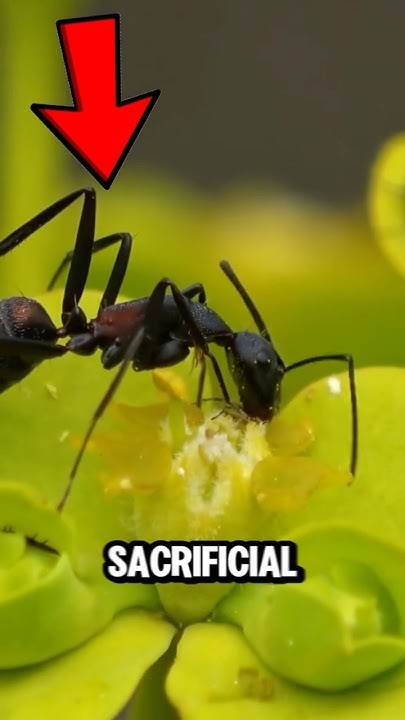
1. Exploding Ants
In the rainforests of Southeast Asia, certain ant species like Colobopsis explodens have a dramatic defense mechanism: they explode. When threatened, these ants rupture their bodies, releasing a sticky, toxic substance from glands in their abdomen. This yellow goo hardens on contact, immobilizing predators such as centipedes or spiders. The explosion is fatal to the ant but can save the colony. Known as autothysis, this behavior is rare in nature and highlights the extreme lengths some insects go to protect their kin. Researchers first documented this in the 1800s, but modern studies using high-speed cameras have revealed the full explosive force.
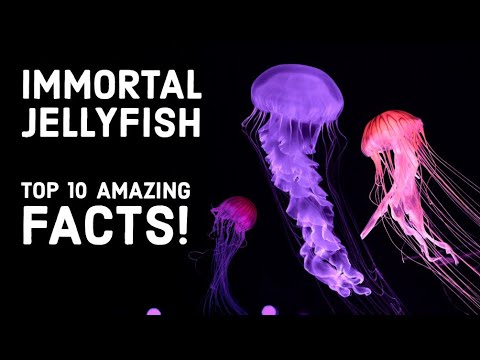
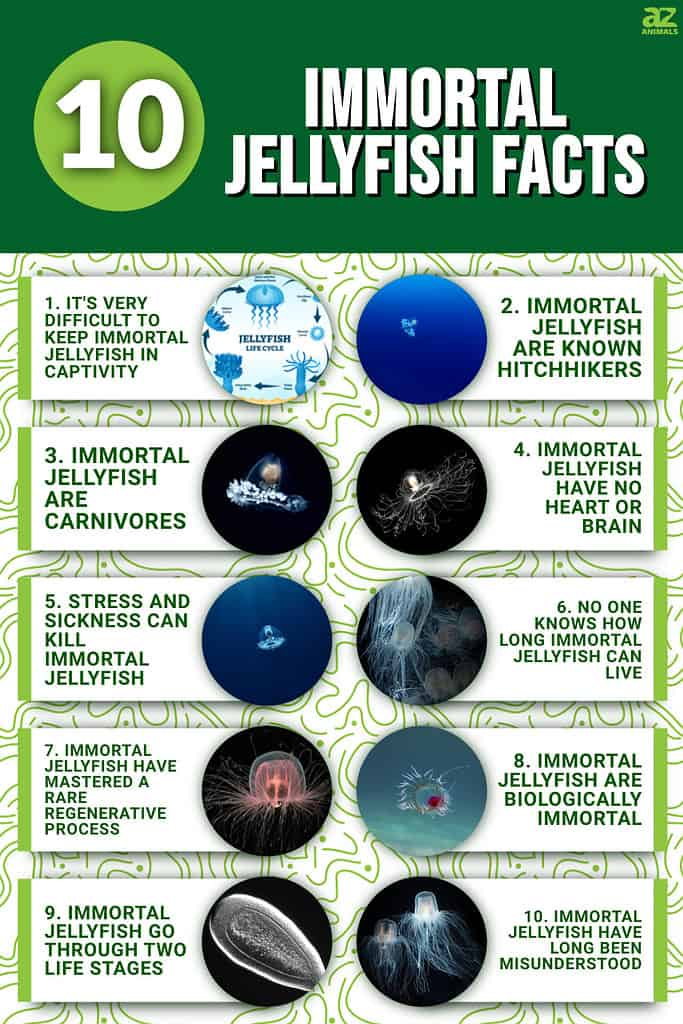
2. Immortal Jellyfish
The Turritopsis dohrnii, or immortal jellyfish, defies aging through a process called transdifferentiation. Under stress like injury or starvation, it can revert its cells from adult medusa form back to a juvenile polyp stage, essentially restarting its life cycle. While not truly invincible—predators and disease can still kill it—this biological reset allows potential immortality in ideal conditions. Discovered in the Mediterranean, these tiny, bell-shaped creatures measuring just 4.5 mm have spread globally via ship ballast water. Scientists are studying their genes for insights into human aging and regenerative medicine.
3. Birds That Hold Funerals
Crows and ravens exhibit complex social behaviors, including what appear to be funerals. When one dies, nearby crows gather to caw loudly, inspect the body, and sometimes hold “wakes” lasting hours or days. Studies from the University of Washington show these gatherings help crows learn about dangers and remember threats associated with the death site, avoiding it later. This intelligence rivals some primates, with crows using tools and recognizing human faces. Such rituals underscore the emotional depth in avian species, challenging old views of birds as simple creatures.
4. Horned Lizards That Shoot Blood
Phrynosoma cornutum, the Texas horned lizard, has a gruesome defense: squirting blood from its eyes. When harried by predators like dogs or hawks, it raises intraocular pressure, rupturing sinus blood vessels to shoot streams up to 6 feet. The blood tastes foul to canines due to a chemical irritating their senses. This autotomy costs energy but often deters attacks. Native to arid southwestern U.S. and Mexico, these “horned toads” also inflate their bodies and camouflage with sand, making them survival experts in harsh deserts.
5. Sea Cucumbers That Eject Their Organs
Sea cucumbers, echinoderms of the ocean floor, perform evisceration to escape danger. Threatened by fish or crabs, they expel their digestive tract and sometimes respiratory organs through their anus in a watery blast. These organs regenerate within weeks. Species like Holothuria use this in coral reefs worldwide. The ejected guts can entangle predators, buying escape time. This ability, studied in marine biology, reveals how soft-bodied animals thrive amid predators without shells or spines.
6. Archerfish That Spit Water
Toxotes species from Indo-Pacific mangroves hunt by spitting precise water jets to knock insects off overhanging leaves into the water. Using a groove in their mouth, they compensate for light refraction, hitting targets up to 6 feet away with pinpoint accuracy. High-speed footage shows jets form bullet-like droplets. Young archerfish practice on land targets, improving aim. This foraging innovation allows them to access prey unavailable to other fish, demonstrating remarkable physics mastery in the wild.
7. Hognose Snakes That Play Dead
Hognose snakes (Heterodon spp.) of North American grasslands feign death dramatically when cornered. They roll belly-up, emit a foul musk from cloacal glands, let their tongue loll, and go limp—even foaming at the mouth with regurgitated saliva. This thanatosis fools predators into thinking they’re rotten. Once safe, they right themselves. Effective against mammals but less so birds, this behavior persists evolutionarily, showcasing deception as a survival tool.
8. Tardigrades: Indestructible Micro-Animals
Tardigrades, or water bears, are microscopic extremophiles surviving conditions lethal to most life: vacuum of space, -272°C cold, 150°C heat, 6,000 atm pressure, and radiation doses 1,000 times human limits. They enter cryptobiosis, desiccating into tun states. NASA’s space missions confirmed their resilience. Found everywhere from mountaintops to deep seas, these eight-legged wonders total 1,300 species, offering clues to life’s origins and astrobiology.
9. Axolotls: Perpetual Juveniles
Mexican axolotls (Ambystoma mexicanum) exhibit neoteny, retaining larval features like gills and aquatic lifestyle into adulthood. They can metamorphose if iodine is added but rarely do in the wild. Famous for limb regeneration—regrowing arms, legs, even spinal parts—they’re critically endangered in Lake Xochimilco due to pollution. Labs breed them for medical research on regeneration, holding promise for human tissue repair.
10. Pistol Shrimp: Sonic Booms Underwater
Alpheidae shrimp snap their oversized claw at 60 mph, creating a cavitation bubble collapsing with a 218-decibel shockwave—louder than a gunshot. This stuns or kills prey like small fish, generates light via sonoluminescence, and digs burrows. Pairs communicate via snaps. In coral reefs, this weapon allows tiny shrimp (2 cm) to punch above their weight, illustrating acoustic engineering in invertebrates.
These bizarre animal facts remind us of nature’s ingenuity. From explosive sacrifices to death-dealing snaps, animals adapt in ways that inspire awe and scientific curiosity. Share your favorite in the comments and explore more wildlife wonders!