
The Ketogenic Diet Explained: A Beginner’s Guide Without the Hype
What is the Ketogenic Diet?
Feature Video
The ketogenic diet, often shortened to “keto,” is a low-carbohydrate, high-fat eating plan designed to shift your body’s primary fuel source from carbohydrates to fats. Popularized in recent years, it mimics the metabolic state known as ketosis, where the liver produces ketones from fat to provide energy for the brain and body. Unlike many fad diets, the keto diet has roots in medical history, first developed in the 1920s to treat epilepsy in children. Today, it’s explored for weight loss, metabolic health, and more, but this guide cuts through the hype to provide a straightforward, evidence-based overview for beginners.
At its core, the standard ketogenic diet typically consists of 70-80% fats, 15-20% protein, and just 5-10% carbohydrates. This macronutrient ratio forces the body to burn fat efficiently. For context, that’s about 20-50 grams of carbs per day, far below the 200-300 grams recommended in standard diets. SEO keywords like “ketogenic diet explained” and “keto for beginners” often lead searches here because people want facts, not promises of overnight transformation.
How Does the Ketogenic Diet Work?
The magic—or science—of keto lies in ketosis. Normally, your body uses glucose from carbs for energy. Deplete those carbs, and it turns to glycogen stores, then fat. In ketosis, confirmed by blood, urine, or breath tests measuring ketone levels (0.5-3.0 mmol/L), fats become the go-to fuel. This process, called beta-oxidation, produces ketones like beta-hydroxybutyrate, acetoacetate, and acetone.
Research from sources like the National Institutes of Health supports keto’s efficacy for short-term weight loss due to reduced appetite from high fat and protein, plus water loss from glycogen depletion. A 2020 meta-analysis in The British Journal of Nutrition found keto led to greater weight loss than low-fat diets over 12 months, though long-term adherence varies. It’s not a metabolism hack but a deliberate metabolic shift, ideal for those with insulin resistance or type 2 diabetes, per studies in Diabetes Therapy.
Foods to Eat and Avoid on Keto
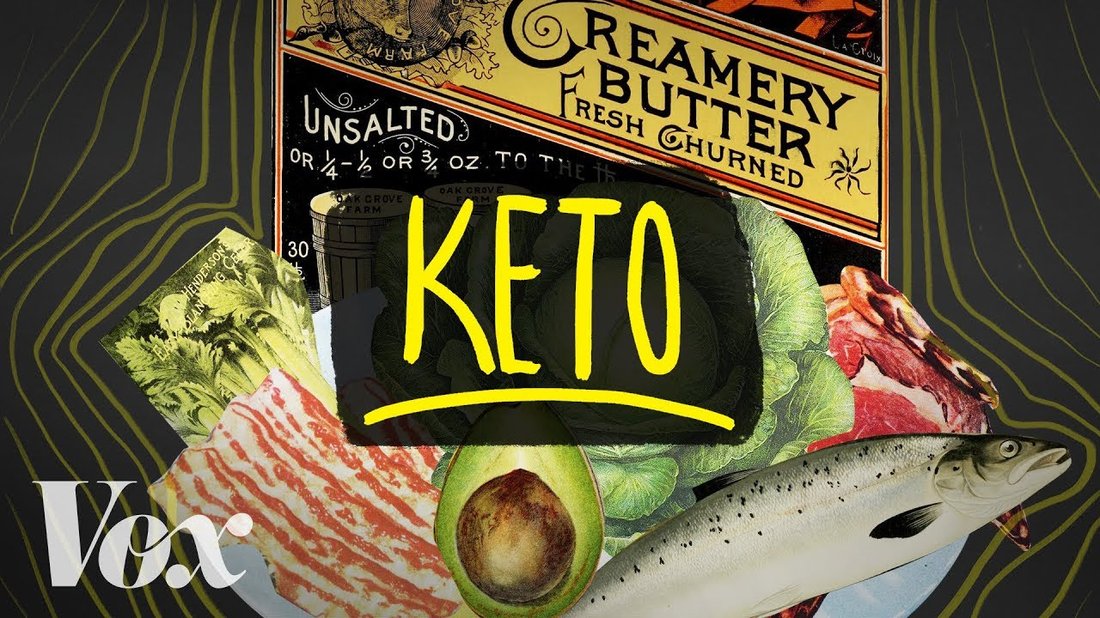
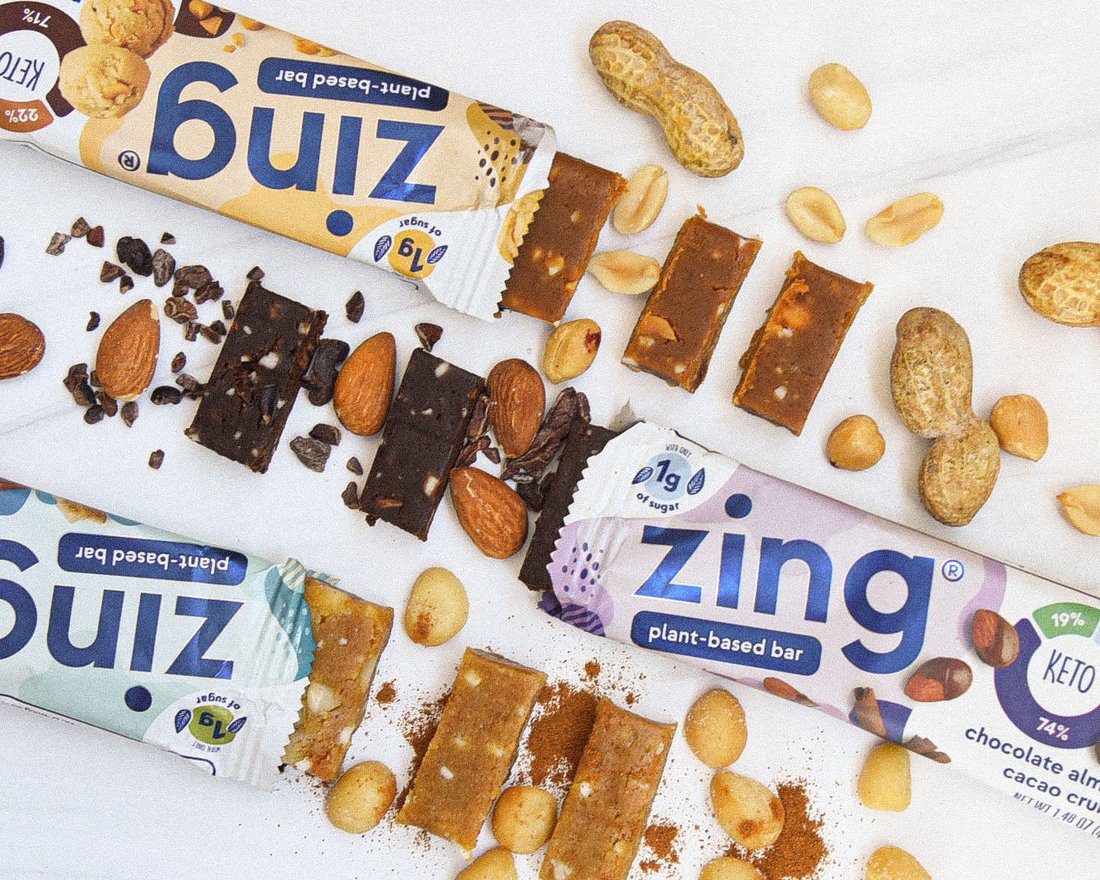
Success on keto hinges on food choices. Embrace healthy fats: avocados, olive oil, coconut oil, butter, ghee, fatty fish like salmon, nuts (macadamias, almonds in moderation), and full-fat dairy (cheese, heavy cream). Proteins include meat, poultry, eggs, and seafood—aim for 1.2-2.0g per kg of body weight to preserve muscle.
Low-carb veggies like leafy greens (spinach, kale), broccoli, cauliflower, zucchini, and asparagus provide fiber without spiking blood sugar. Berries (strawberries, blackberries) are keto-friendly in small amounts. Avoid grains (bread, pasta, rice), sugars (soda, candy), starchy veggies (potatoes, corn), most fruits, and legumes. Hidden carbs in sauces or processed foods can derail progress—read labels religiously.
For beginners, track macros using apps like MyFitnessPal or Carb Manager. A sample daily intake for a 2000-calorie keto diet: 165g fat, 75g protein, 25g carbs. Hydration is key; electrolytes (sodium, potassium, magnesium) prevent “keto flu.”
Potential Benefits of the Ketogenic Diet

Beyond weight loss—averaging 2-10 pounds in the first week, mostly water—keto offers metabolic perks. Improved insulin sensitivity helps manage blood sugar, beneficial for prediabetes. A 2018 study in Nutrients showed keto reduced HbA1c levels comparably to medications.
Neurological benefits include epilepsy seizure reduction (up to 50% in some kids, per Cochrane reviews) and potential Alzheimer’s support via ketones fueling the brain. Appetite suppression from stable energy levels aids adherence. Athletes report steady endurance once fat-adapted (4-6 weeks). However, benefits plateau long-term without lifestyle integration; it’s no panacea.
Potential Risks and Side Effects
No diet is risk-free. Initial “keto flu” (days 2-7) brings fatigue, headaches, irritability from electrolyte shifts—combat with bone broth and supplements. Constipation from low fiber requires psyllium husk. Nutrient deficiencies (vitamins C, K, magnesium) arise without diverse veggies.
Kidney stones, high LDL cholesterol, or liver strain affect some, especially with pre-existing conditions. The ORBITA trial highlighted cardiovascular concerns from saturated fats. Pregnant women, those with gallbladder issues, or eating disorders should avoid it. Consult a doctor; monitor lipids and kidneys. Long-term data (>2 years) is limited, with dropout rates high due to restrictiveness.
How to Start the Ketogenic Diet: A Step-by-Step Guide
1. Calculate macros: Use online calculators based on age, weight, activity. Example: Sedentary 150lb woman might target 1300 calories (108g fat, 62g protein, 25g carbs).
2. Stock your kitchen: Batch-cook keto staples like cauliflower rice, egg muffins.
3. Ease in: Cycle carbs for a week to minimize flu.
4. Test ketosis: Urine strips for starters, blood meters for accuracy.
5. Exercise smart: Low-intensity first; strength training preserves muscle.
6. Intermittent fasting (16:8) enhances fat burn but isn’t mandatory.
Adaptations include cyclical keto (carb refeeds for athletes) or targeted (pre-workout carbs). Sustainability trumps perfection—80/20 rule applies.
Sample 7-Day Keto Meal Plan for Beginners
Day 1: Breakfast—Avocado egg boats (300 cal); Lunch—Grilled chicken salad with olive oil (450 cal); Dinner—Salmon with broccoli (600 cal); Snack—Cheese sticks (200 cal).
Total: ~1550 cal, 130g fat, 70g protein, 20g net carbs.
Day 2: Bulletproof coffee, Cobb salad, pork chops with zucchini noodles, macadamia nuts.
Continue similarly: Eggs, bacon, fatty meats, cheese omelets, stir-fries. Recipes abound online; focus on whole foods. Adjust portions for goals.
Common Myths About the Ketogenic Diet Debunked
Myth 1: Keto causes muscle loss. Fact: Adequate protein and resistance training prevent it.
Myth 2: All fats are equal. Fact: Prioritize unsaturated over processed.
Myth 3: It’s unsustainable. Fact: Modified versions like dirty keto ease social eating.
Myth 4: Keto cures cancer. Fact: Promising preclinical data, but no human cure-all.
Science evolves; keto shines short-term but pairs best with veggies, exercise.
FAQs: Keto Diet for Beginners
Can I drink alcohol on keto? Moderately—dry wines, spirits; avoid beer, sugary cocktails.
How long to see results? 1-2 weeks for ketosis, 4-8 for fat adaptation.
Is keto safe for vegetarians? Yes, via eggs, dairy, tofu, nuts—but protein vigilance needed.
What if I cheat? One meal won’t boot ketosis; refocus.
Conclusion: Is Keto Right for You?
The ketogenic diet demystified is a powerful tool for fat loss and metabolic health when approached mindfully. Without hype, it’s challenging yet rewarding for carb-tolerant folks. Track progress beyond scale—energy, clarity matter. Pair with medical advice, prioritize whole foods, and view it as a lifestyle experiment. For sustainable health, evolve beyond strict keto into low-carb living. Consult professionals; individual results vary. (Word count: 1218)