
10 Shocking Renewable Energy Facts That Will Change How You See the Future
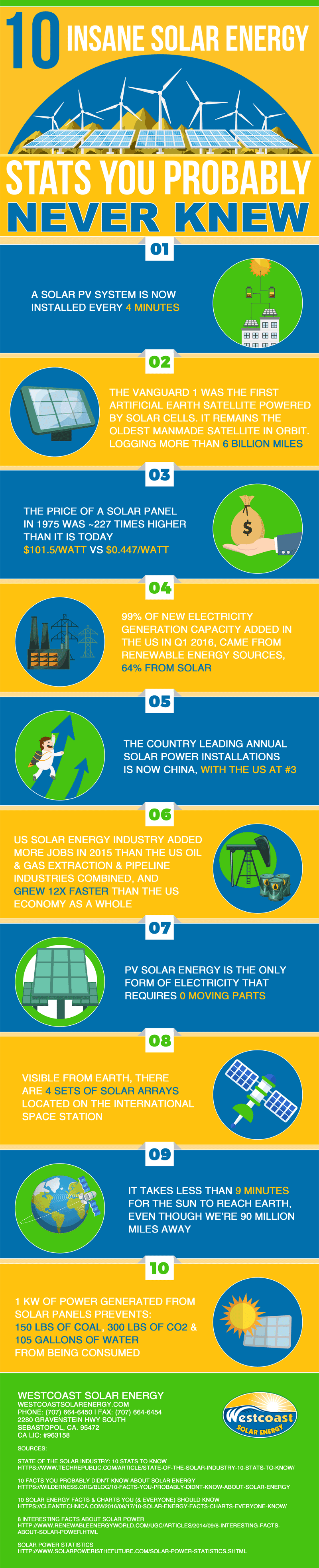
1. Enough Sunlight Hits Earth in ONE Hour to Power the World for a Year
Picture this: every single day, the sun beams down an insane amount of energy onto our planet. NASA scientists have crunched the numbers, and get this—the total solar energy that strikes Earth’s surface in just one hour is more than enough to power humanity for an entire year! We’re talking about 173,000 terawatts of energy potential versus our annual consumption of around 18 terawatts. Yet, we barely tap into it. Why? Infrastructure and storage lags, but with modern panels and batteries, we’re on the cusp. Imagine a future where energy scarcity is a thing of the past—solar could make fossil fuels look like horse-drawn carriages.
2. Solar Power Costs Plummeted 89% in the Last Decade Alone
Remember when solar was this pie-in-the-sky dream for the rich? Buckle up, because between 2010 and 2020, the cost of solar electricity dropped a jaw-dropping 89%. Today, in sunny spots like California or Australia, it’s cheaper than coal or gas—without the pollution hangover. The International Renewable Energy Agency (IRENA) backs this up, showing utility-scale solar now under $0.05 per kWh in the best locations. This isn’t hype; it’s market reality driving a solar boom. Your rooftop could pay for itself faster than you think, slashing bills and your carbon footprint. Game-changer, right?
3. Renewables Now Employ More People Than Fossil Fuels Worldwide
Forget the myth that green energy kills jobs. In 2022, the renewable sector created over 12 million jobs globally—surpassing oil, gas, and coal combined, according to IRENA. Solar installers, wind turbine techs, and battery engineers are the new blue-collar heroes. In the US alone, clean energy jobs grew 3.2% last year while fossil fuels shrank. These aren’t low-skill gigs either; they’re high-paying, future-proof careers. As we pivot, entire economies are reshaping around wind farms and solar deserts. Your next job hunt might just involve climbing a turbine instead of pumping gas.
4. Wind Turbines Kill Fewer Birds Than Your House Cat
We’ve all heard the “wind farms are bird blenders” scare story. Truth bomb: a single domestic cat kills up to 4 billion birds yearly in the US, per the US Fish and Wildlife Service. Buildings? 1 billion. Wind turbines? A measly 140,000-500,000. Modern designs with radar tech slow blades for flocks, making them safer. Offshore wind avoids migration paths altogether. Bats get hit too, but solutions like ultrasonic deterrents are slashing that. Renewables aren’t perfect, but compared to cats, cars, or climate change (which is the real bird-killer via habitat loss), they’re a breeze.
5. China Installed More Solar in 2023 Than the US Has Ever Done
China’s going all-in on green energy, and it’s staggering. In 2023, they added 217 gigawatts of solar—more than the total solar capacity the entire United States has built since panels were invented! That’s enough to power 50 million homes. Pair it with their world-leading 40% of global wind installs, and you’ve got a dragon reshaping the energy map. This isn’t just bragging rights; it’s flooding the world with cheap panels, accelerating the global shift. The future? Dominated by the country betting biggest on renewables.
6. Iceland Runs 100% on Renewables—And It’s Not Magic
Iceland, that volcanic wonderland, gets nearly 100% of its electricity from renewables: 75% geothermal, 25% hydro. No coal, no gas, zero emissions from power generation. They export surplus energy and heat homes with Earth’s underground steam. Scalable? Absolutely—geothermal works in 90% of the world with tech advances. Imagine US states like Nevada or California tapping their own hot spots. Iceland proves a clean, reliable grid is possible today, not tomorrow. Jealous yet?
7. Floating Solar Farms on Reservoirs Could Double Output Without Extra Land
Land scarcity? No problem. Floating solar panels on lakes, dams, and reservoirs boost efficiency by 10-15% due to water cooling, while cutting evaporation by 70%. The world’s largest, in China, spans 1 million panels on a reservoir. In drought-prone areas, it’s a double win: power plus water savings. Singapore’s already powering half its needs this way. This tech could unlock gigawatts on existing water bodies worldwide—no deforestation required. Shocking how we’re floating toward abundance.
8. Battery Storage Grew 50-Fold in Five Years, Making Renewables Always-On
Sun sets, wind dies—intermittency was the knock on renewables. Enter batteries: global storage capacity exploded from 3 GW in 2018 to over 200 GW today, per BloombergNEF. Tesla’s Megapacks and others store daytime solar for night, stabilizing grids. Australia’s Hornsdale battery saved $40 million in its first year by smoothing peaks. Costs? Down 89% since 2010. Soon, your EV fleet becomes a massive grid battery. Renewables aren’t flaky anymore—they’re the reliable backbone.
9. Offshore Wind Could Power the Entire Planet 18 Times Over
Off the coasts, winds howl stronger and steadier. Europe’s North Sea farms already rival nuclear plants. Studies from the US DOE show US offshore potential at 2,000 GW—seven times current electricity demand. Globally? Enough to power Earth 18 times, no kidding. Floating turbines unlock deep waters, with 80m blades spinning gigawatts. Costs dropping 60% since 2010. Picture endless ocean energy farms feeding megacities. The sea’s secret superpower is blowing wide open.
10. By 2030, Renewables Could Supply 70% of Global Electricity—Cheaper and Cleaner
Here’s the mic-drop: IRENA forecasts renewables hitting 70% of world electricity by 2030 if we keep the pace, at 30% lower costs than today. That’s trillions saved, billions of tons of CO2 avoided, and energy access for 800 million off-grid folks. Exponential growth—solar/wind doubling every 3-4 years—makes it inevitable. Blackouts from fossils? History. Energy wars? Obsolete. The future you see now? It’s brighter, cheaper, and powered by the sun, wind, and waves. Mind officially blown?