
How to Create a Workout Plan That You’ll Actually Stick To
Creating a workout plan that you’ll actually stick to is one of the biggest challenges in fitness. Many people start with enthusiasm, only to abandon their routines after a few weeks. The key to long-term success lies in designing a plan that’s realistic, enjoyable, and tailored to your lifestyle. In this comprehensive guide, we’ll walk you through proven strategies to build a sustainable workout plan. Whether you’re a beginner or looking to revamp your routine, these tips will help you stay consistent and achieve lasting results. By focusing on personalization, goal-setting, and habit-building, you’ll transform exercise from a chore into a seamless part of your life.
Assess Your Current Fitness Level
Feature Video
Before diving into any workout plan, take stock of where you are. Assessing your current fitness level prevents injury and sets a realistic baseline. Start with a simple self-evaluation: note how long you can walk briskly, do push-ups, or hold a plank. Use free online fitness assessments or apps like MyFitnessPal to gauge your cardio endurance, strength, and flexibility.
Consider your health history too. Consult a doctor if you have conditions like heart issues or joint problems. Track your resting heart rate and body measurements rather than just weight—progress photos and how your clothes fit provide motivation. This honest assessment ensures your workout plan matches your capabilities, reducing the overwhelm that leads to quitting. Spend a week logging daily activities to understand your starting point, making your plan feel achievable from day one.
Set SMART Goals

Generic goals like “get fit” rarely stick. Instead, use the SMART framework: Specific, Measurable, Achievable, Relevant, Time-bound. For example, aim for “run 5K in under 30 minutes by June” rather than “run more.” Break big goals into milestones, like increasing weekly workouts from three to five sessions over two months.
Align goals with your why—weight loss, stress relief, or energy for family time. Write them down in a journal or app. Review weekly to celebrate wins, like completing all sessions. This method boosts adherence by 42%, per studies from the American College of Sports Medicine. Realistic goals prevent burnout, keeping you motivated long-term.
Choose Activities You Enjoy
The best workout plan revolves around fun. Hate running? Skip it. Love dancing or swimming? Prioritize those. Enjoyment is the top predictor of adherence, according to research in the Journal of Sport and Exercise Psychology. Experiment with classes like Zumba, HIIT, yoga, or team sports.
Incorporate variety to avoid boredom: mix cardio, strength, and flexibility. Apps like Nike Training Club offer guided workouts in categories you love. If gym intimidation is an issue, start home-based with bodyweight exercises or YouTube channels. When workouts feel playful, sticking to your plan becomes effortless, turning fitness into a highlight of your day.
Build a Balanced Routine

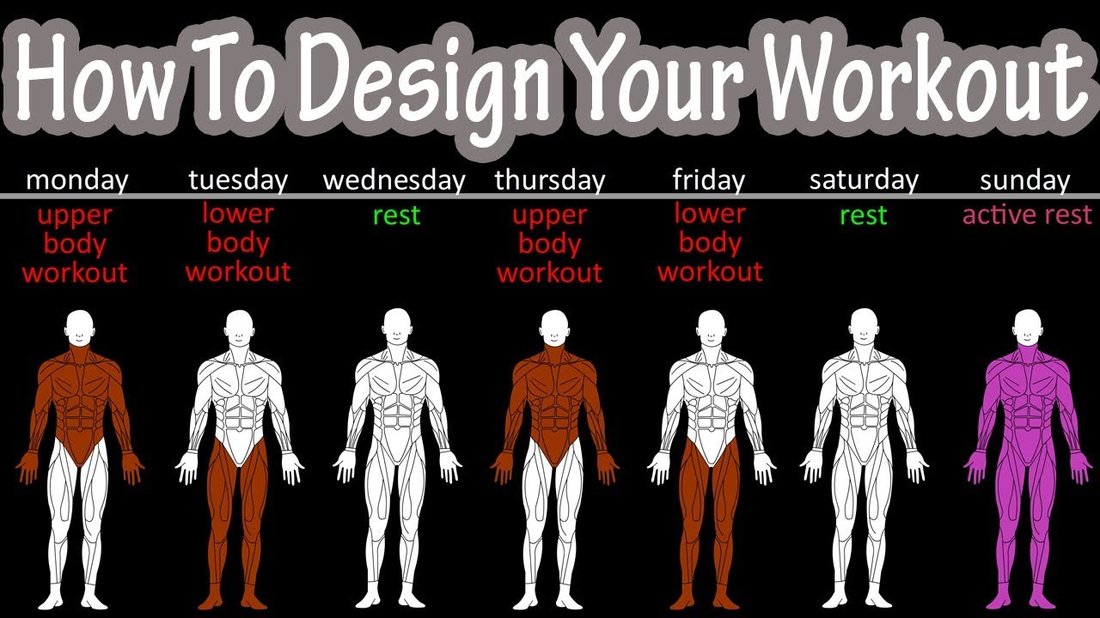
A sustainable workout plan balances all fitness components. Aim for 150 minutes of moderate cardio weekly, plus two strength sessions, per WHO guidelines. Structure like this: Monday cardio (brisk walk), Tuesday strength (squats, push-ups), Wednesday rest or yoga, and repeat.
Include warm-ups (5-10 minutes dynamic stretches) and cool-downs to prevent injury. Beginners: 20-30 minute sessions. Advanced: 45-60 minutes. Use progressive overload—increase intensity gradually, like adding weights weekly. Tools like workout planners or apps (e.g., Strong) help customize. Balance ensures full-body benefits without overuse, making your plan effective and stickable.
Schedule Workouts Like Appointments
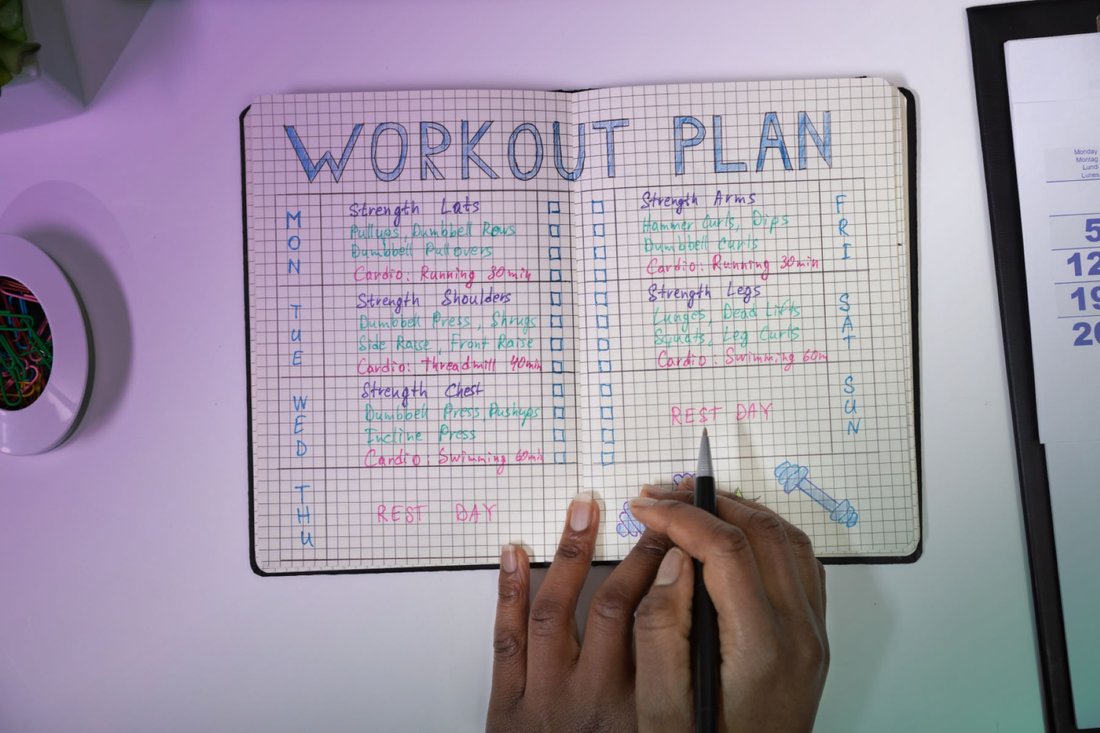
Treat exercise like a non-negotiable meeting. Block time in your calendar—morning for energy boosts or evenings for stress relief. Consistency thrives on routine; studies show habit formation takes 66 days on average, per University College London research.
Prep the night before: lay out clothes, charge trackers. Pair with habits like post-coffee workouts. If life interrupts, have backups like 10-minute home circuits. Accountability apps like Habitica gamify scheduling. Fixed times reduce decision fatigue, embedding workouts into your lifestyle seamlessly.
Track Progress and Make Adjustments

Monitoring fuels motivation. Use fitness trackers (Fitbit, Apple Watch) for steps, calories, and heart rate. Log workouts in journals or apps, noting mood and energy. Weekly reviews spot patterns—what works, what doesn’t.
Adjust freely: if knees hurt from running, switch to cycling. Celebrate non-scale victories like better sleep or mood. Data-driven tweaks keep plans fresh. Research from the British Journal of Health Psychology links tracking to 2x adherence rates. Visible progress reinforces commitment, helping you stick to your workout plan.
Incorporate Social and Accountability Elements
Going solo often leads to dropout. Partner with a buddy for mutual encouragement—schedule joint walks or virtual challenges. Join communities like Reddit’s r/fitness or local classes for support.
Share goals on social media or apps like Strava for cheers. Group dynamics increase enjoyment and consistency, per Harvard studies. Hire a trainer for personalized accountability. Social ties transform workouts into social events, boosting long-term adherence significantly.
Plan for Nutrition, Recovery, and Setbacks
Workouts alone aren’t enough; fuel with balanced nutrition—proteins, carbs, fats. Hydrate and prioritize sleep (7-9 hours). Include rest days for recovery; active recovery like walking prevents burnout.
Anticipate setbacks: illness or travel. Have mini-plans, like hotel bodyweight routines. Practice self-compassion—miss a day? Resume without guilt. Per resilience research, flexible mindsets sustain habits. Integrating recovery makes your plan holistic and resilient.
Sustain Momentum Long-Term
Periodize your plan: 4-6 week cycles with deloads. Refresh with new goals quarterly. Reward milestones—new gear after 3 months. Mindfulness apps combat mental blocks.
Remember, consistency beats perfection. Most who stick to plans for 6 months make it lifelong, per fitness longitudinal studies. Your customized workout plan, built on these pillars, will evolve with you, ensuring you not only start strong but thrive enduringly.
In summary, crafting a workout plan you’ll stick to demands intention—from assessment to adaptability. Implement these steps, and fitness becomes a joyful habit. Start today, track diligently, and watch transformation unfold. (Word count: 1,248)