
Why You Should Stop Using Plastic Containers in the Microwave: Shocking Health Risks Revealed
Introduction to the Dangers of Microwaving Plastic
Feature Video
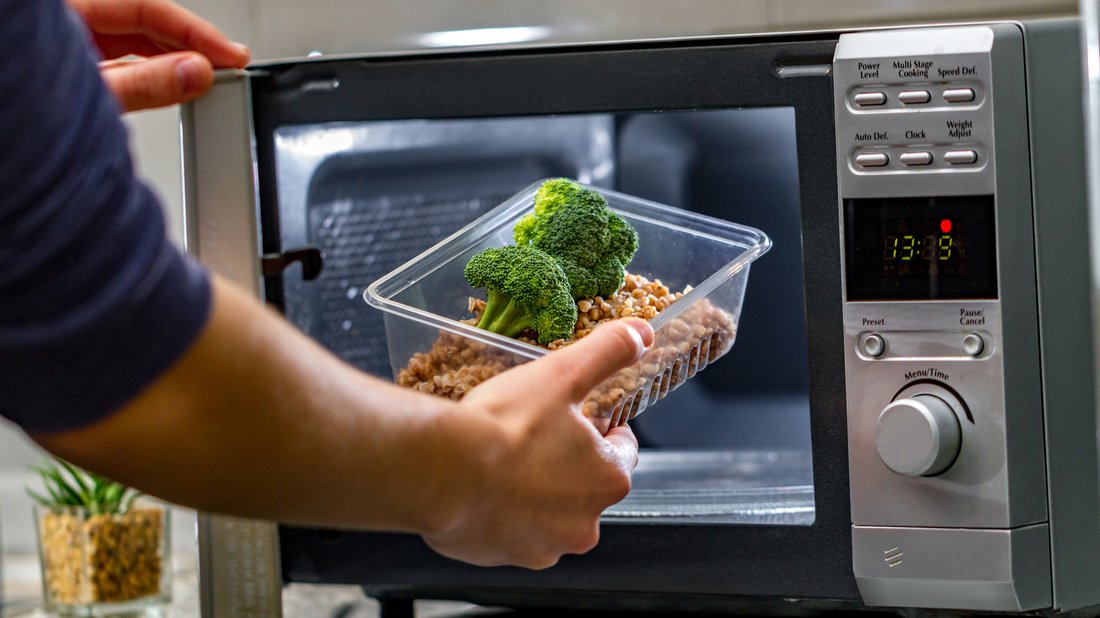
In today’s fast-paced world, microwaves have become indispensable kitchen appliances, making meal prep quick and convenient. However, a common habit many people have is reheating food in plastic containers. While it seems harmless, microwaving plastic containers poses serious health risks due to chemical leaching. This practice can release toxic substances into your food, potentially leading to long-term health issues. If you’re wondering why you should stop using plastic containers in the microwave, this comprehensive guide uncovers the science-backed reasons, from harmful chemicals like BPA and phthalates to environmental consequences. By the end, you’ll understand safer alternatives and how switching can protect your family and the planet.
The Science Behind Chemical Leaching in Plastics
Plastic containers are made from polymers like polyethylene, polypropylene, and polystyrene. When exposed to high heat in a microwave, these materials break down, causing chemicals to migrate into food. Studies from the FDA and environmental groups show that temperatures above 140°F (60°C)—common in microwaves—accelerate this process. A study published in the Journal of Agricultural and Food Chemistry found that even “microwave-safe” plastics release styrene, a probable carcinogen, into fatty foods like pizza or lasagna.
This leaching isn’t visible; it happens at a molecular level. Watery foods absorb fewer toxins, but oily or acidic ones—like tomato sauce or cheese—act as solvents, pulling out more chemicals. Over time, repeated use of the same container worsens degradation, increasing risks. Microwaving plastic isn’t just inefficient; it’s a ticking health hazard disguised as convenience.
Health Risks: BPA, Phthalates, and Hormone Disruption

Bisphenol A (BPA) is a notorious endocrine disruptor found in many plastics. Though phased out in some products, it lingers in older containers. Heating BPA-laden plastic causes it to leach into food at rates up to 100 times higher, per research from the University of Cincinnati. This mimics estrogen in the body, linked to reproductive issues, infertility, and developmental problems in children.
Phthalates, used to make plastics flexible, are equally dangerous. A 2022 study in Environmental Health Perspectives detected phthalates in microwaved food samples, associating them with obesity, diabetes, and thyroid disorders. Pregnant women and infants are most vulnerable; exposure via microwaved baby food bottles has been flagged by the American Academy of Pediatrics. Chronic low-level exposure builds up, potentially causing immune suppression and neurological effects.
Cancer Links and Other Serious Conditions
Beyond hormones, microwaving plastic raises cancer concerns. Polystyrene (foam cups) releases styrene, classified as a Group 2B carcinogen by the IARC. A Harvard study linked regular exposure to increased lymphoma risk. Dioxins, though minimal in modern plastics, form under heat and accumulate in fatty tissues, promoting breast and prostate cancers.
Other issues include migraines, fatigue, and early puberty in girls from xenoestrogens. The European Food Safety Authority warns that cumulative exposure from daily microwaving exceeds safe limits. Real-world cases, like a cluster of thyroid issues in a workplace using plastic-wrapped meals, underscore the urgency. Stopping this habit could prevent these invisible threats.
The Microwave-Safe Label Myth Exposed
Don’t be fooled by “microwave-safe” labels. These indicate the plastic won’t melt but don’t guarantee no chemical leaching. The FDA’s criteria focus on physical integrity, not toxicology. Consumer Reports tested marked containers and found antimony and other metals leaching at concerning levels. Thin plastics degrade faster, while thicker ones retain heat longer, intensifying release.
Takeout containers, often polystyrene #6, are worst offenders—never microwave them. Even brands claiming safety vary; independent tests by GreenPeace reveal inconsistencies. Relying on labels ignores science: heat + plastic = toxins, period.
Environmental Impact of Plastic Microwave Use
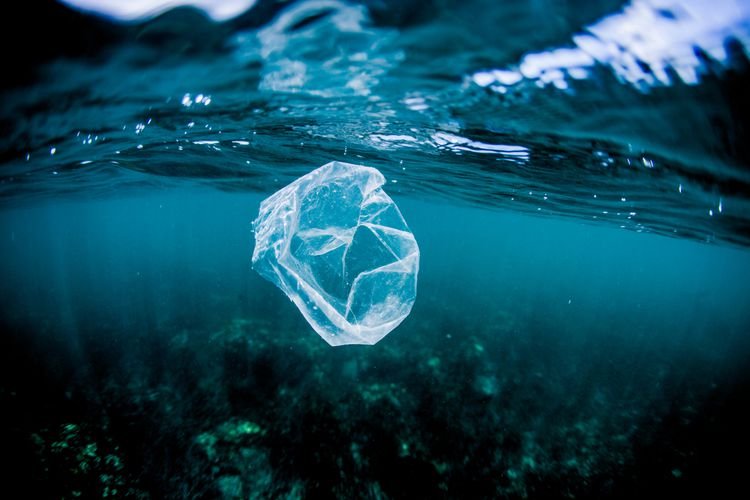
Beyond health, microwaving plastics contributes to pollution. Degraded containers aren’t recyclable, ending in landfills or oceans. Microplastics from breakdown enter waterways, harming marine life. A UN report estimates 14 million tons of microplastics annually from household waste, partly from kitchen habits.
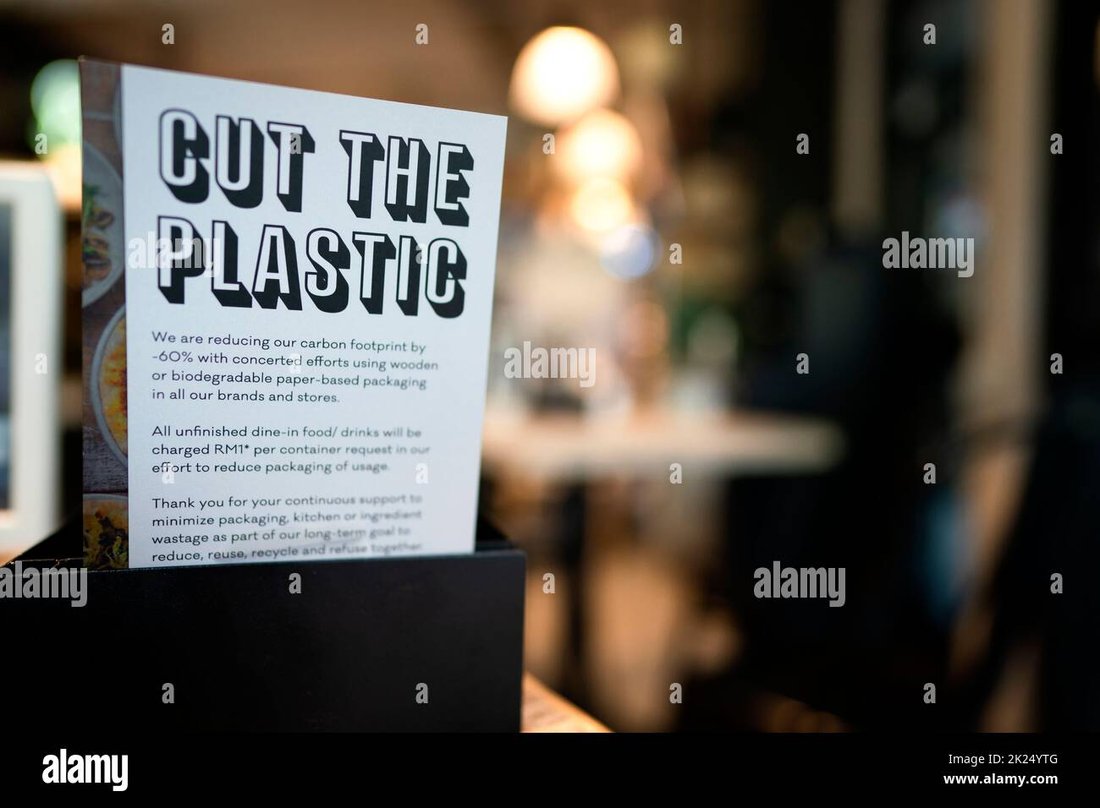
Producing plastics guzzles fossil fuels, emitting greenhouse gases. Switching reduces demand, supporting a circular economy. In the EU, plastic bans in microwaves cut waste by 20%, per recent data. Your choice impacts ecosystems—stopping plastic microwaving aids planetary health.
Safer Alternatives to Plastic Containers
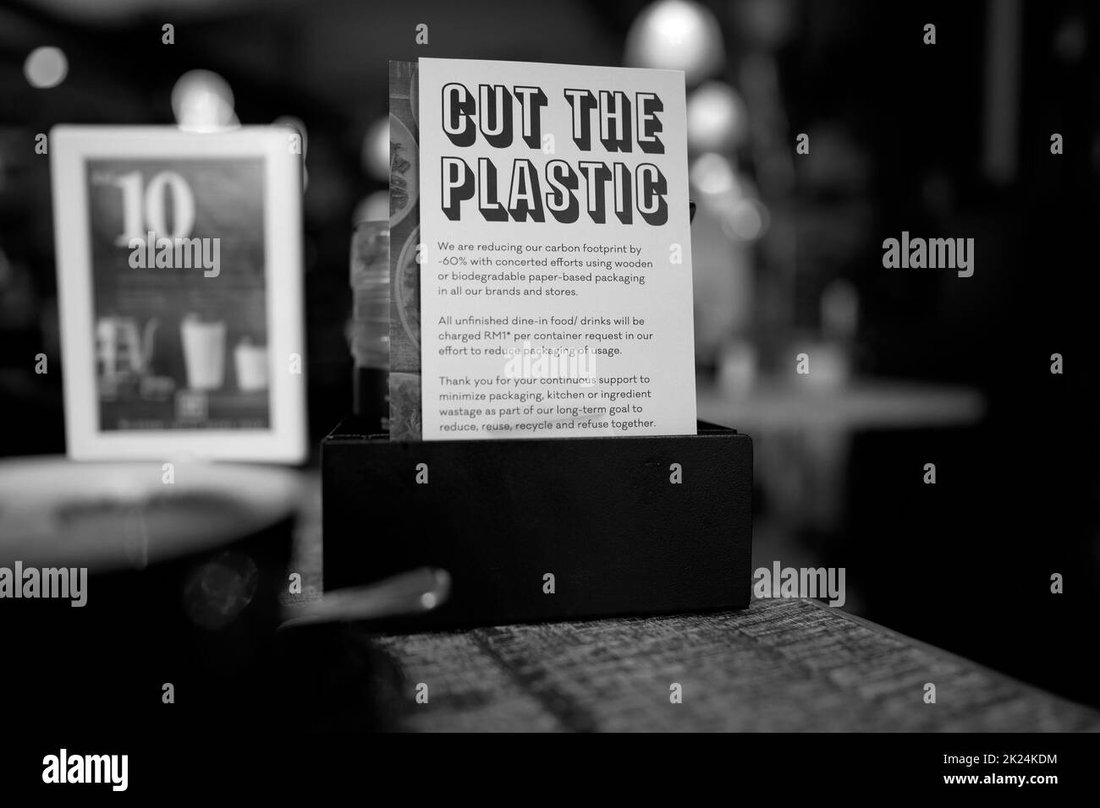
Glass is the gold standard: borosilicate types like Pyrex withstand microwaves without leaching. Ceramic dishes with no metallic paint are safe too. Opt for stainless steel for liquids, though avoid for uneven heating. Bamboo or silicone (pure, not mixed) offer flexibility.
Transition tips: Transfer food to glass before reheating. Use microwave covers to prevent splatters. Invest in quality sets—initial cost saves health bills long-term. Brands like Anchor Hocking or IKEA’s glass lines are affordable and durable. These alternatives heat evenly, preserving nutrients better than plastic, which can degrade vitamins.
Expert Recommendations and Real Studies
Health organizations agree: WHO advises against plastic in microwaves. The American Cancer Society echoes this, citing leaching risks. A 2023 meta-analysis in Food Chemistry reviewed 50 studies, concluding consistent toxin migration. Nutritionists like Dr. Sarah Brewer recommend glass for hormone-free reheating.
Pediatricians warn parents: avoid plastic for kids’ meals. In Japan, where microwaves dominate, glass use is standard, correlating with lower endocrine disorders. Follow suit—experts prioritize prevention over cure.
Conclusion: Make the Switch Today for a Healthier Tomorrow

Using plastic containers in the microwave seems minor, but the cumulative dangers—chemical leaching, hormone disruption, cancer risks, and environmental harm—demand change. Science proves even labeled plastics aren’t safe. Embrace glass, ceramic, or steel for peace of mind, better taste, and sustainability.
Start small: audit your kitchen, ditch risky plastics. Share this knowledge—your action inspires others. Prioritize health; the microwave revolution starts with you. (Word count: 1,248)