
How to Write a Business Plan: A Template and Guide for Startups
What is a Business Plan and Why Do Startups Need One?
Feature Video
A business plan is a comprehensive document that outlines your startup’s goals, strategies, market analysis, financial projections, and operational roadmap. For entrepreneurs launching a new venture, learning how to write a business plan is crucial. It serves as a blueprint for success, helping you clarify your vision and navigate challenges. More importantly, it’s often required by investors, banks, and partners to evaluate your startup’s viability.
Startups need a business plan to secure funding—whether through venture capital, loans, or grants. According to the Small Business Administration (SBA), businesses with formal plans are 16% more likely to achieve profitability. This guide provides a business plan template for startups and step-by-step instructions to create one that’s professional, persuasive, and SEO-optimized for pitching.
Key Components of a Startup Business Plan Template

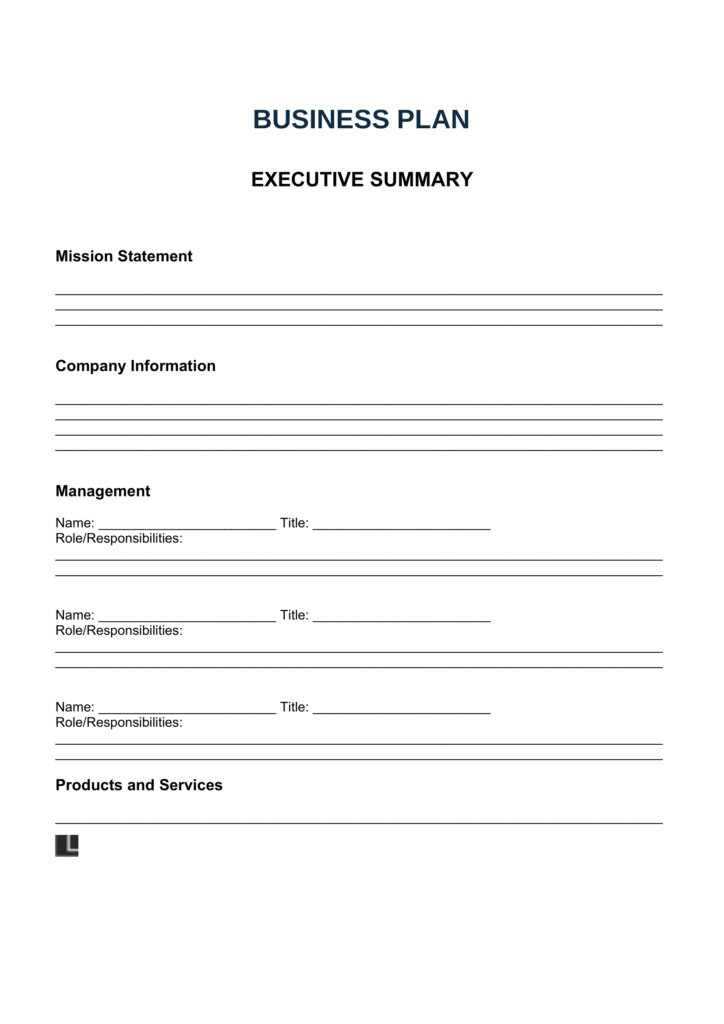
A standard business plan template includes nine core sections. Customize it to your industry, but maintain a clear structure. Aim for 15-30 pages, using visuals like charts for financials. Here’s the breakdown:
1. Executive Summary
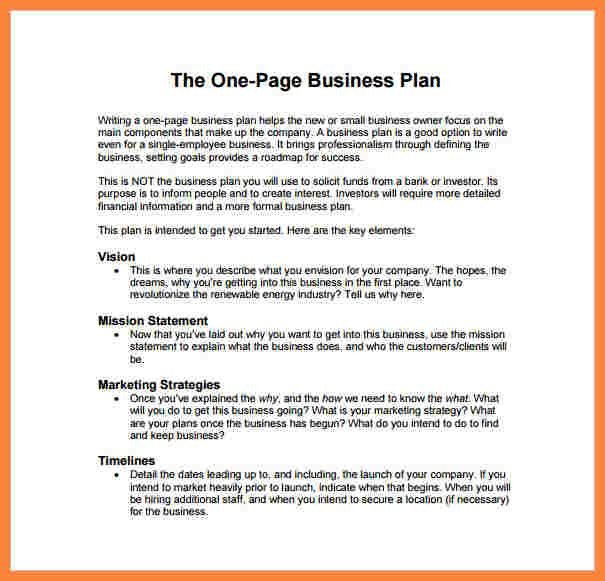
The executive summary is your business plan’s elevator pitch—write it last, but place it first. Limit to 1-2 pages. Highlight your startup’s mission, unique value proposition, target market, financial highlights, and funding ask. For example: “TechNova, a SaaS platform for remote teams, projects $5M revenue in Year 3 with a $2M seed round request.”
Make it compelling: Investors spend minutes skimming, so use bold stats and problem-solution framing. This section hooks readers and sets the tone for your startup business plan.
2. Company Description
Detail your startup’s legal structure (e.g., LLC, C-Corp), location, history, and ownership. Explain the problem you solve and your solution’s edge. Include short-term and long-term objectives.
Example: “Founded in 2023, EcoWare develops biodegradable packaging for e-commerce, reducing plastic waste by 70% while cutting costs for brands.”
This builds credibility and shows you’ve thought through fundamentals.
3. Market Analysis
Prove demand with data. Conduct thorough research using tools like Statista, Google Trends, or industry reports. Define your industry, market size (TAM, SAM, SOM), target customers (demographics, psychographics), and competitors (SWOT analysis).
For a startup coffee app: “The $100B global coffee market grows at 5% CAGR; our app targets urban millennials underserved by chains like Starbucks.”
SEO tip: Include keywords like “market analysis for startups” to boost search visibility.
4. Organization and Management
Introduce your team—investors bet on people. List key roles, bios, experience, and advisory board. Use an org chart.
Highlight expertise: “CEO Jane Doe: 10 years at Google, scaled products to 1M users.”
If solo, emphasize advisors or planned hires.
5. Products or Services
Describe offerings in detail: features, benefits, pricing, lifecycle, R&D, and intellectual property. Use visuals like product mockups.
“Our AI chatbot service integrates via API, offering 99% accuracy at $0.01/query—cheaper than competitors.”
Focus on customer pain points solved.
6. Marketing and Sales Strategy
Outline how you’ll attract and retain customers. Cover channels (SEO, social media, PPC), sales funnel, pricing strategy, and distribution.
Example: “Inbound via content marketing (targeting ‘best CRM for startups’); outbound via LinkedIn sales. Goal: 10K users Year 1 via freemium model.”
Include metrics like CAC and LTV.
7. Funding Request
Specify amount needed, use of funds (e.g., 40% product dev, 30% marketing), and terms (equity, debt). Project ROI.
“Seeking $1.5M for 18-month runway, yielding 10x return.”
Be realistic and milestone-based.
8. Financial Projections
The numbers game: Include 3-5 year pro formas—income statement, cash flow, balance sheet. Use realistic assumptions; add break-even analysis and scenarios (best/worst).
Tools: Excel, LivePlan. Example table:
(Imagine a simple HTML table here: Revenue growth from $0 to $2M, net profit margins improving to 25%.)
Back with historicals if applicable.
9. Appendix
Supporting docs: resumes, contracts, patents, market research data. Keep main body lean; reference here.
Step-by-Step Guide: How to Write Your Startup Business Plan
Follow these steps for a polished plan:
- Research thoroughly: Spend 2-4 weeks on market validation. Survey 100+ potential customers.
- Outline first: Use this template as a skeleton.
- Draft iteratively: Write sections out of order; refine executive summary last.
- Add visuals: Charts, infographics boost readability (tools: Canva, Tableau).
- Financial modeling: Use templates from SCORE or Bplans.com.
- Get feedback: Share with mentors via Founder Institute or LinkedIn.
- Format professionally: PDF, clean fonts (Arial 11pt), 1.5 spacing.
- Update regularly: Review quarterly as your startup evolves.
Tips for an Effective, Investor-Ready Business Plan
– Be concise yet detailed: Cut fluff; every sentence adds value.
– Use data-driven insights: Cite sources (e.g., CB Insights reports).
– Tailor to audience: VC plans emphasize scalability; bank loans focus on cash flow.
– Leverage AI tools: ChatGPT for drafts, but human-edit for authenticity.
– SEO-optimize if online: Meta titles like “Free Business Plan Template for Startups [2024]”.
– Track trends: Sustainable startups highlight ESG factors.
Common Mistakes to Avoid in Startup Business Plans
– Overly optimistic projections: Base on benchmarks (e.g., SaaS churn <5%).
– Ignoring competition: Address head-on with differentiation.
– Vague goals: Use SMART (Specific, Measurable, Achievable, Relevant, Time-bound).
– Poor visuals: Cluttered spreadsheets kill interest.
– No exit strategy: Investors want 5-10x returns via IPO/acquisition.
Avoiding these elevates your plan from generic to fundable.
Free Business Plan Template Download
Ready to start? Download our free business plan template for startups (link placeholder). It’s editable in Google Docs, pre-filled with examples. Pair with software like Enloop for automated financials.
Conclusion: Launch Your Startup with a Solid Plan
Mastering how to write a business plan transforms ideas into empires. This template and guide equip you to craft a compelling document that attracts capital and guides growth. Remember, 80% of startups fail due to poor planning—don’t join them. Start drafting today, iterate relentlessly, and watch your venture thrive. For more resources, check SBA.gov or join startup communities on Reddit’s r/Entrepreneur.
(Word count: 1,248)