
How to Stop ‘Context Switching’ and Reclaim Your Focus
How to Stop ‘Context Switching’ and Reclaim Your Focus
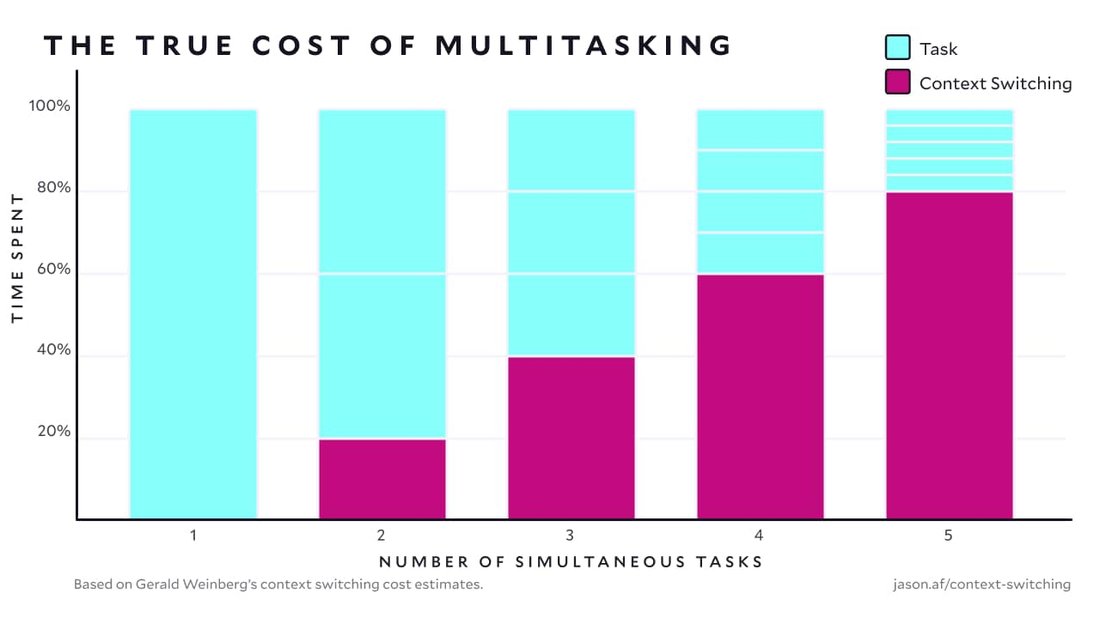
In today’s fast-paced digital world, maintaining focus is one of the biggest challenges professionals face. Constant notifications, endless emails, and the temptation to multitask lead to a phenomenon known as context switching. This habit of jumping between tasks not only fragments your attention but also drastically reduces productivity. Studies show that context switching can cost up to 40% of your productive time, as your brain takes precious minutes to refocus after each interruption. If you’re tired of feeling scattered and want to reclaim your focus, this guide will provide actionable strategies to stop context switching and boost your efficiency.
Whether you’re a remote worker, entrepreneur, or office employee, mastering focus is key to achieving more in less time. By understanding the science behind context switching and implementing proven techniques, you can transform your workday. Let’s dive into what context switching is, its hidden costs, and practical steps to eliminate it.
What is Context Switching and Why Does It Happen?
Feature Video
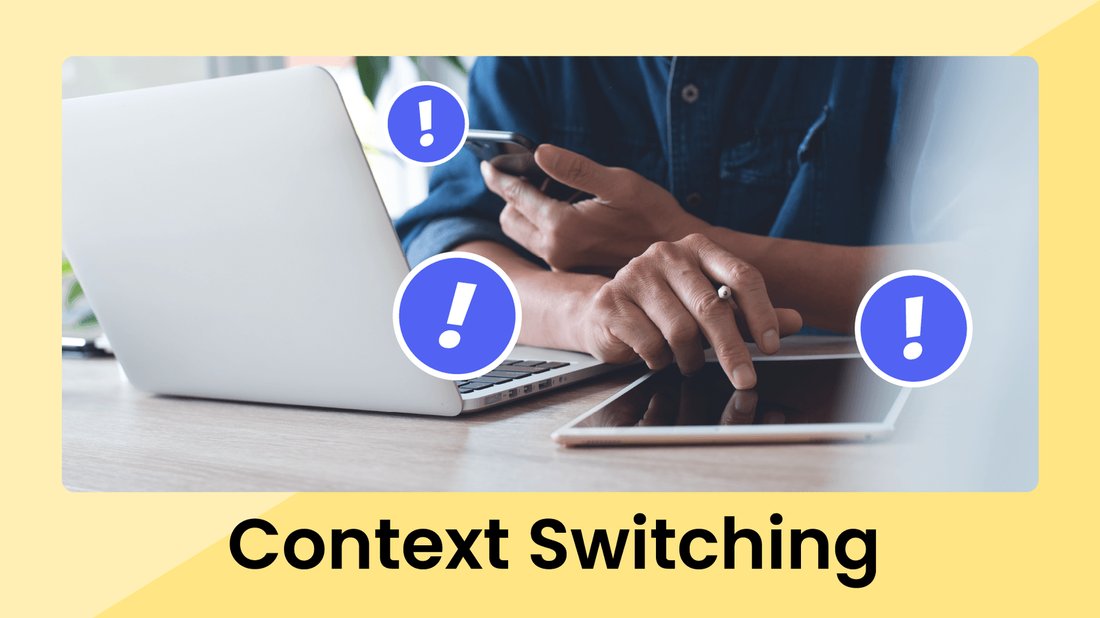
Context switching occurs when you shift your attention from one task to another before completing the first. It’s not just about multitasking; it’s the mental overhead of reorienting your brain each time. For instance, starting an email draft, then checking Slack for a quick reply, and switching to a spreadsheet exemplifies context switching.
Psychologists explain this through cognitive load theory. Your working memory has limited capacity, and each switch requires reloading information, leading to errors and fatigue. Common triggers include smartphone pings, open browser tabs, and workplace interruptions. In a 2023 American Psychological Association report, workers averaged 74 context switches per day, equating to hours of lost focus.
Recognizing these patterns is the first step. Track your switches for a day using a simple journal or app like RescueTime. You’ll likely uncover habits like habitual email checks or social media scrolls sabotaging your flow.
The Hidden Costs of Constant Context Switching
The impact of context switching extends beyond time loss. Research from the University of California, Irvine, reveals it takes an average of 23 minutes to regain deep focus after an interruption. Multiply that by frequent switches, and your day evaporates.
Productivity plummets: a Gloria Mark study found task completion rates drop by 40% during heavy switching. Stress hormones like cortisol rise, leading to burnout. Creativity suffers as deep work—essential for innovation—becomes impossible. In teams, it fosters miscommunication and errors, costing businesses billions annually.
Physically, eye strain from screen jumping and mental exhaustion manifest as procrastination. Long-term, chronic context switching correlates with reduced job satisfaction and higher turnover. The good news? You can reverse these effects with deliberate habits.
Strategy 1: Implement Time Blocking to Minimize Switches

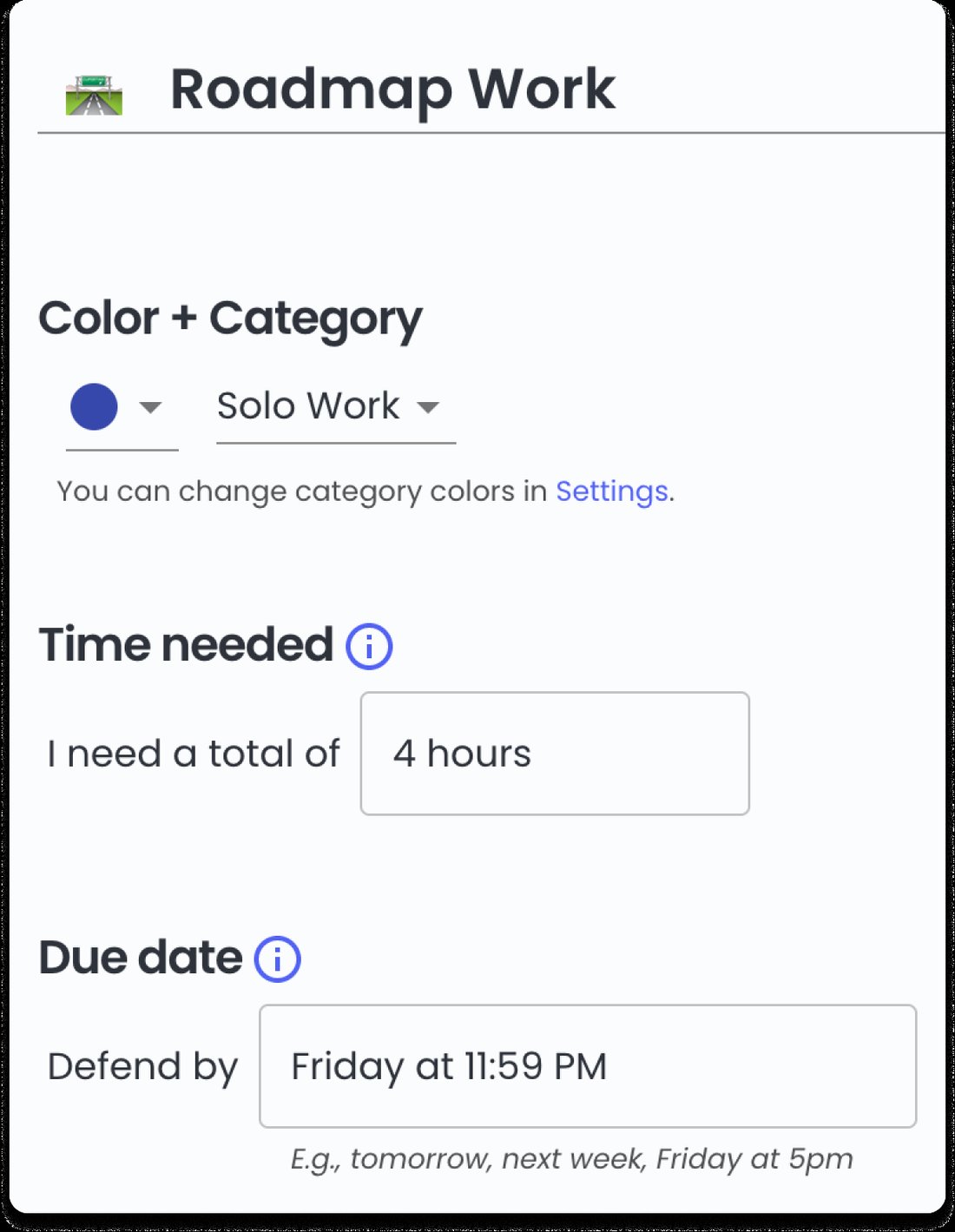
Time blocking is a powerhouse technique to stop context switching. Divide your day into dedicated blocks for specific tasks, treating them as unbreakable appointments. For example, 9-11 AM for deep work on reports, 11-11:30 for emails.
Use tools like Google Calendar or Toggl Plan to visualize blocks. Start small: block 90-minute sessions matching your ultradian rhythms—natural focus cycles. During blocks, silence notifications and use a “do not disturb” sign.
A Harvard Business Review analysis showed time blockers increased output by 25%. Customize blocks: mornings for high-cognitive tasks, afternoons for routine ones. Review weekly to refine, ensuring flexibility for urgencies without derailing flow.
Strategy 2: Master the Art of Single-Tasking
Single-tasking counters context switching by committing to one task at a time. Embrace the Pomodoro Technique: 25 minutes focused work followed by a 5-minute break. Apps like Focus Booster enforce this.
Prepare your environment: close unrelated tabs, use full-screen mode. Set micro-goals, like “write 500 words,” to build momentum. Studies from the Journal of Experimental Psychology confirm single-tasking enhances accuracy and speed over multitasking.
Train your brain gradually. If tempted to switch, note the distraction on a “parking lot” list for later. Over time, single-tasking rewires neural pathways for sustained attention, reclaiming hours daily.
Strategy 3: Optimize Your Digital Environment

Your devices are context switching magnets. Declutter ruthlessly: uninstall distracting apps, use browser extensions like StayFocusd to limit sites.
Enable “Focus Mode” on iOS/Mac or Windows Focus Assist. Tools like Freedom or Cold Turkey block sites during work blocks. Organize tabs with OneTab, reducing visual clutter.
Email hygiene is crucial: batch checks to thrice daily. Use keyboard shortcuts for efficiency. A 2022 Gartner report noted digital detox tools cut switches by 60%, skyrocketing focus.
Strategy 4: Build Batching Habits for Routine Tasks
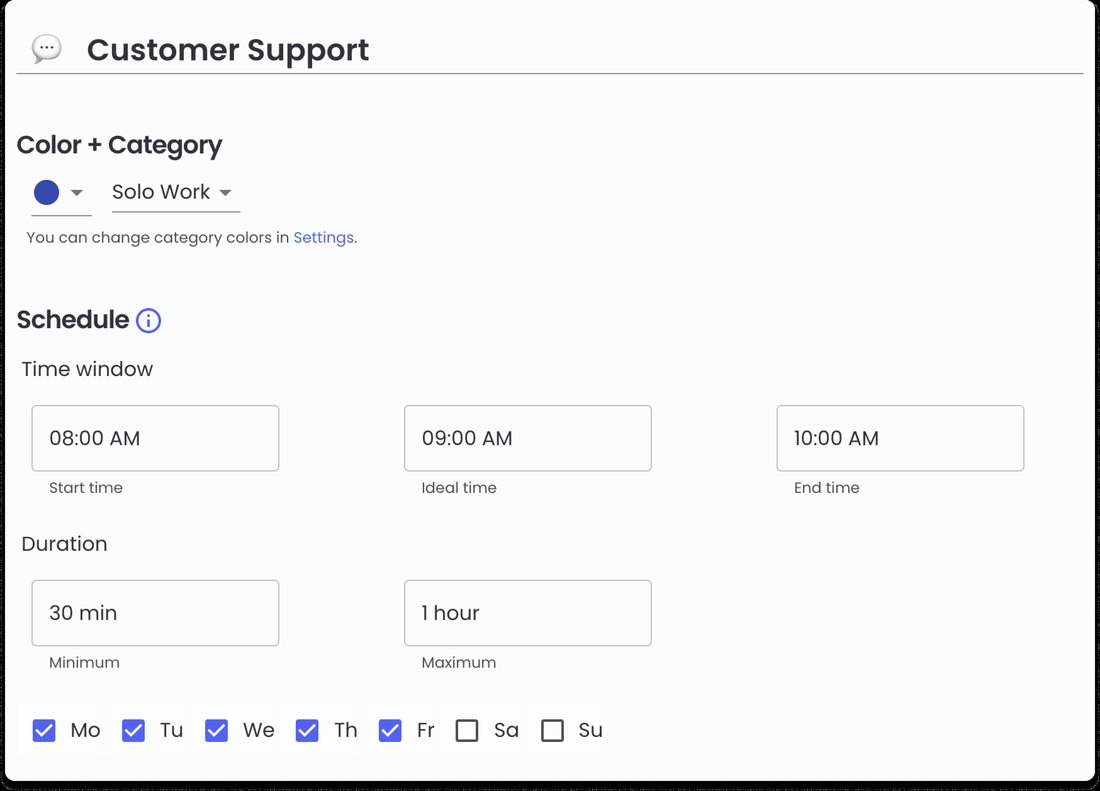
Group similar low-energy tasks into batches to reduce switches. Handle all calls in one 30-minute slot, process invoices together.
This leverages the Zeigarnik effect—your brain remembers unfinished tasks. Batching completes them efficiently, freeing mental space. Tools like Todoist with labels facilitate this.
Entrepreneurs report 30% time savings via batching. Prioritize: batch creative work separately from admin to preserve peak focus states.
Strategy 5: Cultivate Mindfulness and Focus Rituals
Mindfulness combats reactive switching. Practice 10-minute daily meditation via Headspace to strengthen attention muscles. Studies in Psychological Science link meditation to 14% fewer mind wanders.
Start sessions with rituals: deep breaths, affirming “one task only.” End with reflection: what caused switches? Physical anchors like a focus playlist or fidget tool help.
Over weeks, mindfulness builds resilience to distractions, enabling flow states where productivity soars effortlessly.
Leverage Technology and Tools for Focus

Tech aids anti-switching: Forest gamifies focus, growing virtual trees. Serene plans daily goals with timers. AI schedulers like Reclaim.ai auto-block calendars.
Hardware: noise-cancelling headphones block auditory switches. Standing desks encourage movement breaks without disruption.
Integrate analytics: Moment tracks phone usage, revealing patterns. Combine tools for a focus ecosystem tailored to you.
Overcoming Common Obstacles to Reclaiming Focus
Resistance arises: FOMO from notifications? Set expectation-managing autoresponders. Team interruptions? Propose “focus hours” collectively.
Accountability partners or apps like Focusmate pair virtual work sessions. Track progress with metrics: tasks completed, deep work hours.
If ADHD-like symptoms persist, consult professionals; strategies still apply with adaptations.
Conclusion: Reclaim Your Day, One Focused Moment at a Time
Stopping context switching isn’t overnight magic but a skill honed through consistency. By time blocking, single-tasking, optimizing environments, batching, and mindfulness, you’ll reclaim focus and amplify productivity. Expect initial discomfort—your brain adapts in 21-66 days per habit research.
Start today: pick one strategy, implement for a week, iterate. The payoff? Deeper work, less stress, greater achievements. In a world demanding constant attention, choosing focus is your superpower. Stop context switching, reclaim your focus, and thrive.
(Word count: 1,248)