
How to Safely Jump-Start a Car Battery Without Damaging Your Vehicle
A dead car battery is one of the most frustrating experiences for any driver. Whether it’s due to leaving your lights on overnight, extreme weather conditions, or an aging battery reaching the end of its life, knowing how to safely jump-start a car battery can save you time, money, and the hassle of calling a tow truck. Jump-starting is a straightforward process when done correctly, but mistakes can lead to damage to your vehicle’s electrical system, starter, or even cause fires. In this comprehensive guide, we’ll walk you through the step-by-step process, essential safety tips, tools required, and common pitfalls to avoid. By the end, you’ll be equipped to jump-start your car battery safely without risking your vehicle or personal safety.
Why Jump-Starting a Car Battery Can Go Wrong
Feature Video
Before diving into the how-to, it’s crucial to understand the risks. Car batteries produce hydrogen gas, which is highly flammable. Incorrect connections can cause sparks, leading to explosions. Reversing polarity (connecting positive to negative or vice versa) can fry your alternator, ECU, or wiring harness, resulting in repair bills exceeding $1,000. Over-cranking the engine or leaving cables connected too long can overheat components. Modern vehicles with sensitive electronics require extra caution. Statistics from AAA show that improper jump-starts contribute to thousands of vehicle fires annually. Following proper protocol minimizes these dangers and ensures your car battery jump-start succeeds on the first try.
Gathering the Right Tools and Equipment

To jump-start a car battery effectively, you’ll need specific tools. The star of the show is a set of heavy-duty jumper cables, ideally 4-6 gauge thickness with 100% copper clamps for optimal conductivity. Avoid thin, cheap cables that overheat. A booster battery or a donor vehicle with a healthy, fully charged battery (preferably the same voltage, 12V for most cars) is essential. Safety gear includes insulated gloves, safety glasses, and a fire extinguisher rated for electrical fires. For added security, consider a battery charger or portable jump starter pack like those from NOCO or Schumacher, which eliminate the need for another vehicle. Park both cars in neutral, engines off, and ensure hoods are accessible. Verify no corrosion on terminals using a wire brush if needed.
Essential Safety Precautions Before Starting
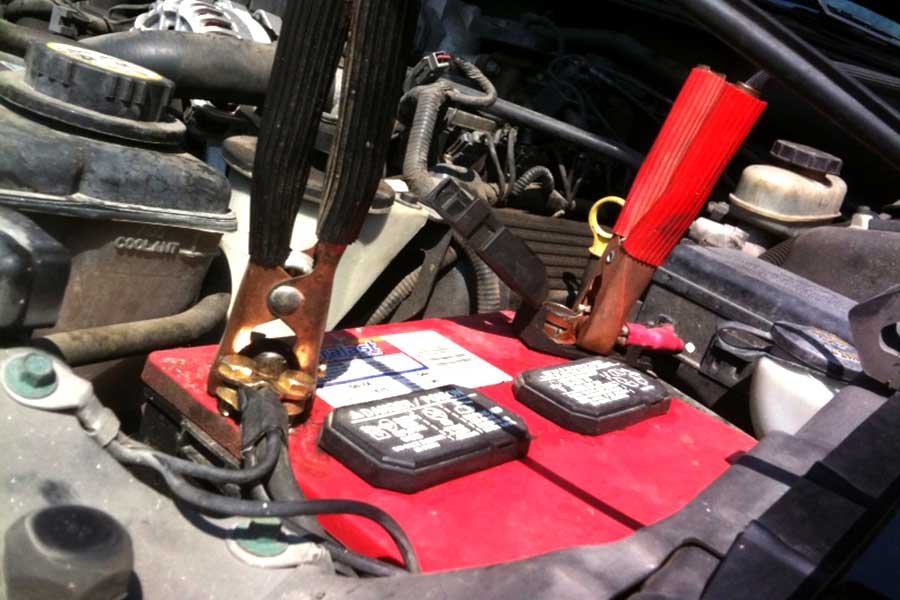
Safety is paramount when learning how to jump start a car safely. First, assess the environment: Park on a flat, stable surface away from traffic, with both vehicles in park (automatic) or neutral (manual), parking brakes engaged. Turn off all accessories—lights, radio, AC—in both cars to prevent electrical surges. Inspect batteries for cracks, leaks, or bulging; if damaged, do not proceed—call a professional. Wear protective gear to shield against acid splashes or sparks. Ensure no smoking or open flames nearby, as hydrogen gas buildup can ignite. Position vehicles nose-to-nose or side-by-side, at least 18 inches apart to avoid touching bumpers. Communicate clearly if working with another person. These steps prevent 90% of jump-start mishaps.
Step-by-Step Guide: How to Jump-Start Your Car Battery Safely
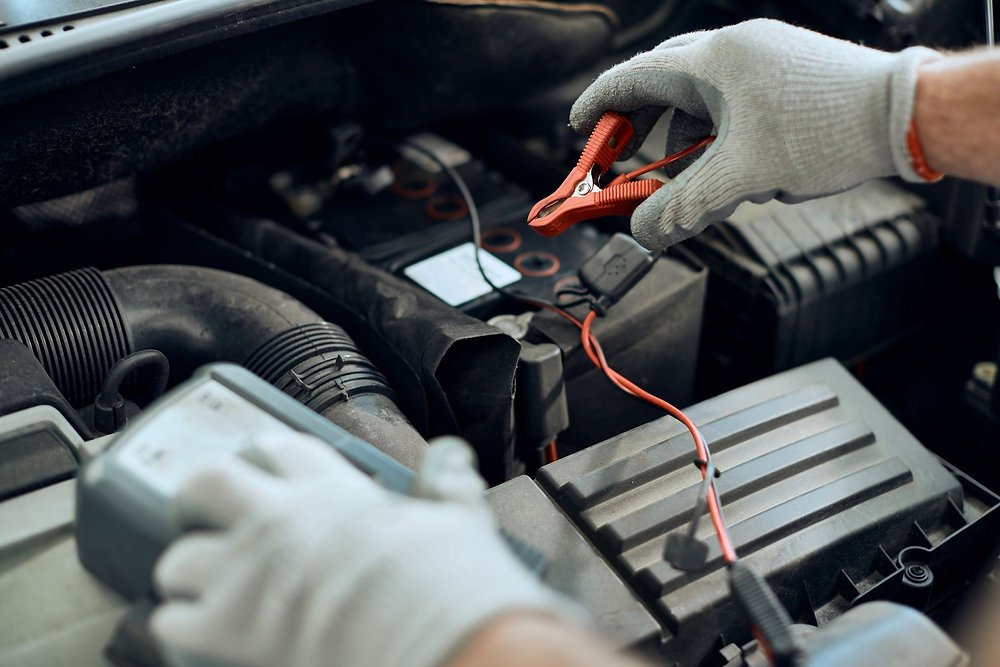
Now, the core process. Follow these car battery jump start steps meticulously:
- Identify Terminals: On both batteries, locate the positive (+) terminal (usually red, larger) and negative (-) terminal (black, smaller). Clean if corroded.
- Connect Positive First: Attach one end of the red cable to the dead battery’s positive (+) terminal. Secure firmly.
- Connect to Donor Positive: Clamp the other red cable end to the donor battery’s positive (+) terminal.
- Connect Negative on Donor: Attach one black cable end to the donor’s negative (-) terminal.
- Ground the Last Connection: Instead of the dead battery’s negative, clamp the remaining black cable to an unpainted metal engine block or chassis ground on the dead car (away from battery and fuel lines). This reduces spark risk.
- Start Donor Vehicle: Let it idle for 2-5 minutes to charge the dead battery. Rev gently to 2000 RPM if needed.
- Attempt Start: Turn the key in the dead car. If it cranks slowly, wait longer. Don’t crank more than 10 seconds at a time.
- Disconnect in Reverse Order: Remove black ground clamp first, then donor negative, donor positive, dead positive. Start dead car and let idle 10-20 minutes with accessories on to recharge.
This sequence—often called the “RED to DEAD, RED to DONOR, BLACK to DONOR, BLACK to GROUND”—ensures safe current flow. Drive the revived car for 30+ minutes to fully recharge via the alternator.
What to Do After a Successful Jump-Start
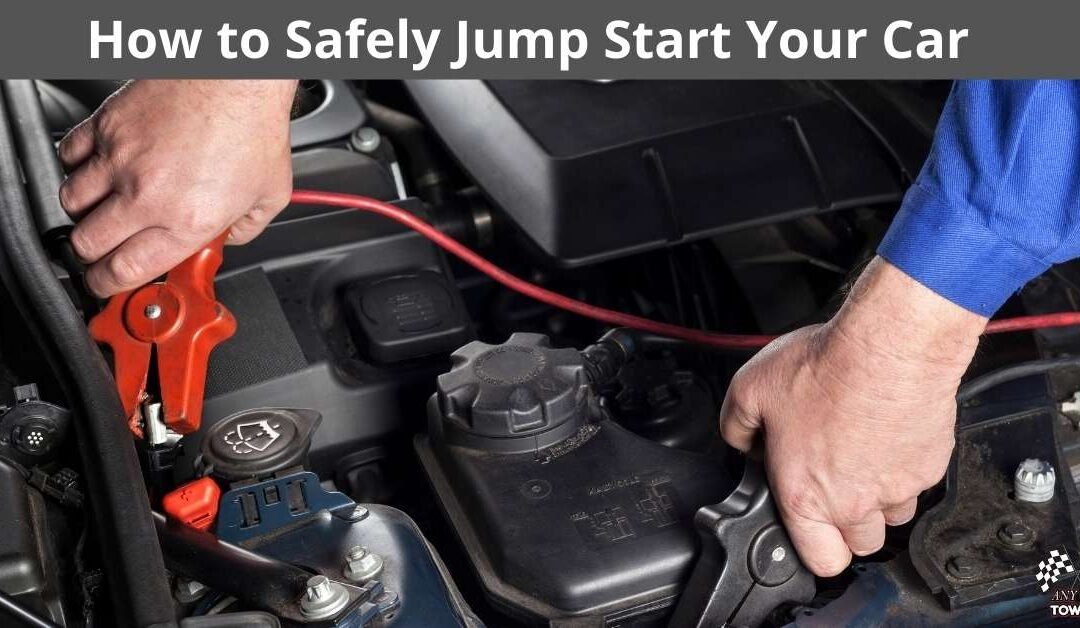
Post-jump care is vital to avoid recurring issues. Drive at highway speeds for at least 30 minutes to let the alternator replenish the battery. Test voltage with a multimeter: A healthy battery reads 12.6V+ engine off, 13.7-14.7V running. If lights dim or it dies again soon, the battery or alternator may need replacement. Clean terminals with baking soda solution to neutralize acid. Monitor for unusual smells or dashboard warnings. For hybrids or EVs, consult the manual—jump-starting differs.
Common Mistakes to Avoid When Jump-Starting
Even seasoned drivers err. Top pitfalls include reversing cables (causes immediate sparks and damage), connecting black to dead negative (risks explosion), using damaged cables, or starting engines simultaneously (electrical overload). Don’t let clamps touch or use the battery case as ground. Avoid jump-starting in rain without covers. Overlooking fuses—some cars have them that blow during jumps. Ignoring parasitic drains like faulty door switches that killed the battery initially. Women and beginners statistically face higher error rates per roadside assistance data; practice on a good battery first.
Troubleshooting: What If It Doesn’t Work?
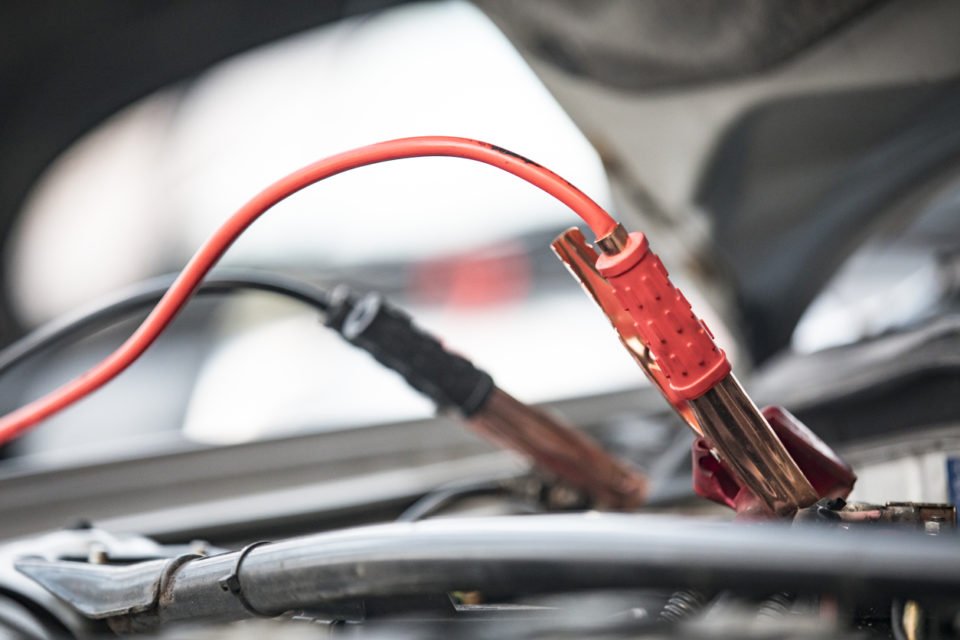
If your car won’t jump-start, diagnose systematically. No crank? Check connections for tightness. Weak crank? Battery sulfated or alternator faulty—test at auto parts store (free often). Clicking sound indicates starter solenoid issues. Smoke or melting? Stop immediately; seek pro help. Extreme cold reduces capacity 50%; warm the battery. If donor battery is weak, chain-jump with a third. Ultimately, if unsuccessful after three tries, tow to a mechanic. Modern diagnostics pinpoint issues like bad grounds or ECM faults.
Preventing Dead Batteries: Long-Term Maintenance Tips
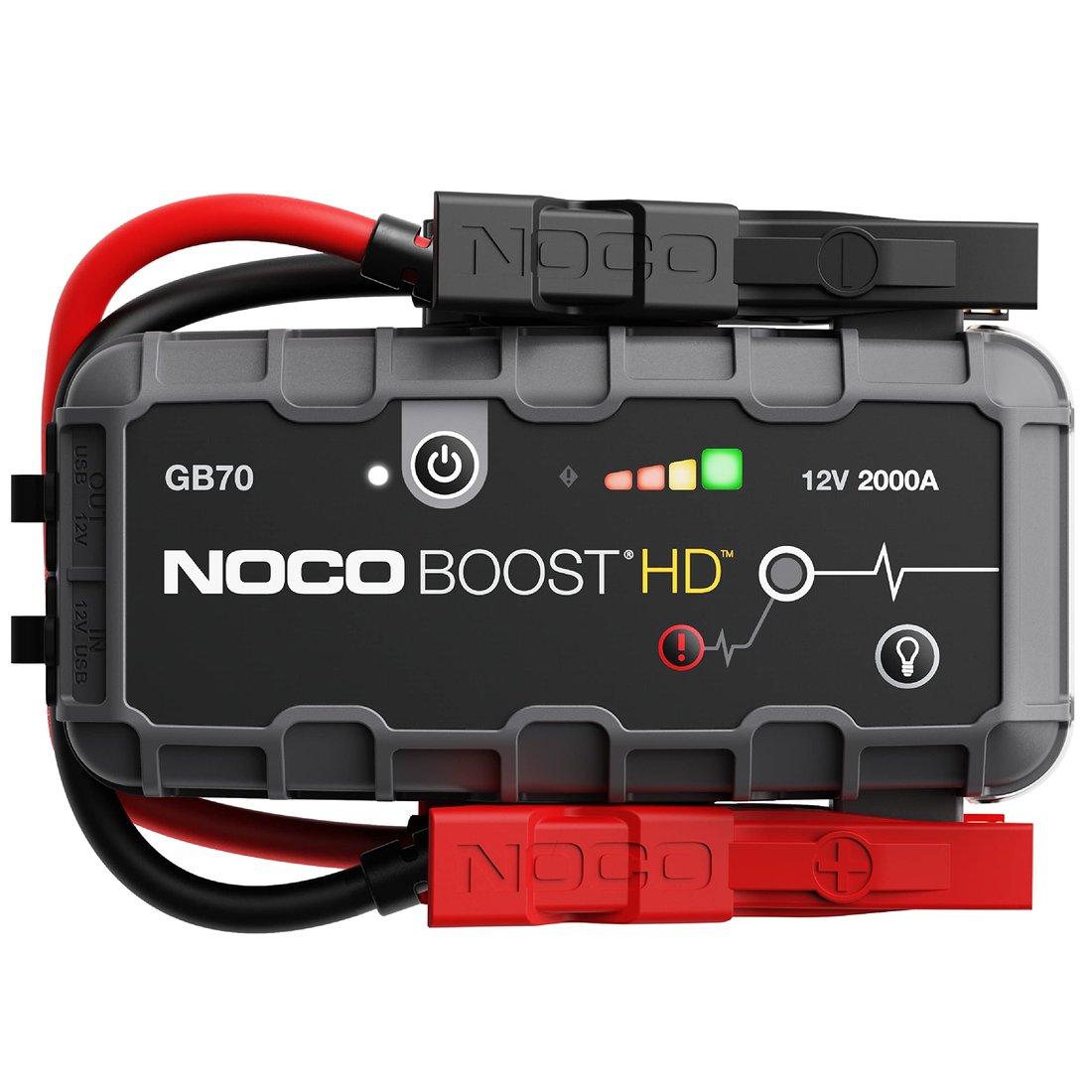
Prevention beats cure. Test battery health annually; lifespan is 3-5 years. Use a trickle charger for storage. Check fluid levels in non-sealed batteries. Tighten terminals seasonally. Disconnect negative cable for long-term parking. Install a battery tender. Watch for symptoms: Slow cranks, dim lights, swollen case. Opt for AGM batteries in hot climates for durability. Track usage with apps like Torque Pro via OBD-II. These habits extend battery life 20-30%, saving hundreds yearly.
FAQs on Safely Jump-Starting a Car Battery
Can I jump-start a dead battery with a completely drained donor? No—needs at least 12.2V. Is it safe for automatic transmissions? Yes, if in park. How long can I leave jumper cables connected? Max 5 minutes idle. Can I jump a car with a dead battery using a power bank? Yes, with compatible lithium jump starters. What if my car has ABS or stability control? Disconnect briefly if warnings persist.
In conclusion, mastering how to safely jump-start a car battery without damaging your vehicle empowers every driver. With preparation, precise steps, and vigilance, you’ll handle dead batteries confidently. Prioritize safety, and your car will thank you with reliable starts. For persistent problems, consult certified mechanics. Stay charged and drive safe!
(Word count: 1,248)