
Elon Musk’s SpaceX Mars Colonization Plan: Detailed Breakdown, Timeline, and Challenges
Elon Musk’s SpaceX Mars Colonization Plan: Detailed Breakdown, Timeline, and Challenges
Elon Musk’s SpaceX Mars colonization plan has captivated the world, promising to turn science fiction into reality. As the CEO of SpaceX, Musk envisions a self-sustaining city on the Red Planet, making humanity multi-planetary. This ambitious initiative, often dubbed the “Mars City,” relies on the revolutionary Starship spacecraft. With recent test flights and orbital successes, the plan is gaining momentum. In this comprehensive article, we delve into the details of the Elon Musk SpaceX Mars colonization plan, including timelines, technologies, challenges, and latest updates. Whether you’re a space enthusiast or curious about humanity’s future, here’s everything you need to know about SpaceX’s path to Mars.
Elon Musk’s Vision for Multi-Planetary Life
Feature Video
Elon Musk has long championed the idea that humanity must become a multi-planetary species to ensure long-term survival. In 2016, at the International Astronautical Congress, he unveiled the Mars plan, emphasizing the need to colonize Mars to mitigate risks like asteroid impacts or nuclear war. The core goal is a self-sustaining colony of one million people by 2050. Musk’s SpaceX Mars colonization plan details a phased approach: uncrewed missions first, followed by crewed landings, infrastructure buildup, and eventual city development.
This vision isn’t just aspirational. SpaceX has invested billions, with Starship as the linchpin. Musk argues that Mars offers resources like water ice and CO2 for fuel production via the Sabatier process. The plan prioritizes in-situ resource utilization (ISRU) to reduce Earth dependency. Early colonists would live in pressurized habitats, growing food in greenhouses and mining regolith for construction. Musk’s ultimate dream is a thriving Mars economy, with exports like rare metals back to Earth.
Starship: The Super Heavy-Lift Vehicle Powering Mars Missions
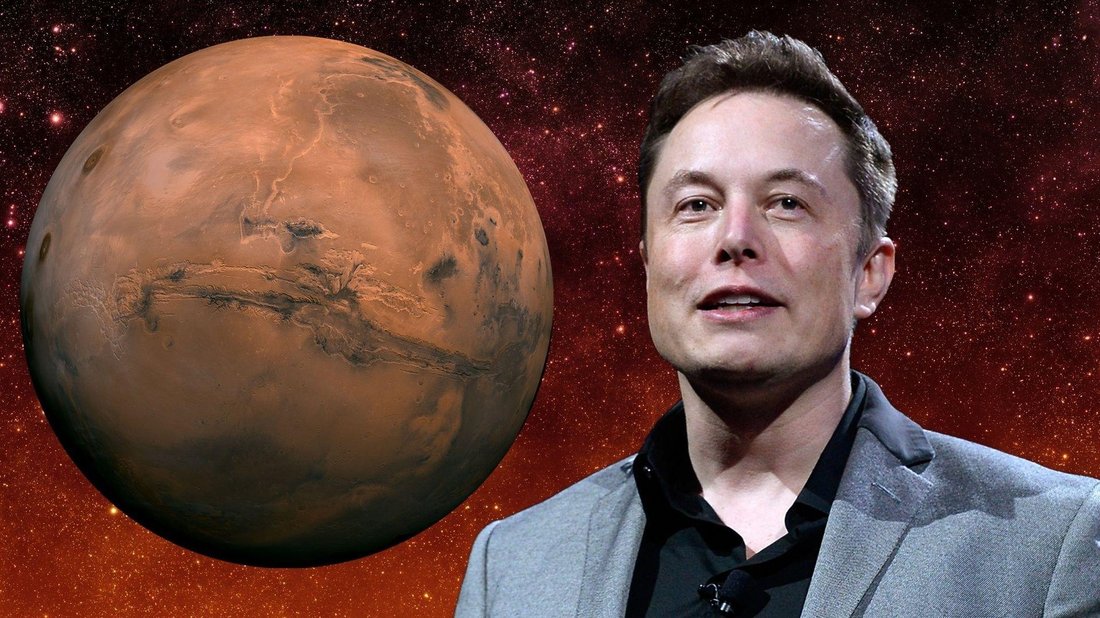
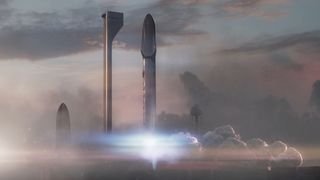
At the heart of the Elon Musk SpaceX Mars colonization plan is Starship, a fully reusable spacecraft designed for 100+ passengers. Standing 120 meters tall, it comprises the Super Heavy booster and the Starship upper stage. Both use Raptor engines fueled by methane and liquid oxygen—methane producible on Mars. SpaceX aims for rapid reusability, with boosters catching mid-air via launch towers, slashing costs to under $10 million per launch.
Starship’s capabilities are staggering: 150-tonne payload to low Earth orbit (LEO), refueling in orbit for interplanetary trips. For Mars, fleets of 5-10 Starships would launch every 26-month Earth-Mars transfer window. The first uncrewed missions in 2026 will test landing and ISRU. Crewed flights follow in 2028-2029. Interior designs include private cabins, communal areas, and radiation shielding using water walls. Propellant production on Mars, via solar-powered plants, enables return trips, closing the logistics loop.
Phased Approach to Mars Colonization
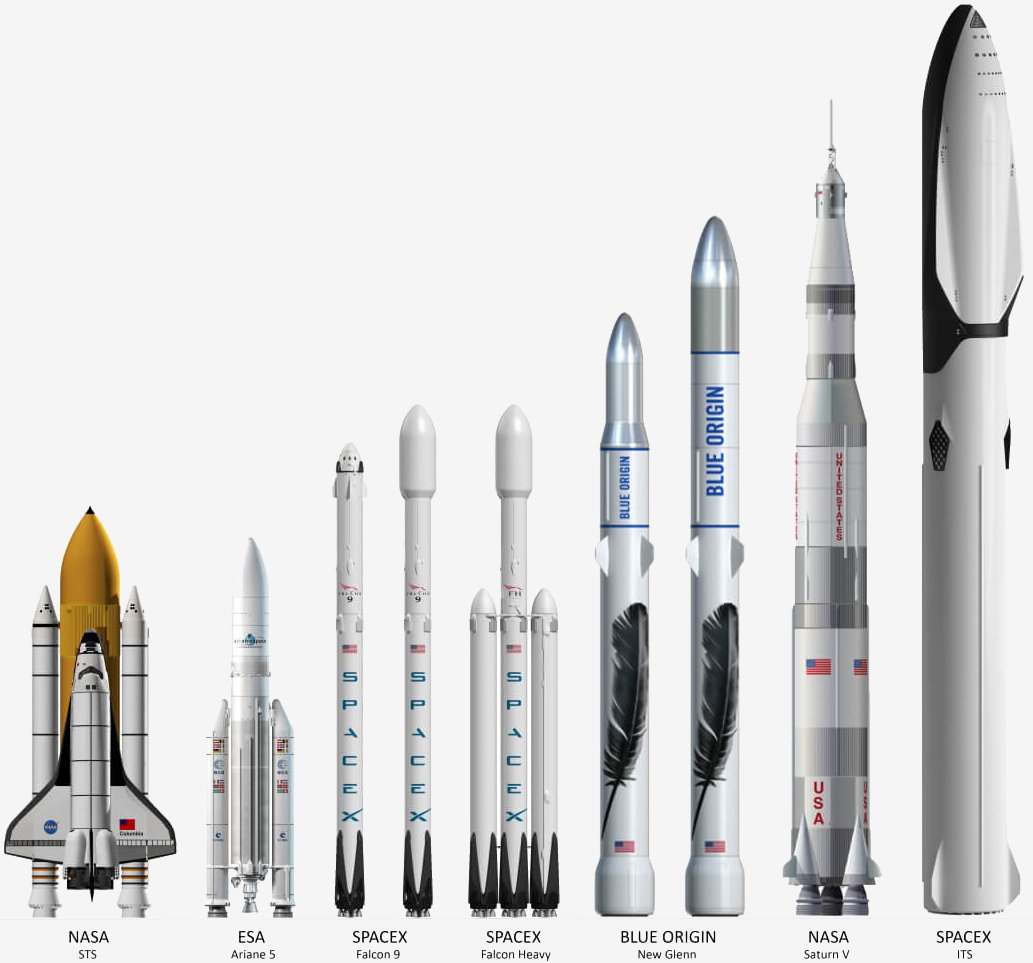
The Elon Musk SpaceX Mars colonization plan is structured in clear phases. Phase 1 (2026-2028): Uncrewed Starships deliver cargo like habitats, solar panels, and rovers. These prove landing reliability and demonstrate propellant production. Phase 2 (2028-2030): First crewed missions with 12-20 settlers establish a base at Arcadia Planitia, chosen for flat terrain and water access.
Phase 3 (2030s): Expansion to hundreds of people, building dome habitats and hydroponic farms. Musk plans terraforming—thickening the atmosphere with greenhouse gases and nuking polar caps for water vapor—though this is long-term (centuries). Phase 4: Million-person city with factories, schools, and governance. Self-sufficiency milestones include local food production (target: 1000 calories/person/day by 2035) and birth of first Mars babies.
Transportation scales up: 1000 Starships per window by 2040, each carrying 100 colonists. Cost per person drops to $200,000, making it accessible like historical migrations.
Timeline and Key Milestones
Elon Musk’s timelines are aggressive yet grounded in progress. 2024: Starship orbital tests, including booster catch. 2026: First uncrewed Mars landings. 2028: Crewed landing. 2033: 1000 people on Mars. 2050: One million residents. Recent milestones include Starship’s third flight test in March 2024, reaching space and soft-water landing. Fourth test achieved booster splashdown catch simulation.
NASA’s Artemis program aids development, with Starship as HLS for lunar landings by 2026. Private funding from Musk’s wealth and investors fuels it. Delays are possible—radiation, dust storms—but SpaceX’s iteration speed (ship every few weeks) mitigates risks.
Technological Innovations Driving the Plan
Innovations abound in the SpaceX Mars colonization plan. Raptor engines offer 330 seconds ISP, highest for chemical rockets. Orbital refueling involves 10-15 tanker flights per mission. On Mars, Optimus robots from Tesla will build infrastructure pre-arrival. Life support recycles 98% water/air. Biotech for radiation-resistant crops and 3D-printed habitats from regolith. AI optimizes trajectories, saving fuel. These techs not only enable colonization but spin off Earth benefits like cheaper satellites.
Challenges and Risks in Mars Colonization
No plan is without hurdles. Radiation exposure during 6-9 month transit requires shielding; Mars surface dose is 700 mSv/year vs. Earth’s 2.4. Low gravity (38%) causes bone loss; countermeasures include centrifuges. Psychological strain in isolation demands vetted crews. Dust storms block solar power; nuclear reactors proposed. Economic viability hinges on cost reductions—current $2M/kg to Mars must hit $100/kg.
Regulatory issues: FAA approvals, international treaties. Ethical concerns: Planetary protection, worker rights. Musk addresses via transparency and simulations at Starbase. Critics like NASA prefer Moon-first, but Musk pushes Mars direct.
Recent Developments and Future Outlook
2024 updates show progress: Starship Flight 5 imminent, with catch attempts. SpaceX secured $1B+ contracts. Musk announced Mars base mockups. Partnerships with Blue Origin for landers? Unlikely, but competition spurs innovation. Public support grows via merch, streams.
The Elon Musk SpaceX Mars colonization plan could redefine history. If successful, it births a new civilization. Track updates on SpaceX.com. As Musk says, “Failure is an option; not trying is not.” With Starship flying, Mars beckons.
(Word count: 1218)