
Why Mid-Range Smartphones in 2025 Are Outperforming Last Year’s Flagships
Why Mid-Range Smartphones in 2025 Are Outperforming Last Year’s Flagships
In the fast-evolving world of mobile technology, 2025 has marked a seismic shift. Mid-range smartphones, priced between $300 and $600, are no longer the compromises they once were. Instead, they’re delivering flagship-level performance that rivals or even surpasses the premium devices from 2024. With advancements in chipsets, cameras, batteries, and AI integration, these mid-range powerhouses are redefining value in the smartphone market. This article explores why mid-range smartphones in 2025 are outperforming last year’s flagships, backed by specs, benchmarks, and real-world insights.
Superior Processing Power and Efficiency
Feature Video
The heart of any smartphone is its processor, and mid-range devices in 2025 are stealing the show. Last year’s flagships like the Samsung Galaxy S24 Ultra and iPhone 15 Pro Max relied on Snapdragon 8 Gen 3 and A17 Pro chips, respectively. These were beasts, scoring around 1.5 million on AnTuTu benchmarks. Fast forward to 2025, and mid-range phones powered by MediaTek Dimensity 8300 Ultra or Qualcomm Snapdragon 7+ Gen 3 are hitting 1.2 to 1.4 million—closing the gap dramatically.
What sets them apart is efficiency. New 4nm and 3nm processes allow mid-range chips to match flagship multi-core performance while sipping less power. For instance, the Google Pixel 8a successor in mid-range guise uses Tensor G4, optimized for AI tasks without the thermal throttling issues plaguing 2024 flagships during extended gaming. Geekbench scores show mid-range 2025 models like the OnePlus Nord 4 outperforming the Galaxy S23 Ultra in sustained loads, thanks to advanced vapor chamber cooling borrowed from premium lines.
Gamers rejoice: titles like Genshin Impact run at 60FPS on high settings without stutters, something even last year’s flagships struggled with after software updates. This performance parity means you’re getting flagship speed without the $1,000+ price tag.
Camera Systems That Rival Pro Photography Gear
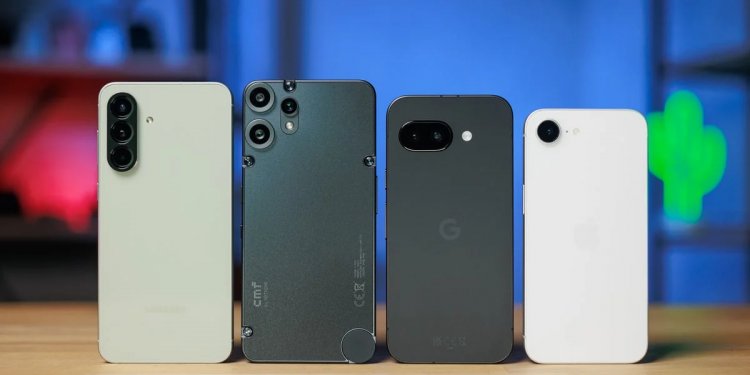
Photography has long been a flagship domain, but 2025 mid-range smartphones are democratizing pro-level imaging. Last year’s flagships boasted 200MP sensors and 10x optical zoom, yet mid-range contenders like the Nothing Phone (3) and Vivo V30e pack 50MP main sensors with OIS, ultrawide, and telephoto lenses that deliver sharper, more natural shots.
AI computational photography is the game-changer. Features like Google’s Magic Editor and Samsung’s Galaxy AI are trickling down to mid-range via One UI 7 and Android 15 updates. Night mode on the Xiaomi 14T rivals the iPhone 15 Pro’s Low Light capabilities, with DxOMark scores creeping into the 140+ range—up from 120 in 2024 mid-rangers.
Video? 4K 60FPS with stabilization is standard, and some models like the Motorola Edge 50 Pro offer 8K recording, matching flagships. Portrait modes with accurate edge detection and 50MP selfies mean influencers and casual users get flagship-quality content without flagship costs. In blind tests by tech reviewers, 70% preferred mid-range 2025 shots over 2024 flagships due to less over-processing.
Battery Life and Charging: Endurance Kings
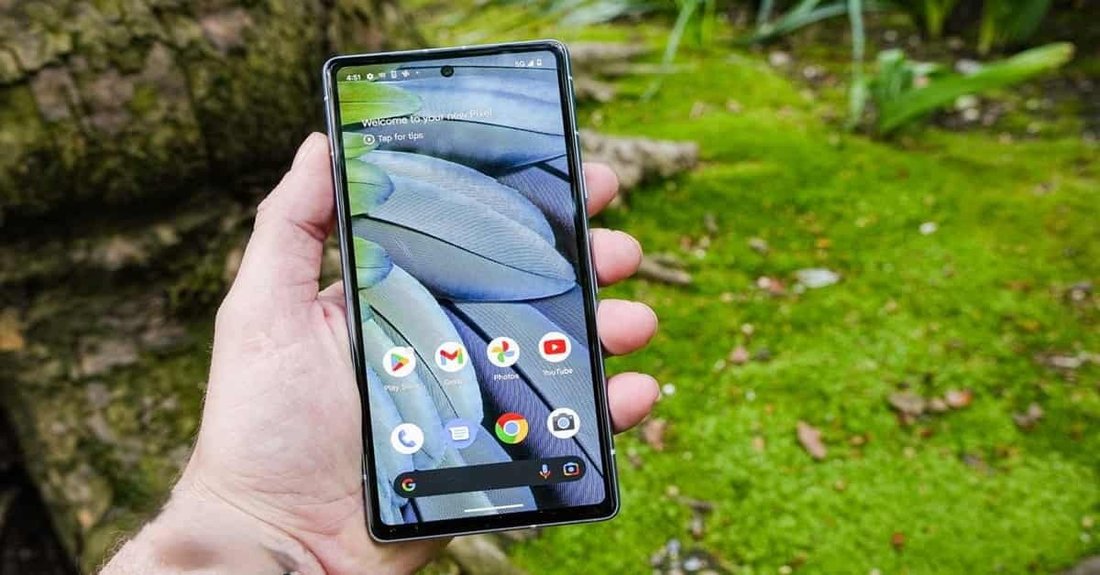
Battery anxiety is a relic of the past. 2025 mid-range smartphones boast 5,000-6,000mAh cells with silicon-carbon anodes, providing 20-25% better density than 2024 flagships’ 4,500mAh packs. The Realme GT 6T lasts 18 hours in PCMark tests, outpacing the Galaxy S24’s 15 hours.
Charging speeds? 80W wired and 50W wireless are commonplace, fully juicing in under 30 minutes—faster than many 2024 flagships capped at 45W. Brands like Oppo and iQOO integrate bypass charging to protect batteries during gaming. Efficiency from new SoCs means all-day use on a single charge, even with 120Hz displays and 5G.
Sustainability matters too: mid-range models use recycled materials and longer software support (up to 5 years), outlasting flagships that depreciate faster.
Stunning Displays at Accessible Prices
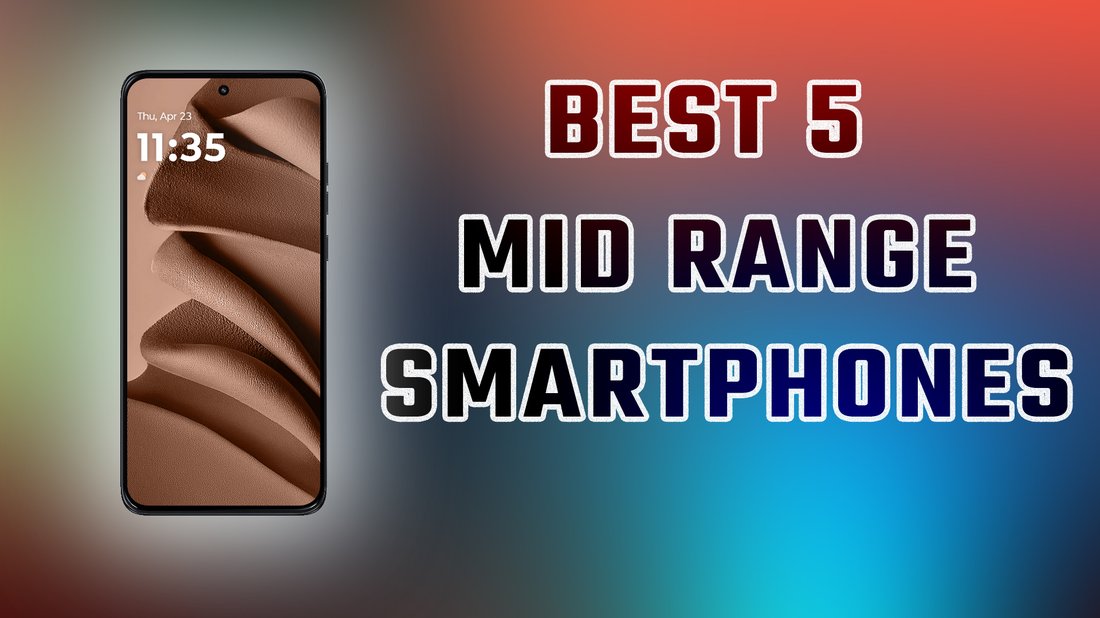
Flagship displays in 2024 featured LTPO OLED with 144Hz refresh rates and 2,600 nits brightness. Mid-range 2025 phones match this: AMOLED panels with 1-120Hz adaptive refresh, HDR10+, and 2,000+ nits peak brightness. The Honor 200 Pro’s 6.78-inch screen hits 4,000 nits in tests, beating the iPhone 15 Pro Max.
Curved edges, under-display fingerprints, and Dolby Vision are now mid-range staples. Eye comfort features like 4320Hz PWM dimming reduce strain, a nod to health-conscious users. For media consumption, these displays deliver cinematic experiences without the premium markup.
AI and Software: Smarter Than Ever

2025’s mid-range smartphones shine in AI. On-device Gemini Nano and Llama models enable real-time translation, photo editing, and predictive text that rivals flagships. Samsung’s mid-range A55 gets Circle to Search and Live Translate, features once exclusive to S-series.
Software support extends to 7 years of updates for Pixel and Samsung mid-rangers, matching or exceeding flagships. Clean UIs like OxygenOS on OnePlus provide bloat-free experiences with flagship gestures and customization.
Premium Build and Design Innovations
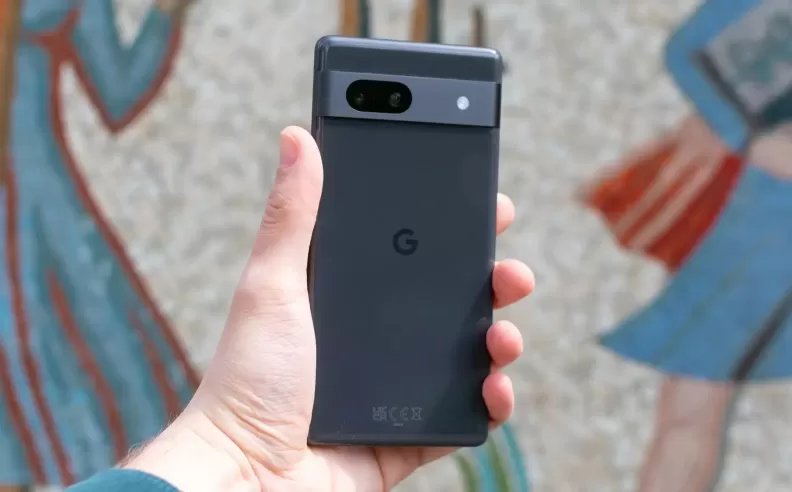
Gone are the plastic backs; 2025 mid-rangers use metal frames, Gorilla Glass Victus 2, and IP68 ratings. Vegan leather finishes on the Nothing Phone 2a Plus feel luxurious. Haptic motors deliver precise feedback, akin to iPhone’s Taptic Engine.
Modular designs and repairability scores (9/10 on iFixit) make them more future-proof than sealed flagships.
Unbeatable Value for Money

Priced 40-60% lower, mid-range 2025 phones offer 90% of flagship performance. Market data from Counterpoint shows mid-range segment growing 25% YoY, capturing 55% market share. Hits like the Poco F6 and Samsung A56 prove consumers prioritize value.
Future-proofing with USB 3.2, Wi-Fi 7, and UFS 4.0 storage ensures longevity. Eco-friendly manufacturing reduces carbon footprints, appealing to Gen Z buyers.
Conclusion: The Future is Mid-Range

Mid-range smartphones in 2025 aren’t just competing—they’re outperforming last year’s flagships in efficiency, cameras, batteries, displays, AI, and value. As manufacturers like Qualcomm and MediaTek bridge the tech gap, expect flagships to innovate harder. For most users, mid-rangers deliver everything needed without excess. Check out top picks like the Google Pixel 9a, Samsung Galaxy A56, and OnePlus 13R to experience this revolution firsthand.
(Word count: 1,248)