
The Psychological Effects of Clutter on Your Mental Health
In today’s fast-paced world, clutter has become an unwelcome guest in many homes and offices. Piles of papers, scattered clothes, and unused gadgets accumulate, seemingly harmless at first glance. However, the psychological effects of clutter on mental health are profound and far-reaching. Research shows that a cluttered environment can trigger stress, anxiety, and even depression, disrupting cognitive function and emotional well-being. This article delves into the science-backed impacts of clutter, exploring how it infiltrates your mind and offers practical strategies to reclaim mental clarity through decluttering.
Understanding Clutter and Its Psychological Roots
Feature Video
Clutter is more than just physical mess; it’s a reflection of our internal state. Psychologists define clutter as an excess of possessions that contribute little to no value, creating visual chaos. A study from the Journal of Environmental Psychology found that 78% of participants reported feeling overwhelmed by their surroundings when cluttered. This visual overload bombards the brain’s prefrontal cortex, the area responsible for executive function, decision-making, and emotional regulation.
Why does clutter accumulate? Often, it’s tied to emotional attachments, procrastination, or consumerism fueled by modern marketing. Hoarding tendencies, even mildly, stem from anxiety disorders, where items represent security. The psychological effect manifests as a cycle: stress leads to avoidance of tidying, which worsens clutter, amplifying mental strain. Recognizing this loop is the first step toward breaking it and improving mental health.
The Science: How Clutter Overloads the Brain

Neuroscience reveals clutter’s toll on the brain. A landmark Princeton University study using fMRI scans showed that cluttered environments reduce the brain’s ability to process information. In a tidy room, the visual cortex focuses efficiently; amid clutter, it competes for attention, leading to cognitive fatigue. This “attention residue” lingers, impairing focus even after switching tasks.
Furthermore, clutter elevates cortisol levels, the stress hormone. Research from the American Psychological Association indicates chronic exposure to disorderly spaces correlates with higher cortisol, mimicking fight-or-flight responses. Over time, this hypervigilance exhausts the amygdala, heightening emotional reactivity. For individuals with ADHD or anxiety disorders, clutter exacerbates symptoms, creating a feedback loop of distraction and distress. Understanding these mechanisms underscores why decluttering isn’t just aesthetic—it’s a mental health imperative.
Clutter and Chronic Stress: A Vicious Cycle

Chronic stress from clutter is insidious. When your space is chaotic, your mind perceives constant threats, activating the hypothalamic-pituitary-adrenal (HPA) axis repeatedly. A UCLA study on family homes found women in cluttered residences had cortisol spikes 20% higher than those in organized ones, linking mess to physiological stress responses like elevated heart rates and insomnia.
This stress manifests psychologically as irritability, decision paralysis, and burnout. Simple tasks feel monumental amid piles, fostering helplessness—a key depression precursor. Long-term, unchecked clutter contributes to allostatic load, the wear-and-tear from prolonged stress, increasing risks for hypertension and immune suppression. Breaking the cycle requires intentional action, but the mental relief is immediate: tidying reduces perceived chaos, signaling safety to the brain.
Anxiety and the Overwhelm of Cluttered Spaces

Anxiety thrives in disorder. Clutter symbolizes unfinished business, triggering rumination. A survey by the Anxiety and Depression Association of America noted 55% of anxious individuals cited messy homes as a primary aggravator. The constant visual reminders of tasks—unpaid bills, laundry—fuel worry loops, preventing relaxation.
Cluttered bedrooms, especially, amplify nighttime anxiety, as the mind races to “solve” the mess subconsciously. This hyperarousal disrupts the parasympathetic nervous system, essential for calm. For those with generalized anxiety disorder (GAD), clutter acts as an environmental trigger, intensifying symptoms like panic and avoidance behaviors. Decluttering therapies, like those in cognitive-behavioral approaches, prove effective, reducing anxiety scores by up to 30% in clinical trials.
Impact on Focus, Productivity, and Decision-Making
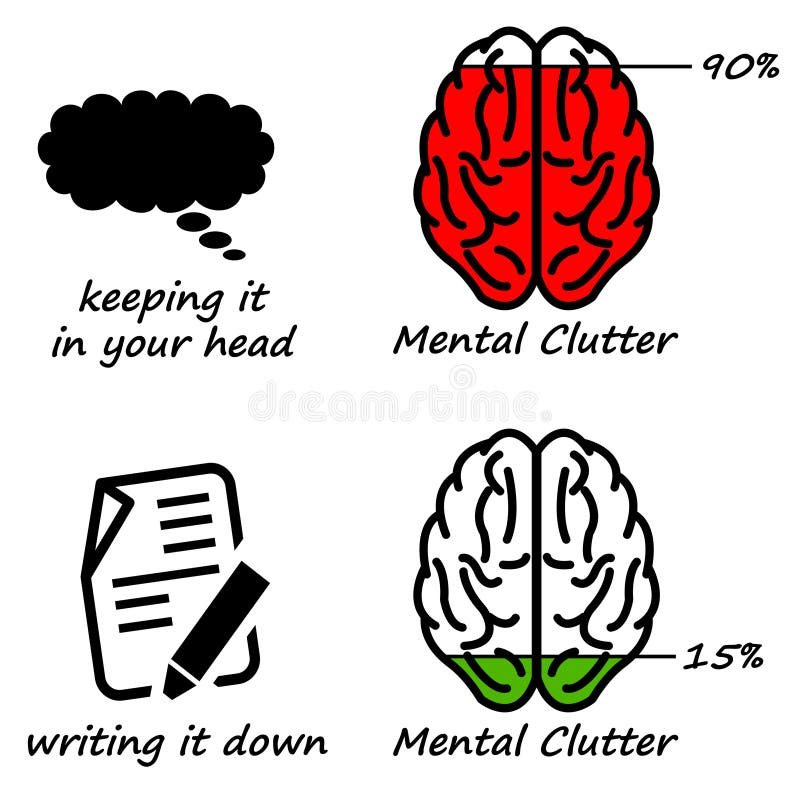
A cluttered desk or workspace scatters attention. Psychological research from the University of Navarra confirms that visual disarray competes with goals, slashing productivity by 20%. The brain expends energy filtering irrelevant stimuli, leaving less for creative or analytical work. This explains why professionals report “brain fog” in messy offices.
Decision fatigue sets in too; endless choices among cluttered items overwhelm the dorsolateral prefrontal cortex. Procrastination follows, as starting feels daunting. Remote workers, post-pandemic, face amplified effects, with home offices blending chaos. Optimizing spaces with minimalism boosts dopamine release upon completion, enhancing motivation and flow states for sustained productivity.
Clutter’s Links to Depression and Emotional Lows

Depression and clutter share a bidirectional relationship. Depressive symptoms like low energy hinder cleaning, while mess reinforces isolation and shame. A study in Personality and Social Psychology Bulletin found cluttered homes predicted depressive episodes six months later, mediated by self-esteem erosion.
Clutter evokes guilt—”I should organize this”—deepening negative self-talk. Social withdrawal occurs as people hide messy spaces, exacerbating loneliness. Hoarding disorder, an extreme, affects 2-6% globally, often comorbid with depression. Interventions like motivational interviewing paired with decluttering yield remission rates over 70%, highlighting environment’s role in mood regulation.
Sleep Disruptions from Bedroom Clutter
Your bedroom sanctuary turns stressor if cluttered. The National Sleep Foundation reports 68% of people with messy rooms experience poorer sleep quality. Clutter near the bed signals alertness to the brain, delaying melatonin onset and fragmenting REM cycles.
Psychologically, it fosters pre-sleep rumination, worsening insomnia—a depression risk factor. Cluttered nightstands with electronics emit blue light, compounding issues. Creating serene spaces promotes psychological unwind, improving sleep hygiene and daytime mood via better circadian rhythms.
Practical Strategies to Declutter for Mental Health
Reclaim your mind through decluttering. Start small: the “one-touch rule” processes items immediately. Use the KonMari method—keep only joy-sparking possessions—to emotionally detach.
- Zone your space: Divide rooms into functional areas, tackling one daily.
- Set timers: 15-minute bursts prevent overwhelm.
- Digital detox: Organize files to curb virtual clutter’s parallel stress.
- Mindful disposal: Donate or recycle, visualizing mental lightness.
- Maintenance habits: Weekly audits sustain gains.
Professional help like organizers or therapists aids severe cases. Apps like Tody gamify chores, boosting adherence. Studies show sustained decluttering lowers anxiety by 25% within weeks.
Conclusion: Embrace Clarity for a Healthier Mind
The psychological effects of clutter on mental health are undeniable— from stress surges to productivity dips. By understanding these impacts and implementing decluttering, you foster resilience, focus, and joy. A tidy space mirrors a tidy mind, proving less is more for well-being. Start today; your psyche will thank you.
(Word count: 1217)