
Why Your Gas Car is Already Obsolete: The EV Wake-Up Call
Picture this: You’re stuck in rush-hour traffic, fumes from the car in front choking your air, and your wallet’s already crying from the latest gas pump robbery. Sound familiar? Yeah, that’s the daily grind for most gas car owners. But here’s the wake-up call you’ve been ignoring: your gas guzzler isn’t just outdated—it’s obsolete. Electric vehicles (EVs) have stormed the scene, and they’re not some futuristic dream. They’re here, they’re cheaper to run, faster, cleaner, and smarter. Buckle up, because I’m about to blow the lid off why it’s time to ditch that rusty tank on wheels.
The Hidden Money Pit of Gas Cars
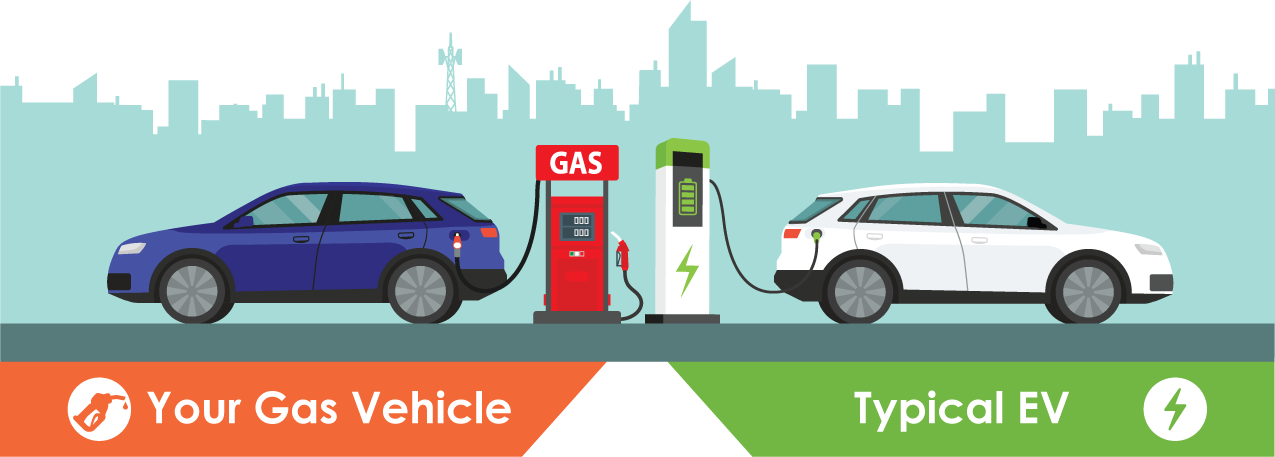
Let’s talk cold, hard cash first—because nothing wakes people up like their bank account screaming. Fill up your average sedan with gas? That’s $50–$80 a pop, and if you’re driving 15,000 miles a year at 25 MPG, you’re shelling out over $2,400 just on fuel. Ouch. Now, switch to an EV like a Tesla Model 3 or Chevy Bolt. Home charging costs pennies per mile—about $0.03–$0.05 versus gas’s $0.15+. Annual fuel savings? Easily $1,500 or more.
But it gets better. Gas cars are maintenance nightmares: oil changes every 5,000 miles ($50–$100), transmission flushes, spark plugs, exhaust systems failing at the worst times. EVs? Regenerative braking means minimal brake wear, no oil, no timing belts. Tesla owners report going years without a single service visit. A study by Consumer Reports found EVs cost 50% less to maintain over five years. Your gas car is a ticking time bomb of repair bills; EVs are set-it-and-forget-it machines.
And resale? Gas cars depreciate like crazy, especially with EV incentives flooding the market. The IRS offers up to $7,500 tax credits for new EVs, plus state rebates. Used EVs are bargains now, too. Sticking with gas? You’re throwing money away.
Performance That’ll Make Your Jaw Drop
Remember when EVs were slow golf carts? Those days are deader than dinosaurs fueling your tank. Modern EVs deliver instant torque—no gears, no lag, just pure acceleration that pins you to the seat. The Tesla Model S Plaid hits 0–60 in under 2 seconds. That’s supercar territory for family sedan money.
Even base models smoke gas cars. My buddy traded his Mustang for a Mach-E, and he says highway merging feels like cheating. No revving engines or gear shifts—just smooth, silent power. Handling? Lower center of gravity from floor-mounted batteries means cornering like a go-kart. Gas cars feel clunky by comparison, with their heavy engines up front.
Quiet ride? EVs are library-silent inside, killing road noise and vibration. Long trips? EVs now cruise at 300+ miles per charge, with efficiency improving yearly. Your gas car can’t touch that thrill without guzzling premium unleaded.
The Planet-Sized Reason to Switch
Okay, tree-hugger alert, but hear me out—this affects you. Gas cars pump out 4.6 metric tons of CO2 per year per vehicle. Multiply by 280 million U.S. cars? Catastrophic climate change, wildfires, floods hitting your insurance rates. EVs? Zero tailpipe emissions. Charged on renewables (growing fast), they’re carbon-neutral or better.
Lifetime emissions? EVs win even on dirty grids, per Union of Concerned Scientists. Battery mining has improved—recycling hits 95%, and new solid-state batteries promise longer life with less cobalt. Air quality? Cities like LA and NYC are transforming as EV adoption cuts smog. Your kids will breathe easier, and you’ll feel good knowing you’re not the villain in this story.
Charging: Way Easier Than Pumping Gas
“But where do I charge?” The classic range anxiety myth. Newsflash: 80% of EV owners charge at home overnight—like plugging in your phone. Wake up to a full “tank” for cheaper than coffee. Level 2 home chargers ($500 install) add 30 miles/hour.
Road trips? Superchargers and Electrify America networks blanket highways—faster than gas stops. A 15-minute Tesla Supercharge adds 200 miles. Apps plan routes perfectly. Gas stations? Long lines, spills, pay-at-pump hassles. EVs eliminate that circus.
Infrastructure boom: 100,000+ public chargers in the U.S., doubling yearly with Biden’s $7.5B investment. Apartments? More buildings add EV spots. It’s not “if”—it’s “now.”
The Tech Revolution Gas Cars Can’t Match
Gas cars top out at basic Bluetooth. EVs are rolling computers. Tesla’s Full Self-Driving beta handles city streets; Rivian’s OTA updates add features for free. No dealer visits—your car gets smarter parked in your driveway.
Screens? Massive, intuitive infotainment with Netflix, games, navigation that predicts traffic. Voice commands understand you better than Siri. Safety? EVs dominate crash tests with rigid batteries and advanced sensors. NHTSA data shows EVs 50% less likely to cause fatalities.
Customization? Software unlocks like Ludicrous Mode. Gas cars? Stuck with what you bought till trade-in.
Busting Range Anxiety for Good
That 250-mile range on a Nissan Leaf? Old news. Model Y: 330 miles. Lucid Air: 520. Real-world? Owners average 250–400 miles, far beyond daily needs (37 miles average U.S. commute). Cold weather? Heat pumps minimize loss.
Compare to gas: Running out miles from a station sucks worse than a dead battery near a charger. AAA tows EVs too, but far less often—EVs break down 80% less (J.D. Power).
The Economics Seal the Deal
Upfront cost? EVs were pricier, but now match or beat gas. Chevy Equinox EV starts at $35K post-credit. Total ownership? EVs save $10K+ over 5 years (NRDC). Insurance lower due to safety. Corporate fleets switching—Tesla’s 1M+ cars prove scalability.
Oil’s volatile; electricity stable. Geopolitics? EVs free us from foreign dependence. Wall Street bets big—Ford, GM pivoting hard.
Your Wake-Up Call: Ditch the Gas, Embrace the Future
Gas cars peaked decades ago. Carmakers like VW and GM phase them out by 2035. Your old beater? It’s a relic, costing you time, money, health, and thrills. Test drive an EV this weekend—dealers let you for free. Feel the torque, hear the silence, crunch the numbers.
The EV revolution isn’t coming—it’s here. Join the winners, or watch from the pump. Your move.
(Word count: 1,028)