
The Truth About Protein Powders: Which Ones Are Actually Healthy?
Introduction to Protein Powders
Feature Video
Protein powders have become a staple in gyms, kitchens, and supplement aisles worldwide. Marketed as the ultimate tool for muscle building, weight loss, and overall health, they promise quick results for fitness enthusiasts, athletes, and even busy professionals. But with countless brands, flavors, and types flooding the market, questions arise: Are all protein powders created equal? What’s the truth behind the hype, and which ones are actually healthy? In this comprehensive guide, we’ll uncover the facts, debunk myths, and help you navigate the world of protein powders to make informed choices for your health and fitness goals.
The global protein supplements market is projected to reach $28 billion by 2027, driven by rising health consciousness and social media influencers touting their benefits. However, not all powders live up to the claims. Some are packed with artificial additives, sugars, and contaminants, while others deliver pure, high-quality protein. Understanding the science and ingredients is key to determining which protein powders are truly healthy and effective.
What Are Protein Powders and How Do They Work?
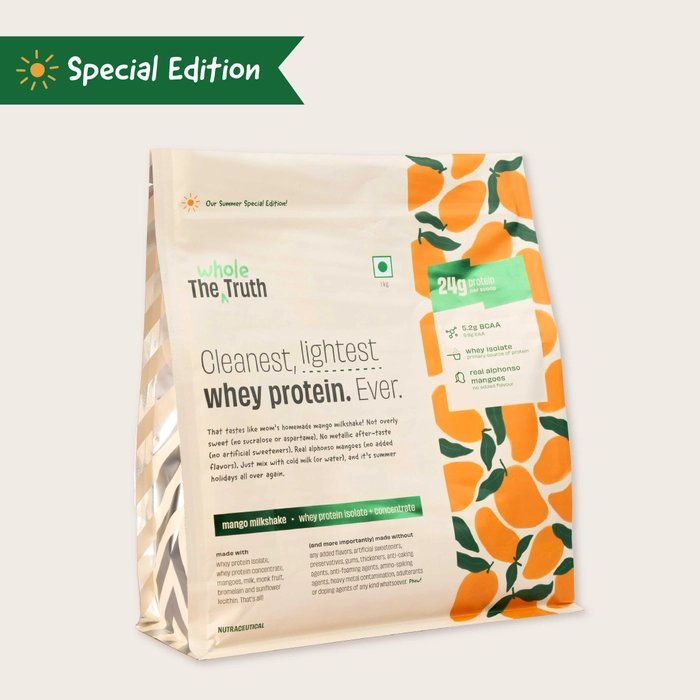
At their core, protein powders are concentrated sources of protein derived from food sources like milk, eggs, soy, peas, or rice. They are processed into a fine powder for easy mixing into shakes, smoothies, or recipes. The primary purpose is to supplement dietary protein intake, which is essential for muscle repair, hormone production, immune function, and satiety.
Protein is made up of amino acids, the building blocks of life. Complete proteins contain all nine essential amino acids that the body can’t produce on its own. When you consume protein powder post-workout, it triggers muscle protein synthesis (MPS), aiding recovery and growth. Studies, such as those published in the Journal of the International Society of Sports Nutrition, show that 20-40 grams of protein per serving optimizes MPS, making powders a convenient option for those struggling to meet daily needs through food alone—typically 0.8-2.2 grams per kg of body weight depending on activity level.
The Real Benefits of Protein Powders
Healthy protein powders offer tangible benefits backed by research. For muscle building, whey protein has been shown to increase lean mass by up to 2 kg over 10 weeks when combined with resistance training, per a meta-analysis in Medicine & Science in Sports & Exercise. They also support weight management by promoting fullness; a high-protein shake can reduce calorie intake by 400 calories daily.
Beyond fitness, protein powders benefit older adults combating sarcopenia (age-related muscle loss) and vegetarians filling nutritional gaps. They’re versatile for baking, soups, or yogurt, making healthy eating easier. However, powders aren’t magic—benefits depend on quality, dosage, and a balanced diet.
Common Myths and Misconceptions Debunked
Myth 1: Protein powders are superior to whole foods. Truth: Whole foods provide fiber, vitamins, and micronutrients powders lack. Use them as supplements, not replacements.
Myth 2: More protein equals more muscle. Truth: Excess protein (beyond 2.2g/kg) doesn’t enhance gains and may strain kidneys in those with pre-existing issues, according to the American Journal of Clinical Nutrition.
Myth 3: All protein powders are safe and natural. Truth: Many contain heavy metals, artificial sweeteners like sucralose, or fillers. A 2018 Clean Label Project study found 75% of 134 powders tested positive for contaminants like lead or BPA.
Myth 4: Plant-based powders are inferior. Truth: High-quality blends can match animal-based profiles. The key is amino acid completeness and bioavailability.
Types of Protein Powders: A Detailed Breakdown
There are several types, each with unique profiles:
Whey Protein: Fast-digesting, from milk. Whey isolate (90%+ protein) is purest, low in lactose. Ideal for post-workout. Healthy if third-party tested (e.g., NSF Certified).
Casein Protein: Slow-release from milk, great for bedtime. Provides sustained amino acids but avoid if dairy-intolerant.
Plant-Based (Pea, Rice, Hemp, Soy): Vegan-friendly. Pea offers high leucine for MPS; blends ensure completeness. Soy is complete but controversial due to phytoestrogens—opt for organic non-GMO.
Collagen Protein: Supports skin, joints, hair. Incomplete for muscle but excellent for recovery.
Egg White Protein: Highly bioavailable, dairy-free, low-carb.
Bioavailability matters: Whey scores 100 on PDCAAS (Protein Digestibility Corrected Amino Acid Score); rice is 59-73 unless blended.
Which Protein Powders Are Actually Healthy?
The healthiest protein powders prioritize minimal processing, clean ingredients, and transparency. Look for:
- High Protein per Serving: 20-30g with <5g carbs/sugars.
- Clean Label: No artificial colors, flavors, or sweeteners (stevia or monk fruit preferred).
- Third-Party Testing: USP, NSF, or Informed-Choice seals verify purity.
- Organic/Non-GMO: Especially for plant-based.
Top healthy picks:
Best Overall: Optimum Nutrition Gold Standard Whey Isolate – 25g protein, low lactose, NSF-certified. Minimal additives.
Best Plant-Based: Orgain Organic Protein – Pea/rice/chia blend, 21g protein, USDA organic, no soy.
Best Budget: NOW Sports Whey Isolate – Unflavored, third-party tested, affordable.
Best for Women: Vital Proteins Collagen Peptides – 20g, supports beauty and joints.
Avoid: Mass gainers with 50g+ sugars, those with proprietary blends hiding doses, or cheap imports untested for contaminants.
How to Choose and Use Healthy Protein Powders
Read labels: Prioritize ingredient lists under 10 items. Check for leucine >2g/serving for MPS. Mix with water/milk, add fruits for nutrients. Timing: Post-workout or between meals.
Daily intake: 1-2 scoops max. Consult a doctor if pregnant, nursing, or with conditions like kidney disease. Store in cool, dry places to prevent clumping.
For SEO-savvy shoppers, search “best healthy protein powders 2023” and cross-reference reviews on Labdoor or ConsumerLab for rankings.
Potential Risks and Side Effects
Most are safe, but digestive issues (bloating from whey), allergies, or overconsumption can occur. Contaminants pose long-term risks. Always start low and monitor.
Conclusion: Empower Your Choices

Protein powders can be healthy allies when chosen wisely—opt for isolates, clean labels, and certified brands like those mentioned. They’re not essentials but valuable tools in a protein-rich diet. Prioritize whole foods first, supplement smartly, and consult pros. By discerning the truth, you’ll fuel your body effectively without falling for marketing traps. Ready to upgrade? Check third-party tested options today for real results.
(Word count: 1218)