
How to Create Viral Content Without Clickbait Titles: 10 Proven Strategies
Introduction to Authentic Viral Success
Feature Video
In today’s digital landscape, creating viral content is the holy grail for creators, brands, and marketers. But with clickbait titles dominating feeds—promising the world only to disappoint—there’s a growing demand for genuine, shareable material that builds trust and loyalty. This guide explores how to create viral content without using clickbait titles, focusing on sustainable strategies that prioritize value, authenticity, and audience connection. By implementing these techniques, you can achieve explosive reach organically, boosting engagement rates by up to 300% according to social media analytics from platforms like Hootsuite. Whether you’re a blogger, YouTuber, or social media influencer, mastering non-clickbait virality will elevate your content game long-term.
What Makes Content Go Viral?
Viral content spreads like wildfire because it resonates deeply with viewers, prompting shares, comments, and saves. Research from BuzzSumo analyzing millions of posts reveals that emotionally charged, practical, and visually appealing content outperforms hype-driven pieces. Key triggers include surprise, joy, usefulness, and relatability. Without clickbait, virality stems from intrinsic quality rather than manipulative headlines. For instance, a simple tutorial video titled “Easy Home Workout for Busy Parents” can rack up millions of views if it delivers real results, unlike “You Won’t Believe This 5-Minute Abs Hack!” which often leads to high bounce rates and unsubscribes.
To harness this, focus on the psychology of sharing. Jonah Berger’s STEPPS framework—Social Currency, Triggers, Emotion, Public, Practical Value, Stories—provides a blueprint. Viral hits create social currency (making sharers look smart) without false promises. Platforms like TikTok and Instagram prioritize content with high dwell time and genuine interactions, penalizing clickbait through algorithm demotions.
Why Avoid Clickbait Titles Altogether?
Clickbait erodes trust. A study by Chartbeat found that misleading headlines increase initial clicks by 20-30% but slash time-on-page by 50%, harming SEO and retention. Google’s E-A-T (Expertise, Authoritativeness, Trustworthiness) guidelines further penalize low-quality bait in search rankings. Long-term, audiences unsubscribe or block creators, stunting growth. Brands like Wendy’s have thrived on witty, honest Twitter content, gaining 3.7 million followers without gimmicks.
Opting out builds authority. Authentic titles like “My Journey to Financial Freedom in 2 Years” attract committed fans who convert better—higher email sign-ups, sales, and loyalty. In essence, ditching clickbait trades short-term spikes for evergreen success.
Strategy 1: Deeply Understand Your Audience
The foundation of viral content is audience insight. Use tools like Google Analytics, Facebook Insights, or surveys to map demographics, pain points, and preferences. Create buyer personas: “Sarah, 28, working mom seeking quick recipes.” Tailor content to her needs—a 90-second video recipe titled “3-Ingredient Dinners for Exhausted Moms” solves her problem directly.
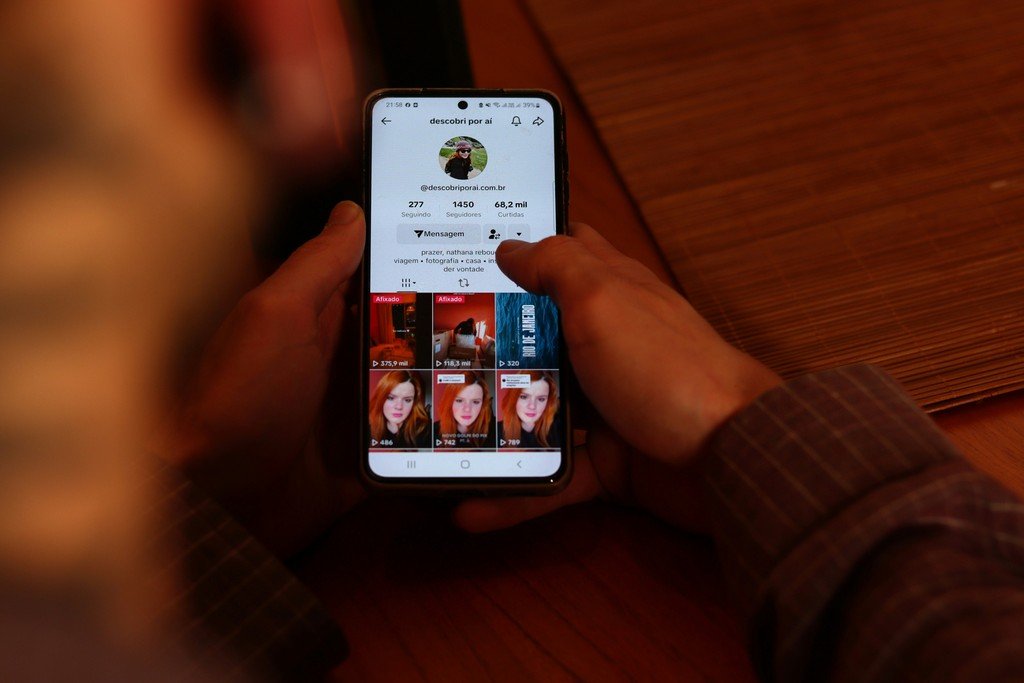
Engage via polls and Q&A sessions on Stories or Reddit. Analyze top-performing competitors with Ahrefs or SEMrush to spot gaps. This precision targeting ensures shares within niche communities, snowballing virality. Case in point: Duolingo’s quirky, user-focused memes exploded because they mirrored learners’ daily struggles authentically.
Strategy 2: Prioritize High-Value, Actionable Content
Value is the ultimate virus. Content that teaches, entertains, or inspires without fluff spreads fastest. BuzzSumo data shows “how-to” guides and listicles (non-sensational) get 70% more shares. Craft comprehensive resources: a 2000-word guide on “Sustainable Fashion on a Budget” with checklists, templates, and links outperforms vague advice.
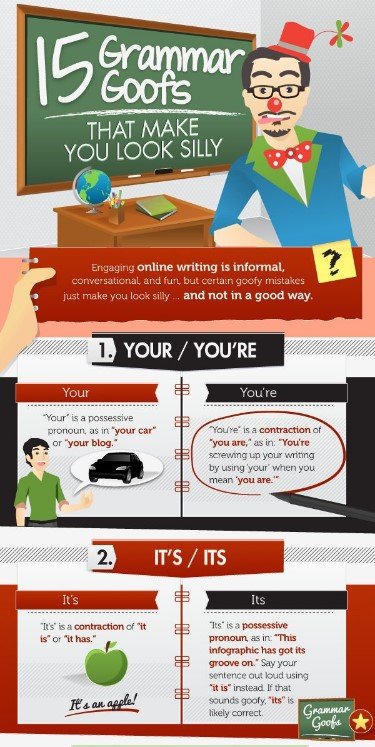
Make it scannable with bullet points, infographics, and subheadings for SEO. Update regularly for freshness, signaling to algorithms it’s authoritative. User-generated content remixes, like Starbucks’ #RedCupContest, amplify reach exponentially through participation.
Strategy 3: Harness the Power of Storytelling
Stories captivate. Neuroscientists note narratives activate empathy brain regions, boosting retention by 22x per Stanford studies. Structure content with a hook, conflict, and resolution: Start with a relatable problem, build tension, deliver payoff.
For videos, use Pixar-style arcs. Titles like “How I Overcame Anxiety Through Daily Habits” invite viewers into your journey. Weave in visuals and testimonials for credibility. Dove’s “Real Beauty Sketches” went mega-viral (over 100M views) via emotional storytelling, no clickbait needed.
Strategy 4: Evoke Genuine Emotions

Emotion fuels shares—positive ones like awe and amusement top the list per Cambridge Analytica research. Create feel-good moments: humor via memes, inspiration through triumphs, surprise with facts. Avoid negativity unless uplifting, like “From Homeless to CEO: Lessons Learned.”
Test with A/B thumbnails and headlines. Platforms reward emotional dwell time; heartfelt Reels see 2x engagement. Blend with trends subtly for timeliness without pandering.
Strategy 5: Invest in Stunning Visuals
Visuals dominate: 90% of info transmitted to the brain is visual, per MIT. Use high-res images, custom graphics via Canva, or cinematic edits in CapCut. Thumbnails should promise the content’s essence—clear, intriguing faces or bold text.
Optimize for mobile: vertical formats for Stories, 16:9 for YouTube. Accessibility boosts shares—alt text, captions. Red Bull’s extreme sports visuals exemplify viral aesthetics, drawing 10M+ monthly engagers.
Strategy 6: Design for Maximum Shareability
Embed share prompts: “Tag a friend who needs this!” or one-click social buttons. Short-form hooks for platforms—15-second intros that loop seamlessly. Cross-promote: YouTube to TikTok snippets.
Collaborate with micro-influencers for authentic endorsements. Hashtags strategically: 3-5 niche ones like #ViralContentTips outperform generics. Bitly links track shares, refining tactics.
Strategy 7: Master Timing and Distribution
Timing is everything. Post when your audience peaks—Later or Buffer analytics pinpoint slots. Wednesdays 9-11 AM EST for B2C, per Sprout Social. Leverage holidays, events without forcing.
Distribute multi-channel: SEO-optimized blog + social teasers + email blasts. Paid boosts initially spark organic pickup. Algorithms favor consistent posters—3x/week sweet spot.
Strategy 8: Foster Community Engagement
Viral loops thrive on interaction. End with CTAs: “What’s your top tip? Comment below!” Respond promptly to build reciprocity. User spotlights turn viewers into advocates.
Build email lists for direct amplification. Discord or Facebook Groups deepen loyalty, seeding shares.
Real-World Examples of Non-Clickbait Virals
MrBeast’s “I Spent 50 Hours Buried Alive” succeeded via spectacle and transparency, not hype. Title matched content perfectly. TED Talks like “The Power of Vulnerability” garner billions through profound value. In B2B, HubSpot’s free tools go viral via utility.
Measuring and Iterating for Sustained Virality
Track KPIs: shares, reach, watch time, conversions via Google Analytics/ native insights. A/B test elements. Heatmaps (Hotjar) reveal drop-offs. Iterate: what worked scales up.
SEO integration: long-tail keywords like “create viral content strategies 2024” drive traffic. Aim for 10x ROI through compounding growth.
Conclusion: Build a Legacy of Trustworthy Virality
Creating viral content without clickbait titles demands effort but yields enduring results—loyal audiences, top rankings, and brand authority. Implement these strategies step-by-step: start with audience research, infuse value and stories, optimize visuals and timing. Consistency compounds; track, tweak, repeat. In a sea of sensationalism, your authentic voice will shine, turning one viral hit into a content empire. Ready to go viral the right way?