
Best Secret Spice Blends for Authentic Middle Eastern Cuisine
Middle Eastern cuisine is renowned worldwide for its bold flavors, aromatic profiles, and intricate spice blends that elevate simple dishes to culinary masterpieces. From the bustling souks of Istanbul to the vibrant markets of Beirut, these secret spice blends have been passed down through generations, forming the backbone of authentic Middle Eastern cooking. If you’re passionate about recreating the tantalizing tastes of falafel, shawarma, or mansaf at home, mastering these best secret spice blends is essential. This comprehensive guide uncovers the top spice mixes, their ingredients, origins, and pro tips for usage, optimized for home chefs seeking SEO-friendly recipes for authentic Middle Eastern cuisine.
Baharat: The Seven-Spice Powerhouse
Feature Video
Baharat, meaning “spices” in Arabic, is the quintessential all-purpose blend in Middle Eastern kitchens, especially in Levantine and Gulf cuisines. This secret spice blend for authentic Middle Eastern cuisine typically includes black pepper, cumin, coriander, cinnamon, cloves, nutmeg, paprika, and cardamom. Variations exist—some add allspice or ginger—but the core remains a warm, earthy mix with sweet undertones.
Originating from the Ottoman Empire, baharat is the secret behind kofta kebabs, stuffed vegetables like mahshi, and rice pilafs. To make your own: Toast 2 tbsp black peppercorns, 2 tbsp cumin seeds, 1 tbsp coriander seeds, 1 tsp cinnamon, 1 tsp cloves, ½ tsp nutmeg, 1 tbsp paprika, and 5 cardamom pods. Grind into a fine powder. Store in an airtight jar for up to six months. Use 1-2 tsp per pound of meat for grilling or 1 tsp in soups. Its versatility makes it a must-have for any Middle Eastern spice collection, boosting flavor without overpowering dishes.
Za’atar: The Herbal Essence of the Levant

Za’atar is more than a spice blend; it’s a cultural icon in Middle Eastern cuisine, particularly Syrian, Lebanese, and Palestinian cooking. This vibrant green mix combines wild thyme (or oregano), sumac, sesame seeds, and salt, with optional marjoram or savory. The tangy sumac provides acidity, balancing the herbaceous notes.
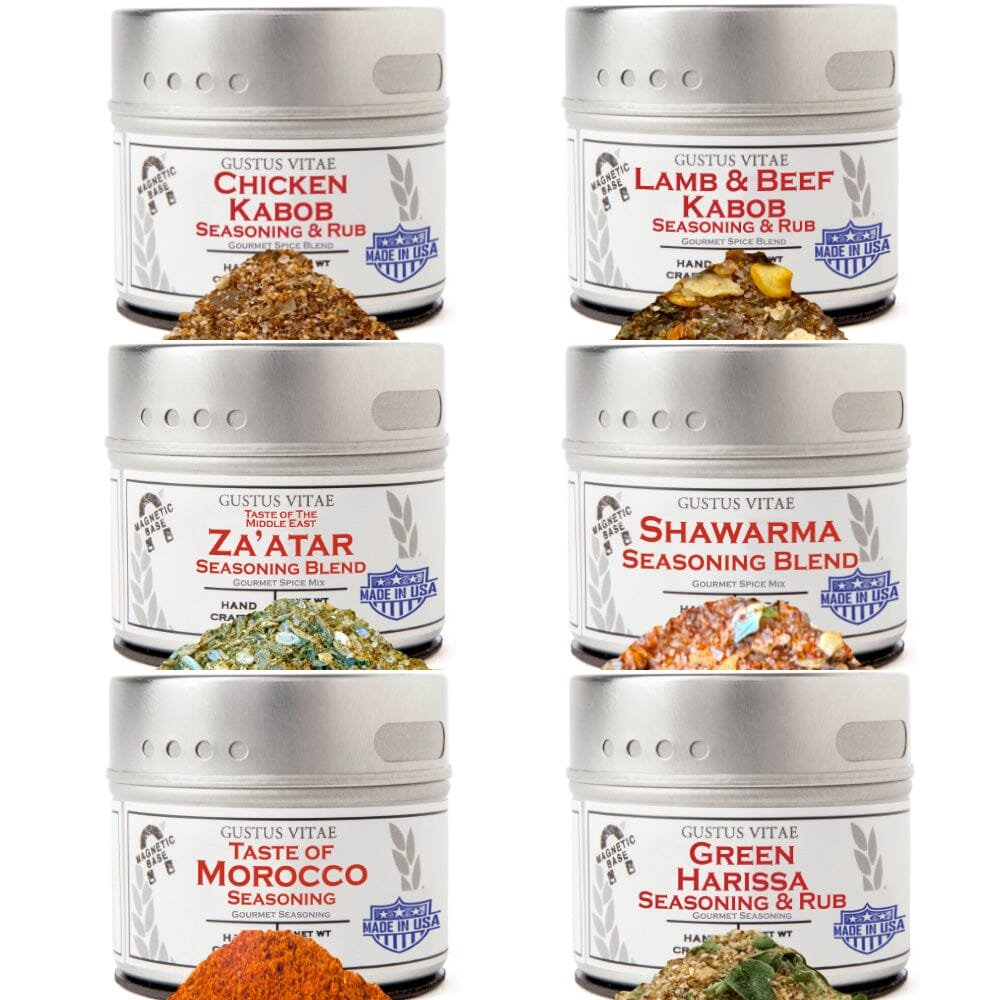
Traditionally foraged from Levantine hillsides, authentic za’atar evokes memories of fresh pita dipped in olive oil and sprinkled generously. Drizzle olive oil on flatbread, dust with za’atar, and bake for manakish. Mix into labneh for dips or rub on chicken before roasting. Homemade recipe: Blend ¼ cup dried thyme, ¼ cup sumac, ¼ cup toasted sesame seeds, 2 tbsp salt. Adjust for tanginess. This secret spice blend shines in salads like fattoush or as a finishing touch on hummus, delivering that restaurant-quality zest home cooks crave.
Advieh: Persian Warmth and Elegance

Advieh, the “spice” of Iran, is a fragrant, subtle blend reserved for rice dishes, stews, and desserts in Persian Middle Eastern cuisine. Key ingredients include dried rose petals, cardamom, cinnamon, cumin, black pepper, and sometimes saffron or angelica. Its floral sweetness sets it apart from bolder Arab mixes.
Used in tahdig (crispy rice) or khoresh stews, advieh infuses dishes with layered complexity. For authenticity, source high-quality rose petals. Recipe: Mix 2 tbsp dried rose petals, 1 tbsp cardamom powder, 1 tsp cinnamon, 1 tsp cumin, ½ tsp black pepper, pinch of saffron. Sift and store away from light. Add ½ tsp per cup of rice or to ground meat for kabobs. This secret blend transforms everyday meals into festive feasts, perfect for SEO searches on Persian spice recipes.
Dukkah: Egypt’s Nutty Crunch

Dukkah (or duqqa) hails from Egypt, offering a textural twist to Middle Eastern spice blends with its nuts, seeds, and spices. Hazelnuts or pistachios, coriander, cumin, sesame, fennel, and salt form the base, toasted for maximum aroma.
Dip bread in olive oil and dukkah for a snack, or crust lamb chops. It’s a secret weapon for salads and roasted veggies. Prepare by toasting ½ cup hazelnuts, ¼ cup sesame seeds, 2 tbsp coriander seeds, 1 tbsp cumin seeds, 1 tsp fennel seeds. Grind coarsely with 1 tsp salt. Yields about 1 cup, lasting months. In Egyptian ful medames or as a yogurt topping, dukkah adds irresistible crunch and depth, making it a top pick for adventurous home cooks.
Shawarma Spice Blend: Street Food Magic

No discussion of secret spice blends for authentic Middle Eastern cuisine is complete without shawarma seasoning, the heart of rotating spit-roasted meats in Turkey, Lebanon, and beyond. Turmeric, garlic powder, paprika, cumin, coriander, allspice, cinnamon, ginger, black pepper, and cayenne create its signature warm, smoky profile.
Marinate chicken, beef, or lamb overnight with 2 tbsp blend per pound, plus yogurt and lemon. Grill or roast for wraps. DIY version: Combine 2 tbsp paprika, 1 tbsp each turmeric, cumin, coriander, allspice; 1 tsp each cinnamon, ginger, garlic powder, pepper; ½ tsp cayenne. This blend replicates street vendor flavors, ideal for SEO-optimized shawarma recipes at home.
Ras el Hanout: Moroccan North African Influence
Though Moroccan, ras el hanout (“head of the shop”) influences broader Middle Eastern tagines with over 20 spices like cardamom, nutmeg, anise, mace, ginger, turmeric, and chili. Each shop’s “secret” recipe varies, adding mystery.
Essential for lamb tagines or couscous, use 1-2 tsp per dish. Blend: 1 tsp each cumin, coriander, ginger, turmeric; ½ tsp each cardamom, cinnamon, nutmeg, allspice, chili; pinch clove, mace. Toast and grind. Its complexity elevates stews, bridging North African and Middle Eastern flavors seamlessly.
Harissa Spice Mix: Tunisia’s Fiery Kick
Harissa, a chili-based paste turned dry blend, brings heat to Tunisian and Algerian tables. Cumin, coriander, caraway, coriander, garlic, chili flakes, and mint define it.
Mix into couscous, meats, or oils. Dry recipe: 2 tbsp chili flakes, 1 tbsp each cumin, coriander, caraway; 1 tsp garlic powder, mint, salt. Rehydrate for paste. Perfect for mechoui or merguez, this secret blend adds authentic fire.
Tips for Sourcing and Storing Middle Eastern Spice Blends
For the best secret spice blends, buy whole spices from Middle Eastern markets or online for freshness. Toast before grinding to unlock oils. Store in cool, dark places in glass jars. Experiment ratios to suit your palate, but start conservative—Middle Eastern cuisine balances, not overwhelms.
Conclusion: Elevate Your Kitchen with These Blends
Incorporating these best secret spice blends transforms your cooking into authentic Middle Eastern cuisine. Whether baharat for everyday or advieh for special occasions, they offer endless possibilities. Stock your pantry, experiment boldly, and enjoy flavors that span millennia. Search no further for SEO gold in Middle Eastern spices—these are your gateway to gastronomic bliss.
(Word count: 1218)