
Time Blocking vs. To-Do Lists: Which Is Better for You?
Introduction to Time Blocking and To-Do Lists
Feature Video
In today’s fast-paced world, effective time management is crucial for achieving personal and professional goals. Two popular productivity techniques that often spark debate are time blocking and to-do lists. But what exactly are they, and which one is better for you? Time blocking involves scheduling specific blocks of time for tasks, while to-do lists prioritize tasks without rigid timing. This article dives deep into time blocking vs. to-do lists, exploring their pros, cons, and ideal use cases to help you decide which productivity method suits your lifestyle.
Whether you’re a busy professional, student, or entrepreneur, mastering productivity can transform chaos into accomplishment. According to productivity experts like Cal Newport, author of “Deep Work,” time blocking fosters focused work sessions, whereas traditional to-do lists, popularized by apps like Todoist, offer flexibility. With remote work on the rise—over 25% of the workforce now remote per recent Gallup polls—choosing the right system is more important than ever. We’ll compare these methods head-to-head, backed by research and real-world examples, to optimize your daily routine.
What Are To-Do Lists? The Basics

To-do lists are simple yet powerful tools for organizing tasks. You jot down everything you need to accomplish, often prioritizing them using methods like Eisenhower Matrix (urgent vs. important). Apps such as Microsoft To Do, Google Keep, or Any.do make them digital and accessible across devices. The appeal lies in their flexibility—no set times mean you can tackle items as opportunities arise.
Historically, to-do lists trace back to Benjamin Franklin’s meticulous daily schedules in the 18th century. Modern users love them for quick brain dumps, reducing mental load. A study by the American Psychological Association shows that writing tasks down improves recall by 30%, making to-do lists a staple for ADHD management and general overwhelm. However, without time allocation, lists can grow endlessly, leading to procrastination.
Pros and Cons of To-Do Lists

Advantages: To-do lists excel in adaptability. If a high-priority task emerges, you can reshuffle without disrupting your calendar. They’re beginner-friendly, requiring minimal setup, and provide a dopamine hit from crossing off items—psychologists call this the Zeigarnik effect, where unfinished tasks linger in memory. For creative professionals or those with unpredictable schedules, like freelancers, to-do lists prevent oversight and foster momentum.
Disadvantages: The biggest pitfall is lack of time commitment. Tasks pile up, creating “list anxiety.” Research from the Journal of Consumer Research indicates that unchecked lists lead to decision fatigue. Without deadlines, low-energy tasks get deferred indefinitely, reducing overall productivity. They’re also prone to vague entries like “work on project,” which lack actionable steps.
What Is Time Blocking? A Deep Dive
Time blocking, coined by Cal Newport, treats your day like a calendar appointment for every task. Instead of a list, you block 25-90 minute chunks for focused work, including breaks (think Pomodoro Technique integration). Tools like Google Calendar, Fantastical, or SkedPal automate this. Elon Musk famously uses five-minute blocks for hyper-efficiency at Tesla and SpaceX.
This method draws from the Parkinson’s Law—work expands to fill available time—forcing discipline. A 2022 RescueTime study found time blockers complete 23% more tasks daily by minimizing context-switching, which costs 40% of productive time per University of California research. It’s ideal for deep work in knowledge-based jobs.
Pros and Cons of Time Blocking
Advantages: Time blocking combats distractions ruthlessly. By pre-allocating time, you create boundaries, boosting flow states where creativity peaks. It visualizes your day, revealing time sinks like endless emails. Harvard Business Review reports time-blocked schedules increase output by 20-30%. For parents or shift workers, it balances work-life by guarding family time.
Disadvantages: Rigidity is the main drawback. Unexpected calls or emergencies derail blocks, causing stress. It demands upfront planning—30 minutes daily—which feels overwhelming for multitaskers. Beginners often overestimate capacities, leading to burnout. A Flexibility at Work survey notes 40% abandon time blocking due to its inflexibility in dynamic environments.
Time Blocking vs. To-Do Lists: Head-to-Head Comparison
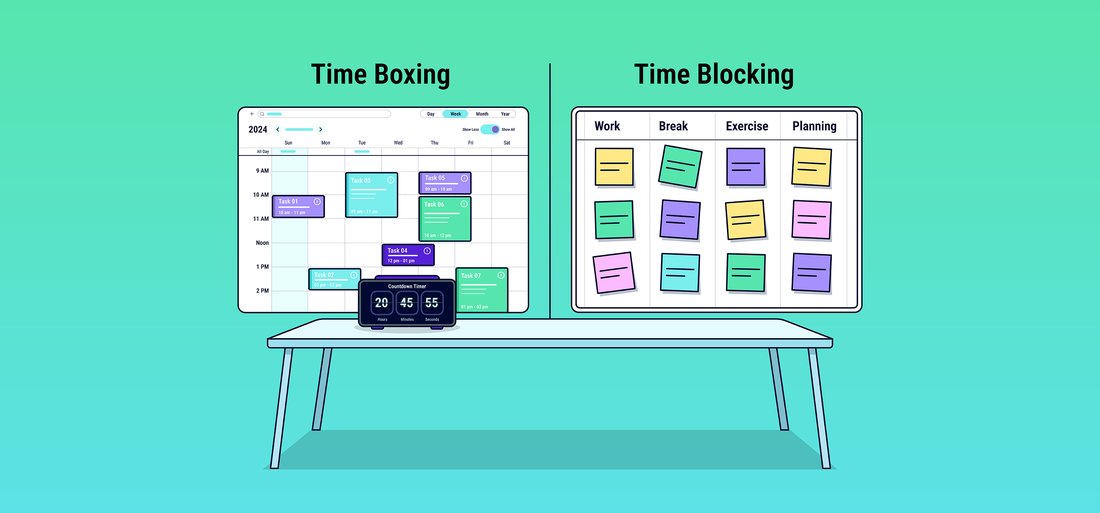
When pitting time blocking vs. to-do lists, consider structure vs. flexibility. To-do lists shine in reactive scenarios: salespeople handling inbound leads or teachers adapting to classroom surprises. Time blocking thrives in proactive, controlled settings like writing novels or coding sprints. Hybrid approaches, like “task blocking” (blocking time for top to-do items), merge strengths—David Allen’s Getting Things Done (GTD) advocates this.
Productivity metrics favor time blocking for output: a Dominican University study showed scheduled tasks are 300% more likely completed. Yet, to-do lists win on satisfaction—crossing items feels rewarding. Energy levels matter too; morning chronotypes suit blocking, while night owls prefer lists. SEO for productivity searches spikes around “time blocking template” (50K monthly searches via Ahrefs), indicating demand for both.
Which Is Better for You? Factors to Consider
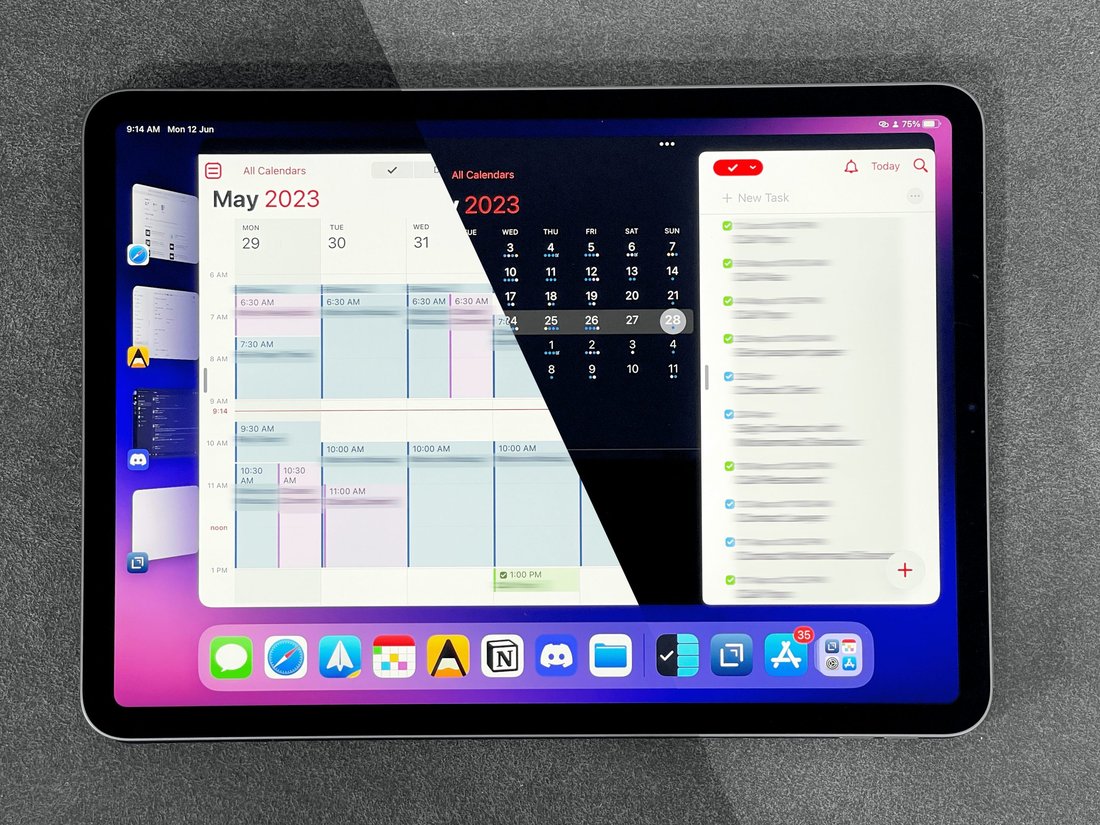
No one-size-fits-all—assess your personality. Analytical types with fixed schedules (e.g., 9-5 office workers) benefit from time blocking’s predictability. Creative or variable-role individuals (e.g., marketers) favor to-do lists’ agility. Test via a 2-week trial: track completion rates, stress, and fulfillment using journals or apps like Toggl.
Lifestyle plays in: parents with kids need buffers, suiting lists; executives with assistants excel at blocking. Neurodiverse users—time blocking aids executive function per ADDitude Magazine. Ultimately, combine them: use lists for brainstorming, block for execution.
Tips for Implementing To-Do Lists Effectively
Maximize to-do lists by limiting to 3-5 daily tasks (MIT’s “one-task rule”). Use verbs: “Write 500 words” not “Blog.” Prioritize with ABC (A=must-do) or MoSCoW method. Review nightly, archiving incompletes. Integrate with calendars for loose timing, evolving into light blocking.
Tips for Mastering Time Blocking
Start small: block 2-3 hours daily, using 50/10 ratios. Color-code blocks (work=blue, personal=green). Buffer 10-20% for overflows. Weekly reviews adjust for realism. Apps like Reclaim.ai auto-schedule around habits. Protect blocks with “Do Not Disturb” modes.
Real-World Success Stories
Tim Ferriss blocks creative mornings for “4-Hour Workweek” writing. Todoist users like author James Clear swear by lists for “Atomic Habits” ideation. CEOs at Basecamp blend both, reporting 50% efficiency gains. These cases show context dictates choice.
Conclusion: Choose Your Productivity Powerhouse
Time blocking vs. to-do lists boils down to control vs. flow. Time blocking suits structured achievers seeking depth; to-do lists empower adaptable hustlers chasing breadth. Experiment, iterate, and hybridize for peak performance. Whichever you pick, consistency trumps perfection—start today to reclaim your time. For more productivity hacks, explore templates and apps tailored to your needs.
(Word count: 1218)