
How to Travel Europe on a Student Budget: A Step-by-Step Guide
Introduction to Budget Travel in Europe for Students
Feature Video
Traveling Europe on a student budget might seem like a dream reserved for the wealthy, but with smart planning and resourceful strategies, it’s entirely achievable. Europe boasts iconic cities like Paris, Rome, and Berlin, stunning landscapes from the Alps to the Mediterranean coasts, and a rich cultural tapestry—all accessible without breaking the bank. This step-by-step guide is designed for students, offering practical tips to explore the continent affordably. Whether you’re a backpacker from the US, UK, or elsewhere, key strategies include off-season travel, budget airlines, hostels, and student discounts. By following these steps, you can craft a memorable 2-4 week trip for under $2,000-$3,000, excluding flights home. Let’s dive into how to make “Europe on a student budget” a reality.
Step 1: Set a Realistic Budget and Timeline

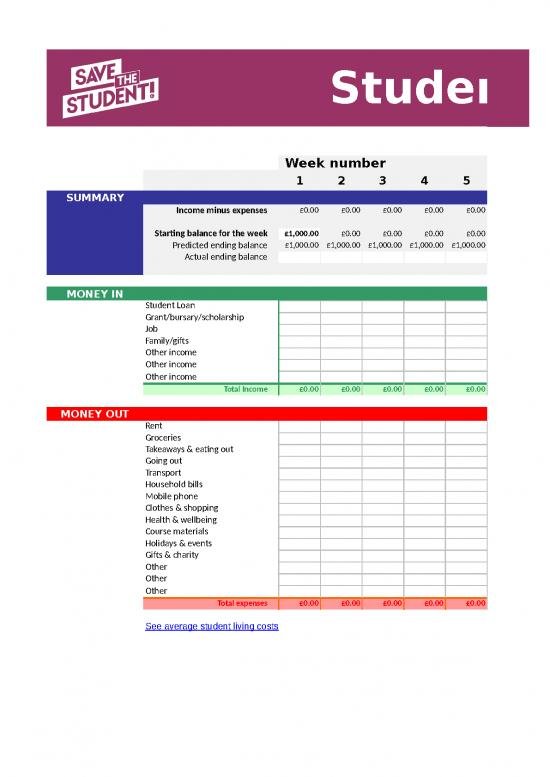
The foundation of any successful budget trip starts with planning. Begin by calculating your total budget, factoring in flights, accommodation, food, transport, activities, and emergencies. For a month-long trip, aim for $50-70 per day. Use apps like Trail Wallet or Excel spreadsheets to track expenses. Prioritize essentials: allocate 30% to accommodation, 25% to food, 20% to transport, 15% to activities, and 10% buffer.
Timing is crucial for savings. Travel during shoulder seasons—spring (April-May) or fall (September-October)—to avoid peak summer crowds and prices. Winter (November-March, excluding holidays) offers even steeper discounts but colder weather. Avoid major festivals like Oktoberfest unless budgeted extra. Research visa requirements; EU Schengen Area allows 90 days visa-free for many nationalities. Book flights 2-3 months in advance using Google Flights or Skyscanner for alerts on deals from hubs like London or New York to budget airline bases like Ryanair’s Dublin.
Pro tip: Create a “Europe student travel budget” checklist. List must-visit spots like Amsterdam’s canals, Prague’s castles, or Budapest’s thermal baths, then prioritize 5-8 cities connected by cheap trains or buses to minimize internal flights.
Step 2: Score Cheap Flights and Ground Transport

Flights are often the biggest expense, but budget carriers like Ryanair, EasyJet, Wizz Air, and Norwegian make Europe accessible. Fly into secondary airports (e.g., Beauvais instead of Paris CDG) and use fare comparison sites. From the US, one-way tickets can dip under $300; intra-Europe flights start at $20. Always check baggage fees—pack light with a 40L backpack.
Once in Europe, opt for overland travel. Interrail or Eurail passes are gold for students: a 10-day flexi pass costs around €250, covering unlimited trains in 33 countries with youth discounts (under 28). Buses via FlixBus or BlaBlaBus offer routes from €5-20, often with WiFi and outlets. For cities, get local passes like Paris’ Navigo or London’s Oyster card for unlimited rides. Rent bikes via apps like Nextbike or walk—many cities are pedestrian-friendly.
SEO keyword integration: Searching “cheap flights to Europe for students” yields deals; combine with “budget trains Europe” for seamless itineraries. Hitchhiking or rideshares via BlaBlaCar can slash costs further, but prioritize safety.
Step 3: Find Affordable Accommodation Options

Hostels are the backbone of student budget travel. Platforms like Hostelworld, Booking.com, and Hostelbookers list dorm beds from €10-25/night in cities like Berlin or Lisbon. Look for “social” hostels with free breakfast, events, and kitchens to cut food costs. Private rooms occasionally match hotel prices during low season.
Alternatives include Couchsurfing for free stays with locals (verify references, offer small gifts), Workaway or HelpX for room swaps via volunteering (4 hours/day), or camping via Pitchup.com (€10-15/night). Apps like Airbnb have “student-friendly” filters for budget apartments shared among travelers.
In Eastern Europe (Poland, Hungary, Romania), prices plummet—hostels under €10. Book in clusters: stay 3-4 nights per city to build rapport and snag deals. Always read recent reviews for cleanliness and location near public transport.
Step 4: Eat Like a Local on the Cheap

Food can devour budgets, but savvy choices keep it under €15-20/day. Skip tourist traps; supermarkets like Lidl, Aldi, or Tesco offer meals for €5: bread, cheese, fruits, pasta. Markets provide fresh produce cheaply—Berlin’s Turkish markets or Barcelona’s La Boqueria.
Street food reigns supreme: kebabs (€3-5), falafel, or pizza slices in Italy. Cook in hostel kitchens using bulk buys. For sit-down meals, seek “menu del día” in Spain (€10-12 for three courses) or Polish pierogi spots. Apps like Too Good To Go sell surplus restaurant food at 50-70% off.
Student hacks: Many universities offer cheap canteens open to visitors; flash your ID. Hydrate with free fountains in Italy/France. Track with “Europe student food budget” searches for city-specific tips, saving hundreds weekly.
Step 5: Maximize Free and Discounted Activities

Europe’s treasures often cost nothing. Walk free: stroll Prague’s Charles Bridge, Vienna’s Ringstrasse, or Edinburgh’s Royal Mile. Museums offer free days—British Museum (London), Louvre (Paris first Sunday/month), Rijksmuseum (Amsterdam evenings). City cards like Roma Pass or Athens Combo grant entry to multiples plus transport.
Student discounts are everywhere: ISIC card (€12/year) unlocks 20-50% off attractions, trains, shops. Apps like GuruWalk provide tip-based free walking tours covering history, hidden gems. Hike national parks (Slovenia’s Triglav free entry) or beach-hop Greece’s islands off-season.
Nightlife? Free entry clubs pre-11pm, park beers (€1-2 Eastern Europe). Festivals like free La Tomatina or Sziget previews add thrill without expense.
Step 6: Essential Money-Saving Hacks and Safety Tips
Tech tools: Revolut or Wise cards for fee-free ATM withdrawals/euro spending. Google Translate offline, Maps.me for navigation, Rome2Rio for routes. Travel insurance via World Nomads (€30/month) covers basics—mandatory for students abroad.
Laundry? €5 self-service. SIM cards: €10 for 10GB EU-wide (Orange/Lebara). Pack multi-use items: quick-dry clothes, padlock, earplugs. Safety: Share itineraries, avoid night solos, use money belts.
Sample budget breakdown for 30 days: Flights €400, Transport €250, Accomm €450, Food €450, Activities €200, Misc €200. Total: €1,950 (~$2,100).
Sample 3-Week Itinerary for Students

Week 1: Fly to Budapest (€20 train to Vienna, free baths). Week 2: Prague-Krakow (Auschwitz tour €15), Berlin (free Wall). Week 3: Amsterdam-Paris (Eurostar €50 advance), end Barcelona. Total internal ~€150.
This route leverages cheap East-to-West progression, student vibes, and connections.
Conclusion: Your Affordable European Adventure Awaits
Traveling Europe on a student budget demands discipline but rewards immensely with growth, friendships, and memories. From budgeting basics to insider hacks, this guide equips you to conquer the continent frugally. Start saving, book that ticket, and embrace the journey. Share your tips in comments—what’s your top budget destination? Safe travels!