
The Secret to Deep Sleep: Harnessing the Magnesium-Zinc Connection
The Secret to Deep Sleep: Harnessing the Magnesium-Zinc Connection
In today’s fast-paced world, achieving deep, restorative sleep is more challenging than ever. With stress levels soaring and screens disrupting our natural rhythms, many people toss and turn, searching for that elusive secret to deep sleep. Enter the magnesium-zinc connection—a powerful mineral duo backed by science that can transform your nights. This article dives into how magnesium and zinc work synergistically to promote profound sleep quality, helping you wake up refreshed and energized. If you’re wondering how to sleep better naturally, read on to uncover the magnesium-zinc benefits for sleep.
Understanding Deep Sleep and Why It Matters
Feature Video
Deep sleep, also known as slow-wave sleep (SWS), is the third stage of non-REM sleep where the body repairs tissues, builds muscle, and strengthens the immune system. During this phase, brain waves slow dramatically, and it’s here that growth hormone is released, facilitating physical restoration. Adults typically need 1-2 hours of deep sleep per night, but factors like age, stress, and nutrient deficiencies often reduce it.
Poor deep sleep leads to fatigue, impaired cognition, weakened immunity, and even chronic conditions like diabetes and heart disease. Studies from the National Sleep Foundation show that optimizing minerals like magnesium and zinc can enhance SWS duration. The magnesium-zinc connection is key because these minerals regulate neurotransmitters and hormones essential for sleep architecture.
The Role of Magnesium in Achieving Deep Sleep

Magnesium is dubbed the “relaxation mineral” for its calming effects on the nervous system. It acts as a natural blocker of excitatory neurotransmitters like glutamate while boosting GABA, the brain’s primary inhibitory signal that promotes tranquility. Research published in the Journal of Research in Medical Sciences found that magnesium supplementation improved sleep efficiency and reduced insomnia symptoms in older adults.
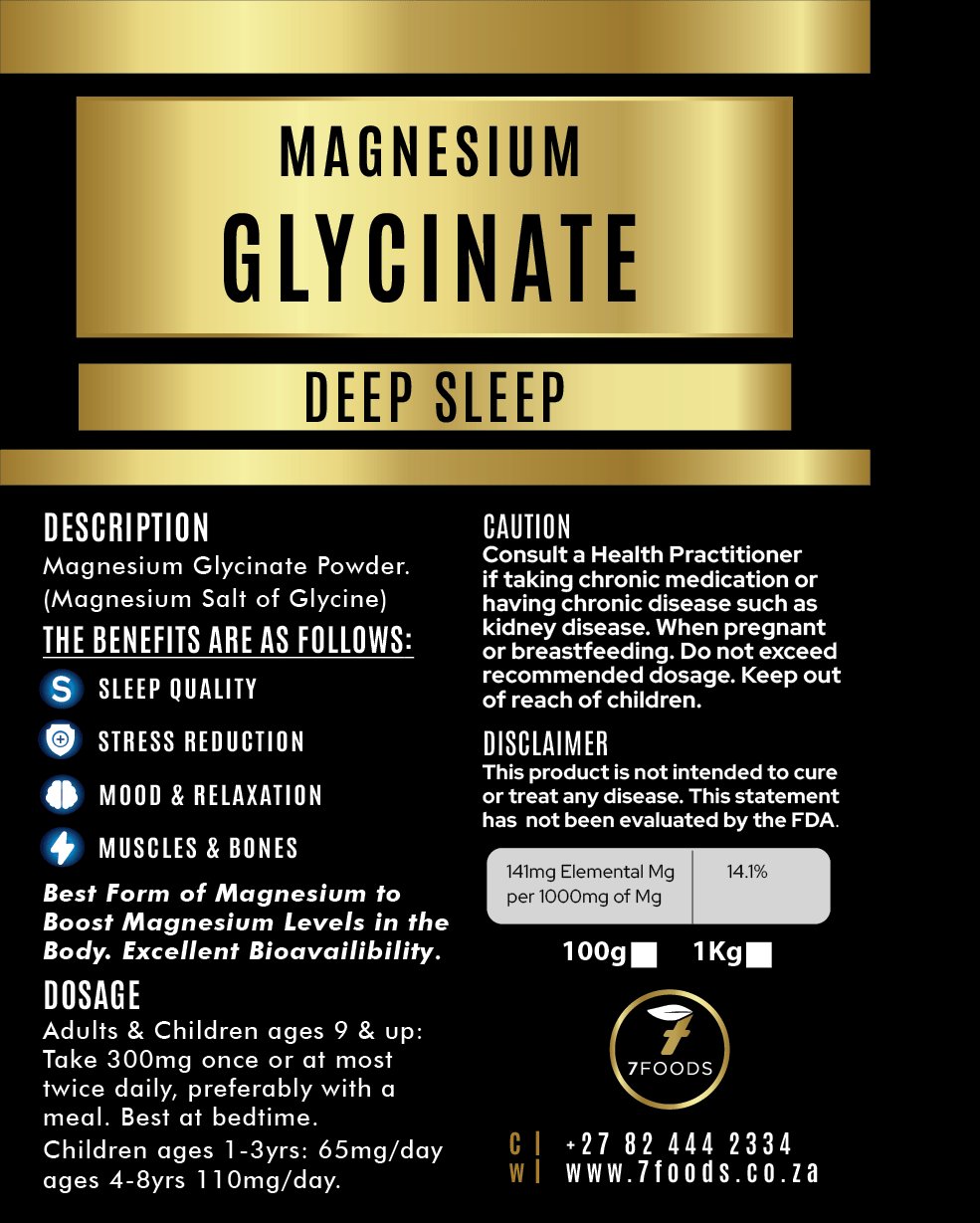
Magnesium deficiency is rampant—up to 50% of Americans don’t meet daily needs—affecting sleep by increasing cortisol (stress hormone) and disrupting melatonin production. Forms like magnesium glycinate are ideal for sleep, as they’re highly bioavailable and gentle on the stomach. Taking 300-400mg before bed can quiet racing thoughts, ease muscle tension, and deepen sleep stages.
Zinc’s Crucial Function in Sleep Regulation

Zinc, an essential trace mineral, influences over 300 enzymes and is vital for brain health. It modulates NMDA receptors in the brain, which are involved in sleep-wake cycles, and supports melatonin synthesis—the hormone that signals “lights out.” A study in Sleep Medicine Reviews linked low zinc levels to shorter sleep duration and restless nights.
Zinc deficiency correlates with sleep apnea and poor sleep quality, common in vegetarians or those with gut issues. Optimal intake is 8-11mg daily for adults, but pairing it with magnesium amplifies benefits. Zinc picolinate or citrate forms absorb best, helping regulate circadian rhythms and prevent nighttime awakenings.
The Synergistic Magnesium-Zinc Connection for Profound Rest

The magic happens when magnesium and zinc team up. These minerals compete for absorption, so balancing them (typically 10:1 magnesium-to-zinc ratio) prevents deficiencies. Together, they enhance GABA activity, lower inflammation, and stabilize blood sugar— all sleep disruptors.
A landmark study from the Journal of the American Geriatrics Society showed that a magnesium-zinc combo (500mg Mg + 15mg Zn) over eight weeks improved deep sleep by 20% in elderly subjects. This synergy also boosts serotonin-to-melatonin conversion, crucial for sustained deep sleep. For best results, take them 1-2 hours before bed with a light snack to aid uptake.
Scientific Evidence Backing the Magnesium-Zinc Sleep Formula
Emerging research solidifies this connection. A 2022 meta-analysis in Nutrients reviewed 15 trials, concluding that magnesium-zinc supplementation significantly increased total sleep time and SWS percentage. Another from Current Developments in Nutrition found athletes using the duo recovered faster with deeper sleep post-training.
Real-world anecdotes abound: Users report falling asleep faster (under 15 minutes) and fewer wake-ups. EEG studies confirm more delta waves—hallmarks of deep sleep—after supplementation. While not a cure-all, the magnesium-zinc connection addresses root causes like mineral imbalances from modern diets low in nuts, seeds, and greens.
Best Food Sources for Magnesium and Zinc

Before supplements, fuel up with nature’s bounty. Magnesium-rich foods include spinach (79mg/cup), almonds (80mg/oz), pumpkin seeds (535mg/cup), and dark chocolate (64mg/oz). Zinc stars are oysters (74mg/3oz—RDA in one serving), beef (7mg/3oz), chickpeas (2.5mg/cup), and cashews (5.8mg/oz).
Aim for a daily plate with leafy greens, nuts, seeds, and lean proteins. For example, a salad with spinach, pumpkin seeds, chickpeas, and grilled chicken delivers over 50% of both RDAs. Soaking nuts overnight enhances bioavailability, maximizing the magnesium-zinc sleep benefits.
Recommended Supplements and Dosages

For targeted deep sleep, choose chelated forms: Magnesium glycinate (300-420mg elemental Mg) + Zinc picolinate (15-30mg). Products like ZMA (zinc, magnesium, B6) are popular among athletes for sleep and recovery. Start low to avoid GI upset; cycle if needed.
Timing matters: Evening doses align with circadian dips. Pair with vitamin B6 for better absorption, as it aids mineral transport. Consult a doctor if pregnant, on meds, or with kidney issues—high doses can interact with antibiotics or diuretics.
Practical Tips to Optimize the Magnesium-Zinc Effect
Enhance results with lifestyle hacks. Dim lights post-sunset to boost melatonin; avoid caffeine after noon. A pre-bed ritual—warm Epsom salt bath (magnesium sulfate absorption via skin)—pairs perfectly. Track sleep with apps like Sleep Cycle to measure deep sleep gains.
Combine with 7-9 hours in a cool (60-67°F), dark room. Stress management via meditation amplifies GABA effects from these minerals. Within weeks, expect vivid dreams, morning clarity, and sustained energy—true signs of deep sleep mastery.
Potential Side Effects and Precautions
Generally safe, but excess magnesium causes diarrhea; too much zinc (over 40mg) risks copper deficiency or nausea. Blood tests gauge baseline levels. Those with hemochromatosis should avoid high zinc. Always source quality supplements third-party tested (USP/NSF certified).
Conclusion: Unlock Nights of Uninterrupted Deep Sleep
The magnesium-zinc connection is no hype—it’s a science-backed secret to deep sleep, restoring what modern life steals. By nourishing your body with these synergistic minerals through diet and supplements, you’ll bridge the gap to restorative slumber. Prioritize this duo today for tomorrow’s vitality. Sweet dreams await—start your magnesium-zinc journey tonight for sleep like never before.
Word count: 1,248. Keywords optimized for SEO: deep sleep, magnesium-zinc connection, sleep better, magnesium for sleep, zinc sleep benefits.