
How to Identify and Avoid Common Online Shopping Scams
Online shopping has revolutionized the way we buy goods, offering convenience, variety, and often unbeatable deals. From fashion to electronics, the global e-commerce market is booming, projected to exceed $6 trillion by 2024. However, this growth has also attracted scammers who prey on unsuspecting shoppers. According to the Federal Trade Commission (FTC), online shopping scams cost consumers over $500 million in losses in 2023 alone. Identifying and avoiding these common online shopping scams is crucial for protecting your hard-earned money and personal information. In this comprehensive guide, we’ll explore the most prevalent scams, red flags to watch for, and proven strategies to shop safely online.
Understanding Common Online Shopping Scams
Feature Video
The first step in avoidance is recognition. Online shopping scams come in various forms, each designed to exploit trust and urgency. One of the most widespread is the phishing scam, where fraudsters send fake emails or texts mimicking legitimate retailers like Amazon or Walmart. These messages often claim issues with your order or account, urging you to click links that lead to bogus sites harvesting your login credentials or credit card details.
Another frequent trap is the fake website scam. Scammers create near-identical copies of popular sites, using slight misspellings like “amaz0n.com” instead of “amazon.com.” These sites lure victims with deep discounts on high-demand items, such as iPhones or designer handbags, only to disappear after payment. Counterfeit product scams are also rampant on marketplaces like eBay or Facebook Marketplace, where sellers offer luxury goods at bargain prices that turn out to be cheap fakes.
Too-good-to-be-true deals deserve special mention. Flash sales promising 90% off on electronics or free gifts with purchase often signal trouble. These scams create artificial scarcity with countdown timers, pressuring rushed decisions. Gift card scams involve fraudsters requesting payment via untraceable methods like iTunes or Google Play cards, while account takeover scams use stolen data to hijack your shopping profiles for unauthorized purchases.
Investment or pyramid scheme disguises as shopping sites promise high returns on “exclusive” products, but they’re Ponzi schemes in disguise. During holidays like Black Friday, scam activity spikes, with pop-up ads leading to malware-laden sites. Recognizing these patterns—unrealistic prices, poor grammar, unsolicited contacts—is key to staying safe.
Red Flags: How to Identify Online Shopping Scams

Spotting scams requires vigilance. Start with the website’s URL. Legitimate sites use HTTPS (look for the padlock icon) and have clear contact info. Hover over links before clicking; if the destination doesn’t match the displayed text, it’s suspect. Check reviews on trusted sites like Trustpilot or the Better Business Bureau (BBB). A lack of history or overwhelmingly negative feedback is a warning.
Examine images and product descriptions. Scammers often steal photos from real sites but use blurry or mismatched ones. Generic stock images or copy-pasted text riddled with errors scream fraud. Payment pages are telling too—avoid sites lacking secure checkout symbols or demanding wire transfers, cryptocurrency, or gift cards. These methods offer no buyer protection.
Social proof matters. Be wary of sites with few reviews or suspiciously uniform five-star ratings from new accounts. Tools like Google Reverse Image Search can verify if product pics are lifted from elsewhere. For emails, inspect sender addresses; “support@amazonn.com” isn’t Amazon. Use browser extensions like uBlock Origin or ScamAdviser to flag risky sites automatically.
Urgency tactics are classic manipulators. Phrases like “Last item in stock!” or “Offer ends in 5 minutes!” bypass rational thinking. Pause and research independently via the official brand site. If a deal seems impossibly good—like a $1,000 laptop for $100—it’s likely bait. Cross-check prices on Google Shopping or PriceGrabber for benchmarks.
Proven Tips to Avoid Online Shopping Scams

Prevention beats cure. Shop exclusively on reputable platforms like Amazon, eBay (with PayPal), or official brand stores. Enable two-factor authentication (2FA) on accounts to thwart takeovers. Use a virtual credit card or services like Privacy.com for one-time-use numbers, limiting exposure if compromised.
Install antivirus software with web protection, such as Norton or Bitdefender, which blocks phishing sites. Keep browsers and plugins updated to patch vulnerabilities. For mobile shopping, download apps only from official stores and avoid sideloading. Use a VPN on public Wi-Fi to encrypt traffic.
Research sellers meticulously. On marketplaces, opt for Top-Rated Sellers with high feedback scores over 98%. Read recent reviews for patterns of delays or non-delivery. When in doubt, contact customer service via official channels, not links provided in suspicious messages.
Opt for buyer-protected payment methods: credit cards offer chargeback rights under the Fair Credit Billing Act, unlike debit cards or bank transfers. PayPal’s Purchase Protection covers eligible unauthorized transactions. Avoid “friends and family” payment options on platforms, as they bypass safeguards.
Educate yourself on seasonal threats. Pre-holiday, verify promotions directly on brand sites. Use price trackers like CamelCamelCamel for Amazon to confirm deal legitimacy. For second-hand sites like Craigslist, meet in public or use shipping with tracking.
Finally, monitor accounts regularly. Set up transaction alerts via your bank app. Freeze your credit if needed via Equifax or TransUnion. Tools like Have I Been Pwned check for data breaches involving your email.
What to Do If You’ve Fallen Victim to an Online Shopping Scam

Don’t panic if scammed—swift action minimizes damage. First, contact your bank or card issuer immediately to dispute charges. Under federal law, you’re liable for only $50 on credit cards if reported promptly, often $0. For PayPal, file a claim within 180 days.
Report to authorities: File with the FTC at ReportFraud.ftc.gov, Internet Crime Complaint Center (IC3.gov), and your state attorney general. Provide screenshots, emails, and transaction IDs. If identity theft is suspected, place a fraud alert on your credit reports via AnnualCreditReport.com.
Change all passwords using a manager like LastPass, and scan devices for malware with tools like Malwarebytes. Notify the platform; Amazon, for instance, investigates suspicious listings. Join consumer forums like Reddit’s r/Scams for shared experiences and recovery tips.
Recovery varies: Refunds happen 30-60% of the time with disputes, per FTC data. Emotional tolls like stress are real—seek support from groups like IdentityTheft.gov. Prevention post-incident includes credit monitoring services like Credit Karma.
Emerging Trends in Online Shopping Scams
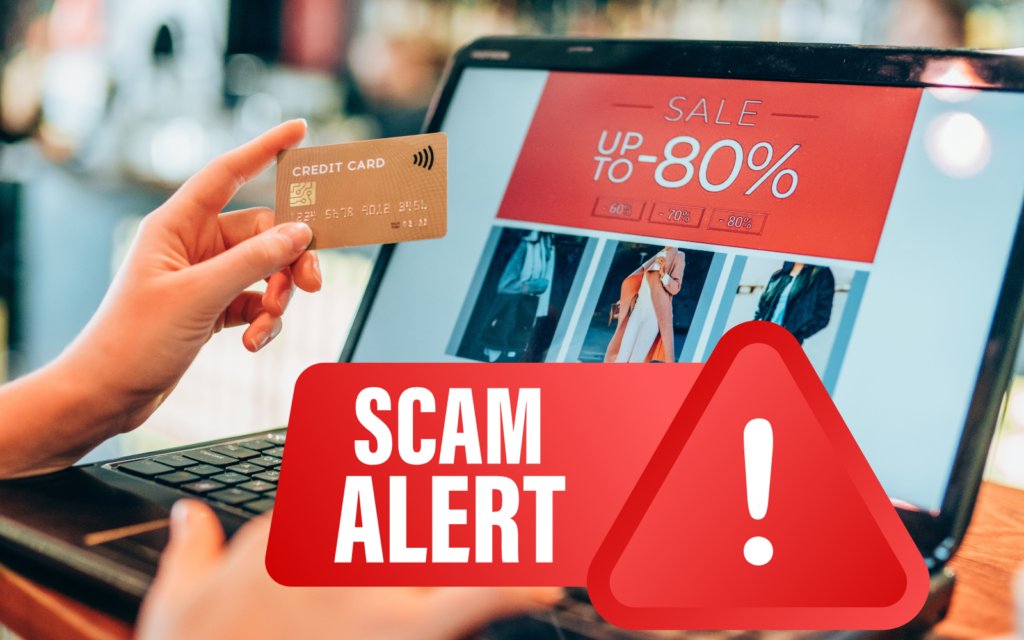
Scammers evolve with tech. AI-generated deepfake reviews and chatbots mimic real support. Social media scams via Instagram ads lead to dropshipping frauds with non-existent products. Cryptocurrency shopping sites promise anonymity but vanish funds. Metaverse shopping introduces virtual asset thefts.
Stay ahead by following cybersecurity news from Krebs on Security or FTC alerts. Browser AI like Google’s warning system flags phishing proactively.
Conclusion: Shop Smart, Stay Safe
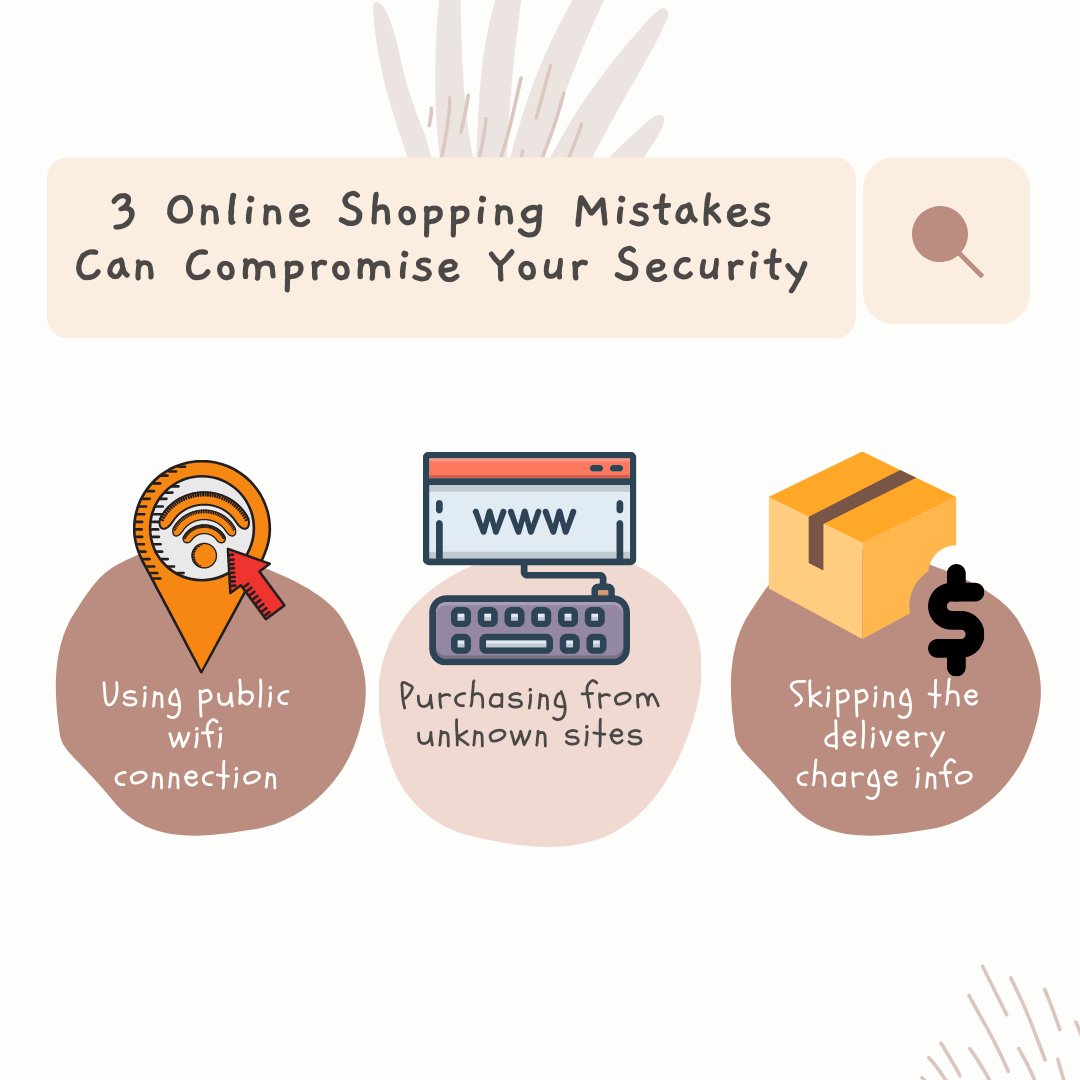
Online shopping scams thrive on haste and trust, but armed with knowledge, you can sidestep them. By recognizing red flags like suspicious URLs, unreal deals, and insecure payments, and adopting habits like 2FA, reputable sites, and protected payments, you’ll safeguard your finances. Billions shop safely daily—join them by staying informed. Share this guide, bookmark trusted tools, and verify before you buy. Safe shopping!
(Word count: 1,248)