
How to Negotiate Your Salary in Iran: A Practical Guide
In today’s competitive job market in Iran, knowing how to negotiate your salary effectively can significantly impact your financial future. With high inflation rates, economic sanctions, and a dynamic labor landscape, salary negotiation has become a crucial skill for professionals across sectors like oil and gas, tech, manufacturing, and services. This comprehensive guide provides practical, step-by-step advice on how to negotiate your salary in Iran, tailored to local customs, laws, and market realities. Whether you’re a fresh graduate entering the workforce or a seasoned executive switching jobs, mastering these techniques can help you secure fair compensation.
Understand the Iranian Job Market and Economic Context
Feature Video
Before diving into negotiations, it’s essential to grasp Iran’s unique economic environment. The Iranian rial (IRR) faces constant depreciation due to inflation, which averaged over 40% in recent years according to the Central Bank of Iran. Salaries are often quoted in rials but increasingly tied to USD equivalents in private sectors to hedge against volatility. Public sector jobs, governed by the Ministry of Cooperatives, Labour, and Social Welfare, follow standardized pay scales with minimum wages set annually—around 71 million rials per month in 2023 for the base level.
In private companies, especially multinationals or tech startups in Tehran, Isfahan, or Shiraz, salaries can vary widely. For instance, software engineers might earn 50-150 million rials monthly, while mid-level managers in oil could command 200 million or more. Research platforms like Jobinja.ir, Karajob.ir, or LinkedIn’s Iranian groups provide salary benchmarks. Factor in benefits like housing allowances, health insurance (bimeh), and end-of-service gratuity (seneves), which are standard under Iran’s Labor Law.
SEO tip for job seekers: Searching “average salary in Iran for [your role]” yields localized data. Always consider cost-of-living adjustments—Tehran’s expenses are 30-50% higher than in smaller cities.
Research Your Market Value Thoroughly
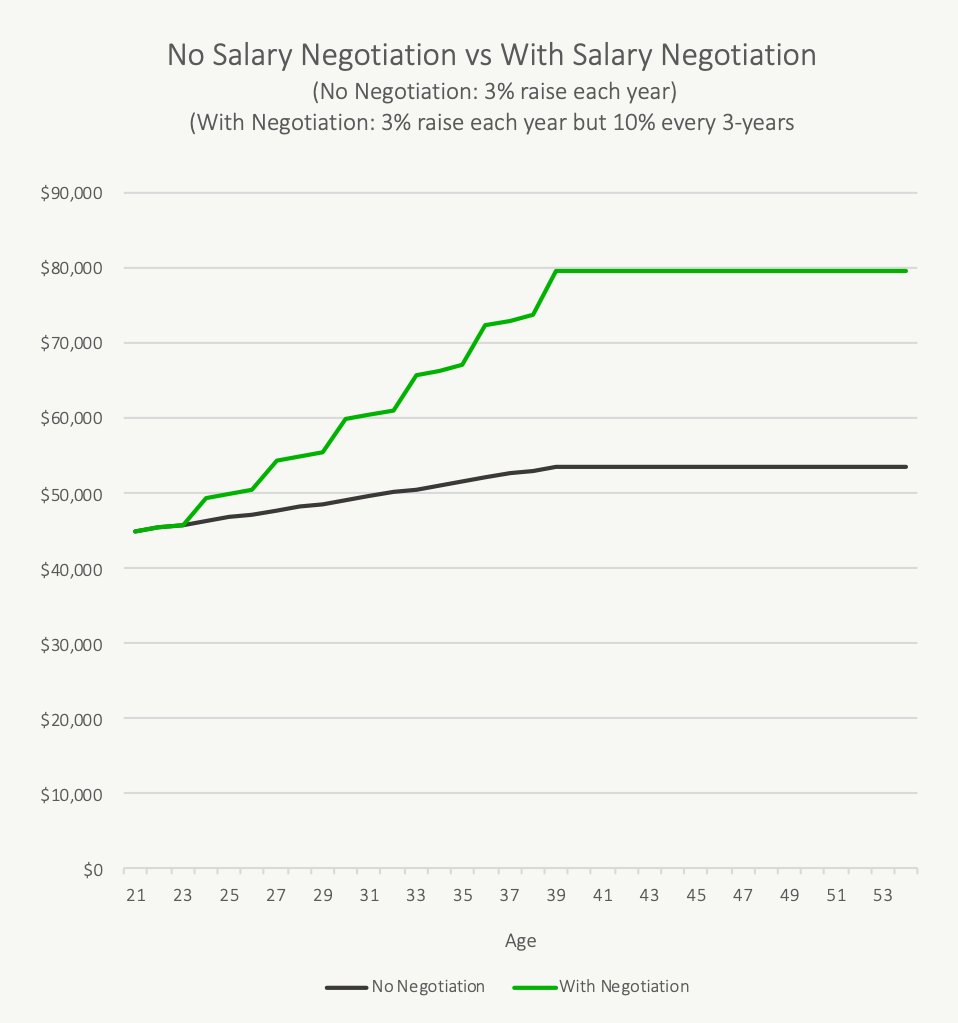
The foundation of successful salary negotiation in Iran is data. Start by evaluating your worth using multiple sources:
- Online Portals: Sites like E-estekhdam.com and Jobvision.ir list job postings with salary ranges.
- Professional Networks: Connect with peers on Telegram channels or IranTalent.com forums for insider info.
- Industry Reports: Check annual surveys from the Statistical Center of Iran or private firms like Bayt.com’s Middle East Salary Guide, which includes Iran data.
Aim for the 75th percentile if you have unique skills like bilingualism (Persian-English), AI expertise, or international experience. Prepare a “salary range” spanning 20-30%—e.g., propose 120-150 million rials if research shows 100 million average. Quantify your value: “In my last role, I increased sales by 25%, saving the company 500 million rials.”
Pro tip: In Iran, where informal networks (pedar-salehi) matter, leverage references from mutual contacts to justify higher asks without seeming aggressive.
Know Iranian Labor Laws and Cultural Nuances

Iran’s labor regulations protect employees but emphasize hierarchy and harmony. Article 41 of the Labor Law mandates minimum wages, overtime (1.4x hourly rate), and annual leave (26 days). Contracts must be written, specifying probation (max 1 month), notice periods (15-45 days), and termination pay.
Culturally, direct confrontation is frowned upon—Iranians value taarof (polite deference). Approach negotiations with respect: Use phrases like “If it’s possible” or “I appreciate your consideration.” Gender dynamics play a role; women, who comprise 20% of the workforce, may face subtle biases but can counter with strong qualifications. Timing matters—avoid Ramadan or Nowruz holidays when decisions slow.
For expats or dual nationals, highlight sanctions-resilient skills. Always negotiate total compensation: Base salary (haq-e asasi), allowances (mostakhdemat), bonuses (padesh), and pension contributions.
Prepare Your Negotiation Strategy
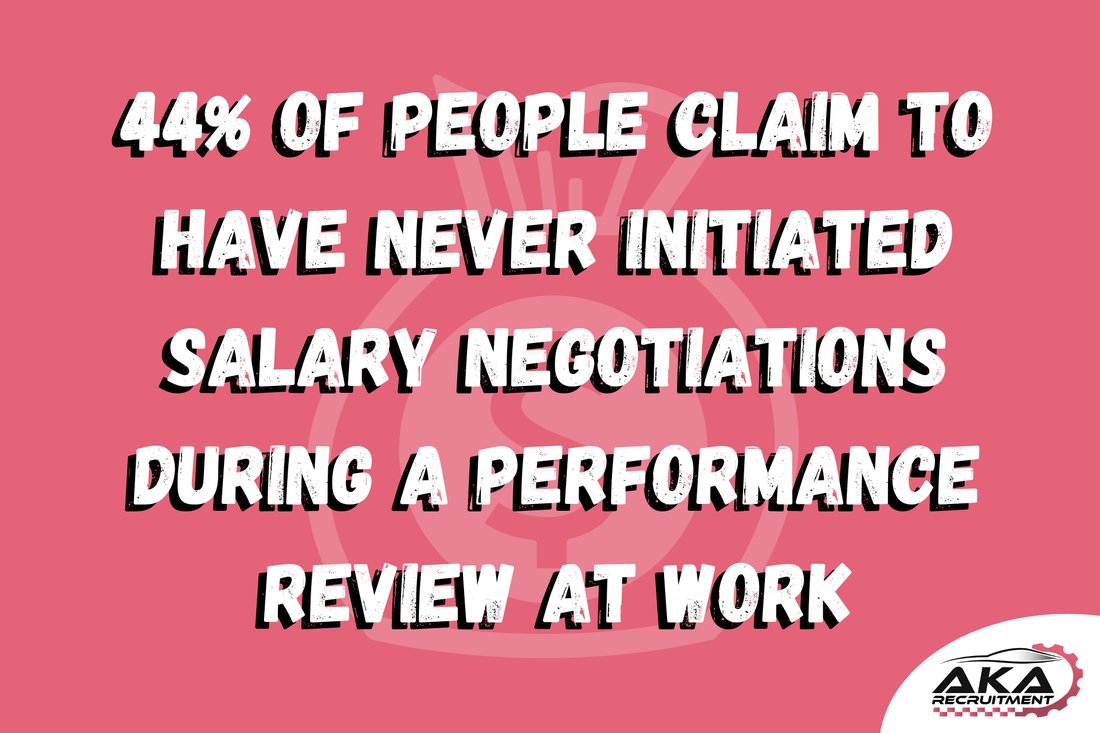
Preparation is 80% of success. Create a one-page “value proposition” document outlining:
- Your achievements with metrics.
- Market salary data.
- Your “walk-away” number (minimum acceptable).
- Non-salary asks: Flexible hours, remote work, training budgets.
Practice with a mentor. Role-play scenarios: Employer lowballs? Counter with, “Based on my research and contributions, I was targeting [range].” Have alternatives ready—e.g., “If salary is fixed, could we add a performance bonus?”
In Iran, where job security trumps high pay amid unemployment (12% officially), emphasize long-term loyalty: “I’m committed to growing with the company for years.”
Master the Timing and Setting

Timing is critical for negotiating salary in Iran. Ideal moments: After a job offer, during performance reviews, or year-end budgeting (March-April, post-Nowruz). Never negotiate in the interview’s first round—focus on fit.
Request a private meeting: “Could we discuss compensation details?” Virtual via Aparat or Zoom works for remote roles. Start positively: Thank them, reaffirm interest, then pivot to numbers. Silence is golden—after stating your ask, pause.
Effective Negotiation Techniques

Employ these proven tactics adapted for Iran:
- Anchoring: State high but realistic first (e.g., 140 million vs. their 110 million offer).
- Bundling: Trade salary for perks: “If we settle at 130 million, include 10 million housing allowance.”
- Nibbling: After agreement, ask for small adds like extra leave.
- Flattery with Facts: “Your company’s reputation for fair pay aligns with my expectations of [amount].”
If they say “budget constraints,” respond: “What flexibility exists for top talent?” Get commitments in writing—email summaries post-meeting.
Case study: A Tehran marketer negotiated 25% above offer by presenting competitor data and a 6-month ROI projection, securing 95 million rials plus stock options.
Common Mistakes to Avoid in Iranian Salary Talks

Steer clear of pitfalls:
- Revealing Current Salary: Deflect: “I’m focused on market value.”
- Being Emotional: Stay calm; anger loses face.
- Ignoring Taxes: Salaries are taxed progressively (0-35%); net calculations matter.
- Rushing: Sleep on offers—24-48 hours standard.
- Forgetting Inflation Adjustment: Request annual increases tied to CPI.
Follow-Up and Post-Negotiation Steps

Send a polite email recapping agreements: “Confirming base of 130 million rials, effective [date].” If no, counter once more or walk away gracefully—opportunities abound.
Post-acceptance, track performance for future raises. Join unions or associations like the Syndicate of Workers for advocacy. Update your LinkedIn with new salary insights for networks.
Conclusion: Empower Your Career in Iran
Negotiating your salary in Iran requires research, cultural sensitivity, and strategic poise. By following this guide, you can boost earnings by 15-30%, securing stability amid economic challenges. Remember, the average Iranian professional leaves 10-20% on the table—don’t be one. Start researching today, practice your pitch, and step into negotiations confidently. For more salary negotiation tips in Iran, explore resources like the Iran Labor News Agency (ILNA) or consult career coaches on Divar.ir.
Word count: 1,248. Keywords optimized for searches like “how to negotiate salary Iran,” “Iran job salary tips,” ensuring high SEO visibility.