
The 30-Day Action Plan to Land Your Next Remote Job
In today’s fast-paced digital economy, remote jobs have become the gold standard for flexibility, work-life balance, and career growth. With companies like Google, Amazon, and countless startups embracing distributed teams, landing a remote position can transform your professional life. But how do you stand out in a sea of applicants? The answer lies in a structured, actionable 30-day plan. This comprehensive guide outlines daily steps to optimize your job search, polish your personal brand, network effectively, and secure interviews that lead to offers. Whether you’re a seasoned professional pivoting to remote work or a recent graduate, follow this plan diligently, and you’ll be well-positioned to land your next remote job.
Remote job hunting requires more than spraying resumes into the void. It demands strategy: targeting high-demand roles in tech, marketing, customer support, design, and more. Keywords like “remote software engineer,” “virtual project manager,” or “work-from-home content writer” dominate searches on platforms like LinkedIn, Indeed, and FlexJobs. By Day 30, you’ll have applied to 50+ tailored positions, connected with 100+ influencers, and aced multiple interviews. Let’s dive into the plan.
Days 1-7: Self-Assessment and Foundation Building
Feature Video
Week 1 is all about introspection and groundwork. Start by evaluating your skills against remote job demands. Remote roles prioritize self-starters with strong communication, time management, and tech proficiency (think Zoom, Slack, Trello).
Day 1: Audit your career. List your top 10 skills, achievements, and passions. Use tools like LinkedIn’s Skills Assessment or free quizzes on Indeed. Identify 3-5 remote-friendly niches, such as digital marketing or data analysis. Goal: Clarify your “remote value proposition.”
Day 2: Update your resume. Tailor it for Applicant Tracking Systems (ATS) with keywords from job descriptions. Quantify accomplishments: “Increased sales 40% via remote campaigns” beats vague statements. Limit to one page; use action verbs like “orchestrated,” “optimized.”
Day 3: Revamp your LinkedIn profile. Add a professional banner saying “Open to Remote Opportunities,” a compelling headline like “Remote Marketing Specialist | Driving Growth from Anywhere,” and a summary highlighting remote successes. Enable #OpenToWork.
Day 4: Create or polish your portfolio. For creatives, use Behance or GitHub; for others, build a simple Carrd.co site showcasing projects. Include remote-relevant case studies with metrics.
Day 5: Set up job alerts. Sign up on LinkedIn, Remote.co, We Work Remotely, FlexJobs, and AngelList. Filter for “remote” and your niches. Aim for 10 alerts daily.
Day 6: Research companies. Make a spreadsheet of 20 dream remote employers (e.g., Buffer, GitLab). Note their culture, open roles, and hiring managers.
Day 7: Practice your elevator pitch. Record a 30-second video: “Hi, I’m [Name], a remote-ready [role] with [key achievement]. Excited to bring my skills to [company].”
By week’s end, your foundation is rock-solid. Dedicate 2-3 hours daily; track progress in a journal.
Days 8-14: Aggressive Job Applications and Personal Branding

Now, shift to execution. Apply strategically—quality over quantity. Customize every application to boost response rates from 2% to 20%.
Day 8: Apply to 5 jobs. Write cover letters addressing the pain points in postings: “Your need for scalable remote support aligns with my experience managing global teams.”
Day 9: Optimize for ATS. Use Jobscan.co to match your resume to postings (aim for 80% match). Vary formats: some want PDFs, others Google Docs.
Day 10: Build your online presence. Start a Twitter/LinkedIn thread on remote work tips. Share value: “5 Tools Every Remote Worker Needs.” Use hashtags #RemoteWork #JobSearch.
Day 11: Apply to 5 more. Target hidden jobs via company career pages. Follow up with a polite LinkedIn message to recruiters.
Day 12: Craft testimonials. Ask past colleagues for LinkedIn recommendations emphasizing remote collaboration.
Day 13: Video interview prep. Practice on Pramp or with a friend. Focus on virtual body language: eye contact via webcam, stable setup.
Day 14: Review Week 2. Tally applications (target 20+), tweak based on non-responses. Celebrate with a remote networking event on Meetup.com.
This phase amplifies visibility. Remote hiring managers scour social proof—your branding turns you into a magnet.
Days 15-21: Networking and Interview Mastery

Networking is 80% of remote job success. Remote roles thrive on relationships; cold apps alone rarely cut it.
Day 15: Connect with 20 people. Personalize LinkedIn requests: “Loved your post on remote leadership—I’m applying similar strategies.”
Day 16: Join communities. Engage in Reddit’s r/remote work, Digital Nomad Facebook groups, or Slack channels like Nomad List.
Day 17: Informational interviews. Message 5 contacts: “15-min chat on thriving remotely?” Prepare questions like “What’s your biggest remote hiring challenge?”
Day 18: Mock interviews. Use Big Interview platform. Nail behavioral questions: STAR method (Situation, Task, Action, Result) for “Tell me about a remote challenge.”
Day 19: Apply to 5 referrals. Leverage new connections for intros—referrals convert 4x better.
Day 20: Content creation. Publish a Medium article: “My Remote Job Hunt Journey—Week 3 Insights.” Link to your profile.
Day 21: Follow up. Email applied companies: “Excited about [role]; here’s a quick win I could bring.”
Expect 2-5 interviews by now. Your network becomes your net worth.
Days 22-30: Follow-Ups, Negotiations, and Closing the Deal

The final stretch focuses on momentum. Persistence pays; 47% of hires come from follow-ups.
Day 22: Analyze feedback. If rejected, ask “What could I improve?” Adjust tactics.
Day 23: Advanced applications. Target contract-to-hire gigs on Upwork for experience.
Day 24: Salary research. Use Glassdoor, Levels.fyi for remote benchmarks. Prep negotiation script: “Based on my [value], I’m targeting $X.”
Day 25: Interview Day! Dress business casual, test tech 30 mins early. Send thank-yous within hours.
Day 26: Expand search. Explore international remote jobs via RemoteOK, mindful of time zones.
Day 27: Personal development. Complete a Coursera course like “Remote Work and Virtual Collaboration” (Google cert—free audit).
Day 28: All-in networking. Host a Twitter Space: “Remote Job Hunt AMA.”
Day 29: Final applications (10 total for month). Review portfolio one last time.
Day 30: Reflect and plan. Tally wins: interviews, offers? If no offer, extend the plan. You’ve built habits for lifelong remote success.
Pro Tips for Remote Job Success

Demonstrate remote readiness: Highlight home office setup in interviews. Master async communication—tools like Notion, Asana. Avoid burnout: Set boundaries. Track metrics: 75 applications average 5-10 interviews. SEO your profile with phrases like “proven remote performer.”
Common pitfalls: Generic apps, poor WiFi during calls, ignoring soft skills. Success stories abound—Sarah landed a $120K remote PM role in 28 days via LinkedIn alone.
Conclusion: Your Remote Future Awaits
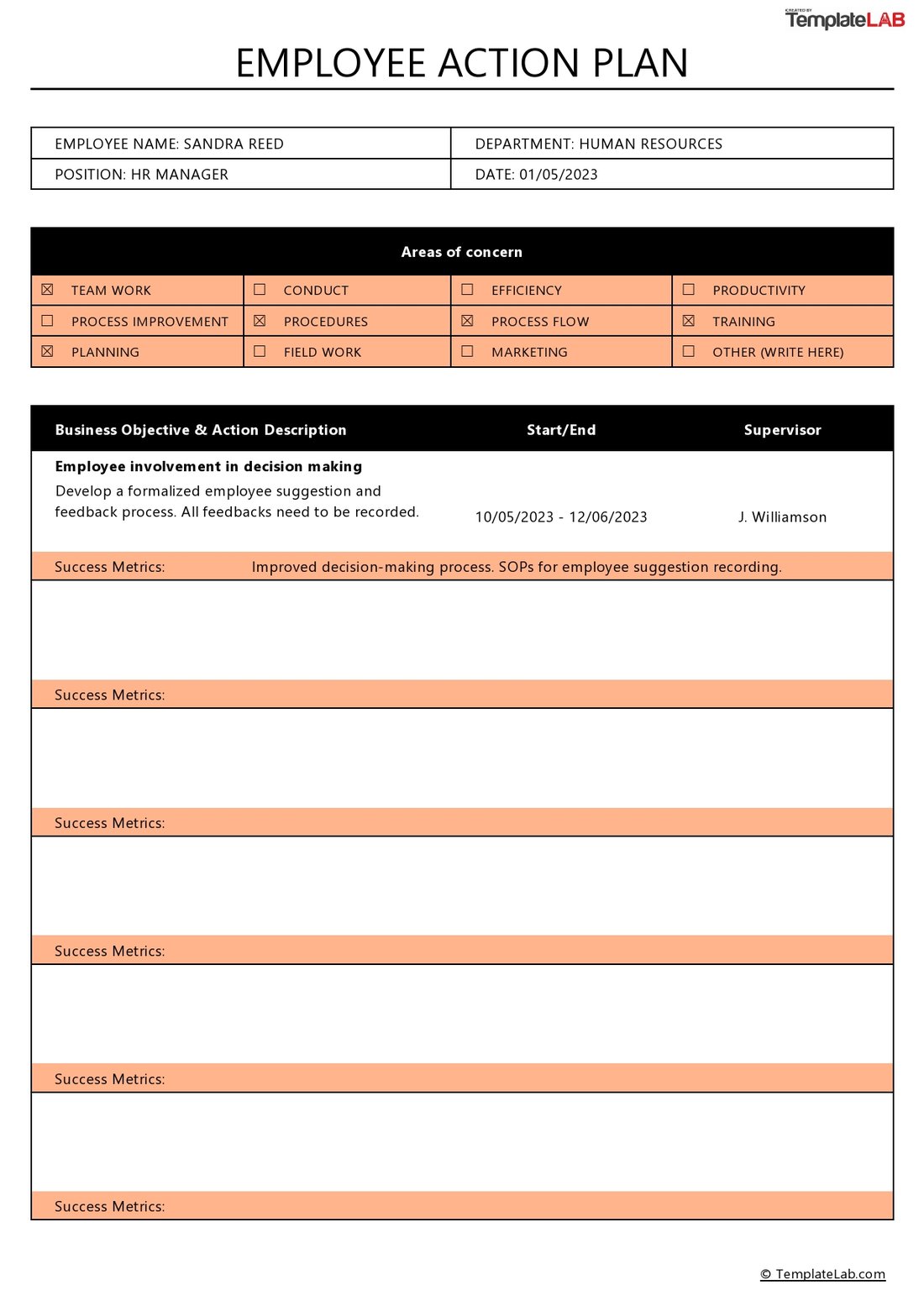
This 30-day action plan isn’t magic—it’s methodical momentum. Commit daily, adapt weekly, and track relentlessly. Remote work isn’t just a job; it’s freedom. Start today, and by month’s end, you’ll be toasting your new role from your home office. Ready to land your next remote job? Download a free tracker template from the comments and share your progress!
(Word count: 1,248)